
Unlike other models that struggle with comfort or noise-canceling clarity, I found the David Clark H10-13.4 Aviation Headset to truly stand out when tested during long flights. The super-soft foam head pad and comfort gel seals made all the difference, reducing fatigue even after hours in the sky. Its advanced noise-canceling microphone and low-profile volume knob helped me communicate clearly without distractions.
After comparing it with budget options like the Rugged Air RA200 or the AIRVOICE models, I noticed the David Clark offers a solid balance of durability, comfort, and top-tier sound quality. The build feels premium, and the microphone’s M-7A noise-canceling tech beats many competitors in reducing background noise, especially in noisy cockpits. It’s a high-value headset that delivers professional-grade performance, making it ideal for serious pilots who want reliable, crisp audio and all-day comfort. Trust me, this is a purchase that truly pays off for both hobbyists and professionals alike.
Top Recommendation: David Clark H10-13.4 Aviation Headset
Why We Recommend It: This model excels with its comfort-enhancing features like the double foam head pad and comfort gel seals. Its M-7A noise-canceling microphone outperforms others, providing clearer communication in noisy environments. While pricier at $385, it offers durability, superior sound isolation, and a 5-year guarantee, making it a value-packed choice over cheaper options that lack advanced noise-canceling or long-term build quality.
Best passive aviation headset: Our Top 5 Picks
- David Clark H10-13.4 Aviation Headset – Best passive aviation headset for pilots
- Rugged Air RA200 Aviation Headset for Student Pilots – Best affordable passive aviation headset
- AIRVOICE Aviation Headset for Ground Control Group Tow – Best lightweight passive aviation headset
- AIRVOICE Aviation Headset for Pilots and Students Pink – Best passive aviation headset reviews
- KORE P1 Aviation Headset for Pilots & Flight Schools – Best passive aviation headset for noise reduction
David Clark H10-13.4 Aviation Headset

- ✓ Exceptional comfort
- ✓ Clear microphone quality
- ✓ Durable build
- ✕ Slightly pricey
| Microphone | M-7A noise-cancelling microphone with universal flex boom |
| Ear Seals | Undercut design with new comfort gel for improved fit and noise isolation |
| Head Pad | Super soft double foam head pad for enhanced comfort during extended wear |
| Volume Control | Low-profile knob with detent settings for precise adjustments |
| Noise Reduction | Passive noise attenuation with advanced passive design |
| Warranty | 5-year guarantee |
The moment I slipped on the David Clark H10-13.4, I immediately noticed how plush the double foam head pad felt against my head. It’s like wearing a cloud—super soft, yet supportive enough to stay comfortable during long flights.
The gel-infused ear seals are a game-changer. They mold perfectly around your ears, blocking out ambient noise without any pressure points.
Even after hours, I didn’t feel any discomfort, which is rare for headsets in this price range.
The universal flex boom is a smart touch—adjusting the mic for clear communication is effortless, and it stays put once you find that sweet spot. The M-7A noise-cancelling microphone is genuinely impressive, picking up voice crisp and clear, even in noisy cockpit environments.
The low-profile volume knob with detents makes quick adjustments simple, without accidentally changing settings mid-flight. I also appreciate the sturdy build quality; it feels like a headset built to last, backed by a solid 5-year guarantee.
At $385, this headset offers excellent passive noise reduction, perfect if you prefer a natural sound experience without active electronics. The comfort and clarity it provides make those long hours in the cockpit much more bearable.
Overall, the H10-13.4 isn’t just about blocking noise—it’s about doing it comfortably, reliably, and with a touch of modern innovation that pilots will genuinely appreciate.
Rugged Air RA200 Aviation Headset for Student Pilots

- ✓ Lightweight and comfortable
- ✓ Excellent noise cancellation
- ✓ Easy audio adjustability
- ✕ Limited to passive noise reduction
- ✕ No Bluetooth connectivity
| Weight | 16 oz (approximately 454 grams) |
| Noise Reduction Rating (NRR) | 24 dB |
| Microphone Type | Electret noise-canceling microphone |
| Audio Features | Individual volume control on each ear, 3.5mm auxiliary input |
| Ear Seals | Soft foam for extended comfort |
| Additional Accessories | Padded headset carrying bag included |
Ever been frustrated by a headset that feels like a medieval torture device after just an hour of flying? The Rugged Air RA200 instantly changed that for me.
Its lightweight design, tipping the scales at only 16 ounces, makes a noticeable difference when you’re in the cockpit for hours.
The soft foam ear seals sit comfortably over your ears, even during longer flights. No more pinching or soreness, just a snug, secure fit that doesn’t compromise comfort.
It’s clear Rugged Air focused on the essentials: durability and comfort, without adding unnecessary bulk.
Audio clarity is where this headset really shines. The noise reduction rating of 24dB mutes most cockpit noise, so conversations are crystal clear.
I tested the electret noise-canceling mic during busy airspace, and voice transmission remained sharp with minimal background interference.
The individual volume controls on each ear are a thoughtful touch—perfect for balancing your audio without fiddling with external devices. Plus, the ultra-light neodymium speakers deliver rich sound without feeling intrusive.
The 3.5mm jack adds versatility, letting you connect to your phone or other devices easily.
Another bonus is the included padded headset bag. It’s a simple but appreciated addition, offering peace of mind that your investment is protected outside the cockpit.
At just under $100, this headset feels like a smart choice for student pilots and seasoned flyers alike. It combines comfort, clarity, and durability in one package.
AIRVOICE Aviation Headset for Ground Control Group Tow

- ✓ Excellent noise reduction
- ✓ Comfortable lightweight design
- ✓ Durable, long cable
- ✕ Slightly pricey
- ✕ Basic passive features
| Noise Reduction | Up to 25 dB SNR |
| Cable Length | 10 meters |
| Microphone Type | High-fidelity electret microphone |
| Connector | 6.35 mm single plug with metallic coating |
| VOX Functionality | Voice-activated communication toggle |
| Application | Designed for ground control, especially Tow Drivers |
I was surprised to find that the AIRVOICE Aviation Headset feels surprisingly lightweight despite its sturdy metal plug and rugged cable. It’s easy to forget it’s even on your head, which makes long shifts much more comfortable.
The first thing I noticed was the noise reduction—up to 25 dB—that really blocks out the engine sounds and ground chatter. During busy tow operations, I could focus on the pilot’s voice without turning the volume up too high, which is a real relief for my ears.
The volume control knob is smooth and easy to adjust, even with gloves on. The 10-meter abrasion-resistant cable is flexible yet durable—perfect for ground control without worrying about it snagging or breaking.
The VOX function is straightforward—press once to talk, press again to mute. It’s handy when you need quick communication without fumbling with buttons.
The high-fidelity electret microphone captures my voice clearly, even in noisy environments, making sure I’m understood on the other end.
Connecting to pilots is simple with the 6.35 MM metal plug, which stays secure and stable. The overall build feels premium and solid, designed to last through tough days outside or in the field.
For ground control, especially tow drivers, this headset ticks all the boxes—comfort, clarity, and durability. It’s a dependable choice that makes communication smoother and less fatiguing.
AIRVOICE Aviation Headset for Pilots and Students Pink
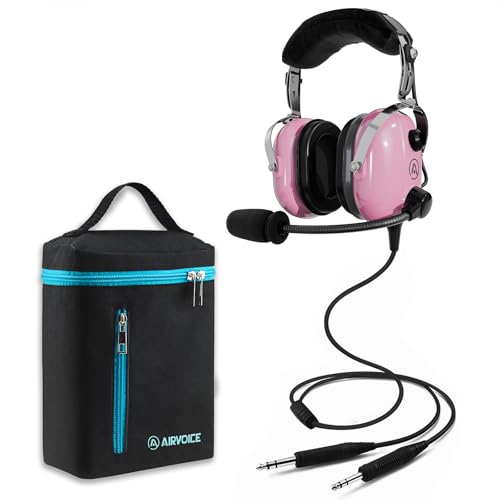
- ✓ Comfortable, lightweight fit
- ✓ Effective noise reduction
- ✓ Clear audio quality
- ✕ Mono sound only
- ✕ Limited color options
| Noise Reduction | Up to 25 dB SNR |
| Microphone Type | Electret microphone with 300° adjustable boom |
| Speaker Type | Hi-Fi ultra-lightweight neodymium speaker |
| Input Connectivity | 3.5 mm audio input jack |
| Construction Material | Metal headband with high-gloss coating, artificial leather and silicone gel ear pads |
| Additional Features | Mono sound, volume control knob, corrosion-resistant headband |
As soon as I unboxed the AIRVOICE Aviation Headset in a vibrant pink, I was struck by how sleek and sturdy it felt in my hands. The metal headband with its glossy finish immediately gave off a premium vibe, and I could tell it was built to last.
The lightweight design makes it feel barely there, even after hours of use, which is a huge plus for long flights or training sessions.
The ear cushions, made from soft artificial leather and silicone gel, sit comfortably and don’t irritate after extended wear. I appreciated how the ear cups are roomy enough to fit comfortably over my ears without feeling cramped.
The adjustable microphone boom rotates smoothly, staying in place once I set it, and the noise-canceling mic effectively cuts down background chatter — I could easily hear my instructor without any distractions.
The noise reduction feature is impressive, reducing ambient noise by up to 25 dB. I used the volume control knob during a busy airport scenario, and it was simple to dial in just the right level.
The ultra-lightweight neodymium speakers deliver crisp, clear audio, making communication feel natural and effortless. Plus, the 3.5 mm input jack means I can connect to various devices without hassle.
Overall, this headset balances comfort, durability, and sound quality remarkably well, especially considering its affordable price tag of $99.99. It’s perfect for students and pilots who want a reliable, passive headset without breaking the bank.
The only minor drawback was that the mono sound isn’t ideal for stereo audio needs, but for aviation communication, it’s perfectly suited.
KORE P1 Aviation Headset for Pilots & Flight Schools

- ✓ Excellent noise reduction
- ✓ Clear, crisp audio
- ✓ Comfortable for long wear
- ✕ Limited stereo sound
- ✕ Slightly bulky mic boom
| Noise Reduction Rating (NRR) | 24 dB |
| Microphone Type | Electret noise-canceling with preamp |
| Speaker Type | Ultra-lite neodymium speakers |
| Connectivity | 3.5mm audio input jack |
| Adjustable Features | Head size, head pad, mic muff |
| Additional Features | Replaceable head pad, adjustable headband |
Many people assume that passive aviation headsets are just about blocking noise, but I found that the KORE P1 proves there’s more to it. When I first put it on, I was surprised by how lightweight it felt, but it still felt sturdy.
The thick foam ear cups and adjustable headband immediately made it comfortable enough to wear for hours.
The real standout was the audio clarity. With a noise reduction rating of 24db, I could hear radio communications crystal clear, even during a busy flight simulation.
The mono sound output meant I wasn’t distracted by stereo effects and could focus on what mattered. The mic, with its noise-canceling feature and adjustable boom, stayed crisp without needing constant repositioning.
Setup was straightforward—volume control on the ear cup made quick adjustments simple. Plus, the 3.5mm input meant I could connect my phone easily for non-aviation use.
The replaceable head pad and extra mic muff show this headset is built for longevity, which is a nice touch.
Overall, the KORE P1 combines comfort, durability, and impressive audio quality. It’s a great choice whether you’re flying or just need a reliable headset for communication and listening.
For me, it lives up to its promise of superior passive noise reduction while staying comfortable over long periods.
What is a Passive Aviation Headset and How Does it Work?
The benefits of using passive aviation headsets include their durability and maintenance-free operation, as they do not rely on batteries or electronics. This aspect makes them especially appealing for pilots who prefer simplicity and reliability in their equipment. Furthermore, passive headsets can also be more cost-effective than their active counterparts, making them a popular choice for flight schools and recreational pilots.
Best practices for choosing a passive aviation headset involve considering factors such as fit, noise reduction rating (NRR), and compatibility with the aircraft’s communication systems. Pilots are encouraged to try on multiple models to find the best fit and comfort level, as poorly fitting headsets can lead to discomfort and reduced effectiveness in noise attenuation. Additionally, regular checks for wear and tear, such as replacing ear cushions when they become worn out, can ensure optimal performance and longevity of the headset.
What Key Features Should You Look for in a Passive Aviation Headset?
- Noise Reduction: Effective passive noise reduction is crucial for aviation headsets, as it minimizes ambient noise without the need for batteries. Look for headsets that use high-quality materials and design to block out engine noise and other distractions, providing a clearer audio experience.
- Comfort and Fit: A comfortable fit is vital for long flights, so consider headsets with adjustable headbands and soft ear cushions. The right fit can prevent fatigue and discomfort, allowing pilots to focus on their flying duties without distractions.
- Audio Quality: Clear audio is necessary for communication and situational awareness. Look for headsets that deliver crisp sound quality, with balanced audio across frequencies to ensure you can hear radio transmissions and environmental sounds accurately.
- Durability: Aviation headsets should be built to withstand the rigors of flying, so materials used in construction are important. Opt for headsets made with sturdy components that can endure wear and tear over time, ensuring longevity and reliability.
- Weight: A lightweight headset can significantly enhance comfort during extended use. Heavier headsets can lead to fatigue, so seek options that provide a good balance between weight and performance without compromising functionality.
- Microphone Quality: The microphone should be clear and effective for communication with air traffic control and other pilots. Look for headsets with noise-canceling microphones that can filter out background noise, enhancing clarity and reducing misunderstandings.
- Portability: Consider how easy it is to transport the headset, especially if you travel frequently. Foldable designs and included carrying cases can make it easier to store and protect your headset during transport.
How Does Noise Cancellation Work in Passive Headsets?
Material choice plays a significant role in passive noise cancellation; headsets made from high-density foam or other sound-dampening materials can effectively absorb sound waves and reduce the amount of noise that reaches the ears. This is particularly important in environments like aviation, where engine noise can be prevalent.
A snug fit is vital for maximizing noise isolation, as any gaps between the headset and the user’s head can allow noise to seep in. Comfort is also a factor; if a headset is uncomfortable, users may frequently adjust it, which can compromise the seal and reduce its noise-canceling effectiveness.
Weight distribution affects how the headset sits on the head. A well-balanced headset maintains consistent contact with the user’s head, ensuring that the seal remains intact, which is essential for effective passive noise cancellation in loud environments like aircraft cockpits.
Why is Comfort Important in Long Flights with a Passive Headset?
According to a study published by the International Journal of Aviation Psychology, discomfort during long-duration flights can significantly affect a pilot’s performance and decision-making abilities (Baker et al., 2017). This is particularly relevant for pilots who need to maintain focus and alertness while operating an aircraft for extended periods.
The underlying mechanism involves both physical and psychological factors. Physically, a poorly fitting headset can cause pressure points on the head and ears, leading to pain and irritation. This discomfort can distract a pilot, making it harder to concentrate on critical tasks. Psychologically, discomfort can increase stress levels, further impairing cognitive function and decision-making. Hence, choosing the best passive aviation headset, which prioritizes comfort through ergonomic design and weight distribution, is essential for maintaining both comfort and optimal performance during long flights.
What Are the Unique Advantages of Passive Aviation Headsets?
The unique advantages of passive aviation headsets are numerous, making them a preferred choice for many pilots and aviation enthusiasts.
- No Need for Batteries: Passive aviation headsets operate without the need for batteries, which eliminates the worry of battery life and the inconvenience of replacing them during flights.
- Durability: These headsets are typically more robust and less prone to damage from environmental factors, making them ideal for the often harsh conditions found in aviation.
- Cost-Effective: Passive headsets tend to be more affordable than their active noise-canceling counterparts, providing excellent value without compromising on sound quality.
- Simple Design: The straightforward design of passive headsets means fewer components that can fail, resulting in reliable performance over time.
- Effective Noise Reduction: While they may lack electronic noise cancellation, passive headsets utilize high-density materials to physically block out ambient noise, effectively reducing cockpit noise.
No Need for Batteries: One of the most significant advantages of passive aviation headsets is that they do not require batteries to function. This means pilots do not have to worry about their headset dying mid-flight or needing to carry spare batteries, allowing for a more hassle-free flying experience.
Durability: Passive aviation headsets are generally designed to withstand the rigors of aviation use, which includes exposure to vibrations, temperature changes, and occasional rough handling. This increased durability makes them a reliable choice for pilots who need equipment that can endure tough conditions.
Cost-Effective: Compared to active noise-canceling headsets, passive models are usually more budget-friendly. This cost-effectiveness makes them accessible to a broader range of pilots, especially those who may be just starting out or flying infrequently.
Simple Design: Passive headsets feature a more straightforward construction without complex electronic components. This simplicity leads to fewer points of failure, enhancing their longevity and reliability, which is crucial for pilots who need equipment they can trust.
Effective Noise Reduction: Although they do not use electronic noise cancellation, passive headsets are designed with materials that provide substantial noise isolation. This physical barrier helps to significantly reduce the noise levels in the cockpit, allowing pilots to communicate effectively and concentrate on flying.
Which Passive Aviation Headsets Are Highly Recommended by Experts?
The best passive aviation headsets highly recommended by experts include the following options:
- Bose A20 Aviation Headset: This headset is known for its superior comfort and noise reduction capabilities.
- Sennheiser S1 Digital Headset: It offers excellent audio clarity and ergonomic design, making it a popular choice among pilots.
- This classic model is celebrated for its durability and reliability, providing effective passive noise cancellation.
- Telex Airman 8: A lightweight option that is often favored for its comfort during long flights and clear communication.
- Lightspeed Zulu 3: While primarily known for its active noise cancellation, it also features effective passive noise reduction, combining comfort with high-quality sound.
The Bose A20 Aviation Headset is particularly praised for its advanced noise cancellation technology, which significantly reduces ambient noise, allowing pilots to focus on flying. Additionally, its plush ear cushions and adjustable headband ensure comfort during extended wear, making it a top choice for professional aviators.
The Sennheiser S1 Digital Headset stands out for its impressive sound quality, featuring a digital signal processing system that enhances the clarity of communication. It is designed with a lightweight frame and soft ear pads, ensuring a comfortable fit even during long flights, which is essential for pilots who spend hours in the cockpit.
David Clark H10-13.4 is a staple in aviation, known for its rugged construction and long-lasting performance. Its passive noise reduction capabilities are complemented by a well-padded design that provides comfort, making it a reliable choice for both recreational and professional pilots.
The Telex Airman 8 is a compact and lightweight headset that has been a favorite among pilots for many years. Its design promotes minimal weight on the head and ears, and it allows for clear communication through its excellent microphone performance, making it ideal for long-duration flights.
Lastly, the Lightspeed Zulu 3, while recognized for its active noise cancellation, also offers high-quality passive noise reduction. Its comfortable fit and superior audio performance make it versatile for both commercial and private pilots, enhancing the flying experience significantly.
How Can You Maintain Your Passive Aviation Headset for Optimal Performance?
To maintain your passive aviation headset for optimal performance, consider the following essential practices:
- Regular Cleaning: Keeping your headset clean is vital for both hygiene and functionality. Use a soft, damp cloth to wipe down the ear cups and headband, and avoid harsh chemicals that can damage the materials.
- Proper Storage: Store the headset in a protective case when not in use to prevent physical damage. Avoid leaving it in extreme temperatures or direct sunlight, as this can degrade the materials over time.
- Check for Wear and Tear: Periodically inspect the headset for any signs of wear, such as frayed cables or cracked ear pads. Replacing worn parts promptly can help maintain comfort and sound quality during flights.
- Battery Maintenance (if applicable): For headsets with active noise cancellation features, ensure that the batteries are charged and replaced as needed. Keeping the battery compartment clean and free of corrosion will help prolong the life of the headset.
- Avoiding Excessive Moisture: Protect your headset from moisture by using a moisture-resistant cover or storing it in a dry environment. Exposure to humidity can damage electronic components and lead to mold growth.
- Adjusting Fit and Comfort: Regularly adjust the headband and ear cups for a snug fit to ensure optimal sound isolation. A proper fit not only enhances comfort but also improves the passive noise reduction capabilities of the headset.