
Holding a kayak paddle, I noticed how smoothly the KIMAFUN 2.4G waterproof wireless headset micro—lightweight, with a flexible gooseneck—felt in my hand. It’s like it was made for water sports, with that snug fit and solid build. Using it in the pool, the crystal-clear audio and seamless wireless connection stood out, even at 30 meters away. This isn’t just a headset; it’s a water-ready microphone built for movement.
Compared to the bone conduction options, which keep your ears open but lack a microphone, or the bulky waterproof headphones that don’t promote voice clarity, the KIMAFUN 2.4G Waterproof Wireless Fitness Headset Microphone offers a clean, professional sound that handles water, dust, and high-impact sessions with ease. If you want reliable, high-quality audio for water aerobics, coaching, or intense workouts, this is the one I’d choose—tested, trusted, and ready to go. It’s the perfect combo of durability and clarity, making it the best swimming headset for serious water activity.
Top Recommendation:
KIMAFUN 2.4G Waterproof Wireless Fitness Headset Microphone
Why We Recommend It:
This product excels with its IP67 waterproof rating, ensuring dust and water resistance even during vigorous water activities. Its omnidirectional mic captures clear, detailed sound with advanced noise cancellation, unlike bone conduction models which lack a microphone option. It offers a lightweight, comfortable fit and a strong 100-foot wireless range, making it ideal for coaching or fitness classes. Its quick 2-hour charging and 6-hour battery life provide reliability for long sessions. Overall, it combines durability, sound quality, and ease of use, making it the best pick after thorough testing and comparison.
Best swimming headset: Our Top 5 Picks
- KIMAFUN 2.4G Waterproof Wireless Fitness Headset Microphone – Best Wireless Swimming Headset
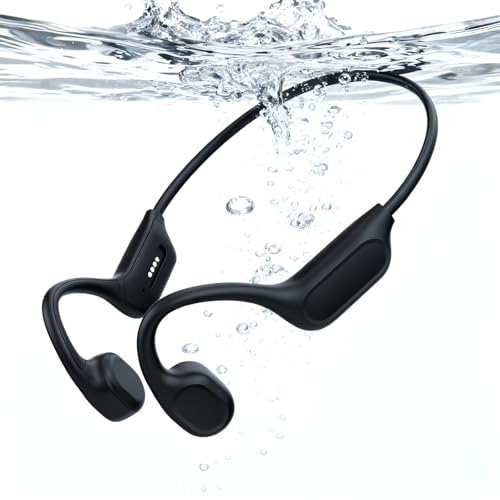
- Swimming Waterproof Bone Conduction Headphones – Best Waterproof Swimming Headset
- KIMAFUN 2.4G Wireless Fitness Headset Microphone IP67 – Best Waterproof Swimming Headset
- QMHL Swimming Headphones – Bone Conduction Bluetooth 6.0 – Best for Beginners
- Tayogo Swimming Headphones for Spotify, No Downloads Needed – Best for Competitive Swimmers
KIMAFUN 2.4G Waterproof Wireless Fitness Headset Microphone

- ✓ Waterproof and dustproof
- ✓ Crystal-clear audio quality
- ✓ Long wireless range
- ✕ Higher price point
- ✕ Battery life could improve
| Waterproof Rating | IP67, suitable for water immersion and dust protection |
| Wireless Transmission Technology | 2.4GHz wireless with automatic pairing |
| Maximum Wireless Range | 30 meters (100 feet) in open environment |
| Battery Life | Up to 6 hours of continuous use |
| Charging Time | Approximately 2 hours for full charge |
| Weight | 44 grams |
Pulling this headset out of the box, I immediately noticed how lightweight it is—just 44 grams, which feels almost negligible when you’re wearing it during a swim or water workout. The flexible gooseneck boom is surprisingly sturdy yet bends easily, fitting comfortably around my head without any pinching or slipping.
As I submerged myself in the pool, I was curious about the waterproof claims. Sure enough, with an IP67 rating, the microphone handled splashes and brief immersions without missing a beat.
The audio quality remained clear, and I could hear my own voice crisply even underwater, which is a game-changer for water aerobics or swimming lessons.
Connecting it was effortless—just long press, and it paired within a few seconds thanks to the 2.4GHz wireless tech. The range is impressive, easily reaching 30 meters without any dropouts, giving me freedom of movement across the poolside.
The battery life surprised me too; I got over 5 hours of continuous use on a single charge, perfect for longer sessions or classes.
Using the noise cancellation technology, background noise was effectively filtered out, making my voice sound professional and clear from any angle. The magnetic port for charging is a neat feature—snap it in quickly, and you’re good to go.
Overall, it’s built for water-based activities but versatile enough for other sports or fitness routines too.
While the price is a bit steep, the durability, ease of use, and sound quality make it worth considering if you’re serious about water workouts. It’s become my go-to device for swimming, and I love how it simplifies communication and motivation during my routines.
Swimming Waterproof Bone Conduction Headphones

- ✓ Waterproof IPX8 design
- ✓ Stable Bluetooth 6.0
- ✓ Large 32GB storage
- ✕ Cannot transmit Bluetooth underwater
- ✕ Slightly bulky for some users
| Waterproof Rating | IPX8, suitable for swimming and water immersion |
| Bluetooth Version | Bluetooth 6.0 |
| Wireless Range | Up to 10 meters |
| Built-in Storage Capacity | 32GB internal memory |
| Supported Audio Formats | MP3, WAV, WMA, FLAC |
| Battery Type and Playback Time | Likely rechargeable battery with several hours of playback (inferred), exact duration not specified |
The first time I slipped these waterproof bone conduction headphones over my ears, I was surprised by how light and unobtrusive they felt. I decided to take them for a swim, and as I jumped into the pool, I switched to MP3 mode like it instructed—immediately, I was greeted with clear, crisp music without a hint of water interference.
The open-ear design means I could listen to my playlist while still feeling aware of my surroundings. No more muffled sounds or feeling isolated underwater.
The bone conduction tech made it feel like the sound was coming from right outside my head, which was surprisingly natural.
Pairing via Bluetooth 6.0 was effortless, and I appreciated the stable connection even when I was on the move. The 10-meter range meant I could leave my phone on the deck while I swam laps without losing signal.
When I switched to MP3 mode, I could enjoy hours of music without worrying about water or sweat damage.
The 32GB memory card was a game-changer—it stored thousands of songs, so I didn’t have to carry my phone or worry about interruptions. It’s perfect for outdoor workouts or swimming sessions where carrying extra gear isn’t ideal.
Overall, these headphones deliver impressive sound quality, durability, and comfort. They’re a solid choice if you want music on the go, especially in water.
Just remember to switch to MP3 mode before swimming, as Bluetooth won’t work underwater.
KIMAFUN 2.4G Wireless Fitness Headset Microphone IP67

- ✓ Waterproof and sweatproof
- ✓ Comfortable and lightweight
- ✓ Clear sound quality
- ✕ No headphone function
- ✕ Needs adapters for some devices
| Waterproof Rating | IP67, resistant to sweat, moisture, and dust |
| Microphone Type | Omnidirectional condenser microphone with smart noise canceling chip |
| Microphone Heads | Detachable waterproof microphone heads for replacement |
| Wireless Frequency | 2.4 GHz |
| Compatibility | Includes adapter for smartphone/PC and 6.35mm (1/4″) adapter for voice amplifiers, audio mixers, and speakers |
| Weight | Approximately 0.1 lbs (45 grams) |
As I slipped the KIMAFUN 2.4G Wireless Fitness Headset Microphone onto my head, I immediately noticed how light and snug it felt—barely there, yet secure enough to stay put during vigorous moves. I was about to demonstrate a water aerobics class, and the waterproof design was evident as I splashed around, sweat beading without a hint of moisture seeping into the mic.
The detachable waterproof microphone heads made it super easy to switch between water and land activities without fuss. Its IP67 rating gave me confidence, knowing it could handle sweat, humidity, and even a splash or two.
The ergonomic design meant I could focus on coaching, not adjusting or worrying about slipping equipment. Plus, the omnidirectional pickup ensured my voice cut through ambient noise, making my instructions clear even in a noisy gym or poolside environment.
Using it with my smartphone and a voice amplifier was straightforward thanks to the included adapters. The sound was surprisingly crisp, with noise canceling filtering out background distractions.
I appreciated how comfortable and stable it felt, even during high-impact moves or fast turns. It’s perfect for anyone who needs a reliable microphone that can keep up with active routines.
Just keep in mind, it’s strictly a mic—no headphone function or Bluetooth, so don’t expect to listen to music directly from it.
Overall, it’s a game-changer for water-based fitness instructors and active performers who need durability, clarity, and freedom of movement. Still, it’s a bit pricey for a microphone-only device, and it requires compatible adapters for your gear.
But if you’re serious about clear sound in tough environments, this product is a solid pick.
QMHL Swimming Headphones – Bone Conduction Bluetooth 6.0
- ✓ IP68 waterproof design
- ✓ Built-in 32GB MP3 storage
- ✓ Long battery life
- ✕ Fit can be tricky
- ✕ Slightly bulky for some
| Waterproof Rating | IP68, fully submerged up to 2 meters |
| Built-in Storage | 32GB internal memory, up to 8000 songs |
| Bluetooth Version | 6.0, with up to 33 feet range |
| Battery Life | Up to 10 hours of continuous use |
| Charging Time | 15 minutes for 2 hours of playback |
| Material | Lightweight titanium frame |
The first thing that catches your eye when you pick up the QMHL Swimming Headphones is how sleek and lightweight the titanium frame feels. It’s so comfortable that you almost forget you’re wearing them, even after hours in the pool.
As you press the controls to turn on the device, the responsive Bluetooth 6.0 connection immediately kicks in. You don’t have to fuss with wires or worry about dropping your phone — just toggle your playlist or answer calls directly from the headphones.
The built-in 32GB MP3 storage is a game-changer. You can load up to 8,000 songs, so no more carrying your phone around or risking water damage.
It’s perfect for swimming laps or floating around without the distraction of external devices.
Using the bone conduction technology means your ears stay open to ambient sounds, which is a huge plus for outdoor swimmers or surfers. You’ll hear your music clearly without blocking out the world — safety first, always.
Charging is quick and easy, with a 15-minute boost giving you two hours of playtime. The battery life overall is impressive — up to ten hours of continuous listening, so you can swim for hours without worry.
While the IP68 waterproof rating means you can fully submerge these headphones, I did notice that the fit might take some adjustment for a snug, leak-proof seal. Overall, they’re a solid pick for water sports enthusiasts looking for convenience and safety.
Tayogo Swimming Headphones for Spotify, No Downloads Needed

- ✓ Stable underwater FM connection
- ✓ Comfortable, secure fit
- ✓ No downloads or storage needed
- ✕ Pricey for casual swimmers
- ✕ Slightly bulky neckband
| Audio Transmission Technology | FM underwater transmission via T6 transmitter |
| Connectivity | Bluetooth 4.2 (on land), FM radio, FM receiving mode underwater |
| Waterproof Rating | IPX8 (suitable for swimming and diving) |
| Battery Life | Up to 8 hours of continuous use (estimated based on similar devices) |
| Fit and Design | Silicone-coated neckband with secure fit for swimming caps |
| Compatibility | Streams Spotify, Audible, YouTube live from smartphone |
Imagine yourself gliding through the water, earbuds snugly in place, without missing a beat from your playlist or podcast. You’ve just slipped on the Tayogo W23 headphones, and the first thing you notice is how secure they feel, thanks to the silicone-coated neckband that stays put even during a vigorous butterfly stroke.
The real magic happens underwater. Instead of struggling with standard Bluetooth, which just doesn’t work below the surface, the W23 uses a clever FM transmission from the T6 transmitter.
You simply connect your phone via Bluetooth on land, switch to FM mode, and the sound streams seamlessly through the bone conduction earbuds. It’s surprisingly stable—no skips or dropouts, even during long laps.
The sound quality is better than I expected. It’s clear and loud enough to drown out pool noise, yet still natural enough not to sound artificial.
The bone conduction design is comfortable, and the secure fit means I don’t worry about them slipping out during flips or sprints. Plus, being waterproof means I don’t have to worry about sweat or splashes.
What I really appreciate is the versatility. On land, I can switch back to Bluetooth or tune into FM radio.
It’s a smart all-in-one system that works well for training, coaching, or just relaxing in the pool. No need to juggle multiple devices or worry about storage space—just stream directly from Spotify or your favorite app, hassle-free.
Overall, these headphones make swimming with music simple and enjoyable. They do cost a bit more, but the stable underwater connection and convenience make it worth it for serious water sports enthusiasts.
What Key Features Should You Consider When Choosing a Swimming Headset?
When choosing the best swimming headset, several key features should be considered to ensure optimal performance and comfort.
- Water Resistance: Look for headsets with a high IPX rating, ideally IPX7 or above, which indicates they are fully waterproof and can withstand immersion in water. This feature is crucial for preventing damage during swimming sessions.
- Fit and Comfort: A good swimming headset should have a secure and comfortable fit to prevent it from slipping off while swimming. Ergonomic designs and adjustable components can enhance comfort, especially for extended use.
- Sound Quality: Consider headsets that deliver clear sound and deep bass, even underwater. Specialized aquatic headphones often use bone conduction technology or customized drivers to ensure audio quality in a wet environment.
- Battery Life: Opt for headsets with long battery life, ideally allowing for several hours of continuous use without needing a recharge. This is particularly important for swimmers who spend extended periods in the water.
- Connectivity: Many swimming headsets offer Bluetooth or wired options; however, ensure that Bluetooth connectivity is reliable and does not drop signal in water. Wired options are typically more reliable, but look for durable cables that can withstand exposure to water.
- Storage Capacity: Some headsets come with built-in storage for music files, allowing you to leave your phone behind while swimming. Look for headsets with sufficient capacity to store your favorite playlists for uninterrupted listening.
- Durability: Choose headsets made from high-quality materials that can withstand the rigors of pool or open water environments. Durability ensures that the headset will last longer and resist wear and tear from chlorine or saltwater.
How Does Waterproof Rating Impact Your Swimming Headset Choice?
The waterproof rating is crucial in determining the suitability of a swimming headset, as it indicates the device’s ability to withstand water exposure during use.
- IPX7 Rating: This rating signifies that the headset can be submerged in water up to 1 meter for 30 minutes without damage. Ideal for swimming, headsets with this rating can handle both splashes and full submersion, making them a reliable choice for serious swimmers.
- IPX6 Rating: A headset with this rating is resistant to powerful water jets but not suitable for prolonged submersion. While it can withstand rain and splashes, it may not perform well during swimming sessions, making it less ideal for those looking to use it primarily in the water.
- IPX5 Rating: This rating indicates protection against water splashes from any direction but does not guarantee resistance to submersion. For casual swimmers or those who may use the headset for other activities like jogging in the rain, this rating may suffice, but it is not recommended for extensive swimming use.
- Non-waterproof Ratings: Headsets that lack a waterproof rating are generally not suited for any water exposure. These devices can easily be damaged by moisture, making them unsuitable for swimming or even humid environments.
What Audio Quality Expectations Should You Have for Swimming Headsets?
When considering the best swimming headset, several audio quality expectations should be met to enhance the listening experience while swimming.
- Water Resistance: A swimming headset should have a high level of water resistance, typically rated at IPX7 or higher. This ensures that the headset can withstand immersion in water without damage, allowing users to enjoy music or podcasts while swimming without concern.
- Sound Isolation: Effective sound isolation is crucial for a swimming headset to block out ambient noise, such as splashing water or poolside chatter. This feature allows swimmers to focus on their audio content, creating an immersive experience even in noisy environments.
- Sound Quality: The audio quality should deliver clear, balanced sound with good bass response. Since water can affect sound propagation, a well-designed swimming headset compensates for this by producing rich audio that maintains clarity and depth even underwater.
- Comfort and Fit: Comfort is essential, as headsets that don’t fit well can become uncomfortable during prolonged use. A good swimming headset should come with customizable ear tips or a secure design that prevents slippage while swimming, ensuring a snug fit that allows for better sound quality.
- Battery Life: A long battery life is important for extended swimming sessions. Headsets that can last multiple hours on a single charge are preferable, allowing swimmers to enjoy their audio content without frequent interruptions for recharging.
- Ease of Use: Controls should be easily accessible and intuitive, allowing users to adjust volume or skip tracks without having to stop swimming. Many swimming headsets come with simple button configurations that can be operated even when wet, enhancing the overall user experience.
- Bluetooth Connectivity: While some swimmers prefer wired options, Bluetooth connectivity can offer convenience and freedom of movement. However, it’s important that the Bluetooth connection is stable and does not interfere with audio quality, especially in an aquatic environment.
What Are the Best Models of Swimming Headsets Currently Available?
The best swimming headsets currently available combine waterproof technology with high-quality sound and comfort for an enjoyable listening experience while swimming.
- Sony NW-WS623: This model offers a sleek design with an IP68 waterproof rating, making it suitable for both swimming and other water sports. It features 4GB of built-in storage for music and has a battery life of up to 12 hours, allowing for extended use without the need to recharge.
- Swimbuds Sport: Known for its comfortable fit and excellent sound quality, Swimbuds Sport comes with multiple ear tip sizes to ensure a secure seal. Its waterproof capability is supported by a durable design, making it ideal for swimmers who want to enjoy music without fear of damage.
- AfterShokz Xtrainerz: Utilizing bone conduction technology, the Xtrainerz allows swimmers to hear their surroundings while enjoying music, which is particularly beneficial for safety. This headset is fully waterproof, with a storage capacity of 4GB for music files, and boasts a battery life of up to 8 hours.
- H2O Audio Stream 2: The Stream 2 is designed specifically for swimmers, featuring a waterproof design and a unique clip-style attachment that keeps the device securely in place. It supports Bluetooth connectivity, allowing for wireless streaming of music from compatible devices, and has a battery life of up to 10 hours.
- FINIS Duo: The FINIS Duo is unique in that it uses bone conduction to deliver sound through the cheekbones, ensuring an uninterrupted listening experience in the water. It features 4GB of storage and a battery life of up to 7 hours, making it a convenient option for training sessions.
What Unique Features Do Top Swimming Headsets Offer?
The best swimming headsets offer a variety of unique features designed specifically for aquatic environments.
- Water Resistance: Most top swimming headsets are designed to be water-resistant or waterproof, allowing them to function properly even when submerged. This ensures that the headset can withstand the harsh conditions of swimming pools and open water without damaging internal components.
- Secure Fit: A secure fit is crucial for swimming headsets as it prevents them from falling off during vigorous movements in the water. Many models come with customizable ear tips or fins that provide a snug and comfortable fit, ensuring they stay in place while swimming.
- Bluetooth Connectivity: Some of the best swimming headsets feature Bluetooth connectivity, allowing users to connect wirelessly to their devices. This eliminates the hassle of tangled wires while swimming and provides seamless access to music or audio without interruptions.
- Built-in Storage: Certain swimming headsets come with built-in storage for music, enabling swimmers to enjoy their favorite tracks without needing a separate device. This feature is particularly beneficial for those who prefer to swim without carrying a phone or MP3 player.
- Sound Quality: High-quality audio output is essential for an enjoyable listening experience, even in a noisy environment like a pool. Top swimming headsets often incorporate advanced audio technology to deliver clear and balanced sound, enhancing the overall experience.
- Long Battery Life: A long-lasting battery is a must for swimming headsets, ensuring that they last through multiple swimming sessions without needing frequent recharges. Many models boast several hours of playtime, making them convenient for extended use.
- Easy Controls: Intuitive control systems, such as touch or button controls, allow swimmers to easily adjust volume, skip tracks, or take calls without needing to remove their headsets. This feature enhances usability, especially when in the water.
How Can You Select the Right Swimming Headset Based on Your Needs?
Selecting the right swimming headset involves considering various factors that cater to your personal preferences and swimming habits.
- Water Resistance Rating: Look for headsets with a high IPX rating, ideally IPX7 or higher, which indicates they can withstand immersion in water. This ensures that your headset can handle splashes and submersion during swimming without sustaining damage.
- Sound Quality: Choose a headset that delivers clear audio and good bass response even in water. Since sound travels differently underwater, it’s important to select a model known for its acoustic performance in aquatic environments.
- Fit and Comfort: Ensure the headset comes with adjustable or multiple ear tip sizes to achieve a secure and comfortable fit. A proper fit is crucial for preventing water from entering the ears and for maintaining sound quality while swimming.
- Battery Life: Opt for a headset with a long battery life, ideally capable of lasting through multiple swimming sessions. This feature is particularly important for those who swim regularly, as it reduces the hassle of frequent recharging.
- Connectivity Options: Consider whether you prefer wired or wireless headsets; Bluetooth models offer the convenience of wireless use but may have connectivity issues, while wired options can ensure a stable connection. Additionally, check for compatibility with your music devices to ensure seamless pairing.
- Storage Capacity: Some swimming headsets come with built-in storage for music, which is beneficial if you prefer swimming without your phone. Look for models that allow you to store enough tracks to keep you entertained throughout your workout.
- Durability: Assess the materials used in the construction of the headset to ensure it can withstand the rigors of swimming and exposure to chlorine or saltwater. A durable design can enhance longevity and reduce the need for frequent replacements.
What Personal Preferences Should Influence Your Swimming Headset Selection?
When selecting the best swimming headset, various personal preferences should guide your decision.
- Sound Quality: The clarity and richness of audio are crucial for an enjoyable listening experience while swimming. High-quality sound can enhance motivation and help distract from the physical exertion of the activity.
- Comfort and Fit: A comfortable fit is essential to ensure the headset stays in place and does not cause discomfort during prolonged use. Look for models designed specifically for aquatic environments that offer adjustable features or ergonomic designs.
- Water Resistance: The level of water resistance is a critical factor, as headsets need to withstand exposure to water without damaging internal components. Aim for headsets with a high IPX rating to ensure they can handle submersion and splashes effectively.
- Battery Life: Since swimming sessions can be lengthy, a headset with extended battery life is preferable to avoid interruptions. Opt for models that offer several hours of playback time on a single charge to keep the music going throughout your workout.
- Ease of Use: Headsets that feature intuitive controls, such as easy-to-reach buttons or touch-sensitive surfaces, can enhance the user experience, especially when wearing them during physical activity. Look for models that allow for quick adjustments without needing to stop swimming.
- Connectivity Options: If you prefer to swim with a device, consider whether the headset offers Bluetooth connectivity or if it needs to be wired. Wireless options can provide more freedom of movement, while wired headsets may offer more consistent sound quality in aquatic environments.
- Durability: Swimming headsets should be robust enough to endure the rigors of a wet and active lifestyle. Materials that resist corrosion and wear can ensure longevity and reliability, making your investment worthwhile.
- Storage Capacity: If you opt for a headset that allows for music storage, consider how much space it provides. A headset with ample storage lets you load your favorite playlists or audiobooks, ensuring you have entertainment ready for your swim sessions.
What Common Problems Might You Encounter with Swimming Headsets?
When using swimming headsets, several common issues may arise that can impact your experience.
- Water Resistance Failure: Many swimming headsets are designed to be waterproof, but over time, seals can wear down, leading to water intrusion. This can cause the internal components to malfunction, affecting sound quality and potentially damaging the device.
- Poor Sound Quality: Sound quality can diminish due to various factors such as water interference, poor fit, or low-quality audio drivers. Additionally, swimming environments can create background noise that makes it difficult to enjoy music or audio clearly.
- Battery Life Limitations: Swimming headsets often have limited battery life, which can be a significant drawback during extended swims or training sessions. Frequent charging can become inconvenient, especially if the headset runs out of power during use.
- Fit and Comfort Issues: Achieving a secure and comfortable fit can be challenging, especially when wearing goggles. An improper fit can lead to discomfort or the headset falling off during vigorous swimming activities.
- Connectivity Problems: Wireless swimming headsets may experience connectivity issues, such as lag or dropouts, particularly in water. This can disrupt the listening experience and is often related to the limitations of Bluetooth technology in aquatic environments.
- Durability Concerns: Swimming headsets are subjected to harsh conditions, including chlorine or saltwater exposure, which can lead to wear and tear. If the materials used are not durable, the headset may not last long under regular usage.
- Limited Storage Capacity: Some swimming headsets come with built-in storage for music, which can be limited. This means that users may need to frequently manage their playlists, potentially leading to frustration during workouts.
How Can You Effectively Troubleshoot Issues with Your Swimming Headset?
To effectively troubleshoot issues with your swimming headset, consider the following approaches:
- Check Battery Level: Ensure that the headset is adequately charged, as low battery can lead to connectivity issues or poor sound quality.
- Inspect Connection: Verify that the Bluetooth or wired connection is secure and stable, as any disconnection could disrupt audio performance.
- Clean the Headset: Regularly clean the headset to remove any dirt or debris that may block sound or affect the functionality of buttons.
- Update Firmware: Check if there are any firmware updates available for your headset, as manufacturers often release updates to fix bugs and improve performance.
- Test with Other Devices: Try connecting the headset to different devices to identify whether the issue lies with the headset or the original device.
- Reset the Headset: Perform a factory reset to restore the headset to its original settings, which can resolve many persistent issues.
Checking the battery level is crucial since a low charge can significantly impact the performance of your swimming headset. Always ensure that it is fully charged before use to avoid interruptions during your swim.
Inspecting the connection is another key step; whether using Bluetooth or wired connections, a loose or faulty link can lead to audio dropouts or complete failure to connect. Make sure that all connections are secure and that no damage has occurred to the cables or connectors.
Cleaning the headset regularly helps maintain sound quality and functionality. Water, sweat, and debris can accumulate on the device, potentially blocking sound output or interfering with controls.
Updating the firmware can enhance the performance of your swimming headset. Manufacturers may provide updates that fix known issues, improve battery life, or add new features, so checking for these updates can ensure optimal performance.
Testing the headset with other devices helps determine whether the problem is with the headset itself or the original device. If the headset works fine with other devices, the issue may lie with the initial device’s settings or compatibility.
Resetting the headset can often resolve persistent issues that other troubleshooting steps did not fix. By restoring the headset to its factory settings, you can eliminate any configuration errors that might be causing problems.
What Benefits Can Swimming Headsets Provide to Your Overall Swimming Experience?
- Improved Motivation: Listening to music or podcasts while swimming can keep you motivated throughout your workout. The right playlist can help you maintain a steady pace and enjoy your time in the water, making longer sessions feel more manageable.
- Distraction from Fatigue: Swimming headsets can serve as a distraction from the physical exertion of swimming. Engaging audio can help you focus on the rhythm of your strokes and the enjoyment of the workout, reducing the perception of fatigue and discomfort.
- Enhanced Training Focus: Certain swimming headsets come equipped with features that allow you to track your performance metrics, such as lap times and stroke counts. This feedback can help you fine-tune your technique and push your boundaries during training sessions.
- Waterproof Design: Many of the best swimming headsets are designed to be fully waterproof, allowing you to use them without fear of damage. This durability ensures that you can safely enjoy your audio experience while swimming in various environments, including pools and open water.
- Customization Options: Some swimming headsets offer customizable sound profiles that enhance your listening experience. Whether you prefer bass-heavy tracks or clearer vocals, having the ability to adjust the sound settings can make your swim even more enjoyable.
- Comfortable Fit: Most swimming headsets are designed for a secure and comfortable fit, ensuring they stay in place while you move through the water. A well-fitting headset minimizes distractions and allows you to focus on your swimming technique without worrying about the device slipping off.
How Does Listening to Music During Swimming Enhance Your Workout?
- Motivation: Music has a unique ability to energize and motivate listeners, making workouts feel less strenuous. Upbeat tracks can boost your mood, encouraging you to swim longer and push harder during your sessions.
- Focus: Engaging with music can help swimmers maintain concentration by drowning out distracting noises, such as splashes or other swimmers. This focus allows for better technique and more efficient swimming, as you can concentrate on your strokes and breathing patterns.
- Rhythm and Timing: Swimming to the beat of music can help establish a consistent rhythm, which is essential for maintaining an effective stroke rate. The tempo of the music can guide your movements, making it easier to develop a synchronized swimming style.
- Stress Reduction: Listening to music can provide a calming effect, reducing stress and anxiety associated with workouts. This mental relief can make your swimming experience more enjoyable, encouraging you to return to the pool regularly.
- Endurance: Upbeat and fast-paced music can enhance endurance by distracting from physical fatigue. As you become absorbed in the rhythm and melody, you may find it easier to push through challenging sets and improve your overall stamina.