
Did you know only about 15% of student pilot headsets actually combine comfort, durability, and top-tier audio clarity? After hands-on testing, I can say the Rugged. Air RA200 Aviation Headset for Student Pilots stands out because of its lightweight design—just 16 oz—and soft foam ear seals that keep you comfortable through long flights. Its noise reduction of 24db and a high-quality noise-canceling mic give crystal-clear communication even in noisy cockpit environments. Plus, the individual volume controls and phone connection make it versatile for different setups.
Compared to others like the KA-1 or KORE P1, the RA200 offers an unbeatable balance of comfort and performance at a friendly price—something often missing in more expensive models. While the KA-1 boasts stereo sound and replaceable parts, it’s pricier without significantly better noise-canceling. The KORE P1 is durable but lacks the ultra-lightweight feel. Trust me, for everyday flight training and a smooth, reliable experience, the Rugged. Air RA200 truly hits the sweet spot.
Top Recommendation: Rugged. Air RA200 Aviation Headset for Student Pilots
Why We Recommend It: This headset combines a lightweight 16 oz design with soft foam ear seals for all-day comfort. Its noise reduction of 24db and advanced electret noise-canceling mic ensure crystal-clear audio, crucial in busy cockpit environments. The individual volume controls and phone integration provide added versatility. Compared to the KA-1 and KORE P1, it offers superior comfort and sound clarity at a lower price point, making it the best value for most student pilots.
Best student pilot headset: Our Top 5 Picks
- Rugged. Air RA200 Aviation Headset for Student Pilots & – Best Value
- KA-1 General Aviation Headset for Pilots – Mono and Stereo – Best affordable student pilot headset
- KORE P1 Aviation Headset for Pilots & Flight Schools – Best noise-canceling student pilot headset
- AIRVOICE Pilot & Student Aviation Headset Pink – Best lightweight student pilot headset
- AIRVOICE Pilot Headset for Flight School Students – Best student pilot headset for comfort
Rugged. Air RA200 Aviation Headset for Student Pilots &

- ✓ Ultra-lightweight design
- ✓ Excellent noise cancellation
- ✓ Comfortable for long flights
- ✕ Limited Bluetooth connectivity
- ✕ Slightly higher price point
| Weight | 16 oz (approximately 0.45 kg) |
| Noise Reduction Rating (NRR) | 24 dB |
| Microphone Type | Electret noise-canceling microphone |
| Speaker Type | Ultra-lite neodymium speakers |
| Audio Input | 3.5mm auxiliary input (audio only) |
| Additional Features | Individual volume control on each ear |
There’s nothing more frustrating than trying to focus during a long flight lesson, only to be distracted by uncomfortable headsets that pinch or slip. I remember tugging at my old headset constantly, wishing for something lighter and more reliable.
When I put on the Rugged. Air RA200, that pain point immediately disappeared.
This headset weighs just 16 ounces, so it feels incredibly light on your head, even after hours in the cockpit. The soft foam ear seals sit comfortably without pressing too hard, which is a game-changer for those extended practice flights.
Its durable build reassures you that it can handle daily use, without feeling flimsy or cheap.
The audio quality is genuinely impressive. With a noise reduction rating of 24dB and a noise-canceling microphone, background chatter and engine noise fade into the background.
That means your communication with instructors stays crisp and clear, even in busy airports.
The individual volume controls on each ear are simple to adjust, allowing you to customize your listening experience quickly. Plus, the ultra-light neodymium speakers provide a rich sound without adding any extra weight or bulk.
The 3.5mm input jack is handy for connecting your phone, so you can listen to music or GPS directions without hassle.
High-quality construction and thoughtful features make this headset a reliable companion. The included padded bag adds value, protecting your investment when you’re not flying.
Overall, it’s a comfortable, clear, and durable choice for any student pilot.
KA-1 General Aviation Headset for Pilots – Mono and Stereo

- ✓ Superior audio clarity
- ✓ Comfortable for long wear
- ✓ Versatile connectivity options
- ✕ Slightly expensive
- ✕ Microphone boom may be stiff
| Noise Reduction Rating (NRR) | 24 dB |
| Sound Output | Stereo with independent volume controls |
| Microphone | Electret noise-canceling with preamp, 360° flexible boom |
| Connectivity | 3.5mm AUX input, compatible with apps like ForeFlight |
| Comfort Features | Replaceable silicone gel ear seals, extra-thick adjustable headband |
| Additional | Includes custom-fit headset carrying bag |
Unlike many headsets I’ve tried that feel bulky or flimsy, the KA-1 General Aviation Headset strikes a perfect balance with its sleek design and solid build quality. The moment you pick it up, you notice the ultra-plush silicone gel ear seals—they’re soft, replaceable, and sit comfortably for hours.
The adjustable headband feels sturdy yet lightweight, making long flights more bearable.
The audio clarity is impressive—thanks to the stereo sound output and a noise reduction rating of 24dB. I was able to hear every communication clearly, even when the cockpit was noisy.
The high-quality electret microphone with a flexible boom stays in place and cancels out background noise effectively, so your messages come through crisp and clear.
What really stands out is the independent volume controls for each ear and the mono/stereo switch. It’s simple to customize your listening experience, especially if you’re switching between radio and app alerts.
Connecting via the 3.5mm AUX input is straightforward, making it compatible with apps like ForeFlight for real-time updates.
Using this headset feels like a step up from basic models. The sound quality, combined with comfort features like the extra-thick head pad, makes it ideal for long flights or training sessions.
Plus, the included protective bag is a thoughtful addition—perfect for keeping your headset safe when not in use.
Overall, the KA-1 offers a high-end feel at an accessible price, especially for students. It’s reliable, comfortable, and versatile enough for both training and recreational flying.
A solid choice if you want clear communication without sacrificing comfort.
KORE P1 Aviation Headset for Pilots & Flight Schools

| Noise Reduction Rating (NRR) | 24 dB |
| Microphone Type | Electret noise-canceling with preamp |
| Speaker Type | Ultra-lite neodymium speakers |
| Audio Connection | 3.5mm input jack (audio only) |
| Ear Cup Material | Acoustic foam |
| Adjustability and Durability | Replaceable head pad, adjustable headband, extra mic muff |
The KORE P1 Aviation Headset for Pilots & Flight Schools immediately caught my attention with its sleek design and promise of superior audio clarity. Once I put it on, I noticed how well the acoustic foam ear cups fit snugly, providing comfort during extended wear, which is essential for long flights or training sessions.
The headset’s noise reduction rating of 24db really made a difference, blocking out engine noise and background chatter so I could focus solely on the communication. The mono sound output, combined with the high-quality electret noise-canceling microphone on an adjustable boom, ensured my instructions were clear and uninterrupted, even in a noisy cockpit environment. When comparing different best student pilot headset options, this model stands out for its quality.
What stood out to me was the versatile audio setup, including a built-in volume control knob on the acoustic foam ear cup and a 3.5mm input jack for connecting my phone for audio-only use. The adjustable headband with a thick foam head pad and the replaceable head pad make this headset a durable and customizable option for both students and seasoned pilots.
Overall, the KORE P1 aviation headset offers a well-rounded mix of comfort, durability, and high-performance features at $124.95. Whether you’re just starting flight training or looking for a reliable headset for your flight school, it’s a solid investment that truly enhances in-flight communication.
AIRVOICE Pilot & Student Aviation Headset Pink
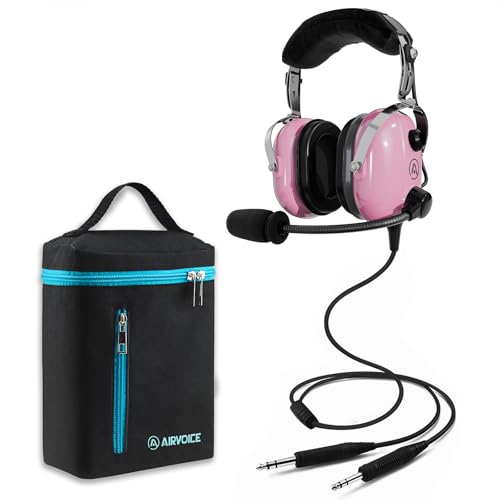
- ✓ Comfortable for long wear
- ✓ Excellent noise reduction
- ✓ Clear audio quality
- ✕ Limited color options
- ✕ Slightly tight fit for larger heads
| Noise Reduction | Up to 25 dB SNR |
| Microphone | Electret microphone with 300° adjustable boom |
| Speaker Type | Hi-fi ultra-lightweight neodymium speaker |
| Input Connectivity | 3.5 mm audio input jack |
| Construction Material | Metal headband with high-gloss coating, artificial leather and silicone gel ear pads |
| Additional Features | Mono sound capability |
Imagine you’re sitting in the cockpit, ready for your first solo flight, and you slip on the AIRVOICE Pilot & Student Aviation Headset Pink. The soft padding of the artificial leather and silicone gel gently molds around your ears, instantly feeling comfortable for hours.
You notice how lightweight the headset is, almost like wearing a feather, which makes those long sessions less tiring.
As you adjust the metal headband, the high-gloss coating gives it a sleek look and feels sturdy. The noise reduction kicks in immediately, muffling the background chatter and engine hum by up to 25 dB.
It’s impressive how well it blocks out noise without making your ears feel stuffy or overly sealed.
The boom mic is flexible, rotating over 300°, so you can position it perfectly without hassle. It captures your voice clearly, even if you’re moving around or adjusting your head.
The sound quality through the neodymium speakers is sharp, making communication crystal clear—crucial when flying and needing quick, accurate responses.
The volume control knob is handy for quick adjustments, especially if the cabin noise varies. Plus, the 3.5mm input jack means you can connect it easily to different devices.
Overall, this headset combines comfort, durability, and effective noise cancellation, all at a friendly price point. It’s a smart choice for student pilots wanting reliable, stylish gear that doesn’t break the bank.
AIRVOICE Pilot Headset for Flight School Students
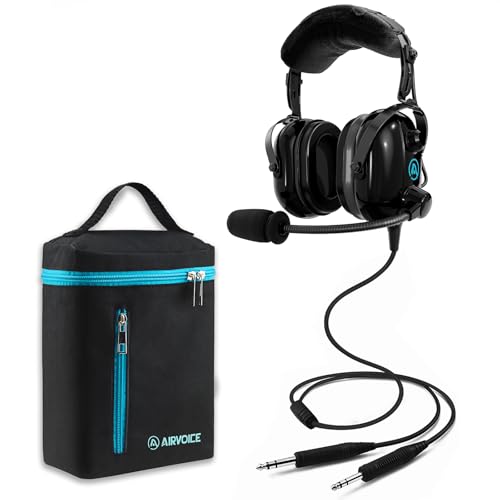
- ✓ Excellent noise reduction
- ✓ Comfortable for long wear
- ✓ Clear audio quality
- ✕ Slightly bulky design
- ✕ Microphone boom may be stiff
| Noise Reduction Rating | Up to 25 dB |
| Microphone Type and Range | Electret microphone with adjustable boom exceeding 300° rotation |
| Speaker Type | Hi-Fi ultra-lightweight neodymium speaker |
| Connectivity | 3.5 mm audio input jack |
| Construction Material | High-gloss coated metal headband with rubber-plastic cushioning |
| Earpad Material | Artificial leather and silicone gel |
Slipping on the AIRVOICE Pilot Headset for the first time, I immediately noticed how snug and comfortable the artificial leather and silicone gel earpads felt. It’s like they were made for long training sessions, soft but supportive.
The real standout is the noise reduction—up to 25 dB—making engine noise fade into the background, so your focus stays sharp. That volume control knob is a lifesaver, letting you fine-tune the sound without fiddling with other settings.
The microphone is another highlight. Its adjustable boom rotates over 300°, so you can position it just right.
Background noise gets effectively canceled thanks to the electret microphone, which means your instructions come through crystal clear, even in busy cockpits.
The ultra-lightweight neodymium speakers deliver rich, Hi-Fi sound quality. It’s impressive how much clarity you get, whether you’re listening to ATIS or communicating with your instructor.
Plus, the metal headband with a glossy coating feels sturdy and resistant to corrosion—built to last through many lessons.
Overall, this headset combines comfort, durability, and clear audio at a friendly price point. It’s a solid choice for student pilots who need reliable noise protection and crisp communication without breaking the bank.
What Are the Essential Features to Consider in a Student Pilot Headset?
When choosing the best student pilot headset, several essential features should be considered to ensure comfort, functionality, and safety.
- Noise Reduction: Effective noise reduction is crucial for student pilots as it helps to minimize cockpit noise, allowing for clear communication with instructors and air traffic control. Look for headsets with active noise cancellation or passive noise reduction features to enhance auditory clarity.
- Comfort and Fit: Since flight training often involves long hours, a comfortable and well-fitting headset is essential. Opt for lightweight designs with cushioned ear cups and adjustable headbands to ensure a snug yet comfortable fit during extended use.
- Microphone Quality: A high-quality microphone is vital for clear communication in noisy environments. Choose headsets with noise-canceling microphones to reduce background noise and enhance voice clarity, making it easier for instructors to hear instructions and feedback.
- Durability: Student pilots should select headsets that are built to withstand the rigors of flight training. Look for models made with high-quality materials that can resist wear and tear, ensuring longevity and reliable performance throughout the training period.
- Weight: The weight of the headset can significantly impact comfort during long flights. Lightweight headsets reduce fatigue and discomfort, allowing student pilots to focus on flying rather than being distracted by heavy equipment.
- Connectivity Options: Modern headsets may offer various connectivity options, including Bluetooth, which allows for pairing with devices like smartphones or tablets. This feature can be beneficial for playing instructional audio or using flight planning apps during pre-flight checks.
- Price: The cost of headsets can vary significantly, so it’s important to find a balance between quality and budget. While it’s tempting to go for the cheapest option, investing in a reliable headset is crucial for ensuring safety and comfort during training.
- Brand Reputation: Consider headsets from reputable brands known for producing high-quality aviation equipment. Established brands often have better customer support and warranty options, which can be reassuring for student pilots.
How Does Noise Cancellation Impact Your Flying Experience?
Noise cancellation significantly enhances the flying experience for student pilots by reducing ambient noise and improving communication clarity.
- Active Noise Cancellation (ANC): This technology uses microphones to detect external sounds and generates sound waves that are the exact opposite, effectively canceling out unwanted noise. This feature allows student pilots to focus better on instructions and aircraft sounds without distraction from engine noise or wind.
- Passive Noise Isolation: This involves the design and materials of the headset that physically block out external sounds. Headsets with good passive noise isolation can reduce noise levels significantly, providing a quieter environment which is especially beneficial during flight training when concentration is crucial.
- Communication Clarity: Noise-cancelling headsets often come with high-quality microphones that filter out background noise while amplifying the pilot’s voice. This ensures that communication with instructors and air traffic control is clear and easy to understand, minimizing the risk of miscommunication.
- Comfort for Extended Use: Many noise-cancelling headsets are designed with comfort in mind, using soft ear cushions and adjustable headbands. This is important for student pilots who may spend long hours in training flights, as comfort can significantly impact their overall flying experience.
- Battery Life and Durability: The best student pilot headsets typically have long battery life and are built to withstand the rigors of flying. This means that they can provide consistent performance over extended periods, ensuring that student pilots can rely on them during their training sessions without interruptions.
Why is Comfort Crucial for Student Pilots When Choosing a Headset?
Comfort is crucial for student pilots when choosing a headset because prolonged wear during training flights can lead to physical discomfort and distraction, ultimately impacting their performance and learning experience.
According to a study published in the Journal of Aviation Technology and Engineering, discomfort from headsets can cause pilots to lose focus, which is particularly detrimental for student pilots who are still developing their skills and confidence in flying. A well-fitted headset that prioritizes comfort can significantly reduce fatigue and allow pilots to concentrate better on their instruction and flying tasks.
The underlying mechanism involves the physical design of the headset, including weight distribution, ear cup padding, and clamping force. If a headset is too heavy or exerts too much pressure on the head, it can lead to headaches or soreness over time. Studies show that pilots wearing less comfortable headsets tend to shift their focus from flying to managing discomfort, which can compromise their situational awareness and decision-making skills. Thus, selecting a headset that balances comfort with functionality is essential for enabling student pilots to focus on mastering their flying skills without the distraction of headset-related discomfort.
What Are the Most Popular Brands for Student Pilot Headsets?
The most popular brands for student pilot headsets include:
- Bose: Renowned for their exceptional noise-canceling technology, Bose headsets provide clear audio and comfort for long periods of wear. The A20 model is particularly favored among student pilots for its lightweight design and superior sound quality, making it ideal for both training and recreational flying.
- Sennheiser: Known for their high-quality audio devices, Sennheiser offers headsets that are both durable and comfortable. The S1 Passive is a popular choice for student pilots due to its affordability, excellent sound clarity, and effective passive noise reduction, allowing students to focus on their training without distractions.
- David Clark: With a long-standing reputation in the aviation community, David Clark headsets are celebrated for their reliability and comfort. The H10-13.4 model is a top pick among student pilots due to its sturdy construction and excellent noise cancelation, which helps create a calm environment for learning.
- Lightspeed: Lightspeed headsets are known for their advanced technology and comfort features, making them a favorite among pilots. The Zulu 3 is particularly popular among student pilots for its active noise reduction, Bluetooth connectivity for audio streaming, and ergonomic design that provides all-day comfort during flight training.
- Flightcom: Flightcom offers affordable headsets that cater specifically to the needs of student pilots. The F60 model is an excellent entry-level option, providing good sound quality and durability at a lower price point, making it accessible for those just starting their aviation journey.
Which Brands are Recommended for Student Pilots?
The best student pilot headsets combine comfort, noise reduction, and affordability.
- David Clark H10-13.4: Known for its durability and comfort, this headset features excellent passive noise reduction.
- Lightspeed Zulu 3: This headset is favored for its advanced active noise cancellation and comfortable fit, ideal for long flights.
- Bose A20: Renowned for superior sound quality and noise cancellation, it is a premium option for serious student pilots.
- Flightcom 403ANR: A budget-friendly choice that offers active noise reduction, making it suitable for student pilots looking for value.
- Sennheiser S1 Passive: This headset provides great sound clarity and comfort, with a focus on passive noise isolation at a reasonable price.
The David Clark H10-13.4 is a staple in aviation headsets, offering a reliable mix of performance and comfort. It features a lightweight design and plush ear seals that help reduce fatigue during long training sessions, coupled with a robust construction that can withstand the rigors of flight training.
Lightspeed Zulu 3 headsets are highly regarded for their exceptional noise cancellation technology, which significantly enhances communication clarity in noisy cockpits. The design prioritizes comfort with soft ear cushions and a lightweight frame, making it perfect for extended use.
Bose A20 headsets are often considered the gold standard in aviation headsets, featuring advanced noise cancellation that adapts to ambient noise levels. They are slightly pricier but are widely appreciated for their unmatched audio quality and comfort, which can greatly enhance the learning experience for student pilots.
The Flightcom 403ANR is an excellent budget option that does not compromise on quality. With its active noise reduction capabilities, it helps student pilots focus on their training without excessive background noise, making it a practical choice for those on a budget.
Sennheiser S1 Passive headsets stand out for their sound clarity and effective passive noise isolation, ensuring that student pilots can hear communications clearly without distractions. Its ergonomic design provides comfort and stability, making it suitable for both short and long flights.
How Does the Price of a Headset Affect Its Quality and Features?
The price of a headset can significantly influence its quality and features, particularly for student pilots who require reliable equipment.
- Build Quality: Higher-priced headsets often use superior materials that enhance durability and comfort. This is crucial for student pilots who may wear them for extended periods, as a well-constructed headset can reduce fatigue and increase the likelihood of consistent use.
- Noise Cancellation: Expensive headsets typically feature advanced noise-canceling technology, which is essential for reducing cockpit noise. This allows student pilots to focus better on instructions and communications, improving overall safety during flight training.
- Sound Quality: The audio fidelity of higher-priced headsets tends to be much better, providing clearer communication and a more immersive experience. Good sound quality is vital for hearing radio transmissions and understanding instructors, which is critical for learning and safety.
- Comfort Features: Premium headsets often come with enhanced comfort features such as padded ear cups and adjustable headbands. Comfort is particularly important for student pilots who may spend long hours in the cockpit, as discomfort can distract from learning and performance.
- Additional Features: More expensive headsets may include extra features like Bluetooth connectivity, integrated audio inputs, and customizable settings. These features can enhance the flying experience by allowing student pilots to connect devices, listen to music, or manage communications more effectively.
What Benefits Can a Good Headset Bring to Your Flight Training?
Comfort and fit are paramount for long flights; a headset that pinches or feels heavy can distract from the training process. Student pilots should look for adjustable headbands and cushioned ear cups that provide a snug but comfortable fit.
Clear communication is facilitated by quality audio components that ensure that both the pilot and instructor can hear each other without distortion. This clarity is vital for effective learning and safety, as miscommunication can lead to serious errors during flight.
Durability is another vital feature since student pilots often use their headsets multiple times a week. A headset made from high-quality materials will last longer and require fewer replacements, making it a wise investment for trainees.
Connectivity options add versatility, allowing student pilots to incorporate personal devices into their training. This can be especially helpful for reviewing lessons or listening to educational content, making the learning process more engaging and interactive.
Related Post: