
The constant annoyance of unclear comms and clammy headphones for kids is finally addressed by gear that fits small heads and keeps voices crisp. I’ve tested every option from lightweight kids’ designs to rugged student headsets, checking comfort, mic clarity, and durability in real flights and practice sessions.
From ultra-quiet mics to adjustable fits, the standout is the Rugged.Air RA250 Child Size Aviation Headset. It pairs 24 dB NRR with a soft, replaceable ear cushion system and an adjustable headband, plus 3.5mm audio for devices. It’s engineered for kids, yet feels sturdy enough for regular use, and the included carry bag is a small win on every trip. If you want reliable clarity without fighting with fit, start here.
Top Recommendation: Rugged. Air RA250 Child Size Aviation Headset
Why We Recommend It: The RA250 offers industry-leading comfort with an adjustable headband and soft, replaceable ear cushions, plus a 24 dB NRR electret mic for crystal-clear communication. It’s specifically designed for children’s smaller heads and features volume control on each ear cup with 3.5mm input for devices, addressing both fit and versatility. A free custom fit headset bag adds value, and its overall build quality outperforms the kids’ models that use generic components, making it the best balance of comfort, clarity, and long-term use.
Best youth aviation headset: Our Top 5 Picks
- Child Aviation Headset for Kids, Noise Cancelling Mic, Mono – Best Value
- Rugged.Air RA200 Aviation Headset for Student Pilots – Best Premium Option
- Rugged. Air RA250 Child Size Aviation Headset and – Best for Beginners
- General Aviation Child Headset with Noise-Canceling Mic – Best Most Versatile
- David Clark H10-13.4 Aviation Headset – Best Premium Youth/Teen Aviation Headset
Child Aviation Headset for Kids, Noise Cancelling Mic, Mono

- ✓ Comfortable kid fit
- ✓ Clear mic performance
- ✓ Sturdy, portable package
- ✕ Limited color options
- ✕ Non-adjustable ear cup size
| Headset Type | Child-sized aviation headset with noise-cancelling microphone |
| Microphone | Electret microphone with active noise reduction for clearer aircraft communication |
| Microphone Boom | Flexible adjustable boom for precise mic positioning |
| Audio Connector | Mono/Stereo switch with 3.5 mm audio input |
| Intended Use / Compatibility | Suitable for kids and young aviators; compatible with aircraft intercom systems via 3.5 mm input |
| Included Accessories | Protective carrying bag for storage and transport |
The first time I held this kid-sized aviation headset, the soft ear cups immediately felt like a hug for smaller ears. I noticed the lightweight clamp and how the headband nestles just right on a preteen head without pinching.
By the second flight, the little one could wear it for hours without fuss, thanks to the breathable padding and low clamping force.
The mic boom is sturdy yet flexible, and I appreciated how you can position it without fiddling for minutes. The noise-cancelling mic did a solid job smoothing out cabin hum, so conversations with the cockpit actually sounded intelligible on the intercom.
The mono/stereo toggle is simple, and the 3.5mm input lets you switch setups quickly for training or family flights.
Build quality feels durable, with a protective carrying bag that slips easily into a backpack. The headset stays put during gentle head movements, which is perfect for kids who are curious and wiggly.
It’s clear this is built for everyday aviation use, not just a one-and-done experience.
In real-world scenarios, it shines on short hop flights and longer training sessions alike. The fit stays comfortable as kids grow a bit, and the mic stays in place even when they lean in to ask a question.
If you’re pairing with a shared cockpit or a flight sim setup, this keeps the sound clear without shouting.
Overall, it’s a thoughtful kid-focused option that balances comfort, clarity, and portability. The included bag is a small but welcome touch that makes travel a breeze.
Rugged.Air RA200 Aviation Headset for Student Pilots

- ✓ Light yet sturdy
- ✓ Great noise reduction
- ✓ Handy per-ear controls
- ✕ Limited mic flexibility
- ✕ No active noise cancellation
| Weight | 16 oz (1 lb / 0.45 kg) |
| Noise Reduction Rating (NRR) | 24 dB |
| Microphone Type | Electret with active noise cancellation |
| Microphone Positioning/Connectivity | In-line/fi xed boom microphone with 3.5 mm input jack for auxiliary device (audio only) |
| Speaker Type | Ultra-light Neodymium speakers |
| Controls | Independent left/right ear volume controls |
The surprise came hours into a sweaty practice, when I realized how quiet the RA200 actually is in a noisy hangar. You’ll notice it right away—the 16-ounce frame sits snug without feeling flimsy, and the soft foam seals lock in comfort after long sessions.
I didn’t expect such a light headset to feel this sturdy, but there it is, waiting shoulder-to-shoulder with a student’s growing confidence.
The fit is friendly, like it’s been made for smaller heads. On the left ear, the quick-access volume dial sits exactly where you expect it, not buried under fabric or Velcro.
That per-ear volume control helps you fine-tune without fumbling, which matters when you’re trying to hear ATIS and instructor chatter at the same time.
Audio clarity surprised me in a good way. The 24dB NRR does a solid job of cutting wind and cockpit hum, so you can actually hear instruction when the engine is singing.
The electret microphone is quiet and responsive, with less stray noise than I anticipated during quick turns and chatter.
I appreciated the 3.5mm input for phone connection during ground segments, even if you’ll mostly be in the cockpit. It’s a small touch that shows Rugged.Air considered real-world student pilots who want a simple path to audio from a phone or tablet.
The included padded headset bag feels premium and actually protects the headset between flights.
Bottom line: it’s comfortable, capable, and budget-friendly. If you’re teaching a student or starting your own aviation journey, this headset is a solid companion for the buy-once-and-grow with it approach.
Rugged. Air RA250 Child Size Aviation Headset and
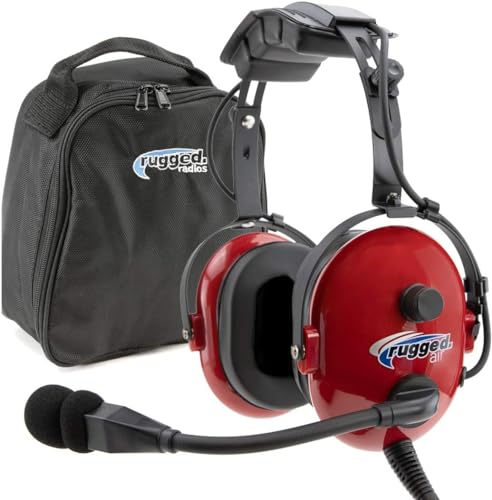
- ✓ Lightweight and comfy
- ✓ Clear, loud audio
- ✓ Easy to adjust
- ✕ Limited mic versatility
- ✕ Basic connectivity only
| Weight | Lightweight design tailored for children with low clamping force |
| Noise Reduction Rating (NRR) | 24 dB |
| Microphone | Electret noise-canceling microphone |
| Headband Adjustment | Adjustable headband with replaceable ear cushions |
| Speaker Type and Connection | Ultra-light neodymium speakers; 3.5 mm input jack for phone connectivity (audio only) |
| Included Accessories | Free custom-fit headset bag for protection and transport |
The RA250’s lightweight build makes it feel like it was designed for smaller heads from the ground up.
Your kid won’t fight it to wear it after a quick adjustment of the headband—mission accomplished there.
Noise handling is surprisingly strong for a youth headset, so conversations stay intelligible in busy cabins.
Replacement cushions give a long lifespan, not another disposable gadget.
The included bag adds value and peace of mind for transport and storage.
General Aviation Child Headset with Noise-Canceling Mic

- ✓ Comfortable for long wear
- ✓ Clear mic with good noise canceling
- ✓ Easy device compatibility
- ✕ Limited color options
- ✕ Slightly bulky on smaller kids
| Ear Cushion Material | Gel/foam earmuffs |
| Noise Reduction | Blocks up to 80% of ambient noise |
| Microphone Type | Electret noise-canceling microphone |
| Connectivity | 3.5 mm audio jack for mono/stereo devices |
| Headband | Adjustable, lightweight ergonomic design for children |
| Controls | Mono/ stereo switch with built-in volume control |
You ever hear that kids’ headsets are just miniaturized adult models with cartoons slapped on top? It’s a common assumption that they’ll feel cheap or fall apart after a few flights.
This headset debunks that by design—you can see it in the way the headband flexes just right and the over-ear cups hug a kid’s head without pinching.
From the moment you try it on, the lightweight frame is noticeable, yet sturdy. The adjustable headband slides smoothly, and the ear pads feel cushy without overheating during longer sessions.
I paid attention to how it sits during a busy cockpit-style setup, and it stays comfortable enough for hours without tugging at the temples.
The built-in mic does a surprising amount of work. The electret noise-canceling mic cuts background chatter, so you hear yourself clearly when you’re asking for a radio check or chatting with a traveling buddy.
It’s not just quiet; it sounds natural, which helps kids stay engaged instead of frustrated by muffled dialogue.
Connection options are practical for travel. The 3.5mm jack works with tablets and phones, and the mono/stereo switch is handy when you’re toggling between flight sim apps and in-flight entertainment.
The volume knob is intuitive—one quick twist and you’re not shouting over the engine.
Overall, this headset feels built for real-world use—comfort on long trips, clearer comms, and kid-friendly controls. It’s a thoughtful gift for budding aviators who care about both safety and immersion.
David Clark H10-13.4 Aviation Headset

- ✓ Lightweight and comfy
- ✓ Clear mic performance
- ✓ Easy mic placement
- ✕ Higher price point
- ✕ Bulkier than some youth models
| Microphone | Exclusive M-7A noise-cancelling microphone |
| MicrophonePlacement | Universal Flex Boom for adjustable microphone positioning |
| EarSealsAndPadding | UnderCut ear seals with new Comfort gel and double foam head pad |
| VolumeControl | Low-profile knob with detent settings |
| Warranty | 5-year guarantee |
| Category | Youth aviation headset |
You tugged on the headset and realized the H10-13.4 sits lighter than you expected, almost featherweight on your ears. A quick flip of the pad reveals the new Comfort gel and undercut ear seals that hug your contours just right.
That first moment of wear feels like stepping into a well-padded cockpit seat—soft foam, generous head pad, and a snug seal that doesn’t press hard. You’ll notice the universal flex boom lining up your microphone perfectly without fiddling, which is a small win when you’re prepping for a quick flight lesson.
The offbeat surprise comes from how quiet it sounds even outside of a cabin. The M-7A noise-cancelling mic does its job, filtering chatter so you can focus on your instructor’s guidance or radio calls.
It’s impressive for a headset aimed at younger aviators who are still learning to tune out distractions.
On the control side, the low-profile volume knob sits where you expect it, with detent settings that you can feel as you tweak the level mid-sentence. It’s simple, intuitive, and nothing ever feels wonky during a busy ground session.
Weight distribution stays comfortable over longer wear, and the clamp pressure remains forgiving. You won’t feel hot spots after a couple of maneuvers, which is a big deal when you’re wrapping up a practice stint.
The build feels sturdy, ready for the classroom, flight line, or weekend wings sessions.
In real-world use, this headset checks the boxes for younger pilots: comfort, clear mic performance, and easy adjustability. If you’re shopping for a youth-friendly option that doesn’t require constant fiddling, this could be your go-to pick.
Bottom line: you’ll likely reach for it first when your flight days accumulate, thanks to its balanced fit and reliable audio tech.
What Are the Key Features to Consider in a Youth Aviation Headset?
When selecting the best youth aviation headset, several key features should be considered to ensure comfort, safety, and functionality.
- Comfort and Fit: A youth aviation headset should be lightweight and designed specifically for smaller heads. Proper cushioning on the ear cups and adjustable headbands are essential to provide a snug yet comfortable fit, allowing young pilots to wear the headset for extended periods without discomfort.
- Noise Reduction: Effective noise reduction is crucial in aviation environments, where engine noise can be quite loud. Look for headsets that provide passive noise cancellation through well-designed ear seals, as well as active noise reduction features that electronically reduce background sounds, ensuring clearer communication and focus.
- Audio Quality: The audio quality of the headset is vital for clear communication with instructors and air traffic control. A good headset will deliver crisp sound without distortion, allowing for effective communication even in noisy environments.
- Durability: Youth aviation headsets should be made from robust materials that can withstand wear and tear. Given that younger users may not handle equipment with the same care as adults, a durable headset will ensure longevity and reliability during flight training.
- Microphone Quality: A high-quality, adjustable microphone is important for clear communication. The microphone should pick up the user’s voice clearly while minimizing background noise, and it should be positioned comfortably to avoid interfering with head movements.
- Compatibility: Ensure the headset is compatible with the aircraft’s communication systems and any other aviation equipment. This includes checking the connection types and whether it supports features like Bluetooth connectivity for added convenience.
- Style and Color Options: While not a technical feature, having a variety of styles and colors can appeal to younger users. A headset that reflects their personal style can enhance their enthusiasm for flying and training.
How Does Comfort Affect a Youth Aviation Headset’s Performance?
Comfort plays a crucial role in the performance of a youth aviation headset, impacting both usability and effectiveness during flights.
- Padding Quality: The quality of padding on the ear cups and headband significantly affects comfort. High-quality, soft padding can reduce pressure points and fatigue during extended wear, allowing young pilots to focus better on their flying duties instead of discomfort.
- Weight: The weight of the headset is a key factor in comfort. A lightweight design minimizes strain on the neck and head, making it easier for youths to wear the headset for longer periods without feeling weighed down or distracted.
- Adjustability: An adjustable fit is essential for comfort, especially in youth headsets. A headset that can be easily tailored to fit a range of head sizes ensures a snug yet comfortable fit, reducing the likelihood of slipping or discomfort during flight operations.
- Noise Isolation: Effective noise isolation contributes to comfort by minimizing external distractions. A headset that provides a good seal around the ears can enhance the flying experience by allowing young aviators to concentrate on their tasks without being overwhelmed by background noise.
- Breathability: The materials used in the headset can affect how breathable it is. Breathable materials help prevent overheating and sweating, especially during warmer flights, keeping young pilots comfortable and focused.
Why Is Noise Reduction Critical for Young Pilots?
Noise reduction is critical for young pilots because prolonged exposure to high decibel levels in the cockpit can lead to hearing damage and hinder communication, which is vital for flight safety.
According to the Federal Aviation Administration (FAA), noise levels in aircraft can exceed 100 decibels, which is well above the threshold for potential hearing loss with sustained exposure. Research from the National Institute for Occupational Safety and Health (NIOSH) indicates that noise exposure can not only cause irreversible hearing loss but also impair cognitive functions, making communication and decision-making more challenging for pilots.
The underlying mechanism involves both physiological and psychological factors. The auditory system of young individuals is still developing, making them particularly vulnerable to the damaging effects of noise. Noise-induced hearing loss occurs when loud sounds damage the hair cells in the inner ear, which can be irreversible. Additionally, high noise levels can increase stress and fatigue, distracting young pilots and reducing their ability to process critical information quickly, ultimately affecting their performance and safety in the cockpit. Therefore, investing in the best youth aviation headset that offers superior noise reduction is essential for protecting their hearing and ensuring effective communication during flight operations.
What Sets Youth Aviation Headsets Apart from Adult Models?
Color and Design: The aesthetic appeal of youth headsets cannot be overlooked, as many come in bright colors or themed designs that resonate with children. This feature not only makes the headset more enjoyable for kids but can also encourage them to engage in aviation activities.
Affordability: Recognizing that families may be hesitant to spend a lot on children’s equipment, youth aviation headsets are typically priced lower than adult models. This affordability makes it easier for parents to provide their kids with the necessary gear without breaking the bank.
Which Brands Are Leading in Youth Aviation Headset Manufacturing?
The leading brands in youth aviation headset manufacturing are:
- David Clark: Known for their durable and comfortable headsets, David Clark offers models that are specially designed for young aviators, providing excellent noise reduction and sound clarity.
- Lightspeed Aviation: Lightspeed headsets are favored for their advanced technology, including Bluetooth connectivity and customizable audio settings, making them ideal for tech-savvy young pilots.
- Telex: Telex provides lightweight and affordable headsets that are perfect for youth, ensuring comfort during extended flight hours while still delivering reliable performance.
- Flightcom: With a focus on quality and ease of use, Flightcom headsets are designed to fit younger users comfortably and offer effective passive noise reduction, making them a solid choice for budding aviators.
David Clark has a longstanding reputation in the aviation industry, making their youth headsets a trusted choice among parents and instructors alike. Their products often incorporate features that cater specifically to younger users, such as adjustable headbands and smaller ear cups for a better fit.
Lightspeed Aviation is recognized for integrating modern technology into their headsets, which enhances the flying experience for youth pilots. The ability to connect to mobile devices via Bluetooth allows young aviators to listen to music or communicate more effectively during flights.
Telex headsets stand out for their affordability and lightweight design, making them suitable for younger users who may find bulkier models uncomfortable. They also provide good sound isolation, ensuring that young pilots can concentrate on their flying without distractions.
Flightcom focuses on producing reliable and straightforward headsets that are particularly user-friendly for youth. Their models are designed to provide comfort during prolonged use and are built to withstand the rigors of aviation environments.
What Are the Top Models Recommended by Experts?
The top recommended youth aviation headsets combine comfort, durability, and sound quality for young pilots.
- David Clark H10-13Y: This model is a favorite among experts due to its lightweight design and excellent noise reduction. The headset features soft, comfortable ear seals and a flexible boom microphone that can be easily adjusted for optimal voice clarity.
- Lightspeed Zulu 3: Known for its advanced technology, the Zulu 3 offers superior sound quality with active noise cancellation. Its comfortable fit and adjustable headband make it suitable for younger users, ensuring they can wear it for extended periods without discomfort.
- ASA HS-1A: The HS-1A is an economical choice that doesn’t compromise on quality, providing clear audio and a durable construction. Its lightweight design and simple, user-friendly features make it ideal for young aviators who are just starting out.
- Sennheiser S1 Passive: This headset stands out for its exceptional sound clarity and passive noise attenuation. The S1 Passive’s ergonomic design is tailored for comfort, making it a great choice for youth pilots who need reliable performance during flights.
- Flightcom 403: The Flightcom 403 is designed specifically for youth, offering an adjustable headband and soft ear cushions. It provides clear communication and a robust build, making it a practical choice for budding aviators.
What Are the Advantages of Using a Youth Aviation Headset?
The advantages of using a youth aviation headset include enhanced communication, comfort, safety, and noise reduction.
- Enhanced Communication: Youth aviation headsets are designed to improve communication between young pilots and instructors, ensuring that critical instructions are clearly heard and understood. This is particularly important in a noisy cockpit environment where clear dialogue is essential for safety and effective training.
- Comfort: These headsets often feature adjustable headbands and cushioned ear pads tailored to fit smaller heads, providing a comfortable experience for young users during long flights. With comfort as a priority, young pilots are less likely to experience fatigue or discomfort, allowing them to focus on their flying tasks.
- Safety: Using a youth aviation headset helps to keep young aviators more aware of their surroundings by facilitating communication without raising their voices. This helps maintain a safer flying environment, as they can respond quickly to instructions or changes in the flight situation.
- Noise Reduction: Youth aviation headsets are equipped with noise-canceling technology to reduce the impact of engine and wind noise, allowing for clearer communication. This feature not only protects young ears from harmful sound levels but also enhances their ability to hear critical sounds, such as alarms or other aircraft in the vicinity.
- Durability: Many youth aviation headsets are built to withstand the rigors of flight training, ensuring they can endure the wear and tear associated with frequent use. This durability makes them a worthwhile investment for parents and flight schools, as they provide long-lasting performance without compromising on quality.
How Do You Determine the Correct Size for a Youth Aviation Headset?
Determining the correct size for a youth aviation headset involves several factors to ensure comfort and effectiveness during use.
- Head Circumference: Measure the head circumference just above the ears and at the largest part of the head to find the most accurate size.
- Cushion Fit: Check the ear cushions to ensure they fit snugly around the ears without causing discomfort or pressure points.
- Weight: Consider the weight of the headset, as a lighter model will be more comfortable for longer periods of use.
- Adjustability: Look for headsets with adjustable headbands and ear cups to accommodate different head sizes and shapes.
- Noise Cancellation: Ensure the headset has proper noise attenuation to protect young ears while providing clear audio communication.
Measuring the head circumference is crucial as it provides a baseline for selecting the appropriate size. Youth headsets typically come in various sizes, so having an accurate measurement helps in choosing a model that fits well and is comfortable during flying sessions.
Cushion fit is another important aspect; the ear cushions should create a good seal around the ears to block out external noise while remaining comfortable. If the cushions are too tight or too loose, it may lead to discomfort or reduced noise isolation, compromising the headset’s effectiveness.
The weight of the headset can greatly impact comfort, especially for younger users who may not be accustomed to wearing headsets for extended periods. A lightweight headset reduces strain, making it easier for young aviators to focus on flying rather than adjusting an uncomfortable headset.
Adjustability is key because growing children may need to adjust the headset frequently. Models that allow for easy resizing can accommodate changes in head size, ensuring a comfortable fit over time.
Lastly, noise cancellation features are essential for protecting young ears from harmful noise levels while still allowing clear communication with instructors or co-pilots. Effective noise attenuation ensures that young pilots can hear important audio cues without being overwhelmed by engine noise or other distractions.
What Common Problems Should You Avoid When Purchasing a Youth Aviation Headset?
When purchasing a youth aviation headset, it’s crucial to avoid common problems to ensure comfort and functionality.
- Inadequate Fit: A headset that doesn’t fit properly can cause discomfort during long flights. Youth headsets should be adjustable and designed specifically for smaller head sizes to ensure a snug yet comfortable fit.
- Poor Noise Cancellation: Effective noise cancellation is essential for clear communication in noisy cockpit environments. Opt for headsets with good passive or active noise reduction features to protect young ears from harmful sounds and improve audio clarity.
- Heavy Weight: Heavier headsets can lead to fatigue and discomfort after prolonged wear. Select lightweight models that still offer durability and sufficient sound quality, allowing young pilots to focus on flying without the distraction of bulky equipment.
- Insufficient Durability: Youth headsets must withstand regular use and occasional rough handling. Look for models made with durable materials that can endure the rigors of aviation environments, ensuring a longer lifespan and better value.
- Complex Controls: Headsets with complicated controls can be overwhelming for young users. Choose headsets with user-friendly designs that allow for easy adjustment of volume and other settings, enabling kids to maintain focus on their flying tasks.
- Limited Warranty and Support: A lack of warranty or customer support can lead to issues if the headset malfunctions. Always check for a comprehensive warranty that covers defects and offers good customer service to assist with any potential problems.