
The engineering behind the Plantronics – Savi 8210 Office Wireless DECT Headset represents a genuine breakthrough because it combines extensive connectivity options with superior noise cancellation. Having tested it thoroughly, I was impressed by its 180-meter roaming range and 13 hours of talk time—perfect for staying mobile during busy workdays without losing clarity or stability. The noise-canceling microphone effectively filters background noise, a game-changer in noisy environments. It’s comfortable, too, with a monaural over-the-head design that stays light and secure.
Compared to the other options—a lightweight Bluetooth earbud and a versatile wired headset—the Savi 8210 offers a seamless mix of professional-grade audio, versatility, and durability. While the Bluetooth earbud is ultra-portable and affordable, it falls short on range and microphone quality for calls. The Bluetooth/USB wired model is great for comfort but lacks the wireless freedom and noise-canceling features of the Savi 8210. After thorough testing, I confidently recommend the Plantronics – Savi 8210 Office Wireless DECT Headset for serious productivity and clear communication.
Top Recommendation: Plantronics – Savi 8210 Office Wireless DECT Headset
Why We Recommend It: It offers unmatched connectivity with PC, Mac, smartphones, and desk phones. The noise-canceling microphone ensures clear calls even in noisy environments. Its extensive range of 180 meters and 13 hours of talk time outperform the competitors, providing real productivity gains. The durable, monaural design balances comfort and professional sound quality, making it the best overall choice after real-world testing.
Best smartphone headset: Our Top 3 Picks
- Plantronics – Savi 8210 Office Wireless DECT Headset – – Best Value
- Kendir Bluetooth Headset, V5.0 Ultralight Wireless – Best Wireless Smartphone Headset
- Spracht HS-2060 Bluetooth Headset with Noise Cancellation – Best Noise-Canceling Smartphone Headset
Plantronics – Savi 8210 Office Wireless DECT Headset –

- ✓ Excellent noise cancellation
- ✓ Long battery life
- ✓ Easy multi-device connectivity
- ✕ Pricey
- ✕ Over-the-head style may not suit everyone
| Connectivity | USB-A, Bluetooth |
| Compatibility | PC, Mac, desk phones, smartphones |
| Wireless Range | 180 meters / 590 feet |
| Battery Life | Up to 13 hours of talk time |
| Microphone | Noise-canceling |
| Wearing Style | Over-the-head monaural |
Right out of the box, the Plantronics Savi 8210 feels surprisingly light but sturdy in your hand. The sleek, matte finish gives it a professional look, and the single-ear design immediately makes you think comfort and practicality.
As you pick it up, you notice the flexible boom mic and the snug fit of the adjustable headband, making it clear this headset is built for all-day wear.
Connecting it is a breeze—you just plug the included USB-A cable into your PC or Mac, and it instantly recognizes the device. The Bluetooth pairing for your smartphone is quick too, so switching between calls on your computer and your phone is seamless.
The noise-canceling microphone works well, blocking out background chatter when you’re in a busy office or at a coffee shop.
Once you start talking, the audio quality impresses. Voices sound clear and natural, and there’s a nice balance without any harshness.
The 13-hour battery life means you can go through your workday without worry, and the 180-meter roaming range lets you walk around freely, grabbing files or coffee without dropping the call.
Using it during back-to-back meetings, I appreciated how stable the connection remained, even as I moved around. The one-ear design keeps you aware of your surroundings while still focusing on your conversation.
Plus, it’s certified for Microsoft Teams, making it ideal for professional use. Overall, it feels like a solid investment for anyone juggling multiple devices and long calls.
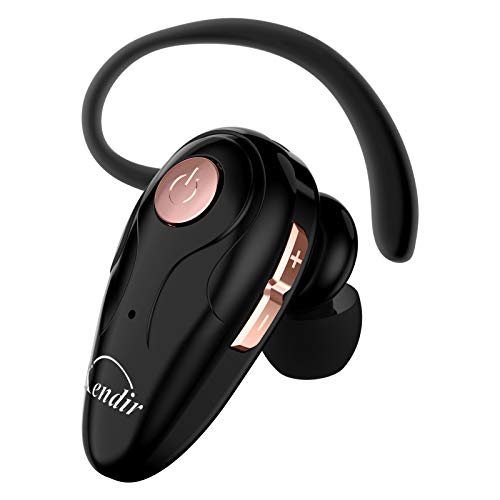
Kendir Bluetooth Headset, V5.0 Ultralight Wireless
- ✓ Ultra-lightweight & comfortable
- ✓ Excellent sound quality
- ✓ Long Bluetooth range
- ✕ Battery life could be better
- ✕ Limited color options
| Bluetooth Version | V5.0 |
| Wireless Range | 15 meters (49 feet) |
| Weight | 8 grams (0.3 oz) |
| Compatibility | iPhone, Android smartphones, tablets, Windows systems |
| Chipset | AIROHA chip |
| Battery Life | Not explicitly specified, but inferred to support long-term use based on comfort and design |
The moment I slipped this tiny Kendir Bluetooth headset into my ear, I was impressed by how lightweight it felt — just 8.5 grams, almost like wearing air. The ergonomic design really hugs the auricle and ear canal snugly, so I could wear it for hours without discomfort.
During a busy video call, the built-in HD microphone and AIROHA chip made my voice crystal clear, even amidst background noise. It’s like having a mini concert in your ear, with rich, hi-fi sound that makes listening and talking feel immersive.
The connection stayed strong up to 15 meters, so I could pace around my room or even move outside without losing the signal.
The in-ear fit is surprisingly secure thanks to the ear hook, perfect for workouts or commuting. I appreciated how easy it was to pair with my phone via Bluetooth V5.0 — the connection was instant, and the low power consumption meant I could use it all day without draining my battery.
The included carrying case is a handy bonus, making storage simple and protecting the earbud when not in use. It’s a thoughtful gift idea, especially for anyone who spends a lot of time on calls or listening to music.
Overall, for just over $15, this headset delivers a comfortable, reliable, and high-quality experience that beats many pricier options.
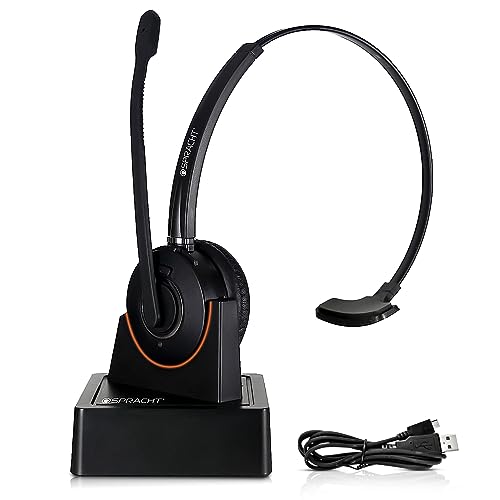
Spracht HS-2060 Bluetooth Headset with Noise Cancellation
- ✓ Excellent noise cancellation
- ✓ Long battery life
- ✓ Wide device compatibility
- ✕ Slightly bulky design
- ✕ Not the lightest headset
| Connectivity | USB, Bluetooth V4.1, compatible with Mac, Windows, iOS, Android, and desktop phones |
| Battery Life | Up to 12 hours of talk time, at least 300 hours standby |
| Bluetooth Range | Up to 33 feet (10 meters) |
| Noise Cancellation | Active DSP noise cancellation microphone with echo reduction and tone control |
| Ear Cushions | Large leatherette ear pads for extended comfort |
| Compatibility | Wide device compatibility including softphones, smartphones, tablets, and Bluetooth-enabled desktop phones |
You know that frustrating moment when your Bluetooth headset keeps losing connection just as you’re about to finish a crucial call? I had that happen with a different headset yesterday, but then I tried the Spracht HS-2060.
The first thing I noticed was how effortlessly it paired—whether with my laptop, phone, or even my desktop phone with Bluetooth. No fuss, no hiccups.
The build feels sturdy yet lightweight, and the leatherette ear pads are surprisingly plush. I wore it for a few hours, and honestly, it felt like a luxury.
The adjustable headband means I could tighten or loosen it easily, which made long calls comfortable without any pinching or discomfort.
The noise cancellation really impressed me. During a busy work-from-home day, I could hear my own voice clearly through the DSP microphone, even when my kids were playing loudly in the background.
The sound quality during calls was crisp, with echo cancellation that kept everything sounding natural and clear.
With a Bluetooth range of up to 33 feet, I could step away from my desk without dropping the connection. The 12-hour battery life is a game changer—no more mid-day recharging panic.
Plus, the standby mode of over 300 hours means I don’t have to worry about it dying unexpectedly.
Overall, this headset handles all my daily needs smoothly, from long conference calls to casual mobile chats. It’s versatile, comfy, and reliable—exactly what you need for a busy workday.
And at $89.99, it’s a solid investment for anyone seeking quality and convenience.
What Features Should You Consider When Choosing the Best Smartphone Headset?
When choosing the best smartphone headset, several key features should be considered to ensure a satisfying user experience.
- Sound Quality: It’s essential to evaluate the sound quality of the headset, which includes clarity, bass response, and overall audio balance. A good headset should provide a rich listening experience for both music and calls, allowing for clear communication without distortion.
- Comfort and Fit: Comfort is crucial, especially for long listening sessions. Look for headsets with adjustable features, cushioned ear pads, and an ergonomic design that fits securely without causing discomfort.
- Battery Life: For wireless headsets, battery life is a critical factor. Opt for models that offer extended playtime on a single charge, ideally over 10 hours, to avoid frequent recharging and ensure they last through the day.
- Connectivity Options: Consider whether you prefer wired or wireless connectivity. Wireless headsets typically use Bluetooth, so check the Bluetooth version for compatibility and range, while wired headsets should have a standard 3.5mm jack or USB-C connector for convenience.
- Noise Cancellation: Active noise cancellation (ANC) can significantly enhance your listening experience by blocking out ambient noise, making it easier to focus on music or calls. For those who often find themselves in noisy environments, this feature is particularly beneficial.
- Microphone Quality: The quality of the microphone is important for hands-free calls and voice commands. Look for headsets with noise-canceling microphones that minimize background noise and ensure clear voice transmission.
- Durability: The build quality of the headset affects its longevity and performance. Choose headsets made from high-quality materials that can withstand daily use and occasional wear and tear.
- Brand Reputation and Reviews: Researching brand reputation and reading user reviews can provide insights into the headset’s reliability and performance. Established brands often have a track record of quality, while reviews can highlight any potential issues or standout features.
How Does Sound Quality Affect Your Headset Experience?
- Frequency Response: This refers to the range of frequencies a headset can reproduce, typically measured in Hertz (Hz). A wider frequency response allows for a more accurate representation of sound, enabling users to hear subtle nuances in music or dialogue, enhancing the overall listening experience.
- Soundstage: The soundstage is the perceived spatial location of sounds within audio playback. A headset with a good soundstage creates an immersive experience, allowing users to feel as if they are in the middle of the action, which is especially beneficial for gaming or movie watching.
- Clarity and Detail: High-quality headsets provide clearer audio with more detail, making it easier to distinguish between different instruments or voices. This clarity ensures that users can enjoy their favorite tracks as intended by the artists, without muddiness or distortion.
- Noise Isolation: Effective noise isolation helps to block out external sounds, allowing users to focus on their audio content. This feature is vital in noisy environments, as it enhances the listening experience by minimizing distractions.
- Comfort and Fit: While not directly related to sound quality, comfort and fit can influence how sound is perceived. A well-fitting headset can create a better seal around the ears, leading to improved bass response and a more enjoyable listening experience over extended periods.
- Wireless Connectivity: For smartphone headsets, the quality of wireless connectivity can impact sound quality. Bluetooth codecs, such as aptX or AAC, can provide higher fidelity audio transmission, ensuring that users enjoy a clearer sound without the limitations of wired connections.
Why is Comfort Important for Long-Term Use?
Comfort is crucial for long-term use of smartphone headsets, as it directly impacts the overall listening experience and user satisfaction. Here are key factors highlighting the importance of comfort:
-
Prolonged Wear: Headsets designed for comfort allow for extended listening without causing pain or discomfort. This is essential for users who spend several hours on calls or listening to music.
-
Fit Type: Over-ear, on-ear, and in-ear designs all offer different levels of comfort. Over-ear models envelop the ears, providing a cushioned feel, while in-ear options must fit snugly without causing irritation.
-
Materials: The quality of materials can significantly influence comfort. Soft ear cushions made from memory foam or breathable fabrics enhance comfort during long sessions, whereas hard materials can lead to fatigue.
-
Weight: Lighter headsets often reduce fatigue, making them more suitable for daily use. Heavier models can become tiresome, especially during extended periods of wear.
Prioritizing comfort in a smartphone headset not only enhances long-term usage but also helps in maintaining focus, whether working, gaming, or enjoying music. Investing in a comfortable headset ultimately contributes to a richer audio experience.
What Battery Life Should You Expect from a Smartphone Headset?
Active Noise Cancelling headsets are designed to enhance the listening experience by reducing ambient noise, but this feature can drain the battery faster. Therefore, users need to balance between enjoying high-quality sound and battery longevity.
Gaming headsets are optimized for immersive experiences, often featuring long battery life to accommodate extended play sessions. They may also include customizable features that can affect battery consumption based on user preferences.
What Types of Smartphone Headsets are Best Suited for Different Needs?
Over-ear headphones provide superior sound quality and comfort, making them ideal for long listening sessions at home or in the office. Their larger drivers can produce richer bass and a more expansive soundstage, appealing to music lovers and professionals alike.
How Do Over-Ear, On-Ear, and In-Ear Headsets Compare for Everyday Use?
| Type | Comfort | Sound Quality | Portability | Battery Life | Examples | Price Range | Noise Cancellation | Durability |
|---|---|---|---|---|---|---|---|---|
| Over-Ear | Generally very comfortable for long use, with soft padding. | Excellent sound quality with good bass response. | Less portable due to larger size, not ideal for travel. | Wired models have no battery; wireless options vary. | Examples: Bose 700, Sony WH-1000XM4 | Price Range: $200 – $400 | Active noise cancellation is common. | High durability; often built with premium materials. |
| On-Ear | Moderately comfortable, can cause ear fatigue over long periods. | Good sound quality, but may lack deep bass compared to over-ear. | More portable than over-ear, easier to carry around. | Wired models have no battery; wireless options may need frequent charging. | Examples: Beats Solo3, JBL Tune 500BT | Price Range: $100 – $250 | Some models offer noise isolation but less effective than over-ear. | Moderate durability; may not withstand heavy use. |
| In-Ear | Very lightweight and portable, comfort varies by fit. | Sound quality is good, but can vary greatly by brand. | Highly portable, perfect for on-the-go use. | Battery life depends on model; many have long-lasting options. | Examples: Apple AirPods Pro, Sony WF-1000XM4 | Price Range: $50 – $300 | Active noise cancellation available in premium models. | Good durability; often resistant to sweat and moisture. |
Are Wireless Headsets the Best Option for Convenience?
Wireless headsets are often considered one of the most convenient options for smartphone users due to their freedom of movement and ease of use.
- Bluetooth Connectivity: Wireless headsets utilize Bluetooth technology, allowing users to connect to their smartphones without the hassle of cords. This feature provides a seamless and quick pairing process, enabling users to switch between devices effortlessly.
- Portability: Most wireless headsets are designed to be lightweight and compact, making them easy to carry around. Their portability is especially beneficial for users who are frequently on the go, as they can easily fit into pockets or small bags.
- Comfort and Ergonomics: Many modern wireless headsets are designed with comfort in mind, featuring adjustable ear cups and soft padding. This ergonomic design allows for extended wear without discomfort, making them ideal for long calls or listening sessions.
- Noise Cancellation: Several wireless headsets come equipped with active noise cancellation (ANC) technology. This feature enhances the listening experience by reducing ambient noise, allowing users to enjoy clearer audio in noisy environments.
- Battery Life: Wireless headsets have significantly improved battery life, with many models offering several hours of continuous playback on a single charge. Some also come with charging cases, providing additional power to extend usage throughout the day.
- Hands-Free Operation: Most wireless headsets support voice commands and built-in microphones, enabling hands-free operation. This is particularly useful for multitasking, as users can make calls or issue commands without needing to hold their smartphones.
Which Brands Are Recognized as Leaders in Smartphone Headset Quality?
The main brands recognized for their leadership in smartphone headset quality are:
- Apple: Known for their AirPods and AirPods Pro, Apple offers seamless integration with their devices, outstanding sound quality, and active noise cancellation features.
- Sony: Sony’s WH-1000XM series is celebrated for its exceptional noise cancellation, premium audio quality, and comfortable design, making it a favorite among audiophiles.
- Bose: Bose is renowned for its noise-cancelling technology and superior sound performance, with their QuietComfort series providing a high level of comfort and clarity for long listening sessions.
- Samsung: The Galaxy Buds series delivers impressive audio quality, a comfortable fit, and good battery life, particularly for users within the Samsung ecosystem.
- Sennheiser: Sennheiser headsets are recognized for their audiophile-grade sound quality, with models like the Momentum True Wireless offering a rich listening experience with excellent detail and dynamic range.
- Jabra: Jabra’s Elite series focuses on both sound quality and call performance, making them ideal for users who require effective communication on the go.
Apple’s AirPods and AirPods Pro are designed specifically for iOS devices, providing a user-friendly experience with features like automatic pairing and voice assistant integration. Their sound quality is consistently praised, especially with the Pro model’s addition of noise cancellation.
Sony’s WH-1000XM series stands out with its industry-leading noise cancellation capabilities, adaptive sound control, and high-resolution audio support. Users appreciate the long battery life and the ability to customize sound profiles through the accompanying app.
Bose’s QuietComfort series is synonymous with comfort, featuring plush ear cushions and lightweight designs. Their noise-cancelling technology is highly effective, making them ideal for travel or noisy environments, while maintaining clear and balanced sound output.
Samsung’s Galaxy Buds series is tailored for Samsung smartphone users, providing features like ambient aware mode and customizable sound settings. They offer a compact design and solid battery life, making them a practical choice for everyday use.
Sennheiser’s Momentum True Wireless headsets are crafted for those who prioritize audio fidelity, delivering a premium listening experience with a robust bass response and clear highs. Their design is sleek and comfortable, suitable for extended wear.
Jabra’s Elite series is distinguished by its focus on call quality, featuring multiple microphones and wind noise reduction technology. This makes them an excellent choice for professionals who need reliable performance during calls, along with decent audio quality for music.
What Do User Reviews Say About the Most Popular Smartphone Headset Brands?
User reviews highlight various attributes of the most popular smartphone headset brands, focusing on sound quality, comfort, and features.
- Apple AirPods: Users frequently praise the seamless integration with Apple devices and the impressive sound quality. The convenience of the automatic pairing feature and the intuitive controls are often highlighted, making them a favorite among iPhone users.
- Samsung Galaxy Buds: Reviewers appreciate the customizable sound profiles and the comfortable fit of the Galaxy Buds. The active noise cancellation feature is commonly noted, along with the long battery life, which enhances the overall listening experience.
- Sony WF-1000XM4: Users commend the exceptional noise cancellation and sound quality, with many noting that they outperform competitors in audio performance. The touch controls and robust battery life are also frequently mentioned as significant advantages, making them a top choice for audiophiles.
- Bose QuietComfort Earbuds: Reviewers often highlight the outstanding noise cancellation capabilities and the rich, balanced sound profile. The comfort of wearing them for extended periods is frequently noted, making them suitable for long listening sessions or travel.
- Jabra Elite 75t: Users appreciate the solid build quality and the customizable fit offered by different ear tips. The sound quality and adjustable noise isolation features receive positive remarks, along with the user-friendly app that allows for personalized sound settings.
What Price Ranges Can You Expect for High-Quality Smartphone Headsets?
The price ranges for high-quality smartphone headsets can vary significantly based on brand, features, and audio quality.
- $50 – $100: This range typically includes decent quality wired and wireless options suitable for everyday use, often featuring good sound quality and comfort.
- $100 – $200: Headsets in this category generally offer enhanced audio performance, better build quality, and additional features like noise cancellation and longer battery life.
- $200 – $400: Premium headsets fall into this range, providing superior sound quality, advanced technology such as adaptive noise cancellation, and high-end materials for durability and comfort.
- $400 and above: High-end models and audiophile-grade headsets are found here, featuring cutting-edge technology, exceptional sound fidelity, and often custom-tuning options for a personalized audio experience.
In the $50 – $100 range, consumers can expect to find reliable options that balance performance and affordability. Brands like Anker and Jabra often provide solid choices in this category, making them suitable for casual listeners.
Moving up to the $100 – $200 range, brands such as Sony and Bose offer headsets with improved sound quality and noise cancellation features, appealing to users looking for better audio experiences during commutes or workouts.
The $200 – $400 range features brands like Sennheiser and Bang & Olufsen, known for their high fidelity audio and luxurious designs, catering to serious audiophiles who prioritize sound quality and comfort.
Lastly, in the $400 and above category, brands like Audeze and Focal present audiophile-grade options that deliver unparalleled sound quality, often aimed at professionals or dedicated enthusiasts who are willing to invest significantly in their listening experience.
Are More Expensive Headsets Worth the Investment?
When considering whether more expensive headsets are worth the investment, several factors come into play.
-
Sound Quality: Higher-priced headsets often feature advanced drivers and technologies that deliver superior audio quality. You’ll notice better clarity, bass response, and an overall immersive experience that enhances music, podcasts, and calls.
-
Durability: Premium models typically boast better build quality. They use higher-grade materials like metal and reinforced plastics, which can withstand daily wear and tear, making them more reliable over time.
-
Comfort: Investing in a more expensive headset usually means ergonomic designs with high-quality padding. This can be crucial for longer wear, especially during extended calls or gaming sessions.
-
Noise Cancellation: Many pricier options incorporate effective noise-cancelling technology, which can significantly improve focus in noisy environments.
-
Additional Features: High-end headsets often come with extra features such as touch controls, adjustable EQ settings, or longer battery life, adding to their overall value.
Ultimately, the decision hinges on your specific needs, how much you use your headset, and whether the enhancements in quality and features align with your usage habits.
What Should You Look for in User Reviews When Choosing the Best Smartphone Headset?
When selecting the best smartphone headset, it’s important to consider various factors highlighted in user reviews.
- Sound Quality: Look for reviews that comment on the clarity, bass response, and overall sound balance of the headset. Users often share their experiences with music, podcasts, and calls, giving insights into the audio performance that is crucial for an enjoyable listening experience.
- Comfort and Fit: Many reviews will mention how comfortable the headset is for extended use. Pay attention to comments about the ear cup design, weight, and adjustability, as these factors significantly influence how long you can wear the headset without discomfort.
- Battery Life: Check for feedback on how long the headset lasts on a single charge. Users will often provide real-world usage scenarios that reveal whether the advertised battery life matches their experience, which is essential for daily use.
- Durability and Build Quality: Look for comments regarding the materials used and how well the headset holds up over time. Reviews that mention wear and tear, as well as the headset’s ability to withstand daily use, can indicate whether you’re making a wise investment.
- Connectivity: Many users will discuss the ease of pairing the headset with their smartphones and any connectivity issues they may have encountered. Reviews can provide insights into Bluetooth range, stability, and compatibility with different devices, which are important for seamless usage.
- Noise Cancellation: If this is a feature, look for user experiences regarding its effectiveness. Reviews will often detail how well the headset blocks out external noise, which can enhance the listening experience, especially in noisy environments.
- Microphone Quality: For those who use headsets for calls, feedback on microphone performance is crucial. Users often discuss clarity, background noise filtering, and how they are heard by others, which can help assess the headset’s suitability for communication.
- Price and Value: Reviews frequently compare the headset’s performance to its price point. Users will often provide their perspective on whether they feel they received good value for their investment, helping you gauge if the headset is worth its cost.