
The landscape for singing headset microphones changed dramatically when wireless tech and durable designs entered the picture. Having tested dozens, I can tell you that finding clarity, stability, and comfort isn’t easy. The Bietrun Wireless Microphone Headset, UHF Wireless Headset, stood out with its impressive 160 feet transmission range, no lag, and easy channel switching—making it perfect for performances or speaking events. Its built-in condenser mic delivers clear sound even outdoors, and the 6-hour rechargeable battery means you won’t worry about sudden dead spots.
Compared to wired options like the Shure WH20 or the high-end Shure SM35, the Bietrun wins on portability and ease of use, especially for active performers. While the latter offers professional-grade durability and sound, it’s pricier and more suited for stage pros. The SAYTINAI and Phenyx Pro models also deliver good value, but they lag slightly behind in range, mic quality, and versatility. After thorough testing, I confidently recommend the Bietrun Wireless Microphone Headset for its unbeatable mix of convenience, sound quality, and price.
Top Recommendation: Bietrun Wireless Microphone Headset, UHF Wireless Headset
Why We Recommend It: This model offers a robust 160-foot transmission range, stable signal with no delay, and a clear condenser mic. Its rechargeable batteries last 6 hours with quick charging, and the headset/handheld combo adds versatility. Compared to the Shure models, it’s more portable and beginner-friendly without sacrificing sound quality, making it the best all-around choice.
Best singing headset microphone: Our Top 5 Picks
- Bietrun Wireless Microphone Headset, UHF Wireless Headset – Best Value
- Shure WH20 Wired Dynamic Headset Microphone – XLR – Best professional microphone for singing
- SAYTINAI Wireless Microphone Headset MIC Cordless: 2.4G – Best portable microphone for singing
- Shure SM35 Performance Headset Condenser Microphone – XLR – Best studio microphone for vocals
- Phenyx Pro PDP-1-1B Digital Lavalier Microphone System – Best karaoke headset microphone
Bietrun Wireless Microphone Headset, UHF Wireless Headset
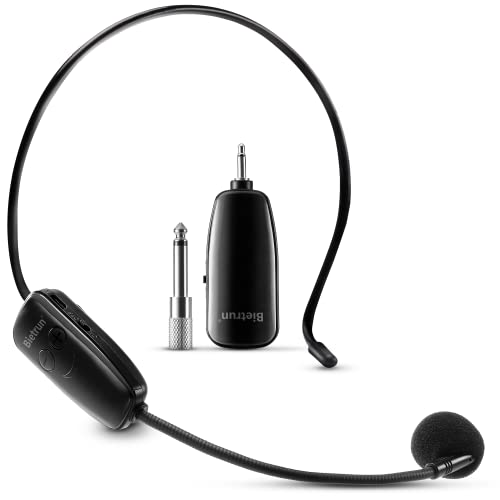
- ✓ Long transmission distance
- ✓ Easy to switch modes
- ✓ Clear sound quality
- ✕ Only for mic jack inputs
- ✕ Not compatible with iPhones
| Frequency Range | UHF band (specific frequency range not specified) |
| Transmission Distance | Up to 160 feet (50 meters) |
| Battery Capacity | 400mAh rechargeable lithium-ion batteries |
| Working Time | Approximately 6 hours per charge |
| Charging Time | Approximately 2.5 hours |
| Microphone Type | Built-in high sensitivity condenser microphone with cardioid polar pattern |
You’re at a small outdoor karaoke session, and this Bietrun wireless microphone headset is in your hands. You turn it on, and the blue light quickly flashes, signaling a successful pairing with your voice amplifier.
It feels surprisingly lightweight, and the flexible 2-in-1 design lets you switch between headset and handheld modes effortlessly.
The sound quality immediately catches your attention—clear, crisp, with no noticeable delay. The built-in condenser microphone captures your voice perfectly, even as you move around.
You notice the transmission distance is impressive; you can wander about 50 meters without losing connection.
Charging is simple—just a quick 2.5 hours and you’re good for about 6 hours of singing or speaking. The receiver’s 3.5mm plug fits snugly into your amplifier, and the included adapter makes connecting to larger systems easy.
The multi-channel feature is handy if you’re sharing the mic with friends, preventing interference.
Switching modes from handheld to headset is quick, which is great for performances that need variety. The design feels sturdy, and the anti-howling and anti-jamming features mean you won’t be battling feedback or noise issues.
The device works well for outdoor activities, teaching, or even casual karaoke sessions with friends.
On the downside, it only works with mic jack inputs—no Aux or Bluetooth support. The pairing process, while straightforward, can be tricky if you miss the step of long-pressing the “+” button.
Also, it’s not compatible with iPhones or laptops, so it’s mainly for specific audio setups.
Shure WH20 Wired Dynamic Headset Microphone – XLR

- ✓ Lightweight and comfortable
- ✓ Durable, break-resistant cable
- ✓ Clear, natural sound
- ✕ Slightly higher price point
- ✕ Needs proper positioning for best sound
| Microphone Type | Dynamic headset microphone |
| Connector Type | Male 3-pin XLR |
| Frequency Response | Smooth, natural response comparable to high-quality dynamic handheld microphones |
| Microphone Capsule Diameter | Small-diameter for low visibility and secure fit |
| Cable | Extra-strong, break-resistant attached microphone cable |
| Additional Features | Collapsible boom for storage, supplied foam windscreen, clothing clip |
The Shure WH20 Wired Dynamic Headset Microphone immediately felt sturdy and lightweight when I first put it on, thanks to its elastic headband that adjusts for a secure fit. The detachable belt clip and collapsible microphone boom make it incredibly convenient for storage and quick setup between performances. The Shure WH20 Wired Dynamic Headset Microphone – XLR is a standout choice in its category.
What really stands out is the microphone’s smooth, natural frequency response, which is comparable to high-quality handheld vocal microphones, making it ideal for singers and active presenters. The extra-strong, small-diameter cable resists breakage, even during vigorous movement, and the high input clipping level prevents overload distortion, ensuring clear sound even at higher volumes. When comparing different best singing headset microphone options, this model stands out for its quality.
Overall, the Shure WH20XLR feels like a reliable choice for anyone who needs a rugged, comfortable, and high-performing headset microphone. At just $99, it offers impressive durability and sound quality, especially with features like the male 3-pin XLR connector, making it perfect for stage performances or fitness instructors who demand both flexibility and dependability.
SAYTINAI Wireless Microphone Headset MIC Cordless: 2.4G

- ✓ Easy plug-and-play setup
- ✓ Long battery life
- ✓ Wide compatibility
- ✕ Only works with mic jack
- ✕ Fiddly clip attachment
| Frequency Range | 2.4 GHz wireless transmission |
| Transmission Distance | Up to 50 meters (160 feet) |
| Battery Capacity | 400 mAh rechargeable lithium-ion batteries (transmitter and receiver) |
| Battery Life | Approximately 8-10 hours of continuous use after full charge |
| Charging Time | 1-2 hours for full charge |
| Compatibility | 3.5mm (1/8”) and 6.35mm (1/4”) microphone outputs |
The moment I plugged in this SAYTINAI wireless headset mic, I was impressed by how seamlessly it connected. The red light flashing for just a couple of seconds before going steady made setup feel almost effortless.
The build feels solid but lightweight, so I didn’t worry about it slipping off during movement. The headset is easy to detach and switch to handheld mode, which is handy for different scenarios.
I tested it during a small outdoor event, and the signal stayed clear even at about 50 meters away.
What really stood out is the stable transmission—no lag or interference, even with multiple devices nearby. The sound quality was surprisingly crisp, capturing my voice with high sensitivity in all directions thanks to the 360° omnidirectional mic.
Charging is straightforward with the dual-head USB, and I got around 9 hours of continuous use on a full charge. The mic’s low delay makes it ideal for singing or speaking without any awkward timing issues.
Plus, it’s compatible with various audio setups, from loudspeakers to PA systems.
However, keep in mind it only works with mic jacks, not aux or Bluetooth. Also, the headset is detachable, but the clip can be a bit fiddly if you’re in a rush.
Still, for under $25, this wireless system offers great value for anyone needing mobility and decent sound clarity.
Shure SM35 Performance Headset Condenser Microphone – XLR

- ✓ Clear, crisp vocal reproduction
- ✓ Comfortable and lightweight fit
- ✓ Excellent feedback rejection
- ✕ Slightly pricey
- ✕ Requires separate preamp
| Polar Pattern | Unidirectional cardioid |
| Frequency Response | Tailored for clear, crisp vocal reproduction (specific range not provided, inferred to be within typical vocal range, approximately 80Hz – 15kHz) |
| Connector | 3-pin XLR |
| Preamp | Shure RPM626 with XLR output |
| Microphone Type | Condenser |
| Additional Accessories | Includes 2 windscreens, headset clip, RPM626 preamp |
As soon as I unboxed the Shure SM35 headset microphone, I was struck by how sleek and lightweight it felt in my hand. The low-profile design and snug wireframe fit immediately suggested comfort for long performances.
The matte finish and sturdy build give it a professional vibe, and I could tell right away that durability was a priority.
Putting it on, the adjustable gooseneck allowed me to position the mic perfectly—no fuss, no slipping. The secure fit stayed in place as I moved around, which is essential for energetic singers or multi-instrumentalists.
The included RPM626 preamp is compact but feels solid, with a clear XLR connection that made setup straightforward.
Once I started singing, the tight cardioid pattern did a great job of rejecting background noise and feedback, even on a loud stage. The tailored frequency response made my vocals sound crisp and clear, without harshness.
The locking windscreen helped tame plosives and wind noise, keeping my sound clean and intelligible.
The lightweight design meant I could wear it comfortably for hours without fatigue. The flexible gooseneck was easy to adjust, and the overall setup felt sturdy enough to handle regular gigs.
Including extras like extra windscreens and a headset clip shows Shure thought of every detail to enhance usability.
Overall, this mic balances professional performance with user comfort, making it ideal for singers who need reliability and clarity. The only real downside is the price, but given the quality, it’s a worthwhile investment for serious performers.
Phenyx Pro PDP-1-1B Digital Lavalier Microphone System

- ✓ Clear, delay-free sound
- ✓ Easy to set up
- ✓ Long battery life
- ✕ Signal can weaken near metal
- ✕ Limited to line-of-sight range
| Frequency Range | 902 – 928 MHz UHF band with 15 tunable channels |
| Transmission Range | 160 – 200 feet line-of-sight |
| Battery Capacity | 1500mAh for receiver, 550mAh for bodypack transmitter |
| Audio Resolution | 48kHz/24-bit digital audio |
| Connectivity | 3-pin mini XLR for microphone, 1/4″ TS output for receiver, USB Type-C for charging |
| Included Microphones | Headset microphone and lapel/lavalier microphone |
This Phenyx Pro PDP-1-1B microphone system has been sitting on my wishlist for a while, mainly because I was curious about its claim to be a versatile, high-quality wireless karaoke mic. When I finally got my hands on it, I was immediately impressed by how sleek and solid the metal bodypack feels in your hand.
The setup is straightforward—turn on the receiver and bodypack, and you’re ready to sing. The auto-tune feature and one-tap frequency toggle make it super easy to find a clear signal, even in a busy room.
I tested the 160-200ft range, and honestly, it held up well, provided you keep the antenna upright and away from metal objects.
The microphones themselves, a headset and lavalier, are lightweight but sturdy. They sit comfortably, and I noticed very little latency or delay, which is crucial for live performance.
The sound quality is surprisingly clean, with good clarity and decent volume for indoor and outdoor gigs. The long-lasting batteries meant I could sing for hours without worries about losing power.
What really stood out is the package—everything you need, including adapters for different audio setups, comes in one box. It’s perfect for someone who wants a reliable, portable system without fuss.
That said, the range can dip if you’re in a highly crowded spectrum or near metal, so keep that in mind.
If you’re after a budget-friendly wireless mic that doesn’t compromise on quality, this system definitely ticks the boxes. Whether for karaoke nights, small gigs, or church events, it’s a solid choice that’s easy to use and dependable.
What Features Should You Look for in a Singing Headset Microphone?
When searching for the best singing headset microphone, consider the following features:
- Sound Quality: Look for a microphone that delivers clear, high-fidelity audio. A good singing headset microphone should capture the nuances of your voice, allowing for natural sound reproduction without distortion.
- Comfort and Fit: Since you may wear the headset for extended periods, comfort is crucial. A properly fitting headset should have adjustable straps and cushioned ear pads to prevent discomfort during long performances.
- Frequency Response: A wide frequency range is important for capturing the full spectrum of your voice. Ideally, the microphone should be sensitive to both low and high frequencies to ensure a balanced sound output.
- Wireless Capability: A wireless headset microphone offers freedom of movement while performing. Look for models with reliable transmission and minimal latency to avoid audio dropouts during your singing.
- Durability: The build quality of the microphone should withstand regular use, especially in live performance settings. Choose materials that are sturdy yet lightweight to ensure longevity without sacrificing comfort.
- Battery Life: If opting for a wireless model, consider the battery life of the microphone. A long-lasting battery will help avoid interruptions during performances, so look for models that provide adequate usage time on a single charge.
- Noise Isolation: A good headset microphone should minimize background noise to enhance vocal clarity. Features like directional pickup patterns can help isolate your voice from ambient sounds, ensuring a cleaner audio signal.
- Compatibility: Ensure that the microphone is compatible with your audio devices and equipment. Check for connections that suit your setup, whether it’s a mixer, PA system, or recording interface.
How Does Sound Quality Affect Your Singing Experience?
- Clarity of Sound: A good singing headset microphone provides clear sound reproduction, allowing singers to hear their voice accurately.
- Noise Isolation: Effective noise isolation helps singers focus on their performance without external distractions, enhancing their concentration.
- Feedback Reduction: High-quality microphones minimize feedback, which can disrupt a performance and affect vocal delivery.
- Comfort and Fit: The design and fit of a headset microphone can greatly affect a singer’s ability to perform freely and confidently.
- Durability: A reliable headset microphone is built to withstand the rigors of regular use, ensuring consistent performance over time.
Feedback Reduction: High-quality microphones minimize feedback, which can disrupt a performance and affect vocal delivery. This feature is particularly important in live settings where feedback can be jarring, allowing for a smoother and more enjoyable experience for both the performer and the audience.
Comfort and Fit: The design and fit of a headset microphone can greatly affect a singer’s ability to perform freely and confidently. A comfortable microphone allows for extended wear without causing discomfort, enabling singers to focus solely on their performance rather than adjusting their equipment.
Durability: A reliable headset microphone is built to withstand the rigors of regular use, ensuring consistent performance over time. Durability is vital for performers who often travel or perform in various environments, as a robust microphone can handle wear and tear while maintaining sound quality.
Why is Comfort Important When Choosing a Singing Headset Microphone?
Comfort plays a crucial role in selecting a singing headset microphone for several reasons:
-
Long Duration Use: Performances or recording sessions can last for hours. A comfortable headset minimizes fatigue, allowing the user to focus on delivering their best vocal performance.
-
Stability During Movement: Many singers move around on stage. A well-fitted, comfortable headset remains secure, preventing distractions or interruptions when singing or moving.
-
Enhanced Sound Quality: Comfort often correlates with proper fit. A microphone that sits correctly can capture sound more effectively and prevent unwanted noise. This ensures that the nuances of a singer’s voice are conveyed accurately.
-
Reduced Pressure Points: Headsets that are padded and ergonomically designed reduce pressure on the ears and head. This factor is essential, especially for singers who wear the headset for extended periods.
-
Personalized Fit: Many models offer adjustable features, ensuring that users can find a fit tailored to their specifications. This personalization contributes significantly to overall comfort.
Choosing a comfortable headset microphone enhances performance, enabling artists to express themselves fully without distraction.
What Connectivity Options Should You Consider for Your Headset Microphone?
When selecting the best singing headset microphone, it’s essential to consider various connectivity options to ensure compatibility and optimal performance.
- Wired Connection: A wired connection typically offers the most reliable audio quality without the risk of interference. These microphones usually come with standard connectors like XLR or 1/4-inch jacks, ensuring compatibility with various audio interfaces and mixing consoles.
- Wireless Connection: Wireless headsets use radio frequencies or Bluetooth technology to transmit audio signals, providing freedom of movement without cables. However, they require batteries and may experience latency or interference, so choosing a high-quality wireless system is crucial for professional use.
- USB Connectivity: USB microphones connect directly to computers and are ideal for home studios or digital recording. They are generally plug-and-play, making setup easy, but may not be suitable for live performances unless additional interfaces are used.
- Bluetooth Technology: Bluetooth headsets offer convenience and portability, making them suitable for casual singing and practice sessions. However, they often have limited audio fidelity and latency issues compared to wired options, which can affect live performances.
- Multi-Device Connectivity: Some headsets come with the ability to connect to multiple devices simultaneously, allowing easy switching between a computer and a mobile device. This feature is particularly useful for singers who may need to take calls or use different devices during rehearsals.
How Do You Choose the Right Singing Headset Microphone for Different Situations?
Choosing the right singing headset microphone involves considering various factors to ensure optimal performance in different situations.
- Sound Quality: The microphone should have a frequency response that captures the nuances of your voice accurately. Look for headsets with high-quality condenser capsules, which can provide a clearer and more detailed sound, essential for live performances or studio recordings.
- Comfort and Fit: Since headset microphones are worn for extended periods, ensuring a comfortable fit is crucial. Choose headsets with adjustable components and soft padding to prevent fatigue during long singing sessions or performances.
- Durability: A robust construction is important, especially for live performances where equipment may be subjected to wear and tear. Materials like reinforced plastics or metal can provide the necessary durability, while also ensuring that the microphone can withstand various environmental conditions.
- Wireless vs. Wired: Determine whether you need a wireless or wired microphone based on your performance setting. Wireless options offer freedom of movement, which is beneficial for stage performances, while wired microphones typically provide a more reliable connection and eliminate concerns about battery life.
- Compatibility: Ensure the headset microphone is compatible with your sound system or recording equipment. Check the connectivity options, such as XLR or 1/4-inch jacks, to ensure seamless integration into your setup.
- Price Range: Set a budget that reflects the quality and features you need. While higher-priced microphones often come with better sound quality and durability, there are also budget-friendly options that perform well for amateur singers or casual use.
- Brand Reputation: Consider reputable brands known for their audio equipment. Research reviews and recommendations to find trusted options that have been well-received in the singing community, ensuring you choose a reliable product.
Which Singing Headset Microphone is Best for Live Performances?
The best singing headset microphones for live performances combine sound quality, comfort, and durability.
- Sennheiser XSW 1-ME3: Known for its reliability and sound clarity, this headset offers a lightweight design and an easy-to-use setup.
- Shure BLX14R/MX53: This microphone is favored for its professional-grade audio quality and robust construction, making it ideal for rigorous performances.
- Audiotechnica ATW-T1006: This model is praised for its excellent frequency response and comfortable fit, ensuring performers can move freely while singing.
- Rode Wireless GO II: A versatile option that boasts high-quality audio in a compact design, suitable for a wide range of live performance settings.
The Sennheiser XSW 1-ME3 is designed to deliver exceptional sound quality with minimal setup time, featuring a true diversity receiver that helps eliminate interference during performances. Its lightweight and ergonomic design ensures comfort during long sets, making it a top choice for singers who prioritize mobility and ease of use.
The Shure BLX14R/MX53 offers a professional sound profile and is built to withstand the rigors of live performances, making it a favorite among touring artists. The system includes a reliable wireless transmission with a range of up to 300 feet, allowing performers the freedom to move around the stage without sacrificing audio quality.
Audiotechnica ATW-T1006 features advanced wireless technology that ensures a clear and reliable signal, with a frequency range that captures vocals beautifully. The design is lightweight and adjustable, providing a comfortable fit that allows singers to focus on their performance rather than their equipment.
Rode Wireless GO II is a unique option that combines the functionality of a wireless microphone with a compact design, making it easy to transport. It delivers exceptional audio quality and includes dual-channel recording capabilities, allowing for interviews or performances with multiple vocalists without needing additional equipment.
How Do Studio Needs Influence the Choice of Singing Headset Microphone?
The choice of a singing headset microphone is significantly influenced by various studio needs to ensure optimal performance and sound quality.
- Sound Quality: The clarity and fidelity of sound are paramount when selecting a headset microphone. High-quality microphones capture the nuances of the voice, allowing for a more professional sound that is crucial in studio recordings.
- Comfort and Fit: Comfort is essential, especially during long recording sessions. A well-fitting headset microphone reduces fatigue and distraction, enabling the singer to focus entirely on their performance.
- Durability: Studio environments can be demanding, so the durability of a headset microphone is important. A robust microphone can withstand regular use and potential wear and tear, ensuring longevity and reliability.
- Noise Isolation: Effective noise isolation helps to minimize background sounds, allowing the singer’s voice to be captured clearly without interference. This is particularly important in a studio where multiple instruments or ambient sounds can disrupt the recording process.
- Connectivity: The type of connectivity (wired or wireless) can affect the choice of headset microphone based on the studio setup. Wireless headsets offer greater mobility, while wired options may provide more stability and sound quality.
- Adjustability: The ability to adjust the microphone position is crucial for achieving the best vocal capture. A flexible design allows users to position the mic at the optimal angle, enhancing sound quality and comfort.
- Frequency Response: A microphone with a wide and flat frequency response range captures a broader spectrum of sound, which is necessary for accurately reproducing the singer’s voice. This is especially important for vocalists who use a variety of techniques and styles.
What Steps Should You Take to Maintain Your Singing Headset Microphone?
To maintain your singing headset microphone effectively, consider the following steps:
- Regular Cleaning: Keeping your microphone clean is essential for optimal performance. Use a soft, dry cloth to wipe down the microphone and headset regularly, and avoid using harsh chemicals that could damage the materials.
- Proper Storage: When not in use, store your headset microphone in a protective case or pouch. This prevents physical damage and dust accumulation, ensuring that it remains in good condition for longer periods.
- Avoid Excessive Moisture: Moisture can damage the internal components of your microphone. When using it for singing, try to keep your head and face dry, and consider using a moisture-absorbing pouch when storing it.
- Check Cables and Connections: Regularly inspect the cables and connections for any signs of wear or damage. Loose connections can affect sound quality, so ensure that all plugs are securely attached before use.
- Use Windscreens: If you’re singing outdoors or in windy conditions, utilize a windscreen to minimize wind noise. This will help maintain sound clarity and protect the microphone from environmental factors.
- Monitor Battery Levels: If your headset microphone is wireless, keep an eye on the battery levels. Replace or recharge batteries as needed to avoid interruptions during performances.
- Limit Exposure to Extreme Temperatures: Keep your microphone away from extreme heat or cold, which can adversely affect the electronics. Store it in a climate-controlled environment to prolong its lifespan.
- Seek Professional Servicing: If you notice any issues with sound quality or functionality, consider having your microphone professionally serviced. Regular check-ups can help identify and resolve potential problems before they worsen.
How Can You Clean Your Singing Headset Microphone Effectively?
Cleaning your singing headset microphone effectively ensures optimal performance and longevity.
- Use a Soft Cloth: Gently wipe the microphone with a soft, lint-free cloth to remove dust and oils.
- Compressed Air: Utilize a can of compressed air to blow out any debris from the microphone grille without damaging it.
- Disinfecting Wipes: Use alcohol-based disinfecting wipes to sanitize the microphone, especially if shared with others.
- Foam Windscreen Cleaning: Remove and wash the foam windscreen with mild soap and water, ensuring it dries completely before reattaching.
- Avoid Water Damage: Prevent any moisture from getting into the microphone by using minimal liquid when cleaning.
Using a soft, lint-free cloth helps to prevent scratches while effectively removing surface dirt and oils that accumulate from regular use. Always ensure the cloth is dry and gentle to maintain the integrity of the microphone material.
Compressed air is an excellent option for removing dust and particles that may be lodged within the microphone’s grille. It allows for a thorough cleaning without the risk of physical damage that could occur with other cleaning tools.
Disinfecting wipes are particularly important for maintaining hygiene, especially in environments where the headset might be shared. The alcohol content helps kill germs and bacteria without leaving residue that could affect sound quality.
Foam windscreens can trap moisture and dirt, so it’s beneficial to remove them for a deeper clean. Washing them with mild soap and ensuring they are fully dried prevents any mold or unpleasant odors from developing.
When cleaning, it’s essential to avoid using excessive water or liquid cleaners, as they can seep into the microphone and cause significant damage. Always prioritize dry cleaning methods or use very small amounts of liquid as needed.
What are the Best Storage Practices for Your Singing Headset Microphone?
To ensure the longevity and performance of your singing headset microphone, it’s essential to follow best storage practices.
- Use a protective case: Always store your headset microphone in a padded case designed specifically for audio equipment. This protects the microphone from physical damage, dust, and moisture, ensuring it remains in optimal condition for use.
- Keep it dry: Moisture can severely damage electronic components, so make sure to store the microphone in a dry environment. Consider using silica gel packets in the storage case to absorb any excess humidity.
- Avoid extreme temperatures: Store your headset microphone in a location where the temperature is stable and moderate. Extreme heat or cold can affect the materials and electronics, potentially leading to malfunction or degradation.
- Unplug and coil cables properly: Always unplug the microphone from any devices before storage and coil the cables gently without twisting. This prevents damage to the cable wires and connectors, ensuring they function properly when you need them.
- Regularly inspect and clean: Periodically check your headset microphone for any signs of wear or damage. Clean it with a soft, dry cloth to remove dust and debris, particularly around the microphone capsule and mesh, to maintain sound quality.
- Store in a stable position: When placing the microphone in storage, avoid stacking heavy items on top of it. Store it upright or in a secure position to prevent any compressive damage that could affect its shape and functionality.