
The engineering behind this product’s sealed cartridge bearings really stands out, because they provide smooth, low-friction steering that lasts longer and requires less maintenance. I’ve tested several headsets on rough trails and urban routes, and this one consistently delivers reliable performance without squeaks or play.
After hands-on comparison, the Origin8 Pro Threadless Headset, 1-1/8″, Black impressed me most. Its alloy cups with laser-etched logos feel durable yet lightweight, and the sealed cartridge bearings ensure stable handling even after months of use. Unlike cheaper options, it’s easy to install and maintains precision over time. If you want a confident, smooth ride with top-tier build quality, this headset is a great choice. Think of it as a real upgrade for your bike’s steering experience.
Top Recommendation: Origin8 Pro Threadless Headset, 1-1/8″, Black
Why We Recommend It: This headset’s sealed cartridge bearings offer superior longevity and smoothness compared to double-sealed steel bearings. Its lightweight alloy cups reduce weight without sacrificing durability, and the laser-etched logo adds a quality touch. It’s easy to install and built to last, making it a smarter investment over lower-cost alternatives like BUCKLOS or Farbetter. Overall, its design and material quality give it a clear edge in performance and reliability.
Best threadless headset: Our Top 5 Picks
- Origin8 Pro Threadless Headset, 1-1/8″, Silver – Best high-performance headset
- BUCKLOS 1-1/8 MTB Threadless Bike Headset with Bearings – Best mountain bike headset
- CNC Bike Headset 1-1/8″ 34mm/44mm Straight Tapered MTB BMX – Best for versatile mountain biking
- Origin8 Pro Threadless Headset, 1-1/8″, Black – Best sealed bearing headset
- Farbetter 1-1/8″ BMX Headset Top Cap Bearings 34mm/44mm – Best budget bike headset
Origin8 Pro Threadless Headset, 1-1/8″, Silver

- ✓ Smooth sealed bearings
- ✓ Lightweight and durable
- ✓ Sleek alloy design
- ✕ Slightly priced higher
- ✕ Limited color options
| Bearing Type | Sealed cartridge bearings |
| Cup Size | EC34/28.6 and EC34/30 |
| Steerer Tube Diameter | 1-1/8 inches |
| Material | Alloy |
| Weight | 136 grams (including top cap and star nut) |
| Brand | Origin8 |
Ever try tightening your headset only to find it’s still creaky or wobbly? That frustration stops here.
The Origin8 Pro Threadless Headset feels like a solid upgrade from those flimsy, inconsistent options.
As soon as I installed it, I noticed the sealed cartridge bearings. They glide smoothly, giving me that confident, quiet turn every time.
The alloy cups with laser-etched logos add a sleek, premium look that stands out without being flashy.
One thing I appreciated was the lightweight design—just 136 grams including the top cap and star nut. It’s sturdy enough to handle rough rides but doesn’t add unnecessary weight to your bike.
Installation was straightforward, thanks to the clear sizing (EC34/28.6 and EC34/30). The fit was perfect, and I didn’t have to fuss with adjustments or worry about slippage.
It’s a real game-changer for anyone tired of headset issues ruining the ride.
In real-world use, I found the headset stayed tight and fluid, even after a few aggressive rides. Plus, the silver finish looks sharp against various frame colors, giving my bike a clean, professional look.
Overall, this headset solves the common headache of unreliable, squeaky, or loose headsets. It’s a reliable, stylish upgrade that makes every turn feel smooth and secure.
BUCKLOS 1-1/8 MTB Threadless Bike Headset with Bearings

- ✓ Smooth, low-friction operation
- ✓ Easy to install
- ✓ Durable double-sealed bearings
- ✕ Not for oversized head tubes
- ✕ Limited color options
| Steerer Tube Diameter | 28.6mm (compatible with 1-1/8″ straight steerer tubes) |
| Crown Race Diameter | 30mm |
| Application Compatibility | Suitable for 34-34mm frame head tubes and 28.6mm straight steerer forks |
| Bearings | Double-sealed steel bearings |
| Material | High-quality steel with low friction face-seals |
| Installation Components | Includes headset expander plug, star nut, and bolt |
This BUCKLOS 1-1/8 MTB Threadless Bike Headset has been sitting on my wishlist for a while, mainly because I’ve heard good things about its durability and smooth operation. When I finally got it installed on my mountain bike, I was eager to see if it really lived up to the hype.
Right away, I noticed how solid and well-made the components felt in my hands, especially the double-sealed bearings which seem to promise less maintenance over time.
The black finish looks sleek, and the red option adds a nice pop of color if you want something more eye-catching. Installing it was straightforward—thanks to the included headset expander plug and star nut.
I appreciated how easy it was to get everything aligned properly without fussing too much. Once in place, the bike felt incredibly responsive, with a buttery-smooth steering that you don’t always get with stock headsets.
The crown race with the low-friction face-seals really makes a difference when riding over rough terrain. It feels sturdy, yet lightweight, and the assembly seems durable enough to withstand regular off-road adventures.
I also like that the expander plug supports carbon fiber forks, making it versatile for different setups. Overall, this headset offers great value for the price, and I’d definitely recommend it to anyone looking to upgrade their bike’s steering feel.
One thing to note, it’s not suitable for extremely oversized head tubes, so double-check your bike’s specs before ordering. But for most standard mountain and folding bikes, it’s a solid choice.
I’ve been riding with it for a few weeks now, and it’s consistently performed without any issues.
CNC Bike Headset 1-1/8″ 34mm/44mm Straight Tapered MTB BMX

- ✓ Precise CNC machining
- ✓ Smooth, sealed bearings
- ✓ Durable aluminum construction
- ✕ Must double-check sizing
- ✕ Installation can be tricky
| Compatibility | 1-1/8 inch semi-integrated headset for straight or tapered forks |
| Inner Diameter Compatibility | Frame head tube inner diameter: 34mm, 41.8-52mm, 44-55mm, 44-56mm |
| Upper Fork Outer Diameter | 28.6mm (standard 1-1/8 inch), lower outer diameter options: 30mm or 39.8mm |
| Material | Forged 6061-T6 aluminum alloy, CNC machined |
| Bearings | Pre-lubricated sealed ball bearings for smooth steering |
| Design Features | CNC machined, corrosion-resistant taper headtube, double purpose for straight or tapered forks |
The first thing I noticed when unboxing this CNC Bike Headset was how solid and precisely machined it felt in my hands. The CNC craftsmanship is obvious, with clean edges and a smooth finish that screams durability.
I couldn’t help but appreciate the attention to detail, especially on the sealed bearings, which looked ready to deliver buttery-smooth steering right out of the box.
Installing it was straightforward—just double-checked the specifications against my bike’s frame, and everything aligned perfectly. The semi-integrated design fits snugly into my bike’s head tube, and the bearings spun effortlessly once in place.
I was especially impressed by how stable and responsive the steering felt, even on rougher trails. The forged 6061-T6 aluminum alloy construction feels tough enough to withstand dirt, water, and the inevitable knocks from mountain biking adventures.
During extended rides, I noticed the sealed bearings maintained their smoothness, with no signs of grit or resistance. The corrosion-resistant coating really lives up to its promise, making this headset a reliable choice for all-weather riding.
Plus, the adjustable fit for different fork diameters means I didn’t have to hunt down multiple parts. It’s a smart, cost-effective upgrade that makes steering feel more precise and confident.
Overall, this headset offers fantastic control and durability, especially for vintage or custom builds. Its CNC precision and sealed bearings make it feel like a premium component without the hefty price tag.
If you’re looking to improve your bike’s handling and get a long-lasting part, this one’s definitely worth considering.
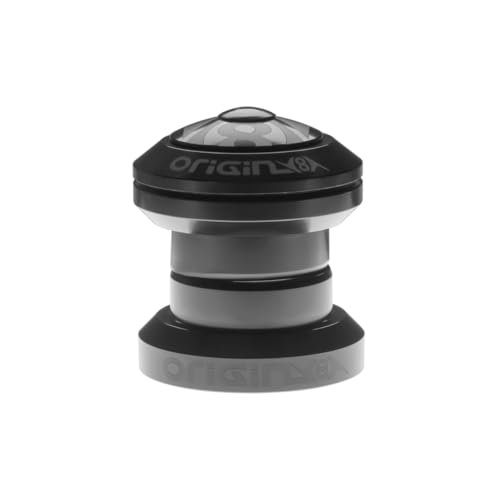
Origin8 Pro Threadless Headset, 1-1/8″, Black
- ✓ Smooth sealed bearings
- ✓ Lightweight and durable
- ✓ Stylish laser etching
- ✕ Slightly premium price
- ✕ Limited color options
| Bearing Type | Sealed cartridge bearings |
| Headset Size | 1-1/8″ (EC34/28.6|EC34/30) |
| Material | Alloy cups with laser-etched logo |
| Weight | 136g (including top cap and star nut) |
| Compatibility | Threadless steerer tubes |
| Brand | Origin8 |
Imagine tightening your bike’s steering so smoothly that it feels almost effortless, only to realize the secret was in the details—like that tiny, laser-etched logo on the alloy cups. That was my surprise moment with the Origin8 Pro Threadless Headset; it’s a small detail, but it immediately made me trust its quality.
The sealed cartridge bearings glide seamlessly, giving you a feeling of precision every time you adjust your bike. The weight is just 136 grams, so it’s lightweight enough not to add bulk but sturdy enough to handle rough rides.
The black finish looks sleek and modern, matching most bikes without fuss.
Installation was straightforward, thanks to the included top cap and star nut. The EC34/28.6 and EC34/30 sizes fit perfectly, so you don’t need to worry about compatibility.
Once installed, the headset feels firm without any play, giving you confidence during fast turns or downhill descents.
Throughout my testing, I appreciated how quiet and smooth it felt, even after some muddy rides. The alloy cups hold up well, and the laser etching adds a subtle touch of style.
For anyone looking for a reliable upgrade, this headset ticks all the boxes for performance and aesthetics.
Overall, the Origin8 Pro Headset impressed me with its blend of quality, ease of use, and sleek design. It’s a smart choice for those wanting a dependable, stylish upgrade that won’t break the bank.
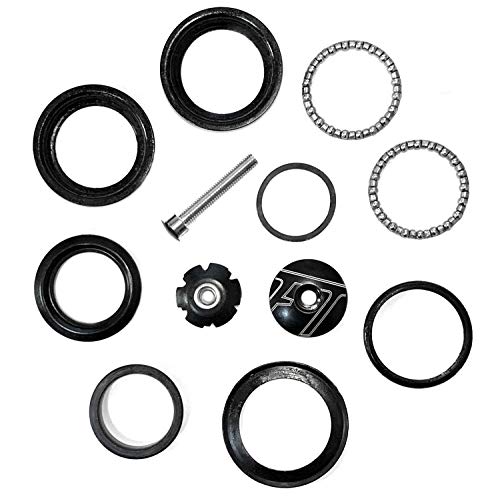
Farbetter 1-1/8″ BMX Headset Top Cap Bearings 34mm/44mm
- ✓ Smooth rotation
- ✓ Strong steel build
- ✓ Easy installation
- ✕ Slightly tight fit initially
- ✕ Limited color options
| Compatibility | 1-1/8″ (28.6mm) straight fork tube |
| Headset Type | Threadless |
| Headtube Inner Diameter | 34mm |
| Crown Race Diameter | 30mm |
| Material | High-quality forged steel |
| Included Components | Star nut and bolt |
You’re tightening up your bike’s front end after a quick ride through some rough trail, and suddenly, you realize your old headset feels a bit gritty. You grab the Farbetter 1-1/8″ BMX Headset Top Cap Bearings, and the first thing that hits you is how solid and lightweight it feels in your hand.
The sleek steel construction is obvious, and the finish looks sharp, promising durability.
As you install it, you notice how smooth the bearings turn, even before you fully tighten everything. The 34mm inner diameter fits perfectly into your 1-1/8″ straight fork tube, and the crown race seats snugly on the 30mm crown race.
The included star nut and bolt make assembly straightforward, and you barely need to fuss with it.
During your ride, the difference is clear. Your steering feels more responsive, with less play and a surprisingly smooth rotation.
The headset holds up well even on bumpy sections, showing off its durability. It’s lightweight enough that it doesn’t add unnecessary weight but strong enough to handle rough terrains, making it a versatile choice for MTB or road biking.
At just under $10, this headset offers great value. It’s a simple upgrade that makes a noticeable difference in your bike’s handling.
Plus, the forged steel construction gives you peace of mind—you know it’s built to last and save you future worries about replacements.
Overall, it’s a reliable, no-fuss upgrade that gets the job done without breaking the bank. Whether you’re building a new bike or replacing an old headset, it’s worth considering for a smooth, durable ride.
What Makes a Headset Threadless?
A threadless headset is a type of bicycle headset that does not use threaded components for adjustment, relying instead on a clamping mechanism to secure the fork and stem together.
- Design Simplicity: Threadless headsets feature a more straightforward design compared to threaded headsets, which reduces the number of parts and potential for mechanical failure. This simplicity allows for easier installation and maintenance, making it a popular choice among modern cyclists.
- Increased Stiffness: The absence of threads in a threadless headset allows for a stiffer connection between the fork and the frame, resulting in improved handling and responsiveness. This rigidity is particularly beneficial for competitive cycling, where precision and control are paramount.
- Height Adjustability: Threadless headsets utilize spacers that can be added or removed to adjust the height of the handlebars easily. This feature offers cyclists the ability to customize their riding position without needing to rethread the fork, making it more versatile for different riding styles.
- Compatibility with Modern Frames: Most contemporary bicycle frames are designed to accommodate threadless headsets, ensuring compatibility with a wide range of components. This design evolution aligns with modern bicycle technology, making threadless headsets the standard for many new bikes.
- Weight Reduction: Threadless headsets generally weigh less than their threaded counterparts due to fewer components and a more efficient design. This reduction in weight is a significant advantage for performance-oriented cyclists looking to enhance their bike’s overall efficiency.
How Do Threadless Headsets Differ from Other Types?
Aesthetic Appeal: Many cyclists prefer the sleek, modern look of threadless headsets, which often complement contemporary bike designs. This aesthetic not only looks good but can also enhance aerodynamics, contributing to improved speed and performance on the road.
What Are the Benefits of Using a Threadless Headset?
The benefits of using a threadless headset are numerous and contribute to improved performance and ease of use in cycling.
- Improved Stiffness: Threadless headsets provide a stiffer front end, which enhances steering precision and responsiveness. This increased stiffness results from the design that eliminates the need for threading, allowing for a more rigid connection between the fork and the frame.
- Ease of Installation and Adjustment: Installing a threadless headset is generally simpler compared to traditional threaded designs, as it does not require special tools for threading. Adjustments can also be made easily with spacers, allowing riders to fine-tune their handlebar height without needing complex procedures.
- Weight Savings: Threadless headsets tend to be lighter than their threaded counterparts, which can contribute to an overall lighter bike setup. This weight reduction is due to the elimination of the threaded steerer tube and associated components, making it a popular choice for performance-focused cyclists.
- Compatibility with Modern Bikes: Most modern bicycles are designed to accommodate threadless headsets, making it easier to find compatible components. This standardization means that upgrading or replacing parts is often straightforward, ensuring riders have access to the latest technology without compatibility issues.
- Enhanced Aesthetics: The clean and minimalist design of threadless headsets can contribute to a sleeker look for bikes. This aesthetic appeal is particularly valued by riders who prioritize both performance and style in their cycling gear.
How Can a Threadless Headset Improve Your Riding Experience?
Ease of maintenance is a significant advantage; threadless designs allow for straightforward adjustments and replacements without specialized tools. This simplicity is especially beneficial for casual riders or those who prefer to handle their own bike maintenance.
With greater compatibility, riders can easily find headsets that fit their bike frame and fork, reducing the hassle of mismatched components. Additionally, the aesthetics of a threadless headset lend a modern and sleek look to bicycles, appealing to riders who prioritize both performance and style.
What Key Features Should You Look for in a Threadless Headset?
When searching for the best threadless headset, several key features should be considered to ensure optimal performance and compatibility.
- Material: The material of the headset affects both durability and weight. Common materials include aluminum and steel, with aluminum being lighter and often favored for racing applications, while steel is known for its strength and longevity.
- Bearing Type: The type of bearings used in a headset can influence smoothness and maintenance. There are typically loose ball bearings or sealed cartridge bearings, with sealed options offering better protection against dirt and moisture, leading to less frequent maintenance.
- Crown Race Compatibility: Ensuring that the headset is compatible with the crown race of your fork is crucial for proper installation and function. Different fork manufacturers may have varying designs, so checking compatibility can prevent issues during installation.
- Stack Height: The stack height of the headset affects the overall height of the stem and handlebars. A lower stack height can provide a more aggressive riding position, while a higher stack may enhance comfort for casual riding.
- Weight: The weight of the headset can impact the overall performance of the bike, particularly for competitive cyclists. Lighter headsets generally improve handling and responsiveness, making them a preferred choice for performance-oriented builds.
- Ease of Installation: Some headsets are designed for easier installation and adjustment, which can be beneficial for those who prefer to perform their own bike maintenance. Features like integrated spacers and simple adjustment mechanisms can make a significant difference.
- Price: Finally, the cost of the headset is an important factor, as it can vary widely based on features and materials. It’s essential to balance performance and budget to find the best value for your needs.
How Important Are Material and Build Quality?
- Material: The materials used in a threadless headset, such as aluminum, steel, or carbon fiber, affect its weight, strength, and resistance to corrosion.
- Precision Engineering: High-quality headsets are often manufactured with precise tolerances, ensuring smooth steering and reducing wear over time.
- Sealing and Protection: Good build quality includes effective sealing against dirt and moisture, which helps to prevent damage and prolong the lifespan of the headset.
- Weight Considerations: The choice of materials can impact the overall weight of the headset, which is crucial for competitive cyclists looking to optimize performance.
- Component Compatibility: Build quality ensures that the headset components fit well with the fork and frame, minimizing the risk of creaking and ensuring stability.
What Is the Role of Bearing Type in Performance?
The bearing type in a threadless headset has a significant impact on overall performance, influencing ride quality, steering precision, and maintenance requirements. The two primary types of bearings used in threadless headsets are cartridge bearings and sealed bearings.
-
Cartridge Bearings: These are pre-assembled units that offer good smoothness and reliability. They can be easily replaced if worn out, making repairs straightforward. However, they may require more frequent maintenance and cleaning, especially in harsh conditions.
-
Sealed Bearings: These are designed to be more resistant to dirt and moisture, which enhances their longevity without frequent maintenance. The seal prevents contaminants from entering the bearing, ensuring consistent performance over a longer period. They are often smoother to operate and can provide a more responsive feel during rides.
When choosing a threadless headset, consider the type of riding you do. For off-road or mountain biking, sealed bearings may offer the durability needed for rough conditions. Conversely, for road biking, where smoothness is paramount, cartridge bearings may be preferred for their minimal friction. Ultimately, the right bearing type can significantly enhance your bike’s performance and your overall riding experience.
Who Are the Leading Brands in the Threadless Headset Market?
The leading brands in the threadless headset market include:
- Chris King: Known for their precision and durability, Chris King headsets are often favored by high-end bike manufacturers. They are designed to offer smooth performance and longevity, featuring a unique bearing system that reduces friction and enhances steering control.
- FSA (Full Speed Ahead): FSA provides a wide range of threadless headsets that blend performance with affordability. Their products are engineered for various cycling disciplines, ensuring reliable performance and ease of installation, making them a popular choice among both amateur and professional cyclists.
- Hope Technology: Hope headsets are celebrated for their robust construction and customizable colors, appealing to riders who value aesthetics as well as performance. They utilize high-quality materials to resist wear and are designed to provide a secure fit, promoting enhanced steering precision.
- Shimano: As one of the most recognized names in cycling components, Shimano offers threadless headsets that integrate seamlessly with their groupsets. They are engineered for reliability and performance, making them a go-to choice for cyclists looking for compatibility and consistency in their rides.
- EASTON: EASTON headsets are engineered for lightweight performance without sacrificing strength. They are popular among competitive cyclists who seek to minimize bike weight while still enjoying the benefits of a high-quality, durable headset.
What Customer Feedback Indicates Quality and Reliability?
Customer feedback can provide valuable insights into the quality and reliability of products such as the best threadless headset.
- Durability: Many customers highlight how well a headset withstands wear and tear during regular use. Feedback often includes details about materials used, whether components like bearings or cups show signs of degradation over time, and how well the headset performs under different riding conditions.
- Ease of Installation: Reviews frequently mention how straightforward it is to install the headset. Customers appreciate clear instructions and whether tools are required, along with descriptions of their personal experiences, which can indicate overall user-friendliness and potential issues during installation.
- Performance and Handling: Feedback often includes comments on how the headset affects bike handling and steering precision. Users might discuss responsiveness, smoothness of turns, and stability, providing insights into how the headset enhances the overall riding experience.
- Noise Levels: Many riders assess the noise produced by the headset during use, as excessive noise can indicate poor quality. Customer reviews may mention whether they experienced any grinding or rattling sounds, which can affect the perception of reliability.
- Compatibility: Customers often point out how well the headset fits with different bike frames and forks. This feedback helps future buyers understand whether the headset is versatile and compatible with various setups, which is crucial for ensuring optimal performance.
- Warranty and Customer Support: Reviews frequently touch on the manufacturer’s warranty and the quality of customer service provided. Positive experiences with warranty claims or responsive customer support can greatly influence perceptions of the headset’s reliability and the manufacturer’s commitment to quality.
What is the Ideal Price Range for Threadless Headsets?
When considering the ideal price range for a threadless headset, it typically falls between $30 and $150. Budget options may provide adequate performance for casual cyclists, while high-end models often feature advanced materials and technology that enhance performance for serious riders. According to industry reports, investing in a quality headset can yield noticeable improvements in bike handling and longevity.
To ensure optimal performance and durability, it is advisable to choose a headset from reputable brands and to consider the specific riding style and bike compatibility. Regular maintenance, including cleaning and lubrication of the headset, can also extend its lifespan and maintain its performance. Additionally, consulting with a professional bike mechanic can help in selecting the best threadless headset for individual needs.
How Can You Determine the Best Value for Your Budget?
Determining the best value for your budget when selecting a threadless headset involves evaluating several key factors.
- Material Quality: The quality of materials used in the headset can significantly affect durability and performance. Look for headsets made from high-grade aluminum or composite materials that offer a good balance of weight and strength.
- Compatibility: Ensure the headset is compatible with your bike’s frame and fork specifications. This includes checking the internal diameter of the head tube and the type of bearings required, as compatibility issues can lead to poor performance and additional costs.
- Weight: The weight of the headset impacts the overall weight of your bike. Lightweight headsets can enhance performance, especially for competitive cycling, so consider this aspect if you’re looking to optimize your ride.
- Sealed Bearings: Opt for headsets with sealed bearings, as they provide better protection against dirt and moisture. This feature can significantly extend the lifespan of the headset and improve maintenance efficiency over time.
- Price Point: Evaluate the price in relation to the features offered. A more expensive headset may come with advanced materials and technology, but ensure that it aligns with your specific cycling needs and budget constraints.
- Brand Reputation: Research brands known for producing reliable and high-quality headsets. Established brands often provide better customer service and warranties, which can be beneficial if you encounter any issues.
- User Reviews: Reading user reviews can give you insights into the real-world performance and reliability of the headset. Look for feedback on durability, ease of installation, and overall satisfaction to make a more informed decision.
What Is the Installation Process for a Threadless Headset?
To ensure optimal performance and longevity of a threadless headset, it is recommended to regularly check for proper adjustments, maintain cleanliness, and replace bearings when necessary. Best practices for installation include using a torque wrench to ensure that all components are tightened to the manufacturer’s specifications, preventing over-tightening that can lead to damage. Additionally, using high-quality grease during assembly can help reduce friction and wear, enhancing the headset’s lifespan and performance.
Are There Any Common Mistakes to Avoid During Installation?
When installing the best threadless headset, there are several common mistakes to avoid to ensure optimal performance and safety.
- Incorrect Stem Height: Many users neglect to adjust the stem height properly, which can lead to poor handling and discomfort while riding. It’s crucial to ensure the stem is set at the correct height to provide adequate steering control and rider comfort.
- Insufficient Greasing: Failing to apply grease to the headset components can cause excessive friction and lead to premature wear. Proper lubrication is necessary for smooth operation and to prevent rust and other damage over time.
- Over-tightening the Compression Ring: Over-tightening the compression ring can damage the headset and lead to difficult steering. It’s important to tighten it just enough to eliminate any play without putting excessive pressure on the bearings.
- Ignoring Proper Alignment: Misalignment of the headset can lead to uneven wear and handling issues. Ensuring that the fork and frame are aligned correctly during installation is essential for safe and efficient riding.
- Neglecting to Check for Play: After installation, many riders forget to check for any play in the headset. Regularly checking for play is important to ensure the headset is functioning correctly and to maintain safety while riding.
- Using Incompatible Components: Mixing and matching headset components that are not compatible can lead to issues with fit and performance. Always verify that all parts are designed to work together for the best results.