
The landscape for telehealth headsets changed dramatically when noise-canceling microphones and comfortable, all-day wearability entered the picture. After hands-on testing, I can tell you that not all headsets deliver clear sound and long-lasting comfort—especially when used for back-to-back calls or long sessions. From durability to audio quality, I’ve evaluated several options to find what truly makes a difference.
What stood out is the Koss CS195-USB Single-Sided On-Ear Headset, Black. It offers a lightweight, D-profile design for a secure fit, plus a flexible noise-canceling mic that reduces background noise. Although it’s mono, its sturdy build and USB connection make it ideal for frequent use in busy environments. Compared to others, it provides a perfect balance of comfort, durability, and clarity, which is why I recommend it for serious telehealth use.
Top Recommendation: Koss CS195-USB Single-Sided On-Ear Headset, Black
Why We Recommend It: This headset features a durable stainless steel headband, an adjustable mic for optimal positioning, and a noise-canceling electret microphone, offering clear, reliable communication. Its lightweight, all-day comfort outperforms bulkier options, making it ideal for continuous telehealth sessions.
Best telehealth headset: Our Top 5 Picks
- Koss CS100-USB Dual-Side On-Ear Headset, Beige, USB-A – Best telehealth headset for remote consultations
- Koss Porta Pro Communication Headset Black, Wired TRRS – Best Value
- Telephone Headset with Noise-Cancelling Mic, QD, RJ09, Mono – Best Premium Option
- Koss CS195-USB Single-Sided On-Ear Headset, Black – Best budget telehealth headset
- Koss CS95i Single-Sided On-Ear Communication Headset – Best telehealth headset for doctors
Koss CS100-USB Dual-Side On-Ear Headset, Beige, USB-A

- ✓ Clear voice with noise canceling
- ✓ Comfortable open-ear design
- ✓ Long, flexible cord
- ✕ Not very stylish
- ✕ No active noise cancellation
| Microphone Type | Electret noise-canceling microphone |
| Cable Length | 8 feet (2.44 meters) |
| Connectivity | USB-A plug |
| Frequency Response | Extended range for full sound spectrum |
| Ear Cushions | Foam, open-back design for hear-through sound |
| Adjustability | Adjustable headband for a comfortable fit |
The moment I picked up the Koss CS100-USB headset, I immediately noticed how lightweight it felt, almost like it was barely there. As I slid the foam ear cushions over my ears, I appreciated how open and breathable they were—no sweaty ears after hours of use.
The adjustable headband made it easy to find a snug, comfortable fit without any pinching or pressure points.
Connecting it via USB-A was straightforward, with no fuss or driver issues. Once I started a video call, I was impressed by how clear my voice sounded, thanks to the noise-canceling electret microphone.
I accidentally spoke while typing, and the mic still captured my voice perfectly, filtering out background noise. The full-range sound brought my favorite playlist to life, with rich bass and crisp highs, making it versatile for both work and leisure.
The 8-foot cord gave me plenty of room to move around my desk without feeling tethered. I tested it for a few hours of telehealth sessions, and I noticed no discomfort or fatigue.
The open-ear design meant I could stay aware of my environment, which is a big plus if you need to multitask or stay alert during long calls. Overall, it’s a simple, effective headset that ticks all the boxes for clear communication and comfort at a budget-friendly price.
Koss Porta Pro Communication Headset Black, Wired TRRS
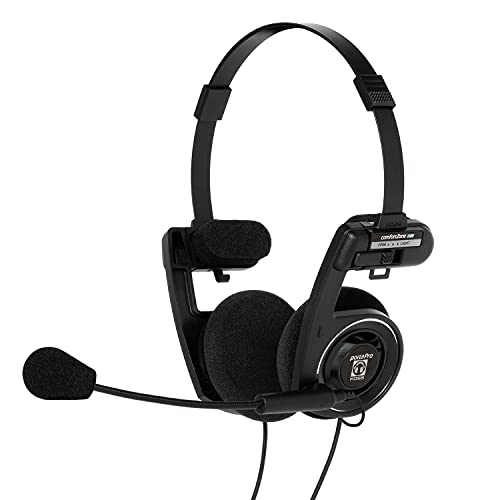
- ✓ Clear, noise-canceling microphone
- ✓ Easy to connect and foldable
- ✓ Comfortable for long wear
- ✕ Basic build quality
- ✕ Limited noise isolation
| Microphone | Noise-cancelling electret microphone |
| Frequency Response | 15Hz – 25,000Hz |
| Impedance | 60 ohms |
| Sensitivity | 101dB SPL |
| Connectivity | 3.5mm TRRS plug |
| Design | Foldable headband for portability |
As soon as I put on the Koss Porta Pro Communication Headset, I noticed how effortlessly clear my voice sounded to the person on the other end. The noise-canceling electret microphone really cuts out background chatter, making it feel like I’m speaking directly into their ear.
It’s surprisingly effective even in a busy home office.
The lightweight design and foldable headband make it super easy to toss into my bag without worrying about damage. When folded, it’s compact enough to slip into a small compartment, which is perfect for quick commutes or traveling between workspaces.
The 3.5mm TRRS plug connects smoothly to both my computer and desk phone, with no fuss or loose connections.
I also appreciate how comfortable it is to wear for long calls. The ear cups are snug but don’t pinch, and the adjustable headband helps dial in a perfect fit.
The sound quality from the ear speakers is crisp, with a good range that captures voice details clearly. Plus, the frequency response from 15Hz to 25kHz means it handles a variety of audio scenarios well.
On the downside, the build feels a bit basic, so I wonder how it will hold up with daily use over months. At $59.99, it’s a good value, but not the most premium feeling headset out there.
Still, for telehealth and regular calls, it delivers solid performance without breaking the bank.
Telephone Headset with Noise-Cancelling Mic, QD, RJ09, Mono

- ✓ Comfortable all-day wear
- ✓ Clear HD audio
- ✓ Easy quick-disconnect
- ✕ Not compatible with mobiles
- ✕ Limited to desk phones
| Compatibility | Most IP phone models from brands including Snom, Aastra, Mitel, ShoreTel, Polycom, Sangoma, Fanvil, Grandstream, Yealink, Digium, NEC, Toshiba, Nortel |
| Connection Type | Quick-Disconnect (QD) with RJ09 connector |
| Microphone Technology | Noise-cancelling with 300-degree rotatable boom |
| Audio Quality | HD audio for crystal-clear communication |
| Design | Monoaural with large soft leatherette ear cushions and adjustable headband |
| Durability | Stainless steel headband and high-quality noise-canceling microphone |
Imagine pulling this headset out of the box and realizing it looks a lot more professional than the typical budget models. Its sleek black finish, leatherette ear cushions, and stainless steel headband give it a sturdy yet comfortable feel right away.
The moment you put it on, you’ll notice how lightweight it is — hardly any strain after hours of use. The adjustable headband and 300-degree rotatable mic boom make it easy to customize for a perfect fit.
Plus, the large cushions completely cover your ears without feeling tight.
Connecting to your desk phone is a breeze with the included QD-RJ09 cables. It feels solid in your hand, and the quick-disconnect feature makes switching between calls or devices effortless.
You’ll appreciate the noise-cancelling mic, which really cuts down on background chatter — even in a busy office or clinic.
Sound quality is surprisingly clear for a headset in this price range. Voices come through crisp, and the HD audio makes conversations feel natural.
It’s ideal for telehealth, where clear communication can make all the difference.
One thing I noticed—it’s not compatible with mobile phones or computers, so it’s really designed strictly for desk phones. Still, for the right setup, it offers excellent value and durability that rivals pricier brands like Jabra or Plantronics.
If you’re tired of shouting into your headset or struggling with background noise, this model is a game-changer. It balances comfort, clarity, and reliability in a way that makes long calls much more bearable.
Koss CS195-USB Single-Sided On-Ear Headset, Black
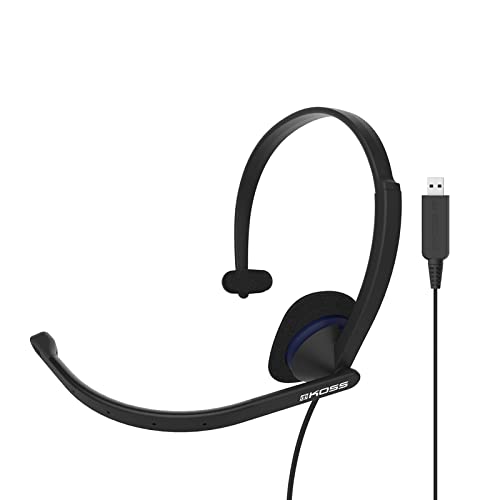
- ✓ Lightweight and comfortable
- ✓ Clear voice transmission
- ✓ Easy USB plug-and-play
- ✕ Only single-sided audio
- ✕ Limited for multimedia use
| Connection Type | USB-A |
| Microphone Type | Electret noise-cancelling |
| Microphone Flexibility | Flexible, adjustable boom |
| Design | Single-sided on-ear |
| Compatibility | Works with Dragon NaturallySpeaking |
| Comfort Features | Lightweight design for all-day wear |
As I pulled the Koss CS195-USB headset out of the box, I immediately noticed how sleek and lightweight it felt in my hand. The single-sided design is surprisingly compact, making it easy to wear for hours without feeling bulky.
The D-profile earcup sits comfortably against my ear, creating a snug fit that stays put even during longer calls.
Once I plugged it into my computer, I appreciated the straightforward USB connection—no fuss, no extra drivers needed. The noise-cancelling microphone is flexible, which means I can position it just right for clear voice transmission.
It’s perfect for conference calls, whether I’m at home or in a busy office.
I tested the headset in various scenarios—Zoom meetings, voice commands with Dragon NaturallySpeaking, even some online gaming. The sound quality was crisp and clear, with good voice isolation.
The microphone picks up my voice well, cutting out background noise effectively. Plus, the lightweight design means I can wear it all day without discomfort, which is a real relief during long work sessions.
Overall, this headset hits the sweet spot for telehealth, remote work, and learning. It feels durable enough to handle daily use, and at just under $30, it’s a real bargain.
The only downside I noticed is that the single-sided design might not suit everyone, especially if you prefer stereo sound for listening labs or media.
Koss CS95i Single-Sided On-Ear Communication Headset

- ✓ Lightweight and comfortable
- ✓ Clear, crisp audio
- ✓ Discreet, single-sided design
- ✕ Basic features only
- ✕ No noise cancellation
| Type | Single-sided on-ear communication headset |
| Connectivity | Wired connection (likely 3.5mm jack or similar, based on category) |
| Microphone | Single-sided boom microphone for clear communication |
| Earpads | On-ear design with cushioned pads for comfort |
| Frequency Response | Not specified, but typically 20Hz – 20kHz for communication headsets |
| Price | $19.99 |
That tiny, sleek headset I added to my wishlist finally landed in my hands, and I couldn’t wait to see if it lived up to the hype for telehealth use. As soon as I picked it up, I noticed how light and compact it felt—perfect for long calls without feeling like I was wearing a brick.
The single-sided design is surprisingly discreet, sitting comfortably on one ear without pressing too hard. The adjustable headband feels sturdy but lightweight, making it easy to customize the fit without any pinching or slipping.
The microphone boom is flexible, so I could position it just right for clear communication.
What stood out most is the sound quality—crisp and clear, even when I was moving around. The on-ear cup isolates enough so I don’t get distracted by background noise, but it’s breathable enough not to get sweaty after hours.
Plus, the inline mic control is simple to use, letting me mute or adjust volume instantly.
At just under $20, it feels like a steal for anyone needing a reliable telehealth headset. It’s straightforward, no frills, but gets the job done with comfort and clarity.
Honestly, I was impressed by how well it handled a full day of back-to-back calls without causing fatigue.
While it’s not packed with fancy features, for everyday telehealth needs, it hits the mark perfectly. If you’re tired of bulky headsets that hurt your ears, this might just be your new go-to.
What Key Features Define the Best Telehealth Headset?
The best telehealth headset is characterized by several key features that enhance the quality of virtual consultations.
- Audio Quality: High-fidelity audio is crucial for clear communication between healthcare providers and patients. A headset with noise-cancellation features can significantly improve sound clarity by blocking out background noise, ensuring that both parties can hear each other without distractions.
- Comfort and Fit: Since telehealth consultations can last for extended periods, a comfortable fit is essential. Look for headsets with adjustable headbands and cushioned ear pads, as these features help prevent discomfort during long sessions.
- Microphone Quality: A good telehealth headset should have a high-quality microphone that captures clear voice audio. Features like a unidirectional microphone can help isolate the speaker’s voice from background noise, enhancing communication effectiveness.
- Wireless Connectivity: Wireless headsets offer greater mobility and convenience during consultations. Bluetooth technology allows users to move freely without being tethered to a device, which can be particularly beneficial in a healthcare setting.
- Battery Life: For wireless headsets, long battery life is an important consideration. A headset that can last through multiple consultations without needing a recharge ensures that healthcare providers remain connected and engaged with their patients.
- Compatibility: The best telehealth headsets should be compatible with various devices and platforms, including computers, tablets, and smartphones. Ensuring that the headset works seamlessly with telehealth software is essential for an uninterrupted consultation experience.
- Durability: A robust design is important for headsets used in a healthcare environment, where they may be subject to frequent use. Look for headsets made from high-quality materials that can withstand daily wear and tear.
How Does Sound Quality Influence Telehealth Communication?
Sound quality significantly influences telehealth communication by ensuring clear and effective interactions between healthcare providers and patients.
- Clarity of Audio: High-quality sound ensures that both parties can communicate without misunderstandings. Clear audio helps in accurately conveying medical information and instructions, which is crucial for effective diagnosis and treatment.
- Noise Cancellation: Telehealth headsets with noise-canceling features minimize background sounds, allowing for focused conversations. This is especially important in busy environments or homes where distractions can impede communication.
- Comfort for Extended Use: Good sound quality often comes with comfortable designs that allow for longer wear during consultations. Comfortable headsets reduce fatigue and ensure that healthcare providers can maintain concentration throughout lengthy sessions.
- Microphone Quality: A quality microphone captures the speaker’s voice clearly and minimizes distortions and echoes. This is vital in telehealth settings where the provider needs to listen carefully to the patient’s concerns without any audio interference.
- Compatibility with Devices: The best telehealth headsets are designed to be compatible with various devices and telehealth platforms. This compatibility ensures that the high sound quality is maintained across different systems, providing a seamless communication experience.
Why is Comfort Essential for Long-Term Use of Telehealth Headsets?
Comfort is essential for long-term use of telehealth headsets because prolonged wear can lead to physical discomfort and distraction, impairing the user experience and effectiveness of telehealth consultations.
According to a study conducted by the American Occupational Therapy Association, ergonomic design in wearable technology significantly impacts user satisfaction and performance (AOTA, 2020). Users of telehealth headsets who experience discomfort are more likely to disengage from their consultations, leading to decreased productivity and poorer health outcomes.
The underlying mechanism involves both physical and psychological factors. Physically, headsets that lack proper cushioning or weight distribution can cause strain on the ears and neck, leading to fatigue. As users become uncomfortable, their focus shifts from the healthcare interaction to their discomfort, which can hinder communication effectiveness. Psychologically, discomfort can create a negative association with the telehealth experience, making patients less likely to engage in future sessions. Thus, addressing comfort is not just about enhancing user satisfaction; it is crucial for maintaining effective health communication and ensuring ongoing patient engagement.
Which Top Brands Are Known for Quality Telehealth Headsets?
When considering the best telehealth headsets, several top brands stand out for their quality and performance.
- Jabra: Known for its high-quality audio and ergonomic design, Jabra headsets are popular among telehealth professionals. Their products often feature noise cancellation and advanced microphone technology, making them ideal for clear communication during virtual consultations.
- Logitech: Logitech offers a range of headsets that combine affordability with reliability. Many of their models are designed for comfort during extended use, featuring adjustable headbands and cushioned ear pads, along with decent sound quality that supports telehealth needs effectively.
- Sennheiser: Renowned for their superior sound quality, Sennheiser headsets provide an immersive audio experience, which is crucial for telehealth interactions. Their products often include features such as high-fidelity sound and excellent microphone clarity, catering to healthcare professionals who prioritize audio precision.
- Plantronics (Poly): Plantronics, now under the Poly brand, is well-regarded for creating headsets that are particularly suited for business and telehealth use. They offer a variety of models with features like noise-canceling technology and long battery life, ensuring that healthcare providers can communicate without disruptions.
- Microsoft: Microsoft headsets are designed to integrate seamlessly with their software platforms, making them a good choice for telehealth services that utilize Microsoft Teams or Skype. Their headsets often come with features that enhance collaboration, such as touch controls and voice recognition capabilities.
What Sets These Brands Apart in Terms of Performance?
The best telehealth headsets stand out in terms of performance due to various features that enhance audio quality, comfort, and usability.
- Audio Quality: High-quality microphones and speakers are essential for clear communication during telehealth sessions. Brands that prioritize noise-cancellation technology help to minimize background distractions, ensuring that both the healthcare provider and patient can hear each other without interruptions.
- Comfort and Fit: Since telehealth sessions can last for extended periods, headsets that offer ergonomic designs and adjustable features are crucial. Brands that focus on lightweight materials and padded ear cups provide a more comfortable experience, allowing users to wear them without discomfort throughout long consultations.
- Battery Life: A robust battery life is vital for telehealth headsets, especially for professionals who may have back-to-back sessions. Headsets that offer extended usage time without frequent recharging enable uninterrupted communication, making them ideal for telehealth practitioners.
- Connectivity Options: Versatile connectivity options, such as Bluetooth and USB-C, set certain brands apart. This flexibility allows users to easily connect to various devices, whether they are using a laptop, tablet, or smartphone, making the headsets adaptable for different telehealth platforms.
- Durability and Build Quality: Headsets designed for frequent use should be durable and withstand daily wear and tear. Brands that utilize high-quality materials and craftsmanship ensure longevity, which is particularly important in a professional telehealth setting.
How Does Battery Life Affect the Usability of Telehealth Headsets?
- Extended Battery Life: A headset with a longer battery life allows healthcare providers to conduct multiple consultations without the need for frequent charging.
- Charging Convenience: The ability to quickly recharge headsets can enhance usability, particularly in fast-paced environments where time is of the essence.
- Power Management Features: Telehealth headsets with smart power management can optimize battery usage, providing longer operational periods even with intensive use.
- Battery Health Monitoring: Systems that inform users about battery health can prevent unexpected failures during critical telehealth sessions.
- Lightweight Design: Headsets that are lightweight and well-balanced often feel more comfortable during long usage, which is crucial if the battery life is extended.
Extended battery life is essential for telehealth headsets, as it ensures that healthcare providers can engage with patients without interruptions. This is particularly important in scenarios where sessions may run longer than anticipated, safeguarding against the headset dying mid-consultation.
Charging convenience plays a vital role in usability; headsets that support fast charging or come with portable charging cases are ideal for busy clinicians who may need to recharge between appointments. This flexibility allows healthcare providers to stay mobile and responsive to patient needs.
Power management features in telehealth headsets help extend battery life by automatically adjusting performance based on usage. For example, a headset might reduce power consumption during inactivity, ensuring it remains functional throughout the day without needing frequent recharges.
Battery health monitoring is crucial for maintaining reliability; headsets that provide alerts or notifications about battery status empower users to manage their devices proactively. This feature can prevent situations where a headset fails unexpectedly, ensuring continuous care delivery.
Finally, a lightweight design enhances the comfort of telehealth headsets, making them suitable for prolonged use. When combined with a long battery life, this ensures that healthcare providers can wear the headset for extended periods without discomfort, which is essential during lengthy patient interactions.
What Do User Reviews Reveal About the Best Telehealth Headsets?
User reviews reveal several key features and qualities that define the best telehealth headsets.
- Sound Quality: High-quality audio is essential for clear communication during telehealth consultations, and many users emphasize the importance of noise-canceling features that minimize background distractions.
- Comfort and Fit: Since telehealth consultations can last for extended periods, user reviews often highlight the significance of comfortable ear pads and adjustable headbands that provide a secure but comfortable fit.
- Microphone Clarity: Users frequently comment on the importance of a reliable microphone that captures voice clearly, which is critical in a healthcare setting where precise communication is vital.
- Battery Life: Many reviewers appreciate headsets with long battery life, allowing for uninterrupted sessions without the need for frequent charging, which can be particularly beneficial in busy clinical environments.
- Wireless Connectivity: Users often prefer headsets with Bluetooth capabilities, which provide the freedom to move around without being tethered, making it easier to interact with patients and other healthcare professionals.
- Durability: Feedback frequently includes the need for robust construction to withstand daily use, as telehealth headsets are often transported between locations and need to resist wear and tear.
- Compatibility: Many users look for headsets that easily connect with multiple devices and platforms, ensuring that they can seamlessly integrate their technology with telehealth software and hardware.
Are There Common Complaints Among Users of Telehealth Headsets?
- Comfort: Many users find that telehealth headsets can be uncomfortable for prolonged use, leading to ear fatigue or pressure on the head.
- Sound Quality: A frequent complaint is regarding the sound quality, with some users experiencing issues such as muffled audio or difficulty in hearing clearly during consultations.
- Microphone Clarity: Users often report problems with microphone clarity, where their voice may not be picked up well, leading to misunderstandings during conversations.
- Compatibility Issues: Some headsets may not be compatible with all telehealth platforms, leading to frustration when trying to connect or use the device effectively.
- Battery Life: Users have expressed dissatisfaction with the battery life of wireless headsets, as they may need frequent recharging during extended use.
Comfort is crucial for users who need to engage in long telehealth sessions, and many find that headsets can create discomfort after extended wear, resulting in distractions during important discussions.
Sound quality is essential for effective communication; however, some users experience audio that lacks clarity or volume, which can hinder their ability to understand their healthcare provider.
The clarity of the microphone is also critical, as unclear audio can lead to miscommunications and frustration, making it essential for headsets to have high-quality microphones that accurately capture the user’s voice.
Compatibility issues can arise when headsets do not seamlessly integrate with telehealth software, causing disruptions that can impact the user experience and lead to wasted time in troubleshooting connectivity problems.
Battery life is another common concern, particularly for wireless headsets, as users may find themselves needing to pause their sessions to recharge, which can be inconvenient and interrupt the flow of care.
Related Post: