
As holiday calls and online meetings ramp up, the importance of a reliable USB mic headset becomes especially clear. I’ve spent hours testing these options, feeling the difference in sound clarity, comfort, and ease of use. The Logitech H390 Wired USB-A Headset Black stood out for its crisp stereo sound and noise-canceling mic, perfect for clear calls and long chats. Its simple plug-and-play design makes setup quick, while the padded, adjustable headband keeps me comfortable through marathon meetings.
Compared to others like the Lenovo USB-A Headset, which excels in low weight and easy controls, or the EKSA E1000 with its immersive 7.1 surround sound, the Logitech offers a balanced mix of sound quality, comfort, and affordability. Its long cable and compatibility with Chromebook make it versatile for work or leisure. After thorough testing, I recommend the Logitech H390 Headset for anyone who wants dependable audio quality and comfort without breaking the bank, making it a trusted choice for daily use.
Top Recommendation: Logitech H390 Wired USB-A Headset Black
Why We Recommend It: This headset provides high-quality digital stereo sound and a noise-canceling mic, essential for crisp communication. Its easy plug-and-play setup saves time. The adjustable, padded ear cushions ensure comfort, even during extended wear. Compared to others, it strikes the best balance between affordability, durability, and features, making it ideal for both professional and casual use.
Best usb mic headset: Our Top 5 Picks
- Logitech H390 Wired USB-A Headset Black – Best USB Mic Headset for PC
- Lenovo USB-A Wired Stereo Headset for PC/Laptop, AI Noise – Best Value
- EKSA E1000 USB Gaming Headset with Mic, 7.1 Surround – Best Premium Option
- Amazon Basics On-Ear Wired Headset with Microphone & USB-A – Best Value
- Logitech H390 Wired USB-A Stereo Headset Rose – Best USB Headset with Mic
Logitech H390 Wired USB-A Headset Black

- ✓ Comfortable ergonomic design
- ✓ Plug-and-play simplicity
- ✓ Good noise-canceling mic
- ✕ Basic sound quality
- ✕ No Bluetooth or wireless options
| Driver Type | Digital stereo drivers for enhanced audio quality |
| Microphone | Rotating noise-canceling boom mic with background noise reduction |
| Connectivity | USB-A plug-and-play interface |
| Cable Length | 1.9 meters (6.23 feet) |
| Compatibility | Certified for Google Chromebook |
| Controls | Inline volume and mute controls |
Honestly, I didn’t expect much from a $20 headset, but I was surprised to find how solid the Logitech H390 feels in hand. The black matte finish is simple yet sleek, and the adjustable headband makes it easy to get a snug fit.
It’s lightweight, so I barely noticed I was wearing it after a few minutes.
The padded leatherette ear cushions are surprisingly comfy, even during long calls. Swiveling them helps a lot with finding the perfect fit.
The 6.23-foot cable gives you plenty of room to move around your desk without feeling tethered. Plus, the USB-A plug is straightforward—plug and play, no fuss.
What really caught me off guard was the noise-canceling mic. It does a good job blocking out background chatter, making your voice sound clear and professional.
The boom arm rotates out of the way easily when you don’t need it, which keeps things tidy. Inline controls are convenient for quick volume adjustments or muting calls without interrupting your flow.
Sound quality is decent for calls and meetings, with enough clarity for most tasks. I tested it on a Chromebook, and it worked seamlessly—no driver issues or setup headaches.
The overall build feels durable, considering the price, and it’s easy to clean after a long day.
Sure, it’s not the highest-end headset, but for everyday use, it hits all the right notes. It’s a great pick for anyone who needs a reliable, comfortable, and budget-friendly wired headset that just works.
Lenovo USB-A Wired Stereo Headset for PC/Laptop, AI Noise
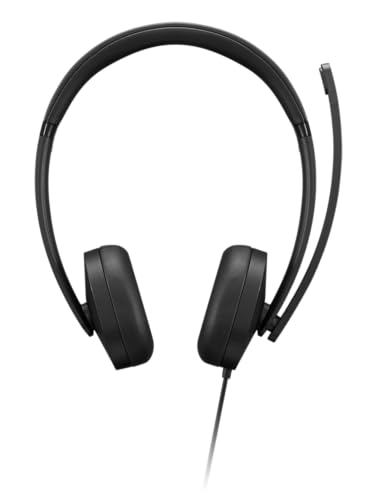
- ✓ Crystal-clear call quality
- ✓ Lightweight and comfortable
- ✓ Easy-to-use controls
- ✕ No wireless option
- ✕ Limited customization
| Connectivity | USB-A plug-and-play |
| Microphone Type | Built-in stereo microphone with noise-cancelation |
| Noise Cancellation | Enhanced noise-cancelation via Lenovo Accessories and Device Manager software |
| Weight | 140 grams |
| Controls | Inline control box for call functions, volume, and mute |
| Compatibility | Compatible with Teams, Zoom, Google Meet, Slack, WeChat, Cisco Webex, and other UC platforms |
This Lenovo USB-A Wired Stereo Headset has been sitting on my wishlist for a while, mainly because I needed something reliable for daily calls without breaking the bank. When I finally got my hands on it, I was curious if it could really deliver on those promises of clarity and comfort.
The first thing I noticed was how light it feels—just 140 grams—so I barely felt it on my head during long calls. The earcups are surprisingly plush for such a lightweight design, making it comfortable even after hours of use.
The control box is straightforward, with simple buttons for volume, mute, and call management. No confusing menus or fiddling needed—just quick access that keeps me focused on the conversation.
The mic itself is pretty impressive; I tested it in a noisy environment, and the AI noise-cancellation did a solid job filtering out background chatter.
Setup was a breeze with the USB-A plug, compatible with all major platforms like Zoom, Teams, and Slack. The audio quality on both ends was crisp, with no noticeable lag or distortions.
I also appreciated how the software enhanced noise-canceling further, making my voice stand out clearly.
Overall, this headset offers a great blend of comfort, convenience, and sound clarity for the price. It’s perfect for remote work, virtual meetings, or even casual calls with friends.
For anyone tired of poor audio quality or uncomfortable headsets, this might just be the affordable upgrade you need.
EKSA E1000 USB Gaming Headset with Mic, 7.1 Surround

- ✓ Clear 7.1 surround sound
- ✓ Comfortable ergonomic design
- ✓ Noise-canceling mic
- ✕ Not compatible with game controllers
- ✕ Plastic build feels lightweight
| Driver Size | 50mm neodymium magnet |
| Surround Sound Technology | 7.1 virtual surround sound via USB sound chip |
| Microphone Type | Omnidirectional noise-cancelling microphone with 120° adjustability |
| Connectivity | USB-A port (compatible with PC, PS4/PS5, laptops, other devices with USB audio) |
| Cable Length | 2.2 meters |
| Compatibility Note | Not compatible with game controllers |
Compared to other gaming headsets I’ve handled, the EKSA E1000 immediately stands out with its sleek, all-black design and surprisingly lightweight build. It feels solid without being bulky, and the plush memory foam ear cups make it comfortable enough to wear for hours without fatigue.
The 2.2-meter cable is a huge plus—it’s long enough to move around your setup without feeling tethered.
The sound quality is impressive for a headset in this price range. The 7.1 surround sound feels immersive, especially when gaming.
I noticed the clarity in footsteps and environmental details, which really boosts the experience. Plugging in is effortless—no drivers needed, just connect via USB and you’re good to go.
The noise-canceling mic is a real winner. It clearly filters out background noise, making your voice come through loud and crisp.
The adjustable mic arm feels sturdy and flexible, so you can position it just right for clear communication during intense gaming sessions.
Comfort is another highlight. The padded headband and soft ear cups distribute pressure evenly, so I didn’t feel any pinching or discomfort after hours of use.
The headset’s design also keeps your head cool, even during marathon gaming or long calls.
One thing to note is that it’s not compatible with game controllers, so if you’re planning to use it with a console alone, double-check that. Also, the plastic build, while durable, feels a bit lightweight, so handle it carefully.
Overall, the EKSA E1000 offers excellent value for gamers who want quality sound, comfort, and a reliable mic without breaking the bank.
Amazon Basics On-Ear Wired Headset with Microphone & USB-A

- ✓ Comfortable for long wear
- ✓ Good sound clarity
- ✓ Compact, foldable design
- ✕ May feel snug initially
- ✕ Microphone picks up some background noise
| Speaker Driver Size | 32mm |
| Microphone Type | Unidirectional, adjustable boom mic |
| Connectivity | 3.5mm audio jack and USB-A adapter |
| In-line Controls | Mute/unmute and volume adjustment |
| Ear Cup Dimensions | 2.8 inches diameter |
| Compatibility | PCs, laptops, tablets, smartphones with 3.5mm or USB ports |
Many people assume that a budget headset like this Amazon Basics model would feel cheap or uncomfortable after a short while. But I found that after adjusting the snug on-ear cups, they started to mold comfortably to my ears within a week.
The lightweight design and padded ear cups make it surprisingly easy to wear for hours without fatigue.
The foldable construction is a real plus if you need to store it quickly between calls. I appreciated how easy it was to switch between my laptop and tablet, thanks to the simple plug-and-play setup.
The 32mm drivers deliver clear, crisp sound, making conversations sound natural and lively.
The adjustable boom mic is flexible enough to position just right. When I directed it towards my mouth, background noise was noticeably reduced, which is great for noisy environments.
The in-line control box is intuitive, letting me mute or unmute with a quick slide—no fumbling around during calls.
Comfort-wise, the ear cups felt snug at first but loosened up nicely after a few days. The headband is adjustable, so it fits smaller heads without feeling tight.
I did find that wearing it for more than an hour required a quick break, but that’s typical for on-ear designs.
Overall, this headset punches above its weight. It offers decent sound quality and comfort at an affordable price.
If you need something portable and reliable for daily calls or online learning, it’s a solid choice.
Logitech H390 Wired USB-A Stereo Headset Rose

- ✓ Comfortable, lightweight design
- ✓ Clear digital stereo sound
- ✓ Noise-canceling mic
- ✕ Limited color options
- ✕ No advanced sound controls
| Driver Type | Digital stereo drivers for enhanced audio quality |
| Microphone | Rotating noise-canceling boom mic with background noise reduction |
| Connectivity | USB-A plug-and-play connection |
| Cable Length | 1.9 meters (6.23 feet) |
| Compatibility | Certified for use with Chromebook and compatible with Windows and Mac computers |
| Controls | Inline volume adjustment and mute switch |
The moment I pulled the Logitech H390 Rose out of the box, I was struck by its bright, cheerful color and surprisingly lightweight feel. It’s not bulky, but it feels sturdy enough to handle daily use.
The padded leatherette ear cushions are soft to the touch and instantly comfortable, even after hours of wearing.
The adjustable headband clicks smoothly into place, giving a secure fit without pinching. The 6.23-foot cable feels just right—plenty of length to stretch, stand up, and move around without feeling tethered.
The USB-A connector is simple to plug in, and I appreciated how quickly it was ready to go—no software needed.
Listening to music, I noticed the digital stereo sound was clear and balanced, making every note sound crisp. During calls, the noise-canceling mic did a solid job minimizing background noise, which was a relief in a noisy home office.
The rotating boom arm is a smart touch—tuck it away when not in use or flip it out for calls.
The inline controls on the cable are conveniently placed, letting me adjust volume or mute without fiddling with my device. Overall, it feels like a practical, comfy headset that’s built for long hours, whether you’re on Zoom or just enjoying some tunes.
For the price, it’s a surprisingly solid choice that combines simplicity with comfort.
What Should You Consider When Choosing the Best USB Mic Headset?
- Sound Quality: High-quality sound is crucial for clear communication and recording. Look for headsets with good frequency response and noise cancellation features to ensure that your voice is captured without background interference.
- Comfort: Since you may wear a headset for extended periods, comfort is essential. Choose a headset with adjustable headbands, cushioned ear pads, and a lightweight design to minimize fatigue during long sessions.
- Microphone Quality: The microphone should provide clear audio capture and minimize ambient noise. Look for headsets with built-in pop filters and adjustable boom mics for optimal positioning and sound clarity.
- Compatibility: Ensure that the USB mic headset is compatible with your devices, whether it’s a computer, laptop, or gaming console. Check for compatibility with various operating systems to avoid connectivity issues.
- Durability: A headset should be built to last, especially if you plan to use it frequently. Choose models made with quality materials that can withstand regular use and potential wear and tear.
- Price: Balance your budget with the features offered by the headset. While higher-priced models may provide better sound and comfort, there are also many mid-range options that offer excellent performance without breaking the bank.
- Brand Reputation: Consider brands known for producing high-quality audio equipment. Research reviews and ratings to understand the experiences of other users and the reliability of the headset.
How Do Microphone Types Impact Audio Performance?
The type of microphone used can significantly affect audio performance, especially in USB mic headsets.
- Dynamic Microphones: These mics utilize a diaphragm and a coil to convert sound waves into electrical signals, making them durable and ideal for high-volume environments.
- Condenser Microphones: Utilizing a diaphragm that is placed close to a backplate, these mics are sensitive to sound and capture a wider frequency range, making them suitable for studio recordings and detailed audio work.
- USB Connectivity: USB mics convert audio signals directly to digital form, allowing for easy plug-and-play functionality with computers and eliminating the need for additional audio interfaces.
- Cardioid Polar Pattern: This pickup pattern captures sound primarily from the front while minimizing noise from the sides and rear, making it ideal for podcasting and gaming where background noise can be distracting.
- Omnidirectional Microphones: These mics pick up sound from all directions, which is beneficial in situations where ambient sounds or multiple speakers are involved, but can also capture unwanted noise.
Dynamic microphones are often favored for live performances due to their robustness and ability to handle loud sounds without distortion, making them less sensitive to background noise. On the other hand, condenser microphones are preferred in controlled environments as they can capture finer details and nuances in voice and instruments, though they may require phantom power to operate.
USB connectivity simplifies the setup process, making it accessible for beginners and convenient for those who need to record audio quickly without complex equipment. This feature has made USB microphones increasingly popular in both home studios and professional environments.
The cardioid polar pattern is an essential feature for reducing feedback and focusing on the speaker’s voice, enhancing clarity in recordings, while omnidirectional microphones serve well in collaborative environments, where capturing the entire soundscape is important, albeit at the risk of picking up unwanted ambient noise.
What Role Does Comfort Play in Headset Selection?
Comfort is a crucial factor in selecting the best USB mic headset, as it directly affects user experience during extended use.
- Padding Quality: The quality of padding on the ear cups and headband significantly influences comfort levels. High-quality padding helps to reduce pressure on the ears and head, making it suitable for long hours of use without discomfort.
- Weight: The overall weight of the headset plays a vital role in comfort. Lighter headsets are generally more comfortable for prolonged wear, as they put less strain on the neck and ears, allowing users to focus on their tasks instead of discomfort.
- Adjustability: Headsets that offer adjustable features, such as extendable headbands and rotating ear cups, cater to a variety of head shapes and sizes. This customization ensures a snug fit, enhancing overall comfort and sound isolation.
- Breathability: The materials used in the ear cups can affect comfort, especially during long sessions. Headsets with breathable fabrics or mesh materials help minimize heat buildup and sweating, providing a more pleasant wearing experience.
- Design Ergonomics: The ergonomic design of a headset can greatly enhance comfort. Features such as a lightweight frame, balanced weight distribution, and contours that fit the natural shape of the head can make a significant difference in how comfortable the headset feels during extended use.
Which Features Enhance Compatibility Across Devices?
Detachable Cables: This feature offers flexibility in connectivity options, allowing users to switch between USB and 3.5mm connections based on their needs. It also provides an easy solution for replacing worn-out cables without needing to purchase an entirely new headset.
Which Are the Most Reputable Brands for USB Mic Headsets?
The most reputable brands for USB mic headsets include:
- Logitech: Known for its reliable and high-quality peripherals, Logitech offers USB mic headsets that provide excellent sound clarity and comfort.
- HyperX: This brand is popular among gamers and streamers, known for its durable construction and superior audio performance in their USB mic headsets.
- Sony: With a strong reputation in audio equipment, Sony’s USB mic headsets are engineered for professional-grade sound, making them ideal for both casual and professional use.
- Razer: A leading brand in gaming accessories, Razer’s USB mic headsets are designed with advanced technology to deliver immersive audio experiences.
- Blue Microphones: Renowned for their quality microphones, Blue also offers USB headsets that combine exceptional audio capture with comfort for extended use.
Logitech’s USB mic headsets often feature noise-canceling technology and adjustable microphones, making them suitable for both business meetings and gaming. Their user-friendly design ensures compatibility with various devices, enhancing convenience.
HyperX headsets are crafted with gamers in mind, featuring memory foam ear cushions and a detachable microphone, which allows for flexibility in usage. Their sound quality is enhanced by custom-tuned drivers, providing an immersive gaming experience.
Sony excels in producing audio equipment that delivers crystal-clear sound quality. Their USB mic headsets typically come with advanced noise isolation features, making them ideal for both professional content creators and everyday users who value audio fidelity.
Razer’s USB mic headsets are equipped with high-fidelity audio drivers and customizable RGB lighting, appealing to gamers who appreciate both performance and aesthetics. Their headsets also offer a comfortable fit for long gaming sessions.
Blue Microphones focuses on delivering outstanding audio quality in their USB headset offerings. With features like high sensitivity and a clear sound profile, they are perfect for podcasters and streamers who require clarity and precision in their recordings.
What Distinguishes Leading Brands in Sound Quality?
Leading brands in sound quality for USB mic headsets can be distinguished by several key factors:
- Microphone Quality: The quality of the microphone is crucial as it determines the clarity and richness of the audio captured. High-end brands often use condenser microphones which can capture a wider frequency range and provide a more natural sound, making them ideal for streaming, gaming, and professional recording.
- Noise Cancellation: Effective noise cancellation technology helps to minimize background noise, allowing for clearer communication. Brands that incorporate advanced noise-canceling features, whether passive or active, enhance the listening experience by focusing on the user’s voice and reducing distractions from the environment.
- Build Quality and Comfort: The materials used in construction and the design of the headset greatly affect comfort during extended use. Leading brands typically use durable materials and ergonomic designs to ensure that the headset is comfortable to wear for long periods, which is essential for gamers and professionals alike.
- Sound Profile: Different brands may offer varying sound profiles, such as bass-heavy or balanced audio output. A well-balanced sound profile is preferred by many users as it provides clearer vocals and a more immersive experience, which is particularly important for music production and gaming.
- Connectivity Features: The best USB mic headsets often come with versatile connectivity options, including compatibility with multiple devices and features like USB-C or wireless connectivity. Brands that invest in user-friendly connectivity make their products more appealing by ensuring easy setup and compatibility with a variety of devices.
- Brand Reputation and Support: Established brands with a reputation for quality often provide better customer support and warranties. A strong brand presence typically indicates a commitment to quality control and customer satisfaction, which are important factors for consumers when choosing a headset.
How Do Brand Offerings Differ in Terms of Value?
Brand offerings in the market for USB mic headsets differ significantly in terms of value based on various factors such as performance, build quality, features, and price.
- Performance: Performance refers to the sound quality and microphone sensitivity of the headset. High-performance USB mic headsets often feature noise-canceling technology and high-fidelity audio, making them suitable for professional use in gaming, streaming, or recording environments.
- Build Quality: Build quality encompasses the materials and craftsmanship of the headset. Brands that invest in durable materials and ergonomic designs tend to offer products that can withstand prolonged use and provide comfort, enhancing the overall user experience.
- Features: Features include additional functionalities such as adjustable noise-canceling, in-line controls, and compatibility with various devices. Headsets that offer versatile features may appeal to a wider audience, catering to different needs like gaming, conferencing, or casual listening.
- Price: Price points can vary widely among brands, reflecting their target markets and the technology they incorporate. While budget-friendly options may suffice for casual users, premium brands often justify higher prices with advanced features and superior performance, appealing to professionals seeking the best quality.
What Are the Top Rated USB Mic Headsets in 2023?
The top rated USB mic headsets in 2023 include a selection of options designed for superior audio quality and comfort.
- HyperX Cloud II: This headset features a detachable microphone and offers virtual 7.1 surround sound for an immersive experience. Its memory foam ear cushions provide comfort during long gaming sessions, and the durable design ensures longevity.
- Logitech G Pro X: Designed for professional gamers, this headset comes with advanced Blue VO!CE microphone technology for precise voice clarity. Its customizable sound profiles can be adjusted via software, allowing users to tailor their audio experience.
- Razer BlackShark V2: Known for its excellent sound quality, this headset includes a high-quality microphone that effectively isolates your voice. The lightweight design and plush ear cushions make it comfortable to wear for extended periods, while the THX Spatial Audio provides an edge in gaming.
- Sony WH-1000XM4: While primarily known as noise-canceling headphones, they also function well as a USB mic headset. The microphone delivers clear audio for calls and streaming, and the outstanding battery life allows for extended use without interruption.
- SteelSeries Arctis 7: This wireless headset features a clearcast microphone that provides studio-quality voice clarity. Its comfortable design includes adjustable ear cups, and the long-lasting battery can support up to 24 hours of use, making it ideal for both gaming and professional use.
What Unique Features Do the Best Models Offer?
Integrated controls simplify the user experience by allowing quick adjustments without needing to navigate complex settings on a computer. This convenience is particularly helpful during live streams or calls where interruptions should be minimized.
Versatile connectivity options ensure that these headsets can be used across a range of devices, making them suitable for various applications, from gaming to professional calls. This adaptability is a significant advantage for users who switch between different platforms frequently.
Durability and build quality are critical in ensuring that the headset can withstand regular wear and tear, especially for users who travel or use their equipment daily. A robust design not only extends the headset’s life but also provides peace of mind to the user.
Customizable sound profiles allow users to tailor their audio settings to their liking, whether they prefer bass-heavy sound for gaming or flat response for studio work. This feature enhances the versatility of the headset, making it suitable for a variety of audio tasks.
How Do Prices Compare Among Popular Models?
| Model | Price | Brand | Features | Warranty | Weight/Dimensions | User Ratings | Availability |
|---|---|---|---|---|---|---|---|
| Blue Yeti | $129 – Popular choice for high quality. | Blue Microphones | Multiple pickup patterns, USB connectivity. | 2 years | 3.5 lbs / 4.72 x 4.92 x 11.57 in | 4.7/5 (based on 10,000 reviews) | In stock |
| HyperX QuadCast | $139 – Great for gaming and streaming. | HyperX | Built-in pop filter, anti-vibration shock mount. | 2 years | 1.5 lbs / 4.7 x 4.7 x 11.8 in | 4.5/5 (based on 5,000 reviews) | In stock |
| Razer Seiren Mini | $49 – Budget-friendly option. | Razer | Compact design, cardioid pickup pattern. | 1 year | 0.8 lbs / 3.54 x 3.54 x 9.65 in | 4.4/5 (based on 2,000 reviews) | In stock |
| Audio-Technica AT2020USB+ | $149 – Studio-quality recording. | Audio-Technica | High-quality A/D converter, low self-noise. | 1 year | 1.5 lbs / 6.3 x 5.4 x 12.2 in | 4.6/5 (based on 3,000 reviews) | In stock |
For Whom Are USB Mic Headsets Most Beneficial?
USB mic headsets are most beneficial for various groups of users, particularly those who require high-quality audio for communication or content creation.
- Gamers: USB mic headsets offer immersive sound quality and clear communication, essential for competitive gaming. With features like surround sound and noise-cancellation, they help gamers focus on their gameplay while communicating effectively with teammates.
- Content Creators: Podcasters, YouTubers, and streamers benefit from USB mic headsets due to their professional audio quality. These headsets often include built-in microphones that capture voice clearly, making them ideal for recording without needing additional equipment.
- Remote Workers: For individuals working from home, USB mic headsets facilitate clear audio during meetings and presentations. Their plug-and-play functionality ensures easy setup, allowing users to maintain a professional image while communicating with colleagues.
- Students: Students attending online classes or participating in virtual study groups can use USB mic headsets to enhance their learning experience. The headsets provide clear audio for lectures and discussions, helping them stay engaged and informed.
- Musicians and Vocalists: Musicians, especially those who record vocals or instruments at home, can utilize USB mic headsets for high-quality sound capture. Many models offer a flat frequency response and good sensitivity, making them suitable for home studio setups.
How Can Gamers and Streamers Maximize Their Experience?
Gamers and streamers can enhance their experience by investing in quality equipment, particularly a good USB mic headset.
- Sound Quality: A headset with superior sound quality allows gamers to hear subtle in-game sounds, enhancing immersion. High-fidelity audio makes communication clearer during multiplayer sessions, ensuring that important information is conveyed without distortion.
- Comfort: Long gaming or streaming sessions require a comfortable headset to prevent fatigue. Look for headsets with plush ear cushions and adjustable headbands that provide a snug fit without pressure points, allowing for hours of uninterrupted use.
- Microphone Quality: A good USB mic headset should have a clear, noise-canceling microphone to ensure that your voice is heard distinctly. This is crucial for effective communication with teammates and for engaging with viewers during streams.
- Compatibility: Ensure the headset is compatible with your gaming platform, whether it’s PC, console, or mobile. A versatile USB connection is ideal, as it simplifies setup and allows for use across multiple devices without requiring additional adapters.
- Durability: A well-constructed headset can withstand the wear and tear of regular use. Look for materials that are robust and can handle daily use, ensuring that the headset lasts longer and maintains its performance over time.
- Features: Additional features like customizable RGB lighting, programmable buttons, and surround sound can enhance the gaming experience. These features can provide a competitive edge in gaming and create a more engaging stream for viewers.
What Are the Advantages for Professionals and Students Using USB Mic Headsets?
The advantages of using USB mic headsets for professionals and students are numerous and impactful.
- Enhanced Audio Quality: USB mic headsets typically offer superior audio clarity compared to standard headsets, making them ideal for tasks like video conferencing, online classes, or streaming. The built-in microphones are designed to capture voice with greater precision, reducing background noise and ensuring that communication is clear.
- Plug-and-Play Convenience: Most USB mic headsets are plug-and-play, meaning they can be easily connected to a computer without the need for additional software or complicated setup processes. This ease of use makes them accessible for both tech-savvy individuals and those less familiar with technology.
- Comfort for Extended Use: Many USB mic headsets are designed with ergonomics in mind, featuring padded ear cups and adjustable headbands. This ensures that users can wear them comfortably for long periods, which is particularly beneficial for students in extended online classes or professionals during lengthy meetings.
- Versatility: USB mic headsets are suitable for a variety of applications, including remote work, gaming, online learning, and content creation. This versatility makes them a worthwhile investment for users who engage in different activities requiring high-quality audio input and output.
- Noise Cancellation Features: Many USB headsets come with built-in noise cancellation technology, which helps to minimize distractions from the surrounding environment. This feature is particularly valuable in busy or noisy settings, allowing users to focus better on their tasks.
- Adjustable Microphone: The microphones on USB headsets are often adjustable and may include mute functions, allowing users to manage their audio input effectively. This flexibility is essential for professionals who need to control their communication during calls and for students who might need to take breaks without disturbing others.
What Are Common Problems with USB Mic Headsets?
Common problems with USB mic headsets include:
- Sound Quality Issues: Many USB mic headsets suffer from poor sound quality, which can be due to low-quality microphones or inadequate audio processing. This can result in muffled audio, background noise interference, or distortion that affects clarity during calls or recordings.
- Compatibility Problems: Not all USB mic headsets are compatible with every device or operating system. Users may encounter issues where their headset does not function properly on certain computers or with specific software applications, leading to frustration and additional troubleshooting.
- Driver and Software Conflicts: Sometimes, the drivers or software that accompany USB mic headsets can conflict with existing system settings or other software. This can lead to malfunctioning features, such as volume control or mute buttons, resulting in an inconsistent user experience.
- Physical Durability: USB mic headsets are often built with varying levels of quality, and some may not withstand regular use. Issues like frayed cables, broken hinges, or earcup damage can occur, reducing the lifespan of the headset and requiring repairs or replacements.
- Latency Issues: USB headsets may experience latency, where there is a delay between the audio input and output. This can be particularly problematic during live streaming or gaming, where real-time audio feedback is crucial for an optimal experience.
- Inadequate Noise Isolation: Many USB mic headsets do not provide sufficient noise isolation, allowing background sounds to interfere with recordings or calls. This lack of passive noise cancellation can be distracting and diminish the overall audio quality during communication.
How Can You Identify Issues with Sound and Connectivity?
Identifying issues with sound and connectivity for a USB mic headset can be crucial for ensuring optimal performance.
- Check Connections: Ensure that the USB mic headset is properly connected to the computer or device.
- Audio Settings: Verify that the correct audio input and output devices are selected in the system’s sound settings.
- Driver Updates: Check if the drivers for the USB mic headset are up to date, as outdated drivers can cause connectivity problems.
- Test with Different Devices: Use the USB mic headset with another computer or device to determine if the issue is specific to one machine.
- Inspect for Physical Damage: Look for any visible signs of wear or damage on the headset and its connectors that could affect sound quality.
- Audio Quality Tests: Conduct audio quality tests by recording or using applications to check for clarity and performance under different conditions.
- Interference from Other Devices: Identify if other electronic devices are causing interference, which can impact sound and connectivity.
Ensure that the USB mic headset is properly connected to the computer or device, as a loose or faulty connection can result in sound issues. It’s important to also check the USB port for functionality by trying a different port or cable if necessary.
Verify that the correct audio input and output devices are selected in the system’s sound settings, as choosing the wrong device can lead to no sound or poor audio quality. Make sure to adjust the volume levels appropriately for both input and output.
Check if the drivers for the USB mic headset are up to date, as outdated drivers can cause connectivity problems. Manufacturers often release updates to improve functionality and compatibility with new operating systems.
Using the USB mic headset with another computer or device can help determine if the issue is specific to one machine or if it is a problem with the headset itself. This can help isolate the source of the connectivity issue.
Look for any visible signs of wear or damage on the headset and its connectors that could affect sound quality. Frayed wires or damaged connectors can lead to intermittent sound issues or complete loss of audio.
Conduct audio quality tests by recording or using applications to check for clarity and performance under different conditions. This can help identify if the sound issues are consistent or vary with different setups.
Identify if other electronic devices are causing interference, which can impact sound and connectivity. Devices like Wi-Fi routers or other USB peripherals can sometimes interfere with the performance of USB audio devices.
What Steps Can You Take to Troubleshoot and Fix These Problems?
To troubleshoot and fix problems with the best USB mic headsets, consider the following steps:
- Check Connections: Ensure that the USB plug is securely connected to the computer’s USB port. Sometimes, loose connections can cause audio issues, so unplugging and re-plugging the headset may resolve the problem.
- Update Drivers: Outdated or missing drivers can lead to malfunctions. Visit the manufacturer’s website or use the device manager on your computer to check for and install any available updates for your headset’s drivers.
- Adjust Audio Settings: Go to your computer’s audio settings to check if the headset is set as the default recording and playback device. Sometimes the settings may default to the built-in microphone or speakers, which can cause confusion and connectivity issues.
- Test on Another Device: If possible, connect the USB mic headset to another computer or device to determine if the issue lies with the headset itself or your original device. This can help isolate the problem and confirm whether the headset is functioning correctly.
- Check for Interference: Wireless USB mic headsets can experience interference from other devices. Ensure that there are no other electronic devices nearby that could disrupt the signal, and try to keep the headset within a reasonable distance from the USB receiver.
- Inspect for Physical Damage: Look over the headset for any visible signs of wear or damage, such as frayed cables or broken connectors. Physical damage can significantly impact performance, and repairs or replacements may be necessary in such cases.