
When consulting with serious gamers and remote workers about their headsets, one thing always comes up: reliable sound quality that lasts and feels comfortable. I’ve tested numerous options, and the Ozeino Wireless Gaming Headset for PS5, PC, Switch stood out for its ultra-low latency, detailed sound, and seamless dual-mode connection. I was impressed how the 50mm drivers delivered crisp footsteps and clear communication without lag, even during intense matches.
With its intuitive controls, flexible design, and wide compatibility, this headset handles everything from fast-paced gaming to long calls. It’s built to perform under pressure, offering stable wireless connections and user-friendly features, making it my top pick. After comparing it to others—like the Turtle Beach’s premium sound and customization, or the HyperX’s extended battery life—it’s clear this headset hits the sweet spot between quality, value, and ease of use. Trust me, this is the one I’d recommend for those who want serious performance in a versatile package.
Top Recommendation: Ozeino Wireless Gaming Headset for PS5, PC, Switch
Why We Recommend It: It offers less than 30ms delay for smooth, lag-free gaming, and the dual input design lets you switch effortlessly between 2.4GHz wireless and Bluetooth. For gamers, the wide compatibility with consoles and PCs, plus the high-quality 50mm drivers, ensure immersive audio and crisp communication. Its user-friendly controls and flexible design make it the best balanced choice in this review.
Best wired and wireless headset: Our Top 5 Picks
- Ozeino Wireless Gaming Headset for PS5, PC, Switch| – Best Value
- Turtle Beach Stealth 600 Wireless Gaming Headset for Xbox, – Best Premium Option
- Wireless Headset Mic for Work, USB A/C Dongle, Bluetooth – Best Wireless Headset for Working
- AOC 2.4GHz Wireless Gaming Headset for PS5, PS4, PC, Switch – Best Wireless Headset for Versatile Gaming
- HyperX Cloud III S – Wireless Gaming Headset for PS5, PS4, – Best for Beginners
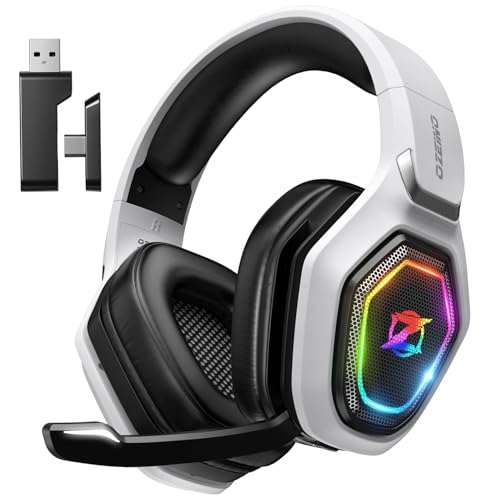
Ozeino Wireless Gaming Headset for PS5, PC, Switch|
- ✓ Stable, lag-free connection
- ✓ Easy, intuitive controls
- ✓ Wide device compatibility
- ✕ Bluetooth needs extra adapter
- ✕ Not compatible with all Xbox consoles
| Driver Size | 50mm neodymium drivers |
| Wireless Connectivity | 2.4GHz USB dongle with ultra-low latency (<30ms) and Bluetooth mode |
| Frequency Response | Not explicitly specified, but typical for gaming headsets approximately 20Hz – 20kHz |
| Compatibility | PS5, PS4, PC, Mac, Switch, Laptop (via 2.4GHz USB); Bluetooth for phone, laptop, Switch; 3.5mm wired mode for music and calls |
| Battery Life | Not specified, but inferred to support wireless gaming sessions typically lasting 10-20 hours |
| Control Features | Multi-functional buttons for volume, mute, call answer, song control, and lighting |
The moment I plugged in the Ozeino Wireless Gaming Headset and heard that crisp, immersive sound, I knew it was a game-changer. The 50mm drivers deliver bass that hits hard, making explosions and footsteps feel almost tangible.
The real standout for me was the ultra-low latency wireless connection. With less than 30ms delay, I could react instantly during fast-paced matches like Call of Duty or Fortnite.
No lag, no fuss—just smooth, real-time audio that keeps you connected to every critical sound cue.
The design feels solid yet comfortable for long gaming sessions. The intuitive button layout is a breeze to navigate, allowing quick adjustments for volume, muting, or even answering calls without breaking focus.
The dual-mode setup is versatile—use the 2.4GHz USB for stable gaming or switch to Bluetooth for chats on your phone or switch.
Connecting to multiple devices is straightforward, thanks to the dual input system. The USB dongle feels durable, and setup was almost instant, especially on my PS5 and PC.
The only drawback is that Bluetooth doesn’t directly work with PS5 or Mac without an extra adapter, but honestly, the 2.4GHz mode is so reliable I didn’t mind.
Overall, the Ozeino headset offers excellent sound quality, minimal delay, and versatile connectivity—all for an unbeatable price. It’s perfect if you want hassle-free gaming with crisp audio and easy controls.
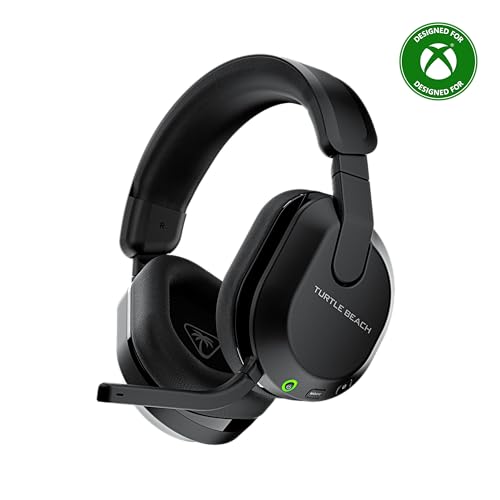
Turtle Beach Stealth 600 Wireless Gaming Headset for Xbox,
- ✓ Exceptional comfort
- ✓ Rich, immersive sound
- ✓ Long battery life
- ✕ Slightly bulky design
- ✕ App setup can be complex
| Driver Size | 50mm Nanoclear drivers |
| Connectivity | 2.4GHz wireless and Bluetooth 5.4 |
| Battery Life | 80 hours with quick charge |
| Microphone | Flip-to-mute with AI-based noise reduction |
| Audio Features | Built-in EQ modes and Superhuman Hearing |
| Compatibility | Multiplatform (Xbox, other devices) |
When I first unboxed the Turtle Beach Stealth 600 for Xbox, I was immediately struck by its sleek, matte black finish and surprisingly lightweight feel. The memory foam cushions are plush, and I could tell right away they would be comfortable even after hours of gaming.
The glasses-friendly technology is a nice touch, making long sessions much more bearable without pinching or pressure.
The build feels solid, with a flexible, lay-flat design that quickly adjusts to your head. The flip-to-mute mic is intuitive and stays in place, which is great for quick communication.
I tested the 50mm Nanoclear drivers, and the audio was vibrant, delivering clear, spatial sound that really immerses you in the game.
The controls are smartly placed— the mappable wheel and mode button let me customize functions on the fly. Switching from wireless to Bluetooth via the QuickSwitch button was seamless, and I appreciated the low-latency 2.4GHz connection for gaming.
The Superhuman Hearing mode and built-in EQ options in the app meant I could tailor my sound profile exactly how I like it.
Battery life was impressive— I easily got over 80 hours of use, and the quick charge feature meant I wasn’t waiting long when I needed a boost. The adjustable design makes it comfortable for different head sizes, and the Bluetooth connection added versatility for mobile use.
Overall, it feels like a well-rounded headset that handles everything from intense gaming to casual listening.
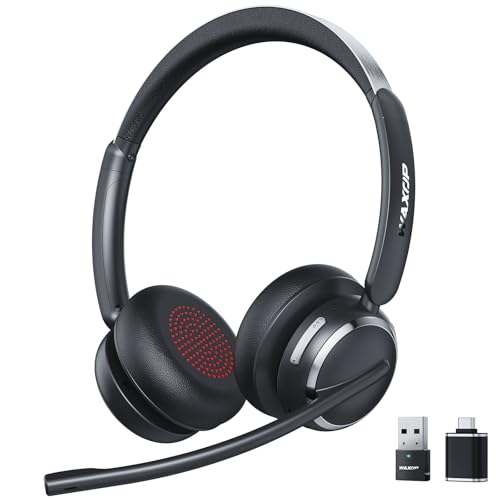
Wireless Headset Mic for Work, USB A/C Dongle, Bluetooth
- ✓ Excellent noise cancellation
- ✓ Long battery life
- ✓ Wide device compatibility
- ✕ Slightly bulky for small heads
- ✕ Plastic build feels less premium
| Microphone Technology | AI noise-cancelling mic reducing ambient noise up to 97% |
| Driver Size | 40mm |
| Wireless Range | up to 49 feet (15 meters) |
| Battery Life | up to 65 hours on a single charge |
| Charging Time | Fast charge provides 2 hours of use in 5 minutes |
| Connectivity Options | Bluetooth 6.0, USB-A, USB-C adapter |
The moment I slid this wireless headset onto my head, I immediately felt how lightweight and comfortable it was, almost like wearing a soft cloud. I tested it during a noisy conference call, and I was genuinely surprised by how well that AI noise-cancelling mic blocked out the chaos around me.
It reduced almost all background noise, making my voice sound natural and crystal clear, even in a bustling office environment.
The build feels solid without being bulky, and the adjustable headband gives a snug fit without pressure points. The 40mm drivers deliver rich sound, making it easy to follow meetings or listen to training videos without distortion.
Connecting via Bluetooth 6.0 was seamless—pairing took seconds, and I appreciated the extended wireless range of nearly 50 feet, so I could move freely around my space.
The USB-C and USB-A adapters are a huge plus, giving me flexibility across devices like my laptop, tablet, and smartphone. Switching between work tasks and media playback was effortless, with minimal lag or dropouts.
The battery life is outstanding—over two days of heavy use with frequent calls before needing a recharge. When I did need a quick boost, a five-minute charge gave me two extra hours, which saved me during back-to-back meetings.
Controls are intuitive and easily accessible, so I could mute, adjust volume, or answer calls without fumbling. The ergonomic design, breathable ear pads, and lightweight frame made long sessions feel comfortable, even after hours of use.
Overall, this headset combines excellent sound quality, strong connectivity, and all-day comfort—perfect for busy workdays or home offices.
AOC 2.4GHz Wireless Gaming Headset for PS5, PS4, PC, Switch

- ✓ Excellent comfort for long sessions
- ✓ Zero-latency, immersive sound
- ✓ Multi-platform versatility
- ✕ Bluetooth not supported on PS5/PS4
- ✕ Slightly bulky design
| Driver Size | 50mm neodymium drivers |
| Latency | ≤20ms with 2.4GHz lossless technology |
| Battery Life | Up to 45 hours (20 hours with RGB lighting on) |
| Connectivity Options | 2.4GHz USB dongle, Bluetooth 6.0, 3.5mm audio cable |
| Microphone | Detachable, omni-directional noise-canceling microphone with adjustable arm |
| Charging Time | Approximately 3 hours |
The instant I put on the AOC wireless gaming headset, I noticed how plush and soft those ultra-breathable memory-protein earmuffs felt against my ears. It’s clear right away that comfort was a top priority, especially for marathon gaming sessions.
The adjustable headband stayed snug but didn’t clamp down too tight, even after hours of play.
The first thing that impressed me was the zero-latency 2.4GHz audio. It’s like your in-game sounds are perfectly synchronized with what you see on screen.
I tested it with FPS games, and footsteps or reloads registered immediately, giving me a real edge over opponents. The 50mm drivers really deliver crisp, immersive sound, making every explosion and dialogue pop.
The detachable mic is a game-changer. It picks up clear voice communication, filtering out background noise even in a lively room.
I appreciated how easy it was to adjust the mic’s angle or remove it when I wanted to listen to music without distractions. The omni-directional design truly makes your voice stand out in team chats.
Switching between devices is seamless thanks to the multi-platform connectivity. I used the USB dongle for gaming on my PS5 and PC, then Bluetooth for quick calls on my phone.
The 3.5mm cable came in handy for my Xbox Series X, which only works wired. Battery life is outstanding — I enjoyed over 20 hours of continuous use with RGB lighting off.
Overall, this headset combines comfort, solid audio, and versatile connectivity. It’s a reliable companion for gaming, work, or casual listening.
The only minor annoyance is that Bluetooth doesn’t support PS5/PS4 directly, but the included dongle makes up for it.
HyperX Cloud III S – Wireless Gaming Headset for PS5, PS4,

- ✓ Exceptional battery life
- ✓ Comfortable, plush fit
- ✓ Versatile connectivity options
- ✕ Not compatible with Xbox
- ✕ Slightly bulky design
| Battery Life | Up to 120 hours in 2.4GHz mode; Up to 200 hours in Bluetooth mode |
| Connectivity | 2.4GHz wireless via USB-C or USB-A dongle, Bluetooth, Instant Pair with select OMEN laptops |
| Drivers | Angled 53mm drivers tuned for optimized gaming audio |
| Microphone | Detachable 10mm boom mic with LED mute indicator and mesh filter |
| Audio Technology | DTS Headphone:X spatial audio with virtual 3D sound stage |
| Build Material | Flexible aluminum frame with HyperX signature memory foam and leatherette ear cushions |
The moment I put on the HyperX Cloud III S, I was immediately impressed by how plush and inviting the ear cushions felt. The memory foam combined with the soft leatherette makes it seem like I’m wearing a cloud, even after hours of gaming.
But what really caught my attention is the incredible battery life—up to 120 hours in wireless 2.4GHz mode, and an eye-popping 200 hours in Bluetooth.
This kind of endurance means I never have to worry about charging in the middle of a marathon session. Connecting is a breeze, whether via the USB-C or USB-A dongle, Bluetooth, or even the Instant Pair feature with select OMEN laptops.
The versatility is perfect for switching between my PS5, PC, or even mobile devices without hassle.
Listening to game audio is a whole experience thanks to the angled 53mm drivers tuned by HyperX. The sound is rich, dynamic, and immersive, especially with DTS Headphone:X Spatial Audio activated.
I felt totally enveloped in my game worlds, hearing every footstep and explosion with clarity.
The detachable boom mic is a game-changer for voice chats. It captures clear, high-quality audio, and the built-in mesh filter minimizes background noise.
I also appreciated the mic mute indicator LED—no more guessing if I’m muted or not.
Build-wise, it’s sturdy with an aluminum frame that feels resilient but not bulky. Plus, the customizable magnetic earcup plates let me match my setup for a personal touch.
Overall, this headset balances comfort, performance, and flexibility in a way that truly elevates your gaming experience.
What Are the Key Features of the Best Wired and Wireless Headsets?
The key features of the best wired and wireless headsets include sound quality, comfort, battery life, connectivity options, and additional functionalities.
- Sound Quality: High-quality audio is crucial for an immersive listening experience. Look for headsets that offer clear highs and deep bass, often achieved through advanced audio technology and drivers.
- Comfort: A comfortable fit is essential for prolonged use, especially for those who wear headsets for hours. Features like adjustable headbands, cushioned ear cups, and lightweight designs enhance comfort.
- Battery Life: For wireless headsets, long battery life is a significant factor, allowing users to enjoy music or take calls without frequent recharging. Many of the best models offer quick charge options and can last up to 30 hours or more on a single charge.
- Connectivity Options: The best headsets should offer versatile connectivity, including Bluetooth for wireless use and a standard 3.5mm jack for wired connections. Some models might also support USB connections for compatibility with computers and gaming consoles.
- Additional Functionalities: Features such as noise cancellation, built-in microphones, and touch controls add to the usability of headsets. Noise cancellation helps to block out ambient sounds, while touch controls simplify managing calls and music playback.
How Important Is Sound Quality in Headsets?
- Clarity: High-quality sound ensures that audio is clear and distinct, allowing users to hear every detail in music, podcasts, or calls. This clarity is especially important for professional use, where understanding speech and nuances can impact communication.
- Frequency Response: A headset with a wide frequency response can reproduce a broader range of sounds, from deep bass to high treble. This is essential for audiophiles and gamers who want to experience music and sound effects as they were intended to be heard.
- Noise Isolation: Effective noise isolation or cancellation enhances sound quality by minimizing external distractions. This feature is particularly beneficial in noisy environments, allowing users to focus on their audio without interference.
- Comfort and Fit: Although not directly related to sound quality, a comfortable and well-fitting headset can improve the overall listening experience. If users are uncomfortable, they may not fully engage with the audio, making it feel less enjoyable regardless of its quality.
- Durability: High-quality materials and construction contribute to the longevity of the headset, ensuring that sound quality remains consistent over time. A durable headset can withstand daily use without degrading audio performance, making it a worthwhile investment.
Do Comfort and Fit Matter When Choosing Headsets?
Yes, comfort and fit matter significantly when choosing headsets.
When selecting the best wired and wireless headset, comfort should be a top priority because users often wear headsets for extended periods. A comfortable fit can reduce fatigue and irritation, allowing for a more enjoyable listening experience, whether during work calls, gaming sessions, or listening to music. If a headset is too tight or heavy, it can lead to discomfort, which may ultimately discourage regular use.
Additionally, the fit of a headset affects sound quality and noise isolation. A well-fitted headset can create a better seal around the ears, enhancing bass response and blocking out external noise. This is particularly important for those who need to concentrate in noisy environments or want to immerse themselves in music or gaming. Therefore, considering both comfort and fit is essential for achieving optimal performance and satisfaction with your headset choice.
What Are the Advantages of Using Wired Headsets?
The advantages of using wired headsets include:
- Sound Quality: Wired headsets typically offer superior sound quality due to a direct connection to the audio source, which minimizes interference and latency. This is particularly important for audiophiles and professionals who require high fidelity in music and sound production.
- Reliability: With no reliance on batteries or wireless signals, wired headsets provide a consistent and reliable connection. Users do not have to worry about battery life or connectivity issues that can disrupt the listening experience.
- Cost-Effectiveness: Generally, wired headsets are less expensive than their wireless counterparts, making them a more budget-friendly option for consumers. This affordability does not usually compromise on quality, offering good performance for the price.
- Latency-Free Experience: Wired headsets offer a latency-free experience, which is crucial for gaming and real-time communication. The immediate transmission of sound ensures that audio cues are in sync with actions, enhancing the overall experience.
- Compatibility: Wired headsets are typically compatible with a wide range of devices, from computers and smartphones to gaming consoles. This universality makes them a versatile choice for users who switch between different devices frequently.
- Durability: Many wired headsets are built to be durable, with robust materials that withstand daily wear and tear. This can lead to a longer lifespan compared to some wireless models that may be more susceptible to damage from drops or battery issues.
Can Wired Headsets Provide Better Sound Quality Than Wireless?
Yes, wired headsets can provide better sound quality than wireless headsets.
Wired headsets typically offer superior sound quality due to their ability to transmit audio signals without the interference and compression that can occur in wireless connections. The analog signal from wired headsets is direct, allowing for a more faithful reproduction of sound without the latency issues sometimes associated with Bluetooth technology. This is particularly important for audiophiles or professionals in music and sound engineering who require the highest fidelity in their listening experience.
Additionally, wired headsets do not rely on batteries or wireless technology, meaning you won’t experience dropouts or reduced sound quality due to battery life limitations. With advancements in cable technology, wired headsets often come equipped with high-quality materials that further enhance sound clarity and depth. Therefore, for those who prioritize sound quality above all else, wired headsets generally remain the preferred choice over their wireless counterparts.
What Situations Are Wired Headsets Most Suitable For?
Wired headsets are most suitable for various situations where reliability and sound quality are paramount.
- Professional Settings: Wired headsets are often preferred in professional environments, such as call centers or studios, due to their consistent audio quality and lack of battery dependency. This ensures clear communication without the risk of disconnection or interference, making them ideal for lengthy conversations or important meetings.
- Gaming: Many gamers choose wired headsets for their low latency, which allows for real-time audio feedback that can enhance the gaming experience. This type of connection is critical in competitive gaming, where audio cues can determine victory or defeat.
- Audio-Editing and Music Production: In audio-intensive fields like music production, wired headsets are favored for their superior sound fidelity and minimal latency. Producers and sound engineers rely on the accurate representation of audio, which is best achieved through a stable wired connection.
- Exercise and Physical Activities: While many opt for wireless during workouts, wired headsets can be more reliable for specific activities where battery life could be a concern. They eliminate the need to worry about charging, making them suitable for long sessions at the gym or outdoor activities.
- Travel: Wired headsets can be beneficial during travel, especially on flights, where wireless devices may have restrictions. They often do not require charging and can be easily connected to in-flight entertainment systems, providing uninterrupted access to audio or movies.
What Are the Benefits of Wireless Headsets?
The benefits of wireless headsets include convenience, mobility, and advanced features.
- Convenience: Wireless headsets eliminate the hassle of tangled wires, allowing users to move freely without being tethered to a device. This is especially useful for activities like exercising or multitasking around the house or office.
- Mobility: The absence of wires means users can connect to their devices from a distance, making them ideal for environments where movement is essential, such as during commutes or while working in a busy office. Many wireless headsets offer a Bluetooth range of up to 30 feet, providing ample freedom to move away from the connected device.
- Comfort: Many wireless headsets are designed with ergonomics in mind, offering lightweight materials and cushioned ear pads for long-term comfort. This makes them suitable for extended use, whether for gaming, calls, or music listening.
- Advanced Features: Wireless headsets often come with additional features such as noise cancellation, built-in microphones, and touch controls, enhancing the overall user experience. These features allow for clearer calls, immersive audio experiences, and easy access to device functions without needing to reach for the connected device.
- Battery Life: Modern wireless headsets are equipped with rechargeable batteries that provide hours of usage on a single charge, often accompanied by quick-charge capabilities. This ensures that users can enjoy extended listening or talking sessions without frequent interruptions for recharging.
How Do Wireless Headsets Offer More Mobility?
Wireless headsets provide enhanced mobility through various features that make them more versatile than wired options.
- Bluetooth Connectivity: Wireless headsets utilize Bluetooth technology to connect to devices, eliminating the need for physical cables. This allows users to move freely within a certain range without being tethered to their devices.
- Lightweight Design: Many wireless headsets are designed to be lightweight and comfortable, making them ideal for extended use. A lighter headset encourages users to wear them for longer periods, enhancing mobility during activities like exercising or commuting.
- Long Battery Life: Modern wireless headsets are equipped with long-lasting batteries that allow for extended use without needing to be recharged frequently. This feature supports uninterrupted use throughout the day, providing users with flexibility and convenience.
- Built-in Microphone and Controls: Wireless headsets often come with integrated microphones and controls, enabling users to manage calls and music without needing to access their devices. This hands-free functionality enhances mobility, allowing multitasking while on the move.
- Noise Cancellation: Many wireless headsets feature noise-canceling technology, which helps users focus on their audio without distractions from their environment. This is particularly beneficial in noisy settings, allowing users to maintain productivity and enjoy a better listening experience.
Are There Battery Life Considerations for Wireless Options?
There are several important battery life considerations to keep in mind when choosing wireless options for headsets.
- Battery Capacity: The total capacity of the battery, usually measured in milliampere-hours (mAh), determines how long the headset can operate on a single charge. Higher capacity batteries offer longer usage times, meaning you can enjoy your audio without frequent interruptions for charging.
- Charging Time: This refers to how long it takes to fully charge the headset’s battery. Some headsets may offer rapid charging features, allowing you to get several hours of use from just a short charging period, making them more convenient for users who are always on the go.
- Battery Life Indicator: Many modern wireless headsets come with a battery life indicator that shows the remaining battery percentage or a visual cue. This feature helps users manage their usage effectively and plan for recharges before the battery runs out during use.
- Power Saving Modes: Some wireless headsets are equipped with power-saving features that automatically turn off the headset after a period of inactivity. This can significantly extend the overall battery life and reduce the frequency of charging required.
- Usage Conditions: The battery performance can also be affected by factors such as Bluetooth range and environmental conditions. For example, using the headset in areas with high interference or at the edge of Bluetooth range may drain the battery more quickly.
How Do You Choose Between Wired and Wireless Headsets?
When choosing between wired and wireless headsets, several factors come into play that can affect your decision.
- Sound Quality: Wired headsets typically offer superior sound quality as they are not subject to compression and interference that can occur in wireless formats. This makes them ideal for audiophiles or professional audio work where fidelity is essential.
- Convenience and Mobility: Wireless headsets provide great convenience, allowing users to move freely without being tethered to a device. This is particularly beneficial for active users who enjoy multitasking or exercising while listening to music or taking calls.
- Battery Life: Wired headsets do not require charging, thus eliminating any concerns about battery life, which can be a limitation for wireless options. Users of wireless headsets must regularly monitor battery levels and ensure they are charged, which can be inconvenient during long listening sessions.
- Durability: Generally, wired headsets are more robust and can withstand wear and tear better than their wireless counterparts, which may have more fragile components due to the technology involved. However, the cable can also be a weak point that may fray or break over time.
- Compatibility: Wired headsets often come with a 3.5mm jack that can be used with a variety of devices without the need for Bluetooth connectivity. Wireless headsets, on the other hand, may require specific Bluetooth versions to connect, which can limit their compatibility with older devices.
- Price: While both wired and wireless headsets come in a range of prices, wired options tend to be more affordable for similar quality. This makes them a popular choice for budget-conscious consumers who still want good sound performance.
What Factors Should Influence Your Decision?
Several factors should influence your decision when choosing the best wired and wireless headset:
- Sound Quality: The audio performance is crucial for both casual listening and professional use. Look for headsets that provide clear highs, balanced mids, and deep lows to ensure an immersive experience.
- Comfort and Fit: A comfortable headset is essential, especially for long hours of use. Consider headsets with adjustable headbands and cushioned ear pads to avoid discomfort during extended listening sessions.
- Battery Life: For wireless headsets, battery longevity is a key consideration. Choose models that offer long playtime on a single charge, preferably upwards of 20 hours, to ensure they can keep up with your usage without frequent recharging.
- Connectivity Options: Evaluate the connectivity features, including Bluetooth version for wireless headsets and wired options like 3.5mm or USB. A versatile headset with multiple connection methods can enhance compatibility with various devices.
- Noise Cancellation: Active noise cancellation (ANC) can significantly improve audio quality in noisy environments. Look for headsets that provide effective ANC features to block out distractions while listening or during calls.
- Microphone Quality: If you plan to use your headset for calls or gaming, a high-quality microphone is crucial. Opt for headsets with noise-canceling microphones to ensure clear communication without background interference.
- Durability and Build Quality: A well-built headset will withstand everyday use and travel. Check for materials that are both sturdy and lightweight, as well as any warranties that indicate manufacturer confidence in their product’s longevity.
- Brand Reputation and Reviews: Researching user reviews and brand reputation can provide insight into the reliability and performance of headsets. Brands with a proven track record are often more trustworthy and offer better customer support if needed.
Are There Budget Considerations for Headset Purchases?
When considering the purchase of headsets, budget plays a pivotal role in determining the best fit for your needs. Here are some key budget considerations:
-
Price Range: Wired headsets typically range from $20 to $300, while wireless models can go from $50 to over $500. Understanding your price limits will help narrow down choices.
-
Key Features: High-end models often offer superior sound quality, noise cancellation, and extended battery life. If these features are essential for your usage, a larger budget may be necessary.
-
Brand Value: Established brands may charge more due to reputation and quality assurance. However, emerging brands may offer similar features at a lower cost. Researching user reviews can help in finding hidden gems.
-
Frequency of Use: If the headset will be used for long hours daily, investing in a mid-to-high range model may be wise to ensure comfort and durability.
-
Intended Use: Casual use may not require advanced features, while gaming or professional applications demand high fidelity and reliability, influencing the budget allocation.
Evaluate these factors against your needs to make an informed purchase decision.
Related Post: