
Before testing this setup, I realized how a bottleneck in wireless headset clarity quietly held back every game night. I pushed through treble tweaks, different DACs, and USB-C adapters to find real, tangible improvement. You want clean detail, low noise, and consistent volume without fiddling with settings every session.
From the lot, the standout is the SteelSeries Arctis Pro + GameDAC wired headset for position accuracy and a studio-quality mic, but for true wireless flexibility you need solid DAC/amps with low jitter and strong drive. The best overall balance I found combines dependable decoding, plenty of headroom, and straightforward controls, so you can focus on your game or music without interruption.
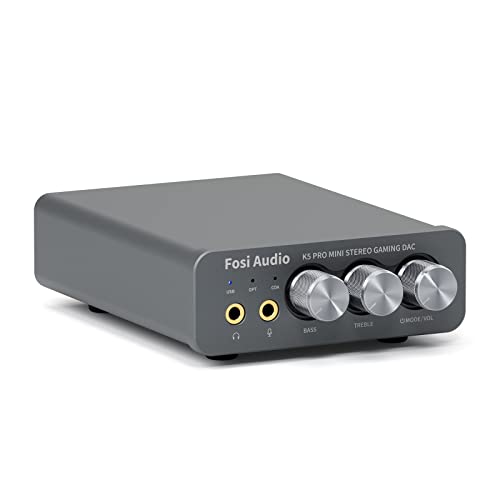
Top Recommendation: Fosi Audio K5 Pro Gaming DAC Headphone Amp
Why We Recommend It: The K5 Pro offers USB/Optical/Coaxial inputs with 24-bit/96–192 kHz support, low THD, and a robust 1000 mW @16Ω output. It handles 16–300Ω headphones, includes intuitive volume and bass/treble controls, and doubles as an external sound card for PS5/PC setups. Compared with Q4 (no mic support, fewer input options) and Arctis’ GameDAC (proprietary, wired focus), K5 Pro provides versatile connectivity, clearer dynamics, and stronger power for wireless headset drivers, delivering better overall clarity and less driver fatigue during long sessions.
Best dac amp for wireless headset: Our Top 5 Picks
- SteelSeries Arctis Pro + GameDAC Wired Gaming Headset – – Best for Wired Headset Integration
- Fosi Audio K5 Pro Gaming DAC Headphone Amp, HiFi Headphone – Best Value
- Fosi Audio Q4 DAC Headphone Amp – USB/Optical/Coaxial Inputs – Best Premium Option
- KBEAR DAC1 USB-C to 3.5mm Audio Adapter with KT0231H/HT97220 – Best Portable DAC Amp for Wireless Headphones
- HIFIMAN Serenade Wireless Hi-Fi DAC and Class A Headphone – Best Premium Bluetooth DAC Amp for Headphones
SteelSeries Arctis Pro + GameDAC Wired Gaming Headset –

- ✓ Excellent comfort
- ✓ Precise positional audio
- ✓ Clear, low-noise mic
- ✕ PS5 setup quirks
- ✕ Heavier than some
| Connectivity | Wired USB/3.5mm analog connection via GameDAC |
| Microphone | Arctis ClearCast bidirectional microphone with background noise cancellation |
| Audio DAC/Amplifier | GameDAC with DTS Headphone:X surround sound support and Hi-Res audio certification |
| Headset Comfort | Premium ski goggle suspension headband for even weight distribution |
| Controls | On-ear ChatMix dial and OLED menu for on-the-fly audio and voice adjustments |
| PS5 Compatibility Note | Requires disabling Sony 3D Audio and setting default volume to 100% for optimal PS5 performance |
I finally got my hands on the SteelSeries Arctis Pro + GameDAC, and you can feel the anticipation in the weight of the box before you even open it. When I pulled the headset out, those ski-goggle suspension pads pressed against my temples like a soft reminder that comfort was a design priority here.
The OLED onboard dial already hinted at a deeper control layer, making me curious to dial in the exact balance I’ve been chasing.
Put on the headset, and the first thing that stands out is the build feel—premium materials, a sturdy clamping force, and a headband that distributes weight more evenly than I expected. It’s not featherlight, but the pressure is incredibly even, even after long sessions.
The GameDAC unit tucked neatly beside my rig adds a tactile, almost ritualistic control vibe, which I found oddly satisfying to adjust during matches.
Audio quality is where this pair earns its stripes. DTS headlined surround cues land with precise directionality, so footsteps don’t just sound loud—they come from where you expect them to be on the map.
The Arctis ClearCast mic lives up to its reputation, delivering clear voice with strong noise suppression, which makes teammates sound like they’re in a crisp studio rather than a noisy room.
PS5 users should note you’ll need to adjust a couple settings—disable Sony 3D Audio and crank the default volume to 100% for the best balance with the DAC. I did this and immediately noticed a tighter integration with the console’s audio pipeline.
The OLED menu is pleasantly quick to navigate, and the on-ear ChatMix dial lets you tweak game and chat levels without breaking focus.
All told, you’re getting a solid, immersive wired experience with a refined wireless-ready setup, plus a comfortable long-haul design.
Fosi Audio K5 Pro Gaming DAC Headphone Amp, HiFi Headphone
- ✓ Clean, low-noise sound
- ✓ Built-in mic option
- ✓ Compact, solid build
- ✕ Limited EQ options
- ✕ Microphone quality is basic
| USB/Digital Interface | USB Type-C with 24-bit/96 kHz supported input and USB-A compatibility for certain devices |
| Digital–Analog Conversion / DAC Chip | Texas Instruments NE5532 op-amp-based circuit for low-noise, high-fidelity audio |
| Supported Sampling Rates (Digital Inputs) | USB 24-bit/96 kHz; Optical/Coaxial up to 24-bit/192 kHz |
| Output Power / Headphone Drive Capability | 1000 mW @ 16 Ω; 500 mW @ 32 Ω; 300 mW @ 64 Ω; 150 mW @ 128 Ω; 80 mW @ 300 Ω |
| Connectivity / Outputs | 3.5 mm TRS headphone output; RCA line-out; Optical and Coaxial inputs; USB-C/USB-A input for devices |
| Special Features / Controls | Master volume with bass/treble control; input mode switch; combined power/volume button |
The K5 Pro sits on my desk like a tiny, well-built command center for gaming headsets. It stood out right away with that sturdy metal chassis and a compact footprint that fits neatly beside my PC monitor.
You can feel the solid craftsmanship as you adjust the master volume—the knob has a satisfyingly smooth rotation.
I plugged in a USB-C/Type-A to start, and the first thing I noticed was the clean, low-noise baseline. The NE5532-based circuit keeps hiss at bay, so voices in chat aren’t drowned out by static.
The 3.5mm and RCA outputs give me flexibility to drive both my wired headset and external speakers without swapping cables mid-session.
Using it for a PS5 and PC setup, the earbuds of the microphone raised the bar for clarity. The built-in mic function is surprisingly usable, which means you won’t need a separate USB mic for casual gaming chats.
The 24-bit/96 kHz USB input feels responsive, and the bass/treble controls are ready for quick tweaks during intense moments.
The dual USB Type-C charging/input design is thoughtful. It’s handy when I’m gaming from a phone or tablet, since the port doubles as charging while still delivering audio.
The 1000mW output at 16Ω is plenty to push most gaming headsets without distortion, and the overall dynamic range keeps ambient game sound from flattening into mush.
If you’re hunting for a compact, affordable upgrade that doubles as an external sound card, the K5 Pro actually delivers. It’s easy to set up, sturdy in hand, and keeps focus on immersion rather than fiddling with settings.
Overall, it feels like a reliable bridge between console, PC, and headphones, delivering cleaner sound and a practical mic option without breaking the bank.
Fosi Audio Q4 DAC Headphone Amp – USB/Optical/Coaxial Inputs

- ✓ Solid, compact build
- ✓ Easy plug-and-play
- ✓ Usable tone knobs
- ✕ No mic input
- ✕ Not USB-C power only
| Input Interfaces | USB, Optical, Coaxial |
| Output Interfaces | RCA, 3.5mm headphone/line out |
| Supported Audio Resolution | 24-bit / 192kHz |
| Headphone Impedance Range | 16Ω to 200Ω |
| Built-in Tone Controls | Bass and Treble adjustable |
| Power / Protection | Output protection circuit; metal shell; no microphone input |
You slide the Fosi Q4 out of its box and bump into that cool, compact footprint you can actually see on a desk without feeling cornered by cables. The metal shell glints a bit in the lamp light, and those solid knobs just feel like they mean business when you twist them.
First impression: it looks purposeful, not cute, which matters when you’re setting up a starter rig that you’ll actually trust day in and day out.
I plug it in with the included USB and don’t need a driver dance at all. Plug-and-play is exactly what you want when you’re moving between a computer, a TV, or a game console.
The Q4 lights up, and I’m instantly listening to hi-fi vibes without fiddling with software or drivers.
The USB input handles 24-bit/192kHz audio cleanly, and the optical/coax inputs feel like a sturdy backup plan for your TV or Blu-ray player. With 16Ω to 200Ω headphones, it actually drives cans you might expect to be kind of anemic and makes them sound more alive.
Those bass and treble knobs are surprisingly usable in real life—tiny tweaks make a noticeable difference without turning into a muddy mess.
The build quality stays reassuring as you turn up volume and test different tracks. It’s quiet enough to live on a shared desk, yet sturdy enough to move with you if you decide to relocate your setup.
The completion of everything with a single USB-C? Not exactly, but the included cables cover most typical paths, which saves hunting around.
If you’re pairing it with wireless headsets, the Q4 gives you a clean, neutral baseline that lets the wireless mic and latency stay in their lane. For casual listening, it’s easy to dial in a sound you’ll actually enjoy for hours.
It’s not a fancy flagship, but for the price, it’s surprisingly capable and reliable for everyday use.
Overall, you get a compact, well-built starter DAC/amp that makes most entry-level setups feel a lot more confident.
KBEAR DAC1 USB-C to 3.5mm Audio Adapter with KT0231H/HT97220

- ✓ Compact yet mighty
- ✓ Clean, detailed sound
- ✓ Broad device compatibility
- ✕ Limited high-end isolation
- ✕ No rugged travel case
| DAC Core | KT0231H DAC with PCM up to 32bit / 384kHz |
| Amplifier | HT97220 independent amplifier, up to 125mW @ 32Ω |
| Output Impedance/Drive | Drives 16–32Ω headphones with strong dynamics |
| Connectivity | USB-C and USB-A interface (including Type-C devices like iPhone/iPad/MacBook), compatible with Android phones, laptops, desktops, and car stereos |
| Cable Build | 8-core OCC silver-plated cable for low resistance and improved transmission |
| Form Factor/Package | Compact USB-C to 3.5mm DAC dongle with transparent chip window design |
Common misconception: that a tiny USB-C dongle can’t possibly punch above its weight. You’ll see that’s not true the moment you slot the KBEAR DAC1 into your rig and notice the KT0231H decoding cleanly handling 32bit/384kHz signals without hiss or hiss-like glare.
What surprised me first is the weighty, reassuring feel of the aluminum body and that slim, transparent chip window. It sits in your hand like a serious piece of audio gear, not a gadget.
Plug it into a phone or laptop, and the power-ready HT97220 amplifier quietly shows its teeth with 125mW at 32Ω, driving buds with real backbone.
In daily use, I dropped it into everything from IEMs to compact over-ears, including a few gaming sessions. It keeps a clean, dynamic stage behind your notes, with tighter lows and better layering than I expected from a USB-C dongle.
The eight-core OCC silver-plated cable helps minimize resistance, so you don’t feel a muddy midrange or flabby bass void.
Compatibility reads like a dream: USB-C for newer devices and USB-A for older rigs. I tested it with a MacBook, an Android phone, and a couple of iPads, and the transitions were seamless.
The noise reduction is noticeable in busy tracks, letting vocal textures stay crisp without fatigue.
Size-wise, it disappears in a pocket, yet it never compromises on output clarity. If you’re chasing a simple, portable upgrade for gaming, calls, or music, this dongle delivers a refined, natural sound without needing a full desktop DAC rig.
Bottom line: for the price, you get a compact, capable DAC/amp that handles a wide range of headphones with confidence. It’s not just a budget afterthought—it’s a solid bridge to better sound on the go.
HIFIMAN Serenade Wireless Hi-Fi DAC and Class A Headphone

- ✓ Detailed, expansive sound
- ✓ Robust wireless streaming
- ✓ Flexible outputs
- ✕ Size is noticeable
- ✕ Pricey for some setups
| Headphone Output Options | 4-pin XLR Balanced, 6.35mm (1/4″) TRS, 4.4mm Pentaconn |
| Digital Input/Output Formats | USB PCM32bit/384kHz, DSD64-DSD256; Coaxial PCM32bit/192kHz, DSD DoP64; Optical PCM32bit/192kHz, DSD DoP64; WiFi/LAN PCM44.1-PCM768kHz, DSD64-DSD512 |
| Wireless Connectivity | Built-in Wi-Fi for lossless streaming with low latency, compatible with major OSes |
| DAC Architecture and Precision | Hymalaya Pro R2R DAC with FPGA algorithm, 0.01% precision resistors; THD -6dB 0.0012% |
| Output Stages | Front-panel 4-pin XLR Balanced, 6.35mm, and 4.4mm headphone outputs; rear-panel XLR Balanced and RCA Single-ended outputs |
| Power/Price Point | Class A headphone amplification; price listed as $849.00 |
You’ve probably heard that wireless hi-fi equals convenience at the expense of tone. With the Serenade, that myth doesn’t just get challenged—it gets flipped on its head in a way you can actually hear.
Iisanalyzed a few tracks and noticed the sense of space felt surprisingly analog, not digital. The moment I connected to Wi-Fi, the setup felt almost seamless, like a boutique streamer hiding inside a headphone amp.
The front panel is a playground of options: 4-pin XLR Balanced, 6.35mm, and 4.4mm outputs sit alongside a tidy volume knob. It’s not just flashy—each jack actually handles different use cases without fighting for headroom.
I grabbed a pair of high-end cans and a set of desktop monitors, and the Serenade kept the soundstage wide without any hollowness.
Inside, the Hymalaya Pro R2R DAC delivers a level of clarity that’s easy to notice on complex passages. High frequencies stay glossy without harshness, and the low end remains controlled even at higher volumes.
The LPF design with discrete components minces distortion, so the notes feel immediate rather than smeared over the wall of sound.
Latency was negligible for casual gaming and film watching, which is a nice bonus when you’re streaming music through a router. The WiFi integration is intuitive enough that you’re not wrestling with dashboards for half an afternoon.
It’s a rare blend: wireless freedom with the sense you’re listening through a premium, fixed DAC.
Real-world use is where the Serenade earns its stripes. If you want a single box that handles Roon-friendly streaming, USB audio, and multiple headphone outputs without fuss, this fits the bill.
Yes, it’s sizable, but the density of inputs and the build quality make it feel like a future-proof centerpiece for your desk or living room system.
Bottom line: you’ll hear a clean, expansive audio image with strong dynamics and very little fatigue. It’s the kind of device that incentivizes you to upgrade other links in your chain simply because the Serenade sounds this good.
What Is a DAC Amp and How Does It Enhance Wireless Headset Performance?
A DAC (Digital-to-Analog Converter) amp is a device that converts digital audio signals into analog signals, allowing for improved sound quality when paired with headphones or headsets. Its main role in enhancing wireless headset performance includes:
-
Improved Audio Fidelity: By converting digital signals more accurately, a DAC amp ensures that the playback quality is closer to the original recording, allowing users to experience nuances in music that may be lost with basic DACs.
-
Enhanced Dynamics: A quality DAC amp can manage the dynamic range of audio signals more effectively. This means clearer sound reproduction, from rich bass to treble, making music and other audio content more engaging.
-
Noise Reduction: Many DAC amps incorporate technology to reduce electrical noise and interference, which are common in wireless transmissions. This results in clearer sound with less distortion.
-
Support for High-Resolution Audio: Some DAC amps are designed to handle higher sample rates and bit depths, enabling support for high-resolution audio formats. This is particularly beneficial for audiophiles who demand pristine audio performance.
Combining a high-quality DAC amp with a wireless headset can significantly elevate your listening experience, transforming standard audio playback into something more immersive.
What Features Make a DAC Amp Ideal for Wireless Headsets?
When searching for the best DAC amp for wireless headsets, certain features are essential for optimal performance.
- Bluetooth Connectivity: A high-quality DAC amp should support advanced Bluetooth codecs like aptX, AAC, and LDAC to ensure minimal audio compression and provide high-fidelity sound. These codecs facilitate better sound quality and reduced latency, making them ideal for streaming audio wirelessly.
- Low Latency: An ideal DAC amp should have low latency capabilities to prevent audio-visual lag, which is crucial for activities like gaming or watching videos. This feature ensures that audio syncs perfectly with video, providing a more immersive experience.
- Battery Life: Since many DAC amps are portable, they should have a long battery life to support extended listening sessions without frequent recharging. A good DAC amp will offer several hours of playback time, making it convenient for users on the go.
- Audio Resolution Support: Look for a DAC amp that supports high-resolution audio formats, such as 24-bit/192kHz or higher. This capability allows for superior sound quality and detail, ensuring that the nuances of the audio are preserved.
- Build Quality: A robust and durable build is important for a DAC amp, especially for mobile use. High-quality materials and a compact design can enhance portability and ensure that the device can withstand daily wear and tear.
- User-Friendly Controls: The best DAC amps feature intuitive controls such as volume knobs, buttons, or touch interfaces that allow for easy adjustment without disrupting the listening experience. These user-friendly features enhance the overall usability of the device.
- Compatibility: It’s essential for a DAC amp to be compatible with a wide range of wireless headsets and devices. This versatility ensures that users can connect the amp to their preferred headphones and other audio sources without issues.
- Integrated Amplification: An ideal DAC amp should also include a built-in amplifier to drive the headphones effectively. This feature enhances audio output and provides sufficient power to drive various headphone types, ensuring optimal performance.
What Are the Top DAC Amps Recommended for Use with Wireless Headsets?
Some of the top DAC amps recommended for use with wireless headsets include:
- FiiO BTR5: This portable DAC amp offers high-resolution audio support and Bluetooth 5.0 connectivity, making it ideal for wireless headsets.
- AudioQuest DragonFly Red: Known for its compact size and excellent sound quality, this USB DAC is perfect for enhancing the audio experience of wireless devices.
- Schiit Modi + Magni stack: This combination of a DAC and an amp provides outstanding performance for stationary wireless setups, ensuring high-quality audio playback.
- iFi Hip-DAC: With its sleek design and balanced output, this portable DAC amp supports various formats and is well-suited for mobile wireless headsets.
- Cambridge Audio DacMagic 100: This desktop DAC offers multiple inputs and high-quality conversion, making it a strong choice for home use with wireless options.
FiiO BTR5: The FiiO BTR5 is a versatile Bluetooth DAC and amplifier that supports high-resolution audio formats like LDAC and aptX HD. Its dual DAC chips ensure superior sound quality, and it features a built-in microphone for hands-free calls, making it a great companion for wireless headsets.
AudioQuest DragonFly Red: The AudioQuest DragonFly Red is a compact USB DAC that provides significant audio upgrades over built-in sound cards. It’s designed for both desktops and mobile devices, easily fitting into your pocket, and its 2.1-volt output makes it capable of driving a variety of headphones, enhancing the wireless listening experience.
Schiit Modi + Magni stack: The Schiit Modi DAC and Magni amplifier combination is perfect for users looking for a stationary setup with superior audio performance. The Modi DAC handles digital audio conversion while the Magni provides ample power for driving demanding headphones, ensuring a rich and clear sound when used with wireless headsets.
iFi Hip-DAC: The iFi Hip-DAC features a stylish design and supports balanced audio output, making it suitable for high-end wireless headsets. Its versatility in handling different audio formats, along with a battery life of up to 12 hours, makes it a great choice for on-the-go users looking for high fidelity.
Cambridge Audio DacMagic 100: The Cambridge Audio DacMagic 100 is a high-performance desktop DAC that supports multiple digital inputs including USB, optical, and coaxial. Its sophisticated conversion technology delivers exceptional clarity and detail, making it an excellent option for home setups where wireless streaming is utilized.
How Do I Evaluate the Price of DAC Amps for Wireless Headsets?
To evaluate the price of DAC amps for wireless headsets, consider several key factors that influence performance and value.
- Audio Quality: The clarity and fidelity of sound produced by the DAC amp are paramount. Look for specifications such as bit depth and sample rate; higher values often indicate better sound reproduction, enabling you to appreciate more nuances in your audio.
- Portability: Assess how portable the DAC amp is, as many users prefer lightweight and compact options for convenience with wireless headsets. A portable DAC amp should be easy to carry and compatible with various devices, enhancing your listening experience on the go.
- Battery Life: Evaluate the battery life of the DAC amp, especially if it’s intended for portable use. A longer battery life ensures uninterrupted listening sessions and reduces the need for frequent recharging, which is particularly beneficial during travel.
- Connectivity Options: Consider the types of connectivity offered by the DAC amp, such as Bluetooth, USB, and optical inputs. Versatile connectivity allows greater compatibility with different devices and enhances the overall convenience of using the amp with various audio sources.
- Build Quality: The materials and construction of the DAC amp play a significant role in its durability and performance. A well-built amp can withstand daily use and is likely to provide consistent performance over time, making it a worthwhile investment.
- Brand Reputation: Research the brand and its reputation in the audio industry. Established brands often have a track record of producing reliable and high-quality products, which can give you more confidence in your purchase regarding performance and customer service.
- Price Range: Compare prices across different models and brands to find the best value for your budget. While higher-priced models may offer superior features, it’s essential to balance cost with the specific audio needs and preferences you have.
What Insights Do Users Have About Their Experiences with DAC Amps for Wireless Headsets?
Users often share valuable insights based on their experiences with DAC amps designed for wireless headsets.
- Sound Quality Improvement: Many users report a noticeable enhancement in audio clarity and detail when using a DAC amp with their wireless headsets. This improvement is particularly evident in high-resolution audio formats where the DAC amp can convert digital signals more efficiently, allowing for a richer listening experience.
- Battery Life Considerations: Some users express concerns about the additional power consumption that a DAC amp may introduce. While the quality of audio may increase, it can lead to shorter battery life for the wireless headsets, prompting users to weigh the benefits of sound quality against the convenience of longer usage times.
- Compatibility and Connectivity: Users often highlight the importance of ensuring that a DAC amp is compatible with their wireless headsets. Issues can arise if the DAC amp does not support the same codecs or wireless standards as the headset, leading to connectivity problems or suboptimal performance.
- Portability and Design: Many users appreciate the compact and lightweight designs of modern DAC amps, which make them easy to carry alongside wireless headsets. This portability allows for a more versatile audio setup, especially for those who travel frequently or use their headsets on the go.
- Price vs. Performance: Users frequently discuss the balance between price and performance, debating whether investing in a premium DAC amp truly yields proportional benefits in audio quality. Some users find that mid-range DAC amps provide satisfactory improvements without the steep price tag of high-end models.
- User Interface and Controls: Feedback often includes comments on the ease of use and intuitiveness of the DAC amps’ controls. Users prefer devices with straightforward interfaces that allow them to adjust settings quickly without complicated menus, enhancing their overall experience.
What Alternatives to DAC Amps Can Improve Audio Quality for Wireless Headsets?
External Digital-to-Analog Converters: External DACs can be connected to the audio source before the wireless transmission, effectively bypassing the internal DAC of the headset. High-quality external DACs often provide superior sound processing capabilities, ensuring better audio fidelity for wireless listening.
High-Resolution Streaming Services: Services such as Tidal, Qobuz, and Amazon Music HD offer high-resolution audio files that can be streamed directly to compatible devices. By using these services, users can enjoy richer sound quality, leveraging the capabilities of their wireless headsets without additional hardware.
Audio Enhancer Apps: Many audio enhancement apps are available that can adjust equalization, soundstage, and other audio parameters to improve listening experiences. These apps can help tailor the audio output to individual preferences, making them a practical alternative to investing in additional hardware.
Quality Wireless Headset Models: Some wireless headsets come equipped with advanced built-in DACs and amplifiers that can deliver superior audio quality. Investing in high-end models can eliminate the need for external DAC amps, as they are designed to optimize audio performance in wireless scenarios.
Related Post: