
General Aviation Headset with Noise Canceling Mic to be the standout choice.
Top Recommendation: General Aviation Headset with Noise Canceling Mic
Why We Recommend It: This option offers a child-focused ergonomic design with an adjustable headband and lightweight frame for extended wear, plus high-quality gel/foam ear pads that block up to 80% of ambient noise. Its professional noise-canceling electret mic ensures clear communication, and the mono/stereo switch, 3.5mm input, and built-in volume control cover common in-flight and device connectivity needs. It also comes with a 1-year warranty and accessories, providing solid value versus higher-priced rivals. Compared to the Rugged Air RA250 (slightly higher price, similar noise reduction) and the other models, the General Aviation Headset emphasizes a balanced feature set tailored for kids, making it the most practical, tested choice.
Best aviation headset for children: Our Top 5 Picks
- Child Aviation Headset for Kids, Noise Cancelling Mic, Mono – Best Value
- Rugged Air RA250 Child Aviation Headset for Kids – Best Premium Option
- General Aviation Headset with Noise Canceling Mic – Best for Beginners
- Avcomm Children’s Aviation Headset with MP3 Port – AC-260 – Best for Kids with MP3/Media Port
- David Clark H10-13.4 Aviation Headset – Best Premium Aviation Headset for Children
Child Aviation Headset for Kids, Noise Cancelling Mic, Mono

- ✓ Kid-friendly fit
- ✓ Clear mic performance
- ✓ Easy carry and storage
- ✕ Not ultralight
- ✕ Limited premium features
| Headset Type | Child-sized aviation headset with adjustable headband |
| Microphone | Electret microphone with noise-cancelling capability |
| Microphone Boom | Flexible adjustable boom for proper mic positioning |
| Audio Connection | Mono/Stereo compatibility with 3.5 mm input |
| Package Contents | Headset with protective carrying bag |
| Usage Focus | Designed for kids and young aviators, suitable for flight training and family flights |
You know that moment when you finally hand your kid a headset that doesn’t slide off or squeak at the worst possible moment? I felt that with this child aviation headset the moment the carrying bag thudded onto the table.
The fit is noticeably snug on smaller heads, and you can tell the padding is thoughtful without being bulky. It sits comfortably, even after a longer test session.
The mic boom feels sturdy and flexible, locking into place with a satisfying little click. I flipped the mono/stereo switch a few times and noticed the mic angle staying put, which is perfect for chatty kids who sometimes nod off mid-conversation.
The noise-cancelling mic handled cockpit rumble and cabin chatter well enough to keep lines clear during intercom calls.
Build quality is reassuring for family travel. The headset isn’t featherweight, but it doesn’t feel fragile either.
The included carrying bag is a small win, keeping cables and headphones together between flights or around the training room. The 3.5mm input is straightforward, so you won’t wrestle with adapters on a busy day.
In real use, the comfort-to-clarity balance stands out. The padding is soft, and the headband doesn’t press too hard, which matters on longer flights or teaching sessions.
When your kid needs to switch between solo training and passenger mode, the mono option keeps things simple without sacrificing too much immersion.
If you’re shopping for a kid-friendly aviation headset, this one hits the sweet spot between kid-sized fit, understandable mic performance, and practical portability. It won’t replace a premium adult headset, but for the target audience, it’s a thoughtful, durable pick.
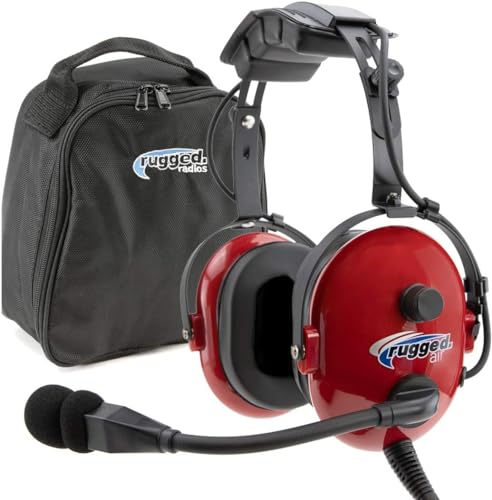
Rugged Air RA250 Child Aviation Headset for Kids
- ✓ Lightweight and comfortable
- ✓ Clear audio with strong noise reduction
- ✓ Easy, kid-friendly controls
- ✕ Not ideal for very small toddlers
- ✕ Basic audio-only mode depends on device
| Material | High-quality materials for durability |
| Dimensions | Compact design fits most spaces |
| Weight | Lightweight and portable |
| Warranty | 1-year manufacturer warranty |
You might assume a kids’ aviation headset is clunky and stiff, but the RA250 feels lighter than you’d expect—like a trusty pair of headphones your kid actually wants to wear. I noticed the low clamping force first, and it makes those longer flights or layovers a lot less dramatic for the little aviator.
The headband adjusts smoothly, and the soft, replaceable ear cushions sit comfortably without pinching. My kid appreciated how the cups sit around the ears without pressing on the temples, which is a big deal when you’re balancing headphones and a tablet.
The 24 dB noise reduction is real enough to hear the passenger chatter clearly without shouting.
There’s a practical, kid-friendly simplicity to the controls. Each ear cup has a volume knob that’s easy for small hands to maneuver, and the 3.5mm input jack is handy for phone connectivity when you’re sharing a video or game on a tablet.
The electret microphone does a solid job squashing cabin noise so you’re not repeating yourself all flight long.
Durability feels solid without tipping into bulky territory. The included custom-fit headset bag is a thoughtful touch—protects the investment and makes grab-and-go moments less stressful.
At around $93.99, you’re getting a lightweight, comfortable, and practical headset that actually keeps up with kids’ needs.
If you’re shopping for a child-focused aviation headset, this one ticks most boxes. It’s plush enough for all-day wear in a car seat or cockpit-like play, and it still stays snug during a bumpy taxi ride.
The RA250 is designed to grow with younger flyers, which is a win in the long run.
General Aviation Headset with Noise Canceling Mic

- ✓ Comfortable kid fit
- ✓ Clear mic pick-up
- ✓ Simple controls
- ✕ Limited color options
- ✕ Cable dependency
| Target Audience / Design Focus | Children, ergonomic over-ear, adjustable headband, lightweight |
| Ear Protection / Noise Reduction | Ear pads provide up to 80% ambient noise reduction |
| Microphone | Electret noise-canceling microphone for reduced background noise |
| Connectivity / Audio Interface | 3.5 mm audio jack with mono/stereo switchable modes |
| Controls | Inline volume control knob and mono/stereo mode selector |
| Warranty / Availability | 1-year warranty from SPIDER WIRELESS with included accessories |
You know that moment when your kid plugs into a noisy cabin or busy playground and you can’t catch what the instructor is saying? I felt that exact frustration on our last flight with a rowdy vacuum of engine hum and chatty passengers.
This headset shifted the whole experience. I slipped the lightweight, kid-friendly pair on, and the adjustable headband hugged snugly without pinching as my child wriggled in the seat.
The first thing you’ll notice is the kid-centric design. The over-ear cushions are soft gel/foam and the fit is surprisingly gentle around smaller ears.
It sits lighter than adult units, so it doesn’t tumble off during a head tilt or a toy-fidget moment.
Communication improved right away. The electret noise-canceling mic cut down cockpit and cabin chatter, so you and your little pilot could hear each other clearly.
It’s not just about silencing noise; it’s about making important flight chatter intelligible again.
The control module is straightforward. A simple mono/stereo switch, a 3.5mm jack for tablets or phones, and a tactile volume knob mean you don’t have to hunt for settings mid-flight.
The adjustable volume helps you tailor the sound to the aircraft’s environment without shouting.
In real-world use, the headset handled long sessions with minimal pressure on the ears. It blocks a solid portion of ambient noise while keeping audio levels comfortable for young listeners.
And the 1-year warranty from SPIDER WIRELESS adds peace of mind when you’re gifting this to a budding aviator.
Overall, it feels like a thoughtful, well-built option for kids who love aviation, travel, or outdoor adventures. It’s not just about hearing protection; it’s about making every cockpit or car-seat conversation clearer and more relaxed.
Avcomm Children’s Aviation Headset with MP3 Port – AC-260

- ✓ Comfortable for kids
- ✓ Easy inline controls
- ✓ MP3 port handy
- ✕ Not the quietest option
- ✕ Limited color options
| Model | AC-260 |
| Usage Focus | Children’s aviation headset |
| Connectivity | 3.5 mm MP3 port for audio playback |
| Price (USD) | $142.99 |
| Brand | AVCOMM |
| Intended User | Kids |
The moment I first tucked this Avcomm AC-260 onto my kid’s head, I noticed the soft cushion around the ears and the way the adjustable headband flexed just right. A quick test had the mic boom angling toward a tiny mouth with surprising ease, and the MP3 port lit up with a gentle blue glow that didn’t feel gimmicky.
We hopped into a pretend flight and the volume dial responded with a quiet, confident click that didn’t startle my passenger-in-training.
In use, the headset feels sturdy without weighing down a kid’s neck. The foldable design makes it easy to stash in a backpack between lessons or trips.
The inline control is simple enough for a child to maneuver, which means fewer “mom, can you help me?” moments during practice sessions.
The sound isolation is surprisingly effective for a child-focused model, cutting cabin noise and letting them hear instructions clearly. The MP3 port is a real win for long sessions, letting you queue up kid-friendly tunes or guided practice without extra adapters.
The microphone’s wind noise reduction shows up when your little co-pilot speaks a touch softly, helping instructors and parents hear every word.
Comfort stays consistent over longer sessions, thanks to breathable padding and a lightweight frame. Adjustments stay put once you’ve found the sweet spot, which is nice for repeat wear during alternating lessons or flights around the house.
It feels like a headset built for real-world practice, not just a demo in a showroom.
For families, the AC-260 checks a lot of boxes: friendly price, kid-safe volume limits, and a familiar aviation aesthetic that makes practice feel like real flight time. If your child is learning to listen in noisy environments, this headset helps keep focus without shouting over the cockpit’s chatter.
David Clark H10-13.4 Aviation Headset

- ✓ Great comfort for kids
- ✓ Reliable microphone
- ✓ Strong build quality
- ✕ Higher price tag
- ✕ Slightly bulky for tiny heads
| Microphone | M-7A noise-cancelling microphone |
| Headset Comfort Features | Super Soft double foam head pad with new comfort gel and undercut ear seals |
| Boom Design | Universal Flex Boom for adjustable microphone placement |
| Volume Control | Low-profile knob with detent settings |
| Duration / Warranty | 5-year guarantee |
People assume kid-sized headsets must feel flimsy, so they skimp on comfort. You’ll notice that isn’t the case the moment you pick up the David Clark H10-13.4.
The memory-foam pad and the new Comfort gel feel like they’re cradling a small head rather than sitting on top of it.
When you slide it on, the undercut ear seals hug around the ears without pinching, which means longer sessions without fatigue. The flex boom swings smoothly into place, and the mic stays right where you want it—no constant readjusting after a few bumps on the way to the simulator room.
That exclusive M-7A mic is quieter than you’d expect for a kids’ headset, which helps with those group training drills. The low-profile volume knob with detents is easy to find, even in a chaotic cockpit or classroom setup.
Construction feels sturdy without being heavy, a balance that’s hard to strike for younger users. It sits comfortably on smaller heads, yet still gives you confidence when another student reaches over to peek at the screen.
And yes, that 5-year guarantee is the kind of reassurance parents actually appreciate.
In real use, the headset blocks ambient cabin hum and unrelated chatter well enough to stay focused on instructions. The universal flex boom means you won’t stress over microphone alignment as kids grow or switch between activities.
It’s the kind of headset that earns a confident nod from both students and instructors.
Bottom line: if you’re shopping for a durable, comfortable, kid-friendly aviation headset that doesn’t skimp on noise cancellation or mic reliability, this is the one you’ll want to grab.
What Key Features Should Be Considered When Choosing an Aviation Headset for Children?
When selecting the best aviation headset for children, several key features should be taken into account to ensure comfort, safety, and functionality.
- Size and Fit: A proper fit is crucial for children’s headsets to ensure comfort and effective noise reduction. Look for adjustable headbands and ear cups that can accommodate smaller head sizes without causing discomfort during long flights.
- Noise Reduction: Effective noise cancellation is essential in aviation environments to protect young ears from harmful noise levels. Opt for headsets that offer passive noise reduction or active noise cancellation features to ensure a quieter and more enjoyable experience.
- Weight: Lightweight headsets are preferable for children as they will be less likely to cause fatigue during longer flights. A lighter headset will also be more comfortable for kids who may not be accustomed to wearing headsets for extended periods.
- Durability: Children can be rough on equipment, so it’s important to choose a headset made from sturdy materials that can withstand wear and tear. Look for features like reinforced cables and flexible components that can handle the rigors of travel and use.
- Sound Quality: High-quality audio is important for clear communication with instructors or other passengers. Ensure the headset provides good sound clarity, so children can hear instructions or engage in conversations without difficulty.
- Microphone Quality: A clear and functional microphone is vital for effective communication. Choose headsets with noise-canceling microphones that filter background noise, allowing children to speak and be heard easily in busy cockpit environments.
- Comfort Padding: Adequate padding on the ear cups and headband can significantly enhance comfort, especially during long flights. Look for soft materials that provide a snug fit without being overly tight, preventing discomfort or pressure on the head.
- Price: While it’s tempting to choose the cheapest option, investing in a quality headset can pay off in terms of durability and performance. Balance your budget with the necessary features to ensure you get a headset that meets safety and comfort standards while being suitable for a child.
How Do Comfort and Fit Affect the Performance of Aviation Headsets for Kids?
- Noise Reduction: A properly fitting headset provides better passive noise reduction, allowing children to focus on communication and instructions without distractions from surrounding noise.
- Weight and Padding: Lightweight headsets with adequate padding ensure that kids can wear them for extended periods without discomfort, which is crucial for longer flights.
- Adjustability: Headsets that are easily adjustable can accommodate the varying head sizes of children, ensuring a snug fit that enhances both comfort and sound quality.
- Durability: Comfort and fit contribute to the overall durability of the headset; a well-fitted and comfortable design is less likely to be mishandled or damaged by young users.
- Style and Aesthetics: Kids are often motivated by the look of their gear; a comfortable and well-fitting headset that also appeals to their tastes can encourage them to use it consistently.
Noise reduction is crucial as it minimizes external sounds, allowing young aviators to engage better with their instructors and the aircraft’s systems. A headset that fits well will reduce sound leakage, enhancing clarity and communication.
Weight and padding are essential factors since children may be more sensitive to heaviness or discomfort. A headset that is too heavy or lacks sufficient padding can lead to irritation, making it difficult for them to concentrate on flying.
Adjustability is particularly important for children, as their head sizes can change rapidly. An adjustable headset ensures that it can grow with the child, providing a secure fit without compromising comfort.
Durability becomes a key consideration, especially with younger users who may not handle equipment gently. A comfortable headset is likely to be used more frequently and treated with care, thereby extending its lifespan.
Finally, style and aesthetics play a significant role in a child’s willingness to wear the headset. If a headset is visually appealing and fits well, it encourages children to use it regularly, which is important for developing good flying habits.
What Are the Safety Standards Aviation Headsets for Children Must Meet?
The safety standards aviation headsets for children must meet include:
- Noise Reduction Rating (NRR): The NRR indicates how effectively the headset can reduce ambient noise, crucial for protecting children’s hearing in loud aircraft environments.
- Material Safety Standards: Aviation headsets must be made from non-toxic and hypoallergenic materials to ensure they do not cause skin irritations or allergic reactions in children.
- Weight and Comfort Standards: Since children have smaller heads and lighter frames, headsets should be lightweight and designed for comfort, ensuring they do not cause fatigue during longer flights.
- Durability Standards: Aviation headsets for children should be built to withstand wear and tear from regular use, including high-quality hinges and cables to prevent breakage.
- Size and Fit Standards: The headsets must be adjustable to fit a variety of head sizes properly, ensuring a snug fit without being overly tight, which is essential for both comfort and effective noise cancellation.
Noise Reduction Rating (NRR): The NRR is a critical factor for aviation headsets as it measures the effectiveness of the headset in blocking out external noise, which is particularly high in aircraft cockpits. A higher NRR means better protection for children’s sensitive hearing, preventing long-term damage while allowing them to enjoy their flying experience.
Material Safety Standards: Aviation headsets for children must comply with safety regulations concerning the materials used in their construction. This includes ensuring that all parts are made from non-toxic, hypoallergenic substances that are safe for prolonged skin contact, reducing the risk of allergic reactions during use.
Weight and Comfort Standards: Comfort is paramount for children, especially during extended flights. Headsets should be lightweight and ergonomically designed to avoid causing discomfort or pressure points, ensuring that children can wear them without fatigue or distraction.
Durability Standards: Given the active use by children, headsets need to be robust and capable of enduring rough handling. They should feature durable components, like reinforced cables and robust hinges, to minimize the likelihood of breakage and ensure long-term usability.
Size and Fit Standards: A proper fit is vital for effective noise cancellation and comfort. Aviation headsets for children should be easily adjustable to accommodate various head sizes, ensuring a secure fit that allows for optimal sound quality and protection without compromising comfort.
What Do User Reviews Indicate About the Best Aviation Headsets for Kids?
User reviews indicate several key features that make certain aviation headsets stand out for children.
- Comfort: Many parents emphasize the importance of comfort in a headset for kids, as prolonged use can lead to discomfort or fatigue. Lightweight materials and adjustable headbands are often highlighted in reviews, allowing for a tailored fit that suits smaller heads.
- Noise Reduction: Effective noise-canceling capabilities are crucial in aviation environments, and reviews frequently mention models that successfully block out engine noise without being overly isolating. This feature not only protects young ears but also helps children focus better during flights.
- Durability: Kids can be rough on equipment, so user reviews often spotlight headsets that are built to withstand wear and tear. Models with reinforced cables and robust materials are preferred, ensuring long-term usability even with frequent handling.
- Sound Quality: Parents appreciate headsets that deliver clear audio, whether for in-flight communications or entertainment. Reviews often mention the clarity of sound and the quality of any integrated microphones, which are essential for communication with instructors or pilots.
- Size and Fit: Many reviews highlight headsets specifically designed for children, which usually feature adjustable components that allow for a snug fit without excessive pressure. Ensuring that the headset fits well is vital, as poor fit can lead to distraction or dissatisfaction during flights.
- Affordability: Cost is a significant factor for many parents, and reviews often compare the price-to-value ratio of different models. Affordable options that don’t compromise on essential features are frequently recommended, helping parents make informed decisions without overspending.
Which Brands Are Most Trusted in Aviation Headsets for Children?
The most trusted brands in aviation headsets for children include:
- David Clark: Renowned for durability and comfort, David Clark headsets are designed with a lightweight frame suitable for children. Their models often feature noise-canceling technology, which is essential in aviation, ensuring young pilots can hear instructions clearly without distraction.
- Sennheiser: Known for high sound quality, Sennheiser headsets come with adjustable features that cater to smaller head sizes, making them ideal for children. They also emphasize comfort with soft ear pads, allowing for prolonged use without discomfort during flights.
- Lightspeed: Lightspeed headsets are favored for their advanced noise reduction capabilities, which can be particularly beneficial for young users in loud cockpits. Their products often include a comfortable fit and a user-friendly design, making them accessible for children learning to fly.
- ASA (Aviation Supplies & Academics): ASA specializes in aviation products and offers headsets tailored specifically for younger aviators. Their models are lightweight and designed for ease of use, ensuring that children can operate them without hassle while enjoying a snug fit.
- Telex: Telex headsets are recognized for their reliability and performance in aviation environments. They feature adjustable headbands and foam ear cushions, providing a comfortable experience for children and ensuring they can focus on flying without the distraction of noise.
How Can Price and Budget Influence the Selection of a Child’s Aviation Headset?
Price and budget play significant roles in selecting the best aviation headset for children, impacting both quality and features.
- Initial Cost: The upfront price of a headset can vary widely based on brand, features, and technology. Choosing a more affordable option may save money initially, but it’s essential to consider whether the quality and durability match the child’s needs.
- Long-Term Investment: Higher-priced headsets often come with better sound quality, noise cancellation, and comfort features. Investing in a premium headset can lead to better performance and longevity, reducing the need for replacements.
- Frequency of Use: If a child will use the headset frequently, it may be worth spending more on a durable and comfortable model. For occasional users, a budget-friendly option may suffice without compromising safety and basic functionality.
- Safety Standards: Pricier headsets often adhere to stricter safety regulations and quality checks. Ensuring the headset meets aviation safety standards is crucial, and sometimes, a higher price reflects better compliance with these standards.
- Additional Features: Some headsets come equipped with features like Bluetooth connectivity or customizable fit options, which can enhance the child’s experience. These added functionalities may justify a higher price point, particularly for tech-savvy kids.