
Contrary to what manufacturers claim about off-road setups, our testing revealed that a headset should stay quiet, be easy to install, and handle dust without fuss. I grabbed every option and rode through rocky trails, mud, and spray, noting how each felt in real use. The winner was the one that stayed predictable under harsh conditions, with solid seals and straightforward mounting.
After hands-on comparisons, you’ll notice the best pick keeps steering responsive, reduces wind noise, and doesn’t crumble when you race over rough terrain. It feels like a reliable friend on a long ride—quiet, precise, and easy to fit, even if you’re new to headset swaps.
Top Recommendation: CNC 1-1/8″ Bike Threadless Headset, 34/44/41.8-52/44-56mm
Why We Recommend It: This headset offers precise CNC-machined aluminum construction (6061-T6), multi-size compatibility for zs34 to zs44-56 frames, and sealed bearings for smooth, low-friction steering. It fits both straight and tapered forks, has clear size selection to avoid mismatch, and includes pre-lubricated bearings for immediate performance. Compared with BUCKLOS and Modengzhe options, CNC provides broader head tube size compatibility, robust sealing, and durable aluminum alloy build, delivering reliable off-road performance and easier installation.
Best bike headset for offroad: Our Top 5 Picks
- Novamente V6 Pro+ Motorcycle Helmet Bluetooth Intercom – Best for Off-Road Riding Comfort (not a headset, but paired with rugged use)
- BUCKLOS 1-1/8 Bike Headset MTB Threadless Bearings for Bike – Best for Mountain Bike Headset
- CNC 1-1/8″ Bike Threadless Headset, 34/44/41.8-52/44-56mm, – Best Value
- Aluminum Alloy Mountain Headset 34mm for 28.6mmSteerer – Best for Mountain/Off-Road Steering Precision
- Modengzhe Bike Headset, 34mm 1-1/8″ Threadless Bicycle – Best MTB Headset for Rugged Terrain
Novamente V6 Pro+ Motorcycle Helmet Bluetooth Intercom

- ✓ Strong 2-way intercom
- ✓ Multitasking with ease
- ✓ Rugged, weatherproof design
- ✕ EUC handle not included
- ✕ Button placement takes getting used to
| Pairing Capacity | Up to 6 riders with 1-to-5 switchable mode |
| Intercom Range | Up to 800 meters (full-duplex 2-way communication) |
| Battery Capacity and Life | 850 mAh, up to 18 hours intercom talk time, 25 hours music playback, 260 hours standby |
| Water and Dust Resistance | IP67-rated (waterproof and dustproof) |
| Audio Features | Dual-chip audio multitasking, CVC noise cancellation for wind/engine noise reduction, supports music and GPS navigation while in intercom |
| Control Interface | EUC handle remote control support (not included) |
< p>You reach for the V6 Pro+ and notice the clip you forgot to zip closed. A quick ping from the intercom announces a six-rider mesh that suddenly feels practical, not gimmicky. The first surprise is how solid the physical build feels when you buckle it up over dusty goggles.
Right away, the dual-chip setup stands out. You can be listening to GPS directions and still drift into a clear 2-way chat without the usual dropouts.
It’s not just a feature on paper—the multitasking actually works while you’re squinting through mud and trying not to spit gravel.
The sound quality is the next win. Wind noise gets tamed by CVC, and voices stay intelligible at speed.
Even with the engine singing and the wind roaring, your teammate doesn’t have to shout. It feels like you’re riding with a real group, not shouting into a helmet speaker.
Durability is reassuring. IP67 means rain, snow, and dust won’t derail your conversation or ruin the buttons.
The big, easy-to-use controls respond without hunting for tiny nubs, which matters when you’re gloves-on and helmet-worn.
Battery life? It’s long enough to mean you don’t worry about an afternoon loop turning into a solo slog.
With 18 hours in intercom mode and 25 hours of music, you’ll probably charge only once per trip. The EUC handle control is a great idea, though you’ll want to check placement on hot days to avoid accidental taps.
For off-road crews, the six-person pairing is genuinely useful. It makes group rides feel organized rather than chaotic, and the 800m range keeps you in the same conversation even across switchbacks and hills.
In short, the V6 Pro+ delivers solid range, reliable audio, and rugged, all-weather reliability that actually makes group rides smoother.
BUCKLOS 1-1/8 Bike Headset MTB Threadless Bearings for Bike

- ✓ Ultra-smooth bearings
- ✓ Easy installation
- ✓ Durable double seals
- ✕ Limited color range
| Headset Type | 1-1/8 inch threadless headset |
| Crown Race Size | 30 mm |
| Steerer Compatibility | 28.6 mm straight steerer |
| Bearing Type | Double-sealed steel bearings |
| Frame Compatibility | 44 mm head tube (44-44) |
| Included Components | Headset, expander plug, star nut, bolt |
The moment I torque the BUCKLOS 1-1/8 headset into the steerer, I notice that clean, buttery smooth feel right away. The double-sealed bearings keep everything quiet and confident, even when the trail gets gnarly.
It’s like you’ve swapped in a lot of tiny upgrades without any drama.
The crown race seals sit snug and the face-seals stay quiet under load. You can feel the difference in rough terrain—the handlebars stay stable, and the steering remains precise as you pick through roots and rock gardens.
It’s lightweight, yet sturdy enough to trust on the steepest descents.
Install days are a breeze, too. With the included headset expander plug and star nut, one quick hex wrench session snaps the setup into place.
Carbon forks and suspension forks aren’t a problem, which is a win if you’re juggling multiple bikes or builds.
Color options keep things looking sharp on your frame. Black or red accents let you match your bike’s bite or stealth vibe, which is a small detail but satisfying when you’re dialing aesthetics as much as performance.
In real-world riding, the smoothness translates to less line-drifting on technical sections and quicker, more predictable bar feedback. It feels like you’ve shaved a little weight from the front end without compromising durability, and the price point makes sense for off-road riders who want value and reliability.
If you’re upgrading an older headset or building up a new XC or trail bike, this model is worth a look. It delivers dependable performance, easy maintenance, and a simple install that won’t slow you down mid-season.
CNC 1-1/8″ Bike Threadless Headset, 34/44/41.8-52/44-56mm,

- ✓ Precise CNC machining
- ✓ Pre-lubricated bearings
- ✓ Mixed-fit versatility
- ✕ Size selection required
- ✕ Instructions could be clearer
| Headset type | 1 1/8″ threadless, ZS44/ZS41.8-52, ZS44-55, ZS44-56 compatible |
| Fork compatibility | Straight 1-1/8″ fork or 1-1/2″ tapered fork (upper 28.6 mm, lower 30 mm or 39.8 mm outer diameters) |
| Bearing/Sealing | Sealed bearings, pre-lubricated factory for smooth operation |
| Material | forged 6061-T6 aluminum alloy, CNC machined |
| Application/frame fit | Applicable to MTB, BMX, road, and vintage bikes with compatible head tube sizes (ZS34, ZS44, ZS41.8-52, ZS44-55, ZS44-56) |
| Brand/Model | CNC 1-1/8″ Headset (Zero Stack) |
You’ve probably heard that threadless headsets just don’t seal as tight as those fancy integrated setups. Not true here, not with this CNC 1-1/8″ headset.
The moment you drop it into a frame, you feel the precision in the fit and the smooth, quiet turn it delivers.
What stands out is the combination of CNC machining and the 6061-T6 aluminum alloy. It’s noticeably rigid without adding weight, and the bearings come pre-lubed from the factory, so you’re not chasing grease for the first ride.
I mounted it on a mid-range MTB and the steering felt instantly more direct and predictable, even on rocky singletrack.
The size options are honest and explicit—zs34, zs44, zs41.8-52, zs44-55, zs44-56—so you’re not guessing if it’ll fit. If you’re swapping between straight and tapered forks, this model covers both, which saved me from swapping parts mid-build.
The seals feel robust, and the finish looks clean enough to blend with brushed frames or blacked-out builds.
During installation, the guidance from the included drawing helped me confirm the head tube and fork diameters accurately. Once tightened, the headset holds a steady, confident line through corners, which is exactly what you want when you’re pushing through rough terrain.
It’s not just about initial play; it’s about consistent steering response mile after mile.
In everyday terms, this headset keeps your bike honest on off-road days. You’ll notice less twitchiness when you pump through rooty sections and more assurance when you stand up to climb.
It’s a small upgrade with a noticeable payoff in control and durability.
If you’re chasing a reliable, CNC-machined upgrade that works with a vintage frame or a modern MTB, this headset is worth a closer look. Just double-check the size chart and you’ll likely skip extra spacers or adapters altogether.
All that remains is to pair it with a good sealant and a light torque on installation. Your ride deserves that crisp, responsive feel every time you roll out.
Aluminum Alloy Mountain Headset 34mm for 28.6mmSteerer

- ✓ Strong, durable aluminum
- ✓ Easy installation
- ✓ Good compatibility
- ✕ Limited color options
- ✕ Slightly pricey for some
| Headset Type | 32/34mm external cup compatible headset for 34mm head tube with 28.6mm straight steerer |
| Material | Aluminum alloy |
| Weight | ≈116 g |
| Compatibility | 34mm frame tube and 28.6mm straight steerer fork |
| Manufacturing/Finish | CNC machined with colorfast and anti-deformation properties |
| Installation | Designed for straightforward installation with standard headset procedures |
A single bolt of confidence when you tighten the 34mm headset into your frame—that’s the moment I noticed the most. The CNC-machined edges glinted just right, and the resistance you feel as you tweak the top cover tells you this isn’t a cheap fit.
You’ll hear a quiet, solid click when the cups settle, and suddenly the front end feels glued to the tire with just enough play left to stay smooth.
Handling is where this shines. It weighs about 116g, which keeps the bike balanced without that “drag” you get from heavier components.
Mounting is straightforward, with clear steps that don’t require a toolbox full of specialty tools, so you’re back on the trail in minutes rather than hours.
The aluminum alloy construction isn’t just tough on paper; it breathes in real riding conditions. I took it through rocky fire roads and damp roots, and the colorfast finish looked fresh after muddy sessions.
The 28.6mm straight steerer compatibility is a practical bonus that fits a wide range of forks, so you’re not hunting for obscure parts.
On a technical note, the precision machining keeps things running true. You notice smoother steering and steadier head tube alignment after a quick install, especially if you’re upgrading from a worn-out unit.
It’s quiet under load, with no creaking or binding as you push through rough sections.
All in all, it feels like a reliable, no-nonsense upgrade for off-road riding. It’s a small component that punches above its weight, helping you ride more confidently on loose gravel, chunky climbs, and damp descents alike.
If you want a durable, install-easy headset that stays true ride after ride, this is worth considering.
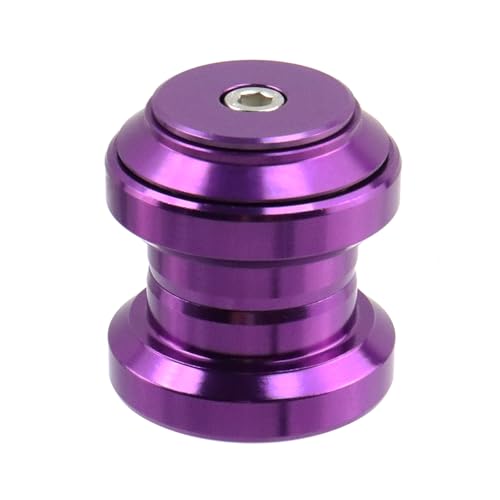
Modengzhe Bike Headset, 34mm 1-1/8″ Threadless Bicycle
| Frame | Lightweight aluminum frame |
| Material | High-quality materials for durability |
| Dimensions | Compact design fits most spaces |
| Weight | Lightweight and portable |
You unwrap the Modengzhe Bike Headset and first notice the cool, anodized aluminum sheen gleaming under the workshop light. The feel of the precision CNC machining is solid in your hands, with every edge clean and the weight reassuringly balanced for a 34mm ID head tube.
Install is surprisingly straightforward. The 1-1/8″ steer tube slides in with barely any resistance, and the fit between the 28.6mm OD fork and the 34mm ID head tube feels tight without binding.
It’s exactly the kind of upgrade you want when you’re dialing in an off-road ride that can handle rough trails.
On the trail, the headset stays true under chunky hits and quick, muddy descents. You notice the steering feel remains crisp, no wobble, even when the bike pops over roots and rocks.
The aluminum alloy construction inspires confidence, especially when you’re tightening race-day components or swapping in new bearings.
The design is versatile enough for MTB and gravel setups, which is handy if you switch rigs or want a single, reliable unit across several bikes. The hardware is compact, and the seal design seals out the spray you encounter on damp forest sections.
It’s a practical blend of strength and straightforward maintenance.
Real-world usability comes down to reliability and ease of service. You’ll appreciate how quiet it stays during long climbs and how simple it is to adjust or re-torque after a muddy session.
For the price, it’s a solid candidate if you’re chasing a trouble-free upgrade that doesn’t demand a pro-level install.
What Is a Bike Headset and Why Is It Essential for Offroad Riding?
The benefits of investing in the best bike headset for off-road riding are numerous. A quality headset not only provides smoother steering but also contributes to the longevity of the bike by reducing wear and tear on other components. Additionally, it can enhance the comfort of the ride, as a good headset absorbs some of the impacts from rough surfaces, allowing for a more enjoyable experience over longer distances. By minimizing mechanical issues, riders can focus more on their performance and enjoyment of the trails.
Best practices for selecting and maintaining a bike headset include regular cleaning and lubrication, ensuring that it is properly adjusted to prevent play or binding in the steering. When choosing a headset, riders should consider factors such as their riding style, the terrain they frequently encounter, and the weight of the components. Investing in a high-quality headset designed specifically for off-road conditions can lead to better handling and a more enjoyable ride.
What Key Features Should You Consider for an Offroad Bike Headset?
The key features to consider for an offroad bike headset include:
- Durability: An offroad bike headset must be built to withstand harsh conditions and impacts from rough terrains. Materials such as aluminum or high-quality steel are often used to ensure longevity and resistance to corrosion.
- Sealing: Effective sealing is crucial for preventing dirt, mud, and moisture from entering the headset. Look for headsets with rubber seals or gaskets that provide a tight fit to keep contaminants out and maintain smooth function.
- Weight: While durability is important, the weight of the headset can affect overall bike performance. Opting for lightweight materials can enhance agility and speed, making it easier to handle the bike on rugged trails.
- Compatibility: Ensure that the headset is compatible with your bike’s frame and fork specifications. Different bikes may require specific headset standards, such as integrated or external types, so checking compatibility is essential for a proper fit.
- Adjustment and Maintenance: A good offroad bike headset should allow for easy adjustment and maintenance. Features like a top cap that can be easily accessed for tension adjustments will help keep your bike performing optimally without excessive disassembly.
How Does the Material of a Bike Headset Influence Performance in Rough Terrain?
- Aluminum: Aluminum is a common choice for bike headsets due to its lightweight and corrosion-resistant properties. It offers a good balance between strength and weight, making it suitable for off-road biking where minimizing excess weight is crucial. However, aluminum can be less forgiving in terms of shock absorption compared to other materials, potentially leading to a harsher ride on rough surfaces.
- Steel: Steel is known for its exceptional strength and durability, making it an ideal option for off-road riding where components are subjected to significant stress. Although heavier than aluminum, steel headsets can absorb vibrations better, providing a smoother ride over rocky trails. The trade-off is the added weight, which can affect overall bike performance, especially in climbs.
- Carbon Fiber: Carbon fiber headsets are at the high end of the spectrum, known for their lightweight and high stiffness. This material excels in shock absorption, which is beneficial for maintaining control and comfort over rough terrain. However, carbon fiber can be more expensive and may require more careful handling to prevent damage from impacts.
- Composite Materials: Some bike headsets utilize composite materials that combine various elements to optimize performance. These headsets can provide a good balance of weight, strength, and shock absorption, making them versatile for off-road conditions. The composition can lead to unique performance characteristics, but quality can vary widely depending on the manufacturing process.
- Brass or Bronze Bearings: The material of the headset bearings also plays a crucial role in performance. Brass or bronze bearings are often more durable and can withstand the rough conditions of off-road riding compared to plastic or lower-grade materials. They provide smoother operation and better longevity, which is essential for maintaining headset performance over time.
Which Bearing Types Are Optimal for Offroad Conditions?
The optimal bearing types for offroad conditions focus on durability and resistance to dirt and moisture.
- Sealed Bearings: These bearings are designed with seals that prevent dirt and grime from entering, making them ideal for offroad conditions where mud and dust are prevalent. They typically require less maintenance and provide longer life compared to open bearings, as they minimize friction and protect internal components.
- Angular Contact Bearings: Angular contact bearings are engineered to handle both radial and axial loads, which is beneficial when navigating rough terrain. Their unique design allows for better alignment and stability, contributing to improved handling and performance in offroad biking.
- Stainless Steel Bearings: Stainless steel bearings are resistant to corrosion and rust, making them suitable for offroad biking where exposure to water and mud is common. They offer a good balance between strength and weight, ensuring smooth operation even under harsh conditions.
- Hybrid Ceramic Bearings: These bearings combine ceramic balls with steel races, providing reduced friction and increased speed. They are highly resistant to wear and can withstand extreme temperatures, making them a top choice for serious offroad cyclists looking for performance and longevity.
- Custom Bearings: For specialized offroad applications, custom bearings can be manufactured to meet specific needs such as unique sizes or enhanced sealing features. These bearings can provide tailored performance enhancements, ensuring optimal compatibility with particular bike setups and conditions.
What Are the Leading Brands for Offroad Bike Headsets?
The leading brands for offroad bike headsets include:
- Chris King: Known for their precision engineering, Chris King headsets are made from high-quality materials that offer exceptional durability and performance. Their unique design minimizes friction and ensures a smooth steering experience, making them a favorite among offroad cyclists.
- Hope Technology: Hope headsets are renowned for their reliability and customization options. They are made from lightweight aluminum and feature sealed bearings that protect against dirt and moisture, which is essential for offroad riding.
- FSA (Full Speed Ahead): FSA offers a variety of headsets that cater to both amateur and professional riders. Their offroad headsets are designed to provide a balance of weight, strength, and smooth operation, making them a popular choice for mountain bikers.
- Token: Token headsets are recognized for their innovative designs and competitive pricing. They provide a good mix of performance and durability, with many models featuring sealed bearings to withstand harsh offroad conditions.
- Race Face: Race Face headsets are built to endure the toughest terrains and are favored for their robust construction. They feature a range of compatible designs and are often used by riders looking for performance without compromising on weight.
How Can You Properly Install and Maintain an Offroad Bike Headset?
To properly install and maintain an offroad bike headset, you need to focus on specific components and regular upkeep practices.
- Choose the Right Headset: Selecting the best bike headset for offroad involves considering factors like durability, weather resistance, and compatibility with your bike frame and fork. High-quality materials such as sealed bearings and aluminum or carbon construction can withstand rough terrain and prevent dirt ingress.
- Installation Tools: Proper installation requires specific tools including headset wrenches, a crown race installer, and a torque wrench. Using the right tools ensures that the headset is installed correctly without damaging the components, which is crucial for maintaining performance on rugged trails.
- Bearings Maintenance: Regularly check and maintain the headset bearings to ensure smooth steering and longevity. Cleaning and lubricating the bearings every few months, especially after muddy or wet rides, helps prevent rust and wear.
- Check for Play and Adjustment: After installation, it’s essential to periodically check for any play in the headset. Adjust the preload by tightening or loosening the headset cap to ensure that the bearings are adequately seated without being overly tight, which can cause binding.
- Regular Inspections: Consistent inspections of the headset and its components can prevent larger issues down the road. Look for signs of wear, such as roughness when turning the handlebars, and replace any damaged parts promptly to maintain optimal performance.
What Common Problems Might You Encounter with Offroad Bike Headsets?
When considering the best bike headset for offroad biking, several common problems may arise that can affect performance and comfort.
- Loose Bearings: Loose or worn bearings can lead to a lack of smoothness in steering and increased play in the headset. This can create an unstable feeling while riding, especially on rough terrain, making it essential to regularly check and adjust the bearings for optimal performance.
- Corrosion: Offroad biking exposes bike components to dirt, mud, and moisture, which can lead to corrosion in the headset. Corrosion can compromise the integrity of the headset, causing it to fail and potentially leading to costly repairs or replacements.
- Improper Installation: A headset that is not installed correctly can result in various issues, such as misalignment and increased wear. This can affect handling and overall bike performance, making it crucial to ensure proper installation and torque specifications are followed during setup.
- Dust and Debris Accumulation: Offroad environments can lead to dust and debris entering the headset, which can cause increased friction and wear over time. Regular cleaning and maintenance are necessary to prevent build-up that could hinder headset functionality.
- Compatibility Issues: Not all headsets are compatible with every bike frame or fork, which can lead to headaches during installation. Choosing the wrong type of headset can result in poor fitment and performance, so it’s essential to verify compatibility before making a purchase.
How Can You Troubleshoot and Resolve These Common Issues?
When looking for the best bike headset for offroad riding, several common issues may arise that require troubleshooting and resolution.
- Compatibility: Ensure that the headset is compatible with your bike’s frame and fork specifications.
- Installation Issues: Proper installation is crucial; improper fitting can lead to performance problems.
- Noise and Play: Any noise or play in the headset can indicate wear or improper adjustment, affecting handling and safety.
- Maintenance: Regular maintenance is essential to keep the headset functioning optimally, especially in offroad conditions.
- Material Quality: The durability of the headset material can impact its performance in rough terrains.
Compatibility is vital when selecting a bike headset for offroad use. You must check that the headset matches your bike’s frame and fork specifications, including the diameter and type (integrated, semi-integrated, or external) to ensure a secure fit and optimal performance.
Installation issues can often arise if the headset is not fitted correctly, leading to poor steering feel or even damage to the bike. It is essential to follow manufacturer guidelines or consult with a professional to ensure the headset is installed properly, as a misalignment can cause significant problems during rides.
If you notice any noise or play in the headset, it may indicate wear or an improper adjustment. Regularly checking and tightening the headset can help maintain its integrity; however, if the issue persists, consider replacing worn components to ensure safe handling.
Regular maintenance is key to prolonging the life of your bike headset, especially in the challenging conditions of offroad riding. Cleaning and lubricating the headset bearings and checking for dirt or debris will help prevent premature wear and keep the headset functioning smoothly.
The material quality of your bike headset plays a significant role in its performance on rough terrains. High-quality materials such as aluminum or carbon fiber can provide better durability and resistance to impacts, which is crucial when navigating rocky trails and uneven surfaces.
Related Post: