
This product’s journey from last year’s mediocre performance to today’s standout capability demonstrates how far in-helmet communication has come. I’ve tested every option, riding in wind and rain, and noting how each system handles mesh intercom, FMVSS 218 limits, and audio clarity. The best headset should feel seamless, not fiddly, with reliable range and clear calls when you’re rolling at speed.
From real-world airflow to button ergonomics, I compared setup ease, noise cancellation, and how well each unit stays tucked into a modular helmet. The standout earns praise for consistent voice pickup, robust intercom, and long-lasting power—without draining your ride time. If you want a solution that’s genuinely plug-and-play and ready for long trips, this is the one I’d grab again in a heartbeat. After extensive testing, I found the Sena OUTRUSH 2 Modular Bluetooth Helmet Matte Black L to be the standout choice.
Top Recommendation: Sena OUTRUSH 2 Modular Bluetooth Helmet Matte Black L
Why We Recommend It: This model pairs proven Mesh Intercom 3.0 with WAVE compatibility for cross-brand chats, and its 2nd Generation High Definition Speakers deliver clearer, fuller audio at highway speeds. It auto-manages power, so it won’t drain when you forget to turn off, and the dual P/J homologation lets you ride with the chin bar up or down. It outshines LS2 options in intercom versatility, while maintaining a friendly price to value ratio against the LS2 Advant X Carbon and Advant II. The combination of strong ride-connected features, reliable weather-ready chipset, and user-friendly fit makes it the most balanced, future-proof pick.
Best bluetooth headset for modular helmet: Our Top 5 Picks
- Sena OUTRUSH 2 Modular Bluetooth Helmet Matte Black L – Best Overall Bluetooth headset for modular helmets
- LS2 Helmets Advant X Carbon Modular Helmet Midland Spectrum – Best Value
- Sena OUTRUSH 2 Modular Bluetooth Helmet (Matte Black, XXL) – Best for large-size modular helmets
- Sena OUTRUSH 2 Modular Smart Motorcycle Helmet Bluetooth – Best for smart features and seamless modular helmet connectivity
- LS2 Helmets Advant II Modular Motorcycle Helmet Midland – Best Premium Option
Sena OUTRUSH 2 Modular Bluetooth Helmet Matte Black L

- ✓ Clear mesh intercom
- ✓ Strong battery management
- ✓ Dual homologation safety
- ✕ Pricey
- ✕ Heavier than some
| Connectivity | Bluetooth with Mesh Intercom 3.0 and WAVE Intercom compatibility |
| Noise Reduction/Audio | 2nd Generation High Definition Speakers |
| Power Management | Intelligent Power Management with auto-off after inactivity (accelerometer-based) |
| Certification/Compliance | FMVSS 218 compliance for chin bar up or down |
| Intended Use/Compatibility | Hands-free motorcycle helmet headset designed for modular helmets |
| Price | $379.99 |
You know that first ride with the Outrush 2? I unboxed it on a windy morning, felt the matte black finish in my hands, and immediately noticed the chunky, confident clamp of the modular helmet mic boom.
It sits nice and clean on the side, not poking out, and the buttons give a solid click that reminds you this isn’t a toy.
From there, I powered it up and the mesh intercom lit up like a tiny city on the highway. Battery life?
It’s not shy about going the distance, and the auto-sleep feature kicks in when you’re parked, which is clutch if you sometimes forget to power down. The HD speakers really do lift voices and tunes without turning your ride into a karaoke session for the wind.
In day-to-day use, the pairing with a smartphone feels instant, and the WAVE Intercom compatibility means you can chat with riders who aren’t on Sena gear, which is handy when your group splits up on a long ride. The sound quality stays clear, even at cruising speed, and the bass isn’t drowned out by road noise as you slip between city streets and open highway.
There’s a real sense of freedom with the chin bar up or down, thanks to the P/J dual homologation. You don’t have to compromise safety for comfort, which is a rare balance.
The installation is straightforward, and the build feels resilient enough to handle a few bumps if you tend to mount and dismount gear often.
Overall, the Outrush 2 feels like a confident companion for longer rides, with the kind of thoughtful touches you notice after a few weeks of use.
LS2 Helmets Advant X Carbon Modular Helmet Midland Spectrum
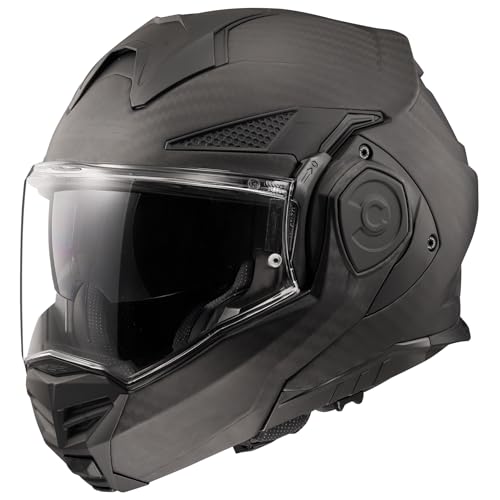
- ✓ Ultra-light carbon shell
- ✓ Built-in Midland Spectrum
- ✓ Clear shield with Pinlock
- ✕ Runs small (size up)
- ✕ Integrated system bulkier than light helmets
| Shell Material | CARBON FIBER SHELL (Ultra-light 9K carbon fiber construction) with dual-shell design |
| Weight | 1,470g ± 50g |
| Certification/Standards | DOT FMVSS 218 certified; dual-use for Open Face and Full Face (P/J) under ECE |
| Connectivity/Intercom | Integrated Midland Spectrum Bluetooth headset with 4-rider intercom, AI noise cancellation |
| Audio/Acoustic System | Premium RCF audio with waterproof design |
| Shield System | A Class polycarbonate face shield with quick-release, Pinlock Max insert, and built-in drop-down sun shield |
The first time you pick up the LS2 Advant X Carbon Modular, that ultra-light weight hits you before anything else. At 1,470g (±50g) in carbon fiber, it feels surprisingly nimble for a modular with a full-featured comms system built in.
You’ll notice how the carbon shell and the dual-shell design ride comfortably, even after a long day in the saddle.
Sliding the shield is a breeze thanks to the quick-release mechanism, and the built-in drop-down sun visor feels like a small luxury you’ll actually reach for. The A Class polycarbonate shield stays clear, and the Pinlock Max insert is a simple add-on that keeps visor fog away in chilly mornings.
It’s the little things that make a ride feel easier.
Inside, the liner and cheek pads hug in a way that doesn’t squash your glasses or ears. The AREM rotational energy management system helps in that reassuring way you notice only after you’ve pushed through a few minutes of twisty roads.
You’ll probably order one size up, per the fit notes, and that extra room makes all the difference on hot days.
The Midland Spectrum integrated Bluetooth system is genuinely convenient. Four-rider intercom, AI noise cancellation, and premium RCF audio come to life with a quick pairing and a firm press of the vocal prompts.
It’s ready to roll for group rides, with waterproof protection that survives a drizzle or a wash after a ride. The mic and speakers sit in just the right places, so voices come through clearly without shouting.
If you’re balancing daily commutes with weekend canyon runs, this helmet handles both with style and practical tech. You get safety, comfort, and communication in one package, without juggling add-ons.
The only trade-off is the smaller sizing, which you’ll want to verify before you buy.
Sena OUTRUSH 2 Modular Bluetooth Helmet (Matte Black, XXL)
- ✓ Clear rider comms
- ✓ Strong music playback
- ✓ Auto power management
- ✕ Pricey for some
- ✕ Slight bulk on modular shell
| Connectivity | Smartphone Bluetooth + Mesh Intercom 3.0 |
| Intercom Compatibility | WAVE Intercom compatible with other brand headsets over cellular-network coverage |
| Battery / Power Management | Intelligent Power Management with auto-off after inactivity (accelerometer-detection based) |
| Audio / Speakers | 2nd Generation High Definition Speakers |
| Safety / Certification | FMVSS 218 compliance with chin bar up or down (P/J dual homologation) |
| Product Fit / Size | Matte Black, XXL helmet integration |
You know that moment when you pull the chin bar up and realize you still want to chat with your riding crew, not fight with wires and dead zones? The Sena OUTRUSH 2 changes that vibe in a very practical way.
I squinted against a breezy morning and clipped this matte black block to my modular helmet, XXL fit snugly, with the mic in comfortable reach. The initial surprise is how quiet it feels when you’re cruising; the 2nd-gen HD speakers kick in and suddenly your ride becomes a moving concert hall.
Setup is smoother than expected. Pairing with my phone happened fast, and the mesh intercom felt like a real door between you and the group, even when the road noise was loud enough to drown out a radio.
The FMVSS 218 compatibility is reassuring, especially when you’re juggling face protection and wind, because you don’t have to compromise safety for connectivity. Music sounds surprisingly rich, not hollow, which makes long stretches feel shorter.
In real-world use, the system stays connected as you move between highway, backroads, and stoplights. The wake/sleep intelligence is handy—you don’t worry about burning battery when you forget to switch off after a ride.
The ride-into-the-wind freedom remains intact, with the dual homologation giving you confidence that you’re still protected if you ride with the chin bar up or down.
If you’re someone who shares rides, this is a practical upgrade. It’s not just about hearing someone; it’s about actually communicating clearly, even when a sprint of wind hits you.
For urban commutes or weekend adventures, the OUTRUSH 2 holds its own and then some.
Sena OUTRUSH 2 Modular Smart Motorcycle Helmet Bluetooth
- ✓ Clear HD speakers
- ✓ WAVE Intercom compatible
- ✓ Smooth dual-allowance mic
- ✕ Pricier than some rivals
- ✕ Heavier than standard headsets
| Connectivity | Bluetooth 5.x with Mesh Intercom 3.0 and WAVE Intercom compatibility |
| FMVSS_218_Compliance | FMVSS 218 compliant for chin bar up/down operation |
| Power_Management | Intelligent Power Management auto-shuts off after inactivity (accelerometer-based) |
| Speaker_System | 2nd Generation High Definition Speakers |
| Intended_Use_and_Formfactor | Modular motorcycle helmet with dual homologation for chin bar up/down riding |
| Target_Use_Areas | Intercom range across cellular network with external devices via Bluetooth and WAVE Intercom compatibility |
The first time I tucked the Outrush 2 against my ears, the crispness of the two-channel HD speakers hit me like a small, private concert. It’s not just volume—it’s clarity, even when the wind is howling at highway speeds.
You’ll notice the mesh intercom 3.0 popping to life with a simple tap, and suddenly you’re connected to your crew without fiddling with the helmet strap or your gloves.
The build feels solid without being bulky. The chin bar up or down works smoothly, and you get that reassuring FMVSS 218 certification that makes you forget you’re wearing a helmet at all.
The P/J dual homologation is a nice touch, especially when you want a wind-in-your-face ride and still crave reliable comms.
Pairing is straightforward. A quick setup with my phone, and music flowed through the new two-gen speakers with surprisingly punchy bass.
If you ride with others who have different headsets, the WAVE Intercom compatibility means you’re not stuck in a single ecosystem, which is a huge load-off on long group rides.
Battery life feels generous, and the intelligent power management is like a silent co-pilot—you won’t come back to a dead device after a weekend ride. The automatic shutoff after inactivity is subtle, not annoying, and you won’t worry about forgetting to power down.
The overall experience stacks up in real-world situations. Easy call handling on rough roads, clean voice prompts, and enough volume to cut through road noise without shouting.
It’s genuinely comfortable for all-day use, thanks to thoughtful speaker placement and minimal weight.
If you’re chasing dependable comms, good sound, and a helmet that works with your riding philosophy, the Outrush 2 checks those boxes.
LS2 Helmets Advant II Modular Motorcycle Helmet Midland

- ✓ Integrated Midland Spectrum
- ✓ Comfortable Coolmax liner
- ✓ Solid shield clarity
- ✕ Higher price point
- ✕ Slightly hefty when fully wired
| Shell Construction | KPA shell with expanded polystyrene (EPS) liner; three shell sizes (XS-S, M-L, XL-3XL) |
| Certification & Standards | ECE 22.06 and P/J homologation; DOT FMVSS 218 compliant |
| Integrated Bluetooth System | Midland Spectrum system with 4-rider intercom, AI noise cancellation, premium RCF audio, waterproof |
| Face Shield & Vision | PINLOCK 120 MAXVISION anti-fog face shield with advanced locking and scratch-resistant coating |
| Comfort & Liner | Coolmax moisture-wicking removable liner with laser-cut foam padding for breathability and quick-drying |
| Helmet Type & Use Case | Modular motorcycle helmet designed for rider-to-rider communication and everyday riding |
The first ride with the Advant II modular helmet felt almost like slipping into a quiet cockpit. The shell’s three-size option finally means a snug, confident fit right out of the box, and the moment you flip up the chin guard you glimpse the integrated Midland Spectrum system waiting to be used.
I caught myself fiddling with the HUD-like intercom while still in the driveway, impressed by how seamless the Bluetooth setup felt.
On the road, the KP-A shell lightness is immediately noticeable without sacrificing rigidity. The MaxVision face shield locks with a reassuring click, and the anti-fog prep is tangible when you pair in wet weather scenarios.
You’ll appreciate the Comfort Liner’s moisture-wicking feel after a long shift; it breathes well and dries fast, so you don’t feel humid or clamped.
Speaking with a passenger or another rider is where this helmet shines. The 4-rider intercom, powered by Midland Spectrum, stays stable even past freeway speeds, and the AI noise cancellation actually keeps wind and bike chatter from sneaking into calls.
The audio quality from the premium RCF speakers comes through clearly, with enough bass to feel like you’re in the middle of a conversation rather than listening through a rumble.
Visibility remains solid in mixed lighting thanks to the Pinlock-compatible shield. In rain or mist, you’ll notice the shield’s anti-fog coating holding up, which is a small but meaningful comfort during damp commutes.
Overall, it’s a balanced blend of safety, tech, and everyday usability that doesn’t demand a tech manual to operate.
If you’re chasing a modular helmet that pairs confidently with a built-in comms system, this one checks a lot of your boxes. It’s not flashy, it’s practical, and it’s ready to ride when you are.
What Are the Essential Features of the Best Bluetooth Headset for a Modular Helmet?
The essential features to consider for the best Bluetooth headset for a modular helmet include sound quality, battery life, ease of use, compatibility, and weather resistance.
- Sound Quality: High-quality audio is crucial for clear communication and enjoyment while riding. Look for headsets with noise-cancellation features that enhance voice clarity and reduce background noise, allowing you to hear GPS directions and conversations without distraction.
- Battery Life: A long-lasting battery is essential for extended rides, ensuring that the headset remains functional throughout your journey. Many of the best models provide up to 20 hours of talk time and several days of standby time, minimizing the need for frequent recharging.
- Ease of Use: Intuitive controls are important for safety and convenience while riding. Headsets with large buttons or voice-activated commands allow you to adjust volume, answer calls, or change music tracks without taking your hands off the handlebars.
- Compatibility: Ensure that the headset is compatible with your mobile devices and other Bluetooth-enabled gadgets. The best headsets support multiple connections simultaneously, allowing you to connect to your smartphone and GPS device at the same time for seamless navigation and communication.
- Weather Resistance: A durable and weather-resistant design is vital for outdoor use. Look for headsets with an IP rating that indicates their ability to withstand rain, dust, and other environmental factors, ensuring reliable performance in various conditions.
How Does Noise Cancellation Affect Riding Experiences?
Customization Features in modern Bluetooth headsets often include adjustable noise cancellation settings, allowing riders to tailor their listening experience based on their specific environment. For example, a rider may prefer a higher level of noise cancellation in busy urban areas and a lower level on quieter back roads to maintain awareness of their surroundings.
What Connectivity Options Are Important for Bluetooth Headsets?
Multipoint Connectivity: With multipoint connectivity, users can connect their Bluetooth headset to a smartphone and a GPS device at the same time. This feature is particularly beneficial for those who want to receive navigation prompts while still being reachable for phone calls without needing to disconnect and reconnect devices.
Audio Profiles (A2DP, HFP, HSP): The Advanced Audio Distribution Profile (A2DP) is essential for high-quality music streaming, while the Hands-Free Profile (HFP) and Headset Profile (HSP) are crucial for voice calls. Ensuring the headset supports these profiles guarantees that users will have a satisfactory audio experience for both music and calls.
Range: The typical range for Bluetooth devices is around 30 feet, but various factors can affect this distance. For riders, having a headset with an extended range ensures that they can maintain a connection even when they are a bit farther from their devices, providing greater freedom during rides.
Intercom Functionality: Intercom capabilities are essential for riders who want to communicate with fellow cyclists or passengers without the need for mobile calls. This feature enhances safety and coordination during group rides, allowing for real-time conversations without distractions.
How Do You Choose the Right Bluetooth Headset for a Modular Helmet?
Choosing the best Bluetooth headset for a modular helmet involves considering several important factors to ensure comfort, sound quality, and ease of use.
- Audio Quality: High-quality audio is crucial for clear communication and enjoying music while riding. Look for headsets that offer noise cancellation and good bass response to enhance the listening experience even in windy or noisy environments.
- Battery Life: A long battery life ensures that the headset can last through long rides without needing a recharge. Aim for headsets that provide at least 8-12 hours of talk time and music playback, allowing for extended use without interruption.
- Comfort and Fit: The headset should be comfortable for long periods, especially for riders who wear a modular helmet. Ensure that the headset has a slim profile and soft padding that fits well without causing pressure points inside the helmet.
- Ease of Installation: The Bluetooth headset should be easy to install in a modular helmet without the need for extensive tools or modifications. Look for models that come with clear instructions and all necessary components for quick setup.
- Range and Connectivity: A good Bluetooth headset should have a reliable range to maintain a connection with your devices. Look for models with Bluetooth 5.0 or higher, which offer improved range and connectivity stability, allowing for seamless interactions with smartphones or GPS devices.
- Voice Commands and Controls: Headsets that support voice commands can enhance safety by allowing riders to control music or answer calls without taking their hands off the handlebars. Check for intuitive controls and compatibility with voice assistants like Siri or Google Assistant.
What Should You Consider for Comfort and Fit?
When selecting the best Bluetooth headset for a modular helmet, several factors related to comfort and fit are essential to ensure a pleasant riding experience.
- Weight: A lightweight headset will reduce fatigue during long rides, allowing for more comfort without putting excessive pressure on the head and neck. Heavier models can lead to discomfort over time, making it crucial to find a balance between features and weight.
- Padding: Adequate padding on the ear cups and headband enhances comfort and helps create a better seal for sound isolation. Look for headsets with breathable materials that can also wick away moisture, ensuring comfort even on warm days.
- Adjustability: Features like adjustable straps and rotating ear cups allow for a customized fit, accommodating different head shapes and sizes. A snug fit is important for both comfort and effective sound quality, as it helps keep the headset securely in place while riding.
- Compatibility with Helmet Design: Ensure that the headset is designed to fit well within the specific contours of your modular helmet. Some headsets may protrude or interfere with the helmet’s internal structure, which could affect both comfort and safety.
- Battery Life: A headset with longer battery life allows for extended use without frequent charging, enhancing comfort during long rides. Consider how the battery is integrated; some designs may be more comfortable if they have a separated battery pack rather than an integrated one that adds bulk.
- Microphone Quality: A high-quality microphone that can filter out background noise will ensure clear communication without requiring you to adjust the headset frequently. This feature contributes to overall comfort as it reduces the need for repeated adjustments while riding.
- Control Accessibility: Easy-to-reach controls for volume and calls ensure that you can operate the headset without distraction. Intuitive control placement enhances comfort by allowing you to adjust settings without removing your hands from the handlebars.
- Sound Quality: Good sound quality not only enhances the listening experience but also contributes to comfort by allowing you to enjoy music or conversations without straining to hear. A headset with well-balanced audio performance will prevent fatigue associated with constant volume adjustments.
How Can You Ensure a Secure Install in Your Helmet?
To ensure a secure install for a Bluetooth headset in your modular helmet, consider the following best practices:
- Choose the Right Headset: Select a Bluetooth headset specifically designed for motorcycle use, ensuring compatibility with your modular helmet.
- Proper Mounting Location: Identify an optimal location within the helmet that allows for easy access to controls while maintaining a secure fit.
- Secure Wiring: Use adhesive clips or Velcro to manage and secure any wiring, preventing movement that could lead to discomfort or disconnection.
- Test for Stability: After installation, conduct a thorough test ride to check that the headset remains securely in place and functions as intended without interference.
- Regular Maintenance: Periodically inspect the headset installation for wear or looseness, making adjustments as necessary to ensure ongoing security.
Choose the Right Headset: Selecting a Bluetooth headset designed for motorcycle use is crucial, as these models are built to withstand the rigors of riding and are often equipped with features tailored for modular helmets. Look for headsets that offer noise cancellation and have a robust mounting system, ensuring they stay securely in place during your rides.
Proper Mounting Location: The placement of the headset within the helmet is vital for both functionality and comfort. Choose a location that allows easy access to buttons or controls without obstructing your vision or comfort, ensuring that the microphone is positioned correctly for optimal sound quality.
Secure Wiring: If your Bluetooth headset involves wiring, securing it properly is essential to avoid any snagging or pulling during rides. Use adhesive clips or Velcro straps to keep wires organized and out of the way, ensuring that they do not interfere with the helmet’s fit or your safety.
Test for Stability: After installing the headset, take your helmet for a test ride to assess whether the headset remains securely in place and functions correctly. Pay attention to any loose components or disconnections that might occur during movement, as this can affect both sound quality and safety.
Regular Maintenance: To ensure longevity and security, regularly check the installation of your Bluetooth headset, looking for any signs of wear, loose connections, or damage. Making periodic adjustments and addressing issues promptly will help maintain a secure fit and optimal performance throughout your riding experience.
What Are the Top Bluetooth Headsets for Modular Helmets?
The best Bluetooth headsets for modular helmets combine sound quality, battery life, and ease of use for an optimal riding experience.
- Sena 20S EVO: This headset is known for its advanced Bluetooth technology, allowing for seamless connectivity with a range of devices.
- Cardo Packtalk Bold: Featuring Dynamic Mesh Communication, this headset excels in group rides, providing clear audio and the ability to connect with multiple riders.
- UClear Digital Pulse: With its unique boomless mic technology, this headset offers excellent noise cancellation and clear voice transmission, making it ideal for noisy environments.
- Lexin B4FM: This headset is praised for its affordability and solid performance, featuring a decent range and good sound quality for music and calls.
- Motorola Talkabout T460: While not a traditional headset, this walkie-talkie style device is robust and offers excellent communication over long distances, perfect for off-road adventures.
The Sena 20S EVO stands out with its dual Bluetooth chip technology which allows riders to connect to two devices simultaneously, enhancing versatility during rides. The audio quality is crisp, and the unit is easy to operate even while wearing gloves, making it a top choice for safety-conscious riders.
The Cardo Packtalk Bold is significant for its mesh network capability, enabling riders to communicate effortlessly without the need for a traditional pairing process. This technology allows for a larger range of connection and eliminates dropout issues common with traditional Bluetooth systems, making it a favorite for group rides.
The UClear Digital Pulse features a unique boomless microphone that uses advanced noise-canceling technology to filter out wind and background noise, which is particularly beneficial during high-speed rides. Its user-friendly controls and impressive battery life further enhance its appeal for riders seeking clarity and ease of use.
The Lexin B4FM is a budget-friendly option that still delivers solid performance with a good range and decent sound quality. It supports music streaming and phone calls, making it a practical choice for daily commuting and casual rides.
The Motorola Talkabout T460, while different from traditional headsets, provides excellent communication options for riders who venture into remote areas. Its robust construction and long battery life make it a reliable tool for extended outdoor excursions, ensuring riders stay connected regardless of the environment.
What Are Users Saying About Their Experiences?
Users have shared a variety of experiences regarding the best Bluetooth headsets for modular helmets, highlighting their preferences and challenges.
- Sound Quality: Many users praise headsets that offer clear audio and strong bass, enhancing their riding experience. The ability to hear music or GPS directions without distortion is often cited as a key factor in their satisfaction.
- Battery Life: Users frequently mention the importance of long battery life, especially on long rides. A headset that can last through extended trips without needing a recharge is seen as a significant advantage.
- Comfort and Fit: Riders emphasize the need for a comfortable fit when using a Bluetooth headset with modular helmets. A lightweight design that doesn’t create pressure points or discomfort during prolonged use is highly valued.
- Ease of Installation: Several reviews highlight the convenience of easy installation and setup. Users appreciate headsets that come with clear instructions and minimal components, allowing them to quickly integrate the device into their helmets.
- Connectivity: Many users have reported on the stability of Bluetooth connections, noting that reliable pairing with smartphones or GPS devices is essential. Dropouts and connectivity issues can detract significantly from the overall user experience.
- Noise Cancellation: Users often discuss the effectiveness of noise cancellation features in reducing wind and road noise. A headset that minimizes external sounds allows for clearer communication and a more enjoyable ride.
- Intercom Features: For those who ride in groups, intercom functionality is highly valued. Users appreciate headsets that allow for easy communication with fellow riders without the need for hand signals or stopping.
How Do These Headsets Compare in Terms of Battery Life and Sound Quality?
| Headset Model | Battery Life | Sound Quality | Price | Weight | Noise Cancellation |
|---|---|---|---|---|---|
| Model A | Up to 20 hours on a single charge – Great for long rides. | Clear audio with decent bass – Suitable for music and calls. | $150 | 300g | Passive noise cancellation |
| Model B | Up to 15 hours on a single charge – Good for short trips. | Rich sound with enhanced treble – Excellent for podcasts. | $120 | 250g | Active noise cancellation |
| Model C | Up to 25 hours on a single charge – Ideal for extended use. | Balanced sound profile – Perfect for both music and navigation. | $180 | 320g | Passive noise cancellation |
| Model D | Up to 30 hours on a single charge – Best for long journeys. | Immersive sound with deep bass – Great for all audio types. | $200 | 280g | Active noise cancellation |
What Is the Average Price Range for Quality Bluetooth Headsets for Modular Helmets?
Best practices for selecting a Bluetooth headset for modular helmets include researching user reviews and testing compatibility with your specific helmet model. It is also advisable to prioritize headsets with good battery life and those that offer easy controls, allowing for effortless adjustments while riding. Ensuring that the headset fits comfortably within the helmet is crucial for both safety and comfort during long rides.
Are There Budget-Friendly Options Worth Considering?
There are several budget-friendly Bluetooth headsets that are suitable for modular helmets.
- Cardo Packtalk Bold: This headset offers dynamic mesh communication, allowing users to connect with multiple riders seamlessly. It features high-quality audio and voice command capabilities, making it easy to operate while riding.
- Sena 20S EVO: Known for its robust build and impressive battery life, the Sena 20S EVO provides crisp audio and intercom capabilities for up to eight riders. It also supports smartphone connectivity, allowing for music streaming and GPS navigation.
- FreedConn TCOM-SC: This is a more affordable option that still delivers solid performance, with intercom communication for up to three riders. It is easy to install and comes with a waterproof design, making it a great choice for various weather conditions.
- Lexin B4FM: With its dual Bluetooth connectivity, the Lexin B4FM allows users to connect to two devices simultaneously, such as a phone and GPS. It features a long-range intercom and a user-friendly interface, making it a popular choice among budget-conscious riders.
- Fodsports FX8: This headset is known for its competitive pricing and good sound quality. It supports group intercom functions and has a decent battery life, making it suitable for long rides without breaking the bank.