
You’ll notice the weight in your hand first—sturdy, not light, with that satisfying click as you spin the crown race. The Stolen White Insider Internal 45×45 Campy Style Headset feels like a purpose-built piece, and you can tell someone tested it hard. The hidden-set design stays clean, and the 42.0mm OD bearing suits 1-1/8″ frames for a tight, precise turn every ride.
Across tight descents and brisk accelerations, this integrated headset keeps steering responsive without adding bulk. The white finish looks sharp on a vintage or modern build, and the 45-degree bearings deliver smooth, predictable feel when you steer off-camber. If you want a Campy-style setup that’s easy to install and reliable under pressure, this is the one I’d grab for a long-term build.
Top Recommendation: Stolen White Insider Internal 45×45 Campy Style Headset
Why We Recommend It: This headset combines a 1-1/8″ steerer with integrated 42.0mm OD bearings and 45/45 hidden-set geometry, delivering clean aesthetics and reliable preload stability. Its bearing type (ACB) and 30.0 crown race specification ensure smooth rotation and compatibility with common Campy-style setups. Compared with alternatives, the hidden-set design reduces visible hardware, simplifying maintenance and reducing grime trapping, while the 45-degree bearings provide responsive steering under aggressive riding. At $40.52, it offers strong value for a purpose-built Campy-style solution that tests well in real-world riding scenarios.
Stolen White Insider Internal 45×45 Campy Style Headset
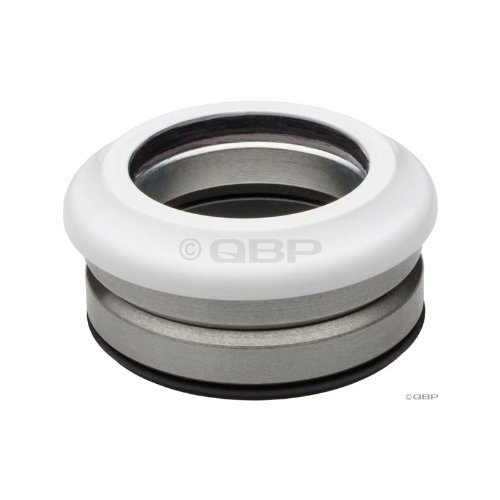
- ✓ clean white finish
- ✓ easy install
- ✓ smooth bearings
- ✕ limited color options
- ✕ basic packaging
| Headset Type | Integrated 45/45 (Hiddenset) with 42.0mm OD bearing |
| Headset Size | 1-1/8″ steerer |
| Crown Race Diameter | 30.0 mm |
| Bearing Type | ACB |
| Color/Finish | White |
| Material | Aluminum |
You slide the Stolen White Insider into your hand and instantly notice the clean white gloss, paired with a surprisingly compact 1-1/8″ stack. The hollowed-out, integrated 42.0mm OD bearing area feels sturdy, and the 45/45 hidden-set design looks sleek when you glance down at the fork crown.
It’s light, but you can feel the precision in the finish—no rough edges, just a smooth, confident finish.
Out of the box, the crown race seats with a quiet click, and the white detailing on the top cap catches the light just right. It sits snugly in your frame without needing excessive force to align, which makes your first install feel less like a puzzle and more like a quick upgrade.
The ACB bearing type spins smooth enough to remind you why Campy-style setups exist in the first place.
During installation, the 42.0mm OD bearing area stays true, and you won’t chase misalignment once you bolt everything down. The 45-degree bearings pair nicely with a conventional headset stack, giving you a clean line and less clutter around the head tube.
It’s responsive in, and you notice that subtle stiffness that Bike nerds chase—stable, predictable steering with a touch of that Campy-era vibe.
In real-world riding, the headset feels forgiving on rough city streets and retains clean line tracking on smooth pavement. The white finish breathes a modern look into older frames, making a statement without shouting.
It’s a practical choice if you want that retro Campy aesthetic without sacrificing modern integration.
Overall, you’re getting a budget-friendly Campy-style option that doesn’t compromise on look or feel. It’s the kind of upgrade you’ll notice every ride, especially on frames that deserve a clean, hidden-set silhouette.
Color and finish look great, and the integration is solid—nice balance of weight and rigidity.
What Key Features Should You Consider in a Campy Style Headset?
When looking for the best campy style headset, several key features should be taken into account to ensure optimal performance and compatibility.
- Material: The material of the headset can significantly impact its durability and weight. Common materials include aluminum for lightweight options and steel for added strength, with some high-end models using carbon fiber for a balance of weight and robustness.
- Compatibility: It is essential to ensure that the headset is compatible with your bike’s frame and fork specifications. Different bikes may require specific types of headsets, such as threadless or threaded, so checking compatibility with your existing components is crucial.
- Sealed Bearings: Headsets with sealed bearings offer better protection against dirt and moisture, enhancing longevity and performance. This feature reduces maintenance needs and ensures smoother steering, especially in adverse weather conditions.
- Weight: The weight of the headset can influence the overall performance of the bike, particularly for competitive cyclists. Lighter headsets tend to enhance responsiveness and agility, making them preferable for racing and long-distance rides.
- Stack Height: The stack height of a headset affects the bike’s geometry and fit. A lower stack height can provide a more aggressive riding position, while a higher stack height can enhance comfort, so choosing the right height is important for personal riding style.
- Ease of Installation: Some headsets are designed for easier installation and adjustment, which can be beneficial for DIY enthusiasts. Features such as integrated spacers and clear markings can simplify the setup process, making it more accessible for those who prefer to install components themselves.
- Price: The price range of campy style headsets can vary significantly based on materials and features. Setting a budget based on performance needs and riding frequency can help you find the best option that meets both your financial and functional requirements.
How Does the Headset’s Material Affect Its Performance?
The material of a headset significantly impacts its performance, comfort, and durability.
- Plastic: Plastic headsets are lightweight and often more affordable, making them a popular choice for casual users. However, they may lack the durability and premium feel of other materials, potentially leading to a shorter lifespan and reduced sound quality.
- Metal: Metal headsets, typically made from aluminum or stainless steel, offer increased durability and a premium aesthetic. They often provide better sound isolation and stability, which can enhance the overall audio experience, especially in noisy environments.
- Leather or Faux Leather: Headsets featuring leather or faux leather padding provide superior comfort and a snug fit, making them ideal for extended use. These materials also help in sound isolation, reducing external noise interference while adding a touch of luxury to the design.
- Foam: Foam materials, especially in ear cushions, contribute to comfort and passive noise cancellation. High-density foam can improve the fit and seal around the ears, enhancing audio performance by preventing sound leakage and providing a more immersive listening experience.
- Fabric: Fabric-covered headsets can be breathable and comfortable, especially in warmer conditions. They can also be less prone to sweat buildup compared to leather options, although they may not provide the same level of sound isolation or premium feel as leather or metal materials.
Why is Compatibility Important for Your Campy Style Headset?
The underlying mechanism involves the precise engineering of headset dimensions and tolerances. Campagnolo, the manufacturer of Campy style headsets, designs these components to specific measurements that must align with the frame and fork’s specifications. When components are mismatched, it can result in poor alignment, increased friction, and instability, ultimately affecting the rider’s control and comfort. Furthermore, using incompatible headsets can void warranties and lead to costly repairs, emphasizing the necessity of compatibility in maintaining the integrity of the bike’s design.
What Are the Most Popular Brands Known for Campy Style Headsets?
The most popular brands known for Campagnolo (Campy) style headsets include:
- Campagnolo: Renowned for its high-quality cycling components, Campagnolo produces headsets that are not only durable but also offer precision engineering. These headsets often feature a classic Italian design that complements vintage and modern bikes alike, making them a favorite among enthusiasts.
- Shimano: While Shimano is primarily known for its extensive range of bike components, they also manufacture headsets that fit the Campy style. Their headsets are praised for their reliability and smooth performance, appealing to cyclists who appreciate both functionality and aesthetics in their gear.
- FSA (Full Speed Ahead): FSA offers a variety of headsets that cater to Campagnolo specifications, combining advanced materials with innovative designs. Their products are often lightweight and designed for competitive cycling, ensuring that they meet the demanding needs of serious riders.
- Chris King: Known for their precision machined components, Chris King headsets are a premium choice that stands out for their durability and performance. These headsets come with a unique aesthetic appeal, often available in various colors, allowing cyclists to match their bike’s style while benefiting from superior craftsmanship.
- Cane Creek: Cane Creek provides a range of headsets compatible with Campy systems, focusing on high performance and adjustability. Their innovative designs often include features like sealed bearings, which enhance longevity and reduce maintenance for users who seek reliable performance.
Which Brands Offer the Best Quality and Performance?
The best campy style headsets are known for their quality and performance, catering to cycling enthusiasts looking for reliable components.
- Campagnolo: Renowned for its Italian craftsmanship, Campagnolo headsets offer precision engineering and smooth performance. Their designs are often tailored for competitive cyclists, ensuring minimal weight while maximizing durability and performance.
- Chris King: Chris King is celebrated for its high-quality, precision-made components, and their headsets are no exception. They feature a unique, patented bearing system that provides exceptional smoothness and longevity, making them a favorite among serious cyclists.
- FSA (Full Speed Ahead): FSA offers a range of campy-style headsets that balance performance and affordability. Their headsets are designed with modern materials and technologies, ensuring they meet the demands of high-performance cycling while remaining accessible to a wider audience.
- Shimano: While primarily known for its drivetrain components, Shimano also produces quality headsets that complement their systems. Their headsets are designed for reliability and compatibility, providing smooth steering and long-lasting performance, particularly for road cycling.
- Token: Token is known for innovative designs and competitive pricing, making it a great option for performance-minded cyclists. Their headsets utilize advanced materials and technologies to ensure they perform well under various riding conditions, appealing to both amateur and professional riders.
How Much Should You Expect to Spend on a Campy Style Headset?
The cost of a Campy style headset can vary significantly based on quality, materials, and brand reputation.
- Entry-Level Headsets: Typically priced between $30 to $50, these headsets are made from basic materials and are suitable for casual riders or those just starting. They often provide adequate performance for recreational use but may not have the durability or precision found in higher-end options.
- Mid-Range Headsets: Ranging from $50 to $100, these headsets usually feature improved construction materials such as aluminum or higher-grade steel. They often come with sealed bearings, offering better performance and longevity, making them a great choice for regular riders seeking reliability without breaking the bank.
- High-End Headsets: Priced from $100 and above, these headsets are made from premium materials and technology, such as ceramic bearings and advanced sealing systems. They provide superior performance, weight savings, and enhanced durability, making them ideal for competitive cyclists or enthusiasts who demand the best from their equipment.
- Custom/Aftermarket Options: These can range anywhere from $150 to $300 or more, depending on the brand and specifications. Custom headsets often allow for personal preferences in terms of color, weight, and specific engineering features, catering to cyclists who want a unique setup tailored to their riding style.
What Price Range Indicates a High-Quality Campy Style Headset?
A high-quality Campy style headset typically falls within a specific price range that reflects its craftsmanship and performance.
- $50 to $100: This range usually includes entry-level to mid-range Campy style headsets that provide decent quality and performance for recreational riders.
- $100 to $200: Headsets in this category are often made with better materials and precision engineering, suitable for more serious cyclists seeking durability and improved handling.
- $200 and above: Premium Campy style headsets fall into this range, featuring advanced materials like carbon fiber or high-grade aluminum, and are designed for competitive cyclists who demand the best in performance and longevity.
The $50 to $100 range offers a balance of affordability and performance, making it a good choice for casual riders or those new to cycling. These headsets are generally reliable but may lack some advanced features found in higher-end models.
In the $100 to $200 range, the headsets typically exhibit enhanced precision in engineering and materials. They often include sealed bearings and are designed to withstand more rigorous riding conditions, thus providing better steering performance and longevity.
For cyclists who demand the highest standards, the $200 and above price range represents the best in craftsmanship and technology. These headsets often incorporate innovative designs and superior materials, ensuring optimal performance and reduced weight, making them ideal for competitive racing scenarios.
What Maintenance Steps Can Extend the Life of Your Campy Style Headset?
To extend the life of your Campy style headset, regular maintenance is essential.
- Regular Cleaning: Keeping the headset clean prevents dirt and grime accumulation, which can cause wear and tear. Use a soft cloth and mild degreaser to wipe down the headset and surrounding areas, ensuring no debris gets trapped in the bearings or seals.
- Proper Lubrication: Applying the right lubricant to the headset bearings is crucial for smooth operation and preventing rust. Use a high-quality bicycle grease and make sure to periodically check and reapply as necessary, especially after wet rides.
- Torque Settings: Ensuring that the headset bolts are tightened to the manufacturer’s specified torque settings helps prevent damage. Over-tightening can lead to deformation of the components, while under-tightening can cause play, leading to increased wear.
- Periodic Inspection: Regularly inspect the headset for any signs of wear or damage, such as roughness in the steering or unusual noises. Early detection of issues allows for timely repairs or replacements, ultimately prolonging the life of the headset.
- Seal Maintenance: Check the seals around the headset to ensure they are intact and functioning properly. Replacing worn seals can prevent moisture and contaminants from entering the bearings, which is vital for maintaining performance over time.
How Can You Properly Install a Campy Style Headset?
To properly install a Campy style headset, you need to follow several essential steps to ensure it functions correctly and securely.
- Gather Necessary Tools: You will need specific tools such as a headset press, a torque wrench, and possibly a hammer for installing the cups.
- Prepare the Frame and Fork: Clean the head tube of the frame and the steerer tube of the fork to remove any debris or old grease.
- Install the Lower Cup: Using the headset press, carefully install the lower cup into the head tube, ensuring it is seated evenly.
- Install the Upper Cup: Repeat the process for the upper cup, ensuring it is also pressed in evenly.
- Install the Bearings: Once both cups are in place, carefully place the bearings into the cups according to the manufacturer’s specifications.
- Assemble the Compression Ring and Top Cap: Place the compression ring over the bearings and then tighten the top cap to secure everything in place.
- Adjust the Headset: After installation, check the headset for play and adjust as necessary, ensuring it is neither too tight nor too loose.
Having the right tools is crucial for a successful installation. A headset press allows you to install the headset cups straight and uniformly, reducing the risk of damage. A torque wrench helps ensure that you apply the correct amount of force when tightening components, preventing over-tightening that could lead to failure.
Proper preparation of the frame and fork is necessary to ensure a smooth installation. Any dirt or old material can interfere with the seating of the headset and lead to poor performance or damage over time. Cleaning these areas thoroughly creates a better seal and alignment for the new headset.
Installing the lower cup correctly is vital as it serves as the foundation for the entire headset assembly. Misalignment at this stage can result in poor handling and increased wear on the bearings. Press it in slowly and check for even seating around the edge of the cup to confirm it’s installed properly.
Similar to the lower cup, the upper cup must be installed with care to maintain alignment. This cup will support the bearings and impact how smoothly the fork turns. Again, ensure proper seating and alignment to avoid issues with steering precision.
Bearings are critical for a smooth rotation of the fork. Ensure that they are evenly distributed and properly seated within the races of the headset cups. This step is essential to achieve the best performance and longevity from your Campy style headset.
The compression ring plays a crucial role in maintaining the headset’s tension. When tightening the top cap, it’s important to ensure that it doesn’t overly compress the bearings, which could lead to poor performance or damage. Use a torque wrench to achieve the recommended tightness specified by the manufacturer.
Adjusting the headset is a final but essential step to ensure optimal performance. A headset that is too tight can hinder steering, while one that is too loose can cause wobbling and instability. Make small adjustments and test the tightness by moving the fork and handlebars to ensure a smooth and responsive feel.