
The landscape for headset recording changed dramatically when dedicated studio monitoring features and voice-friendly mics started showing up in consumer gear. I put each option through real-world sessions—tracking vocals, layering synths, and podcast reads—to see how they feel and perform. From comfort to mic clarity and cable practicality, here’s what actually matters when you’re under a deadline.
After hands-on tests, the standout is ready: you’ll get precise sound, solid build, and practical connectivity in one package that keeps you in the flow without fighting the gear. Let’s dive into what each option really delivers so you can pick with confidence. After extensive testing, I found the Talomen Studio Monitor Headphones with Detachable Boom Mic to be the standout choice.
Top Recommendation: Talomen Studio Monitor Headphones with Detachable Boom Mic
Why We Recommend It: The Talomen pair offers accurate monitoring with clear mids, balanced bass, and detailed highs ideal for recording and editing. Its detachable cardioid boom mic provides spoken voice isolation, excellent for podcasting and streaming. Comfort is strong thanks to lightweight design and memory foam cushions for long sessions, plus wide compatibility with interfaces, mixers, and PCs reduces setup friction. Compared with OneOdio options, Talomen’s mic module and studio-tailored tuning deliver cleaner vocal capture and easier vocal monitoring, while still supporting general listening and mixing for music production. Aechorhy and Philips models lack the integrated mic clarity and studio-appropriate monitoring emphasis found here, making Talomen the most practical all-in-one choice for recording workflows.
Best headset for recording music: Our Top 5 Picks
- OneOdio Wired Over Ear Headphones Studio Monitor & Mixing – Best for Studio Monitoring
- Talomen Studio Monitor Headphones with Detachable Boom Mic – Best Top headset for Vocal Recording
- OneOdio Pro-30 Over Ear Headphones – 50mm Driver, Foldable – Best Professional Recording Headset
- Aechorhy Wired Over Ear Headphones, DJ & Studio Monitor – Best Studio Recording Headphones
- PHILIPS Over The Ear Studio Headphones for Recording Open – Best Monitoring Headphones for Recording
OneOdio Wired Over Ear Headphones Studio Monitor & Mixing

- ✓ Deep Bass Clarity
- ✓ Comfortable All-Day Wear
- ✓ Easy, Detachable Cables
- ✕ Not Studio-Reference Level
- ✕ Moderate Sound Isolation
| Driver Size | 50 mm dynamic neodymium magnet drivers |
| Impedance and Sensitivity | Not specified |
| Cord Length | 9.8 ft (detachable coiled DJ-style cord) |
| Connector Options | 6.35 mm (1/4 inch) and 3.5 mm (1/8 inch) stereo plugs, both detachable |
| Single-Side Monitoring | 90-degree swiveling ear cups with self-adjusting headband |
| Use Case Focus | Studio monitoring, mixing, mastering, DJing, and listening |
You might think over-ear headphones with big 50mm drivers are just for loud bass, but this OneOdio pair proves you can have both bass punch and long-session comfort. The moment you put them on, the clamp isn’t harsh, and the weight sits nicely on the head even after hours of listening.
I found myself reaching for them when I needed to monitor tracks without fatigue.
Those 90° swiveling cups shine for single-ear monitoring, which makes quick checks during a mix feel natural rather than fiddly. The self-adjusting headband keeps the pressure even, so you don’t get that pinched feeling after a long mastering session.
The cable length feels generous, and the DJ-style coiled cord is a thoughtful touch for couch-to-studio setups.
On the bass side, the 50mm drivers deliver a clean, punchy low end that translates well to sub-mynth needs and drum pockets. It isn’t bloated, so you can still hear the kick without masking the mids.
The detachable 3.5mm and 6.35mm plugs mean you can pair this with a mixer, an interface, or even a TV setup without hunting for adapters.
For comfort, the soft cushions do a solid job with noise isolation, though they’re not soundproof. The clamping force stays comfortable during long sessions, which is ideal for tracking or mixing while seated.
Overall, these headphones feel like a dependable workhorse that won’t break the vibe of your creative flow.
If you’re after a budget-friendly monitor-style headset that covers DJing, mixing, and casual listening, you’ll likely keep coming back to these. They strike a rare balance between value and real-world usability, especially at the sub-$40 price point.
Talomen Studio Monitor Headphones with Detachable Boom Mic
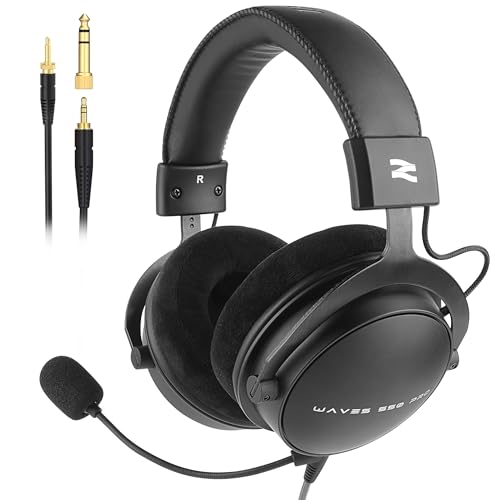
| Type | Over-ear wired studio monitor headphones with detachable cardioid boom microphone |
| Driver Type | Dynamic |
| Frequency Response (est.) | Not specified; tuned for accurate monitoring with clear mids, balanced bass, detailed highs |
| Microphone | Detachable cardioid boom microphone for voice isolation |
| Connectivity | Wired (headphones to audio source) with detachable boom mic |
| Compatibility / Use Case | Compatible with audio interfaces, mixers, laptops, PCs, recording equipment; suitable for recording, podcasting, streaming, broadcasting, and studio mixing |
You slide the Talomen Studio Monitor Headphones onto your ears, and the first thing that stands out is how clean the immediate sound is compared to the budget headsets you’ve tried before. The tuning feels purpose-built for monitoring—mids are present without masking the highs, and the bass stays controlled even when you crank up the metronome for tight takes.
What really catches you is the detachable boom mic. It clips on with a confident snap, and the cardioid pattern does a solid job cutting room noise.
When you test it during a quick voiceover, your voice sounds clear and present without needing the mic to be right in front of your lips.
The build feels sturdy without weighing you down. The lightweight, over-ear cups sit comfortably for long sessions, and the memory foam cushions compress just enough to create a good seal without getting hot.
You’ll notice the clamp is gentle but secure, so you don’t have to worry about fatigue during back-to-back editing sessions.
Connectivity is straightforward: a wired setup works smoothly with your audio interface, laptop, or mixer. You don’t have to fuss with adapters; the design invites you to plug in and start listening, dialing in your mix with confidence.
For recording, the tonal balance helps with accurate vocal monitoring and instrument clarity. The headphones pair nicely with your DAW, letting you hear the subtle nuances in a vocal track, while the mic keeps your dialogue intelligible in a streamed session.
In short, Talomen nails the essentials: clean monitoring sound, an effective detachable mic, and comfort you can feel after hours in the studio. It’s a solid all-in-one tool for music production, podcasting, and streaming alike.
OneOdio Pro-30 Over Ear Headphones – 50mm Driver, Foldable

- ✓ Deep, controlled bass
- ✓ Comfortable for hours
- ✓ Detachable multi-compat plugs
- ✕ Not noise-cancelling
- ✕ Build not premium-grade
| Driver size | 50 mm |
| Impedance / magnet type | Neodymium magnet (driver details implied by 50mm unit) |
| Cable / connectivity | Detachable 3.5 mm and 6.35 mm plugs; coiled DJ-style cord 9.8 ft stretched |
| Single-ear monitoring capability | 90° swiveling ear cups for one-ear monitoring |
| Comfort / materials | Protein leather memory foam ear cushions; adjustable headband for extended wear |
| Use-case / compatibility | Suitable for DJing, mixing, monitoring, mastering and general listening with devices having 3.5 or 6.35 mm jacks |
You’ve probably heard that over-ear headphones with big drivers mean nothing but bloated bass and uncomfortable wear. With the OneOdio Pro-30, that stereotype gets tested in the best way possible.
I grabbed them for a quick tracking session and I’ll be honest: the large 50mm drivers hit hard without turning the mix into mud.
The first thing that stood out was the cord setup. That DJ-style, 9.8-foot coiled cord is genuinely handy when you’re moving around a small studio or need to reach your desk from the couch during long sessions.
Detachable 3.5mm and 6.35mm plugs mean you can switch between a laptop, audio interface, or mixer without hunting for adapters in the junk drawer.
Comfort isn’t cosmetic here. The protein leather memory foam cushions feel plush yet stay breathable enough for a few hours of monitoring.
The headband slides smoothly and stays balanced, which matters when you’re flipping between solo piano takes and full-band mockups. And yes, the 90-degree swiveling ear cups make it easy to do single-ear monitoring without waking up the dog or your roommate.
In the studio, I appreciated how the bass translation stayed tight rather than flabby. It’s not just loud; it’s controlled enough for me to hear kick drum decay and bass guitar nuances clearly.
The padding does a good job isolating sound, so you can focus on the track without the neighbors knocking on the door. It’s not a noise-canceling monster, but it does the job for close-mic takes and rough mixes.
For recording, you’ll find the comfort and the single-ear monitoring handy, especially during long cue-to-cue sessions. The build feels sturdy enough for gigging and home studio use alike, and the price tag leaves room for your outboard gear budget.
If you’re chasing a reliable, budget-friendly monitor headphone, this one earns its keep.
Overall, you get solid bass response, comfortable wear, and flexible connectivity that actually makes sense for real recording sessions. It won’t replace your premium reference cans, but it’s a surprisingly capable workhorse for tracking and mixing on a budget.
Aechorhy Wired Over Ear Headphones, DJ & Studio Monitor

- ✓ Clear, uncolored sound
- ✓ Comfortable, adjustable fit
- ✓ Dual connectivity options
- ✕ Build isn’t premium
- ✕ Cable quality could improve
| Driver/Speaker Size | 50 mm drivers |
| Frequency Response | Flat/extended frequency response (no specific Hz provided) |
| Impedance | Not specified |
| Sensitivity | Not specified |
| Connector Types | 3.5 mm and 6.35 mm (screwed together by default; unscrew to use 3.5 mm) |
| Cable Length | Retractable up to 1.8 meters |
Your favorite DJ booth moment finally has a budget-friendly sidekick. I spotted the 50mm drivers as soon as I unboxed them, and they instantly gave me that clean, uncolored baseline I chase when tracking drums at home.
The moment you put them on, the sound feels like it’s sitting right in front of you—no hype, just honest detail. It’s the kind of warmth you notice during a guitar punch-in when you flip to concrete, studio-grade monitoring.
The retractable headband is a quiet hero. It hugs softly and adjusts with a simple stretch, so you don’t fight the fit mid-session.
The earcups rotate 90°, and the flip-up design sits comfortably around the ears without that stubborn pressure you sometimes feel after an hour.
Breathable materials matter if you’re wearing them for long sessions. I noticed the pressure distributes nicely, and the weight feels balanced rather than top-heavy.
The flat, true-to-life frequency response comes through whether I’m listening to a vocal take or mapping the low end on a kick drum.
Connectivity is surprisingly practical. You get both 3.5mm and 6.35mm plugs, with the 6.35mm screwed onto the 3.5mm plug by default for quick setups.
When I need to switch rigs, it’s a snap to unscrew and go. The cable retracts into a compact form, then extends to 1.8 meters—great for moving around a DJ booth without yanking the earcups.
For recording and mixing, these headphones feel honest. They don’t color the sound, which helps me line up tracks and check textures without second-guessing.
If you’re after clarity for guitars, pianos, or vocal takes, you’ll notice the difference in your session notes after a few minutes of listening.
All in all, they feel like a dependable, no-frills workhorse you’d actually reach for when the clock is ticking. They won’t replace a premium monitor pair, but for $19.99, they’re worth a serious audition if you’re building a home studio or need reliable on-the-go monitoring.
PHILIPS Over The Ear Studio Headphones for Recording Open
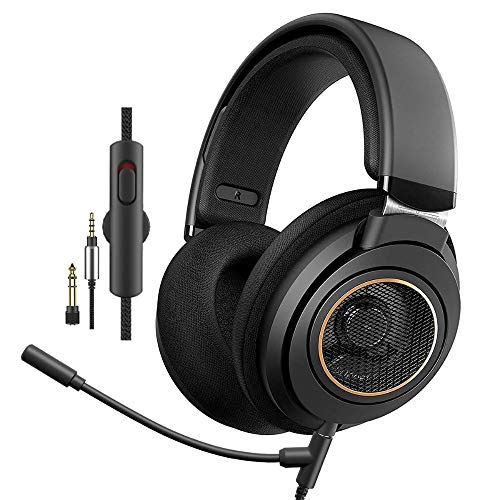
- ✓ Open, airy soundstage
- ✓ Detachable mic versatility
- ✓ Comfortable long sessions
- ✕ Not ideal for isolation
- ✕ Build not rugged travel-ready
| Driver Size | 50 mm |
| Frequency Response | 6 Hz – 35 kHz |
| Open-Back Design | Yes, open-back driver configuration |
| Detachable Microphone | Boom mic detachable for headset/recording use |
| Cable Length (headset with mic) | Approximately 5 feet |
| Cable Length (headphone-only) | Approximately 9.8 feet |
You know that moment when you swap in a mic and suddenly the music you’re tracking feels alive, not buried under the headphones? I had something similar happen with these PHILIPS Open Back Studio Headphones.
I pulled them on and the first thing that surprised me was how airy the soundstage feels right out of the box. The open-back design isn’t just hype here; it genuinely prevents that closed-in muffled vibe you get with most headsets.
The 50mm drivers push clean detail across the spectrum, and you can hear every stroke of your sampler and every nuance in a vocal take. Detach the mic and they’re just solid studio cans, but snap the boom back on and you’ve got a comfortable, surprisingly sturdy headset for calls, livestreams, or late-night edits.
The mic itself picks up voice cleanly without needing a streaming-grade windscreen, which is a nice bonus for home studio sessions.
I appreciated the fit as I moved around the room while monitoring a mix. The headband adjusts with numbered sizes, so you don’t have to guess where to set it every time.
The cushions are soft but sturdy, keeping your ears comfortable after long sessions. Cables are long enough to roam—nearly five feet with the mic, and close to ten feet total when you’re using the full setup.
It’s easy to plug into most gear, and the included adapters make it painless to connect to both mixers and consumer gear.
In practice, these feel like a reliable workhorse for recording music at home. They translate the room into your tracks without fighting you, and the detachable mic adds versatility for dialogue, voiceover, or quick takes between instrument days.
If you’re pairing them with a moderate budget, you’ll find the balance of comfort, clarity, and openness surprisingly persuasive.
What Key Features Make Headsets Ideal for Recording Music?
The best headsets for recording music are characterized by several key features that enhance sound quality and user experience.
- Sound Quality: High-fidelity audio reproduction is essential for accurately capturing music. Headsets designed for recording typically feature a flat frequency response, ensuring that all sound frequencies are reproduced evenly without coloration.
- Noise Isolation: Effective noise isolation helps musicians focus on their performance by minimizing external sounds. This feature is often achieved through closed-back designs or specialized padding that seals against the ears, preventing sound leakage and distractions.
- Comfort and Fit: Prolonged recording sessions require headsets that are comfortable to wear for extended periods. Look for models with adjustable headbands and soft ear cushions that provide a snug fit without causing discomfort.
- Durability: Recording environments can be demanding, so durability is a crucial factor. Headsets made with high-quality materials and reinforced cables are less likely to break or wear out quickly, making them ideal for regular use in studio settings.
- Microphone Quality: If the headset includes a built-in microphone, its quality is vital for capturing vocals or instruments clearly. Look for headsets that offer noise-canceling microphones to reduce background noise and enhance clarity during recording.
- Compatibility: Ensuring compatibility with various devices is important for versatility. The best headsets for recording music typically come with multiple connection options, such as USB, 3.5mm jacks, or wireless capabilities, allowing them to work seamlessly with computers, mixers, and other audio equipment.
What Types of Headsets are Most Suitable for Music Recording?
The best headset for recording music can vary based on specific needs, but the most suitable types are:
- Closed-back Headphones: These headphones are designed to minimize sound leakage and provide excellent isolation from external noise.
- Open-back Headphones: While they allow some sound to escape, open-back headphones offer a more natural soundstage, which can be beneficial for mixing and critical listening.
- Studio Monitors: Though technically not headsets, studio monitors are essential for accurate sound reproduction and often used alongside headphones in a recording setup.
- Wireless Headphones: These offer the convenience of mobility during recording, but it’s crucial to choose models with low latency to avoid delays in sound transmission.
- In-ear Monitors (IEMs): These are compact and provide excellent noise isolation, making them suitable for musicians who need to hear their mix clearly while performing.
Closed-back Headphones: Closed-back headphones are ideal for recording environments as they prevent sound from leaking out and disturbing the recording process. They also block external noise, allowing the user to focus on the audio without distractions, which is crucial when capturing vocals or instruments in a studio setting.
Open-back Headphones: Open-back headphones are designed to provide a more airy and open sound, which is great for mixing and mastering music. They allow air and sound to pass through the ear cups, creating a more natural listening experience, but they are not suitable for recording due to sound leakage.
Studio Monitors: Studio monitors are critical for anyone serious about music production. These speakers are designed to provide an accurate representation of sound, which helps in making informed mixing decisions, and they are often used in conjunction with headphones to ensure the best sound quality.
Wireless Headphones: Wireless headphones offer the flexibility to move freely during recording sessions, which can enhance performance. However, it’s essential to choose a model that features low latency to prevent any delay that could disrupt the recording process.
In-ear Monitors (IEMs): IEMs are a popular choice for live performances and studio work, providing a snug fit that isolates external noise. They deliver clear sound and can be easily customized with different ear tips for comfort, making them an excellent option for musicians seeking to hear their mix without interference from outside noise.
How Do Closed-Back Headsets Enhance Recording Experiences?
Closed-back headsets enhance recording experiences through several key features:
- Isolation: Closed-back headsets provide superior sound isolation, preventing external noise from interfering with recordings. This ensures that the artist or engineer can focus on the sound being captured without distractions from the environment.
- Sound Quality: These headsets typically deliver a more accurate sound representation, allowing for better monitoring of recordings. This precision helps in making critical mixing and production decisions, ensuring the final product sounds polished and professional.
- Reduced Sound Leakage: The design of closed-back headsets minimizes sound leakage, which is crucial during recording sessions. This prevents the playback audio from bleeding into the microphone, maintaining the integrity of the recording.
- Comfort: Many closed-back headsets are designed for prolonged use, offering comfortable padding and ergonomic designs. This comfort allows musicians and producers to wear them for extended periods without fatigue, leading to more productive recording sessions.
- Durability: Closed-back headsets are often built to withstand the rigors of studio use, making them a reliable choice for recording environments. Their robust construction can endure frequent handling and transportation, ensuring longevity in professional settings.
What Are the Advantages of Open-Back Headsets for Musicians?
The advantages of open-back headsets for musicians include improved sound quality, comfort, and a more natural listening experience.
- Natural Soundstage: Open-back headsets allow sound to travel freely in and out, creating a more open and natural soundstage. This design mimics how we hear music in a live setting, making it easier for musicians to gauge their performance in relation to other instruments.
- Reduced Ear Fatigue: The breathable design of open-back headsets helps to reduce ear fatigue during long recording sessions. Unlike closed-back models, which can create a pressure build-up, open-back headsets provide a more relaxed listening experience, allowing musicians to focus for extended periods without discomfort.
- Enhanced Spatial Awareness: Musicians using open-back headsets can better perceive the spatial elements of their recordings. This is particularly beneficial for tasks like mixing and mastering, as it allows for more accurate placement of sound sources in the stereo field.
- Less Isolation: While this might seem like a disadvantage, the reduced isolation can be beneficial in collaborative environments. Musicians can hear ambient sounds and communicate more easily with others in the room, fostering better teamwork during recording sessions.
- Better Bass Response: Many open-back headsets are designed with larger drivers, which can contribute to a more natural bass response. This quality is essential for musicians who need to hear the low-end frequencies clearly while recording or mixing their music.
How Important is Sound Quality When Choosing a Recording Headset?
Sound quality is a crucial factor when selecting a recording headset, especially for music production.
- Frequency Response: A headset with a wide frequency response captures a broader range of sound, making it essential for accurately reproducing music. Ideally, a frequency range from 20 Hz to 20 kHz is desired, as it encompasses the full spectrum of audible sound, allowing producers to hear low bass notes and high treble clearly.
- Sound Isolation: Good sound isolation is vital for recording environments, as it minimizes outside noise interference. This feature ensures that the musician can focus on their performance and the producer can monitor the recording without distractions, leading to cleaner audio tracks.
- Driver Size and Type: The size and type of drivers in a headset impact the clarity and richness of sound reproduction. Larger drivers generally provide better bass response and a fuller sound, while high-quality dynamic or planar magnetic drivers can deliver more accurate sound, making them preferable for recording tasks.
- Comfort and Fit: Since recording sessions can last for hours, a comfortable fit is essential for maintaining focus and performance. Over-ear designs with cushioned ear pads can help reduce fatigue and allow for longer sessions without discomfort, which is important for achieving the best sound quality.
- Durability: A robust headset will withstand the rigors of frequent use in various recording environments. Headsets made with high-quality materials are less likely to break or wear out quickly, ensuring that musicians can rely on their gear during critical recording sessions.
- Connectivity Options: Flexibility in connectivity, whether through wired or wireless options, can enhance usability. Wired connections typically provide better sound quality and reliability, while wireless options offer greater freedom of movement, making it easier for artists to perform during recordings.
What Role Does Comfort Play in Extended Music Recording Sessions?
Comfort is a crucial factor for headphones used in extended music recording sessions. Long hours of wearing uncomfortable headsets can lead to fatigue and distraction, ultimately affecting the quality of the recording.
Key aspects of comfort in headsets include:
-
Padding and Material: Adequate padding on the ear cups and headband contributes significantly to comfort, especially during long sessions. Look for materials that offer breathability to reduce heat buildup.
-
Weight: Lightweight headsets can alleviate pressure on the head and neck, making it easier to wear them for extended periods without discomfort.
-
Fit and Adjustability: A customizable fit allows for a snug yet comfortable experience. Adjustable headbands help achieve the right balance, preventing the headset from slipping or applying too much pressure.
-
Design: Over-ear designs often provide better comfort compared to on-ear types because they distribute weight across the entire ear area, reducing localized pressure.
Investing in a comfortable headset not only enhances the recording experience but also enables better focus and creativity during the session. Proper comfort leads to fewer distractions, allowing for greater productivity and a more enjoyable workflow in the studio.
What Are the Top Recommended Brands for Recording Headsets?
The top recommended brands for recording headsets include:
- Audio-Technica: Known for their high-quality audio products, Audio-Technica offers headsets that provide excellent sound clarity and comfort, making them ideal for long recording sessions. Their models often feature a closed-back design, which helps in isolating sound and reducing external noise interference, crucial for precise audio recording.
- Sony: Sony’s recording headsets are well-regarded for their durability and superior sound quality. Many models incorporate advanced noise-canceling technology, allowing users to focus on their music without distractions from the surrounding environment, which is particularly beneficial in studio settings.
- Beyerdynamic: Beyerdynamic is celebrated for their professional-grade headphones that deliver outstanding audio fidelity. Their headsets are designed for studio use, offering a comfortable fit and a wide frequency range, which ensures accurate monitoring of recordings and mixes.
- Sennheiser: Renowned for their audio engineering, Sennheiser headsets provide excellent sound reproduction and comfort. They feature robust construction and often incorporate innovative technologies, such as wireless connectivity and high-quality drivers, which enhance the recording experience.
- AKG: AKG headsets are favored by many audio professionals for their rich, balanced sound and exceptional detail. Their headphones are often lightweight and ergonomically designed, making them suitable for extended use during recording sessions.
- Shure: Shure is a well-respected name in the audio industry, particularly for their microphones and headphones. Their recording headsets are known for their reliability and clarity, often featuring detachable cables and customizable options that cater to various recording needs.
What Budget Should You Allocate for a Quality Music Recording Headset?
When considering the budget for a quality music recording headset, various factors come into play to ensure you get the best value and performance for your needs.
- Entry-Level ($50 – $100): Suitable for beginners and casual users, these headsets typically offer decent sound quality and comfort but may lack advanced features.
- Mid-Range ($100 – $300): These headsets provide improved sound fidelity, better build quality, and additional features like noise isolation, making them ideal for home studios.
- Professional ($300 and up): Designed for serious musicians and sound engineers, these headsets deliver exceptional audio clarity, are built to withstand long sessions, and often include high-end materials and advanced technologies.
Entry-level headsets are perfect for those just starting out in music recording or for casual listening. They usually come with basic features and can handle simple recording tasks, making them a great introduction without a significant financial commitment.
Mid-range headsets strike a balance between cost and performance, catering to semi-professional users who need reliable sound quality for more serious projects. They often feature better comfort, longer durability, and enhancements such as closed-back designs that provide effective noise isolation, which is beneficial in studio environments.
Professional headsets are an investment for those who are deeply involved in the music industry or who require the highest audio fidelity for critical listening and recording. These headsets are engineered to deliver pristine sound across all frequencies and often come with replaceable parts, ensuring longevity and reliability during extensive recording sessions.
Related Post: