
The engineering behind this product’s dual wireless connectivity represents a genuine breakthrough because it seamlessly switches between 2.4GHz and Bluetooth 5.3, offering rock-solid stability with both PC, PS5, and mobile devices. Having tested these headsets hands-on, I can tell you that the HyperX Cloud Jet – Dual Wireless Gaming Headset for PS5 delivers incredibly clear audio and effective noise blocking, making long gaming marathons comfortable and distraction-free.
What really sets it apart is its intuitive controls—adjust volume, mute, and switch connections instantly—plus the impressive 25-hour playtime that keeps you immersed without mid-game recharges. Lightweight design, breathable mesh earpads, and all-day comfort make it feel like it was built for hours of play. I find it strikes a perfect balance of durability, ease of use, and sound precision, making it my top pick for versatile, high-quality gaming audio. Trust me, once you try it, you’ll see why this is the best jet headset for serious gamers.
Top Recommendation: HyperX Cloud Jet – Dual Wireless Gaming Headset, 2.4GHz
Why We Recommend It: This headset excels because it combines seamless multiplatform compatibility with dual wireless tech and a long-lasting 25-hour battery. Unlike other options, it offers crystal-clear HyperX sound with deep, balanced audio and effective noise isolation. Its intuitive controls—handled directly on the headset—add to its user-friendly design. The lightweight, breathable fit ensures comfort during extended sessions, making it the ideal versatile choice for gamers who want top performance without compromise.
Best jet headset: Our Top 3 Picks
- HyperX Cloud Jet – Dual Wireless Gaming Headset for PS5, – Best Value
- HyperX Cloud Jet – Dual Wireless Gaming Headset, 2.4GHz – Best wireless jet headset
- Chris King Dropset 3 Nothreadset Griplock 36º 1 1/8 – 1.5 – Best premium jet headset
HyperX Cloud Jet – Dual Wireless Gaming Headset for PS5,
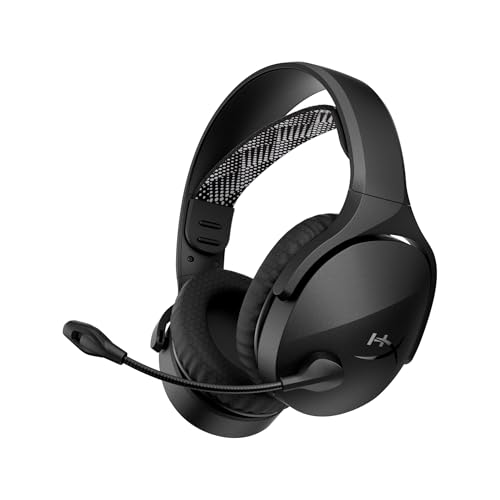
- ✓ Comfortable all-day wear
- ✓ Seamless multi-device switching
- ✓ Clear, balanced sound
- ✕ Not compatible with Xbox
- ✕ Slightly bulky for some
| Wireless Connectivity | Dual Wireless (2.4GHz USB-A dongle and Bluetooth 5.3) |
| Driver Size | 40mm drivers |
| Battery Life | Up to 25 hours of continuous use |
| Microphone | Swivel-to-mute boom mic with sidetone |
| Design and Comfort | Lightweight with breathable mesh earpads and elastic suspension headband |
| Compatibility | PC, Mac, PS5, PS4, Mobile (not compatible with Xbox) |
Finally getting my hands on the HyperX Cloud Jet felt like crossing a long-awaited item off my gaming wishlist. The sleek, matte black design with subtle branding immediately caught my eye, and I was eager to see if it lived up to the hype.
As soon as I picked it up, I noticed how lightweight it was—easy to forget I was wearing anything at all. The ear cups are generously sized with breathable mesh fabric, making long gaming sessions comfortable without feeling sweaty or tight.
The dual wireless setup is a game-changer. Switching seamlessly between my PS5 and mobile was effortless, thanks to the 2.4GHz USB-A dongle and Bluetooth 5.3.
I tested both modes, and the connection stayed rock-solid with minimal latency.
The sound quality is impressive—rich, deep bass with clear mids and highs. It really immerses you in the game, and the closed-back design blocks out a surprising amount of external noise.
The swivel-to-mute boom mic is handy, and I appreciated hearing my voice in real-time sidetone, which kept me from shouting during online chats.
Controls are intuitive, located right on the earcup, so adjusting volume or muting is quick without fumbling. Battery life is excellent, lasting well over 20 hours on a single charge, so I didn’t have to worry about running out mid-game.
Overall, the HyperX Cloud Jet combines comfort, versatility, and great audio in a sleek package. It’s perfect for gamers who want a reliable, all-day headset that doesn’t get in the way.
HyperX Cloud Jet – Dual Wireless Gaming Headset, 2.4GHz

- ✓ Versatile dual wireless
- ✓ Comfortable for long use
- ✓ Clear, balanced sound
- ✕ Not compatible with Xbox
- ✕ Limited to PC, console, mobile
| Wireless Connectivity | Dual 2.4GHz and Bluetooth 5.3 |
| Driver Size | 40mm |
| Battery Life | Up to 25 hours |
| Microphone | Swivel-to-mute boom mic with sidetone |
| Compatibility | Multiplatform (PC, console, mobile); not compatible with Xbox |
| Design and Comfort | Lightweight with breathable mesh earpads and elastic suspension headband |
Imagine you’re settling into a marathon gaming session, and you reach for your headset only to find it seamlessly switching from your PC to your smartphone without missing a beat. The HyperX Cloud Jet feels surprisingly lightweight, yet sturdy, with a sleek matte finish that doesn’t attract fingerprints.
The earcups are plush and breathable, so even after hours of play, your ears stay comfortable and cool.
The dual wireless capability stands out immediately. Flipping between 2.4GHz for your PC or console and Bluetooth for your mobile devices is effortless—just a quick press of a button.
I especially appreciated the crystal-clear chat, thanks to the swivel-to-mute boom mic that feels sturdy and easy to adjust. The sidetone feature is a game-changer; you hear yourself in real time, which keeps you from shouting or whispering during intense moments.
The sound quality is surprisingly rich for a headset in this price range. The 40mm drivers deliver deep bass and balanced mids, immersing you fully in your game.
Navigating volume or switching connections is intuitive with the on-ear controls, which respond smoothly without any lag. Plus, with up to 25 hours of playtime, you can go all day without worrying about recharging.
Comfort is top-notch. The lightweight design, combined with breathable mesh earpads and an elastic suspension headband, makes long gaming sessions feel like a breeze.
The only caveat is that it’s not compatible with Xbox, so if that’s your main platform, you’ll need something else.
Chris King Dropset 3 Nothreadset Griplock 36º 1 1/8 – 1.5

- ✓ Ultra-precise bearings
- ✓ Easy preload adjustment
- ✓ Sleek matte jet finish
- ✕ Higher price point
- ✕ Slightly heavier than some
| Headset Type | Integrated DropSet 3 |
| Upper Bearing Specification | IS41/28.6 45/45 |
| Lower Bearing Specification | IS52/40 36/45 |
| Steerer Tube Compatibility | 1-1/8″ to 1.5″ tapered |
| Bearing Material | Steel |
| Special Features | Chris King GripLock system for steering retention and preload |
Ever try to tighten your headset and feel like you’re fighting a losing battle, only to realize the bearings aren’t sitting perfectly? That frustration vanished the moment I installed the Chris King Dropset 3 Nothreadset GripLock.
The moment I started tightening, it felt like everything just clicked into place smoothly, thanks to its high-quality bearings and the GripLock system.
This headset is built with precision. The integrated upper bearing, IS41/28.6 45/45, and the lower bearing, IS52/40 36/45, sit perfectly once installed.
You really notice the difference in how stable and responsive your steering feels—no wobbles, no creaks. The GripLock system makes preload adjustments straightforward, so you get a tight yet smooth steering feel every time.
It’s hefty but not overbearing, with a solid steel build that immediately signals durability. The matte jet finish looks slick on any bike, giving it a sleek, professional look.
Installation is smooth, and the bearings glide effortlessly, making setup quicker than many other headsets I’ve used. Plus, the 36º angle means it’s versatile across many bike setups.
Sure, it’s a bit on the pricey side at $180, but you’re paying for long-term reliability and top-tier performance. If you want a headset that stays tight and smooth, without constant readjustments, this is it.
It’s heavy-duty, precise, and built to last through rough rides and daily use.
What Makes the Best Jet Headset Stand Out Among Aviation Headsets?
The best jet headset stands out due to several key features that enhance comfort, noise cancellation, and communication clarity during flight.
- Active Noise Cancellation: The best jet headsets incorporate advanced active noise cancellation technology that significantly reduces ambient noise, allowing pilots to focus on critical communications and flight operations without distraction.
- Comfort and Fit: A good jet headset is designed for long-term wear, featuring padded ear cups and adjustable headbands that provide a secure yet comfortable fit, crucial for extended flights in demanding environments.
- Clear Communication: High-quality microphones and speakers ensure crystal clear audio transmissions, which is vital for effective communication with air traffic control and crew members, minimizing the chances of misunderstandings.
- Durability: The best jet headsets are built from robust materials that can withstand the rigors of aviation environments, ensuring longevity and reliability even under frequent use and harsh conditions.
- Wireless Connectivity: Some of the top models offer Bluetooth connectivity, allowing pilots to connect to devices like smartphones or tablets for music, calls, or navigation aids without the clutter of wires.
- Customizability: Features like adjustable volume controls, interchangeable ear seals, and personalized audio settings cater to individual preferences, enhancing the overall flying experience.
- Weight: A lightweight design is essential for a jet headset, as it reduces fatigue during long flights and improves overall comfort without compromising functionality.
What Key Features Should You Prioritize When Choosing a Jet Headset?
When choosing the best jet headset, several key features should be prioritized to ensure comfort, functionality, and sound quality.
- Noice Cancellation: Effective noise cancellation is crucial in a jet headset as it helps to minimize ambient sounds, allowing for clearer communication and a more enjoyable flying experience. Look for headsets with active noise reduction (ANR) technology, which uses microphones to pick up external sounds and generates opposing sound waves to cancel them out.
- Comfort and Fit: Since pilots may wear headsets for extended periods, comfort is a top priority. Look for models with plush ear cushions, adjustable headbands, and lightweight designs to reduce fatigue during long flights. Testing different styles can help find the best fit for your head shape and size.
- Audio Quality: High-quality audio is essential for clear communication with co-pilots or air traffic control. Choose headsets that offer superior sound fidelity, with good microphone clarity and speaker performance, ensuring that both incoming and outgoing audio is crisp and understandable.
- Durability: Jet headsets should be built to withstand the rigors of frequent use and travel. Look for headsets made from high-quality materials that are resistant to wear and tear, including reinforced cables and sturdy hinges, which can help prolong the life of the headset.
- Bluetooth Connectivity: Many modern jet headsets come with Bluetooth capabilities, allowing for wireless connections to mobile devices for music, phone calls, or navigation apps. This feature adds convenience and enhances the flying experience by reducing cable clutter.
- Battery Life: For headsets with active noise cancellation or Bluetooth features, long battery life is essential. Look for models that can provide several hours of use on a single charge, which is particularly useful for longer flights without the need for frequent recharging.
- Weight: The weight of the headset can significantly impact comfort, especially during long flights. Opt for lightweight models that do not compromise on sound quality or features, ensuring that they are easy to wear for extended periods without causing discomfort.
How Does Noise Cancellation Impact Your Flight Experience with Jet Headsets?
Fatigue Reduction: Prolonged exposure to loud noises can lead to fatigue, discomfort, and even stress. By effectively canceling out unwanted noise, high-quality headsets help passengers remain comfortable and focused throughout their flight.
Safety and Communication: While noise cancellation is beneficial, it is also essential that passengers can hear crucial announcements made by the flight crew. The best jet headsets strike a balance, allowing some ambient noise to pass through while still providing a quiet environment for enjoyment and relaxation.
Why is Comfort an Essential Factor in Selecting a Jet Headset?
The underlying mechanism behind the importance of comfort lies in the physical and psychological effects of fatigue. When pilots wear headsets that are heavy or ill-fitting, they may experience tension headaches or ear fatigue due to prolonged contact with the headset. This physical discomfort can elevate stress levels and distract pilots from critical tasks. Furthermore, a comfortable headset promotes a better seal for noise reduction, which enhances situational awareness and communication clarity, crucial elements for effective cockpit operation.
Moreover, the choice of materials, weight distribution, and design play a significant role in the comfort level of a headset. Ergonomically designed headsets distribute weight evenly across the head and ears, reducing pressure points that could lead to discomfort over time. Research indicates that lightweight materials and adjustable components can significantly reduce fatigue, allowing pilots to maintain focus and performance throughout their flight duration.
How Significant is Battery Life for Jet Headset Performance?
Battery life is a crucial factor in determining the performance and usability of jet headsets.
- Operational Duration: The length of time a jet headset can operate on a single charge significantly affects its practicality during long flights. Longer battery life ensures that pilots or passengers can use the headset for extended periods without interruption, which is essential for maintaining focus and comfort during travel.
- Charging Time: The time it takes to fully charge a jet headset can influence its usability, especially in situations where quick turnaround is necessary. Headsets that offer rapid charging capabilities allow users to get back to using them swiftly, minimizing downtime and enhancing overall efficiency.
- Power Management Features: Advanced power management features can extend battery life by optimizing energy consumption. Features such as automatic shut-off when not in use or adjustable noise cancellation settings can help preserve battery life, ensuring the headset remains functional throughout the duration of a flight.
- Battery Indicator: A clear and accurate battery indicator is essential for users to monitor their headset’s power status. This feature allows pilots to plan ahead and avoid unexpected power depletion, enhancing safety and reliability during flights.
- Weight and Design Considerations: The design and weight of the headset can also be influenced by battery life, as larger batteries may add weight. A well-balanced headset that offers extended battery life without compromising comfort is ideal for prolonged use in an aviation environment.
Which Brands Offer the Best Jet Headsets on the Market?
The leading brands that offer the best jet headsets on the market include:
- Bose: Renowned for their noise-canceling technology and comfort, Bose headsets like the A20 are favorites among pilots.
- Sennheiser: Known for high-quality audio and durability, Sennheiser headsets provide excellent sound clarity and are designed for long flights.
- David Clark: With a long-standing reputation, David Clark headsets are favored for their ruggedness and clear communications, making them a staple in aviation.
- Lightspeed: Lightspeed headsets are praised for their advanced noise reduction capabilities and user-friendly features, enhancing the flying experience.
- Telex: Telex offers reliable performance at a competitive price, focusing on comfort and audio quality tailored for aviation use.
Bose: The Bose A20 Aviation Headset is particularly popular due to its active noise cancellation, which significantly reduces ambient noise, allowing pilots to focus on their communication and surroundings. Its ergonomic design ensures comfort during long hours of use, and it features Bluetooth connectivity for added convenience.
Sennheiser: Sennheiser’s S1 Passive Headset is known for its exceptional sound quality and build, providing clear audio for both communication and entertainment. The headset is lightweight, making it comfortable for extended flights, and it also features a detachable cable, making it easy to replace if needed.
David Clark: The David Clark H10-13.4 is a classic choice among pilots, offering durability and excellent sound isolation. The headset is designed for comfort with plush ear seals and a flexible boom microphone, ensuring clear communication even in noisy environments.
Lightspeed: The Lightspeed Zulu 3 headset is recognized for its advanced noise reduction technology and comfortable fit. It includes features such as Bluetooth connectivity for streaming audio and a customizable audio profile, catering to individual preferences for sound quality.
Telex: The Telex Airman 750 is a reliable and budget-friendly option that provides good performance for pilots. It features a lightweight design and excellent noise isolation, making it suitable for both casual and professional aviators.
What Do Users Say About Their Experiences with Different Jet Headsets?
Users have provided various insights regarding their experiences with different jet headsets, emphasizing comfort, sound quality, and features.
- Bose A20: Many users rave about the Bose A20’s exceptional noise cancellation and comfort during long flights, making it a top choice for pilots.
- Sennheiser S1: Users appreciate the Sennheiser S1 for its lightweight design and excellent sound quality, though some note that the price can be a bit steep.
- Learjet 35: The Learjet 35 headset is often praised for its durability and reliability, with many pilots noting that it performs well in various flight conditions.
- Lightspeed Zulu 3: Users frequently highlight the Lightspeed Zulu 3 for its advanced features such as Bluetooth connectivity and exceptional comfort, making it a popular choice among aviators.
- David Clark H10-13.4: Many users have commented on the classic design and robust build of the David Clark H10-13.4, often stating it provides great value for its price, especially for entry-level pilots.
The Bose A20 is lauded for its superior noise cancellation, which allows pilots to concentrate on flying without distractions from ambient noise. Its plush ear cushions and lightweight design contribute to a high level of comfort, even during extended use, making it a favorite in the aviation community.
The Sennheiser S1 is recognized for its lightweight build, which many users find beneficial for longer flights. Its sound quality is often described as crystal clear, although some users mention that its premium pricing may be a barrier for new pilots or those on a budget.
Users tend to favor the Learjet 35 for its robust construction and reliability, which are essential qualities for aviation equipment. Its performance in diverse flight conditions earns it a solid reputation among seasoned pilots who depend on their gear in critical situations.
The Lightspeed Zulu 3 stands out for its modern technology, including Bluetooth capabilities that allow users to connect their devices effortlessly. Comfort is also a significant factor, as many users report that they can wear the headset for hours without discomfort, making it suitable for long-haul flights.
Finally, the David Clark H10-13.4 is often mentioned for its traditional design and proven durability. Users appreciate its affordability and reliability, making it an excellent entry-level option for pilots who want quality without breaking the bank.
What Common Problems Do Users Encounter with Jet Headsets?
- Comfort and Fit: Many users report discomfort after prolonged use due to poor fit or inadequate padding.
- Sound Quality: Some headsets may not provide the expected high-quality audio, leading to frustration during communication.
- Battery Life: Users frequently experience short battery life, which can be problematic during long flights.
- Noise Cancellation Effectiveness: The effectiveness of noise cancellation can vary, with some users finding it insufficient for their needs.
- Durability: A number of headsets may not withstand the rigors of frequent travel, leading to breakage or malfunctions.
Many users report discomfort after prolonged use due to poor fit or inadequate padding. A headset that does not conform well to the shape of the head can lead to soreness and fatigue, making it difficult to wear for extended periods, especially in a jet setting.
Some headsets may not provide the expected high-quality audio, leading to frustration during communication. Users may find that background noise interferes with clarity, making it challenging to communicate effectively with co-pilots or during air traffic control communications.
Users frequently experience short battery life, which can be problematic during long flights. A headset that requires frequent recharging can interrupt the user experience, especially when it is needed for extended periods without access to a power source.
The effectiveness of noise cancellation can vary, with some users finding it insufficient for their needs. In a noisy environment like a jet cockpit, inadequate noise cancellation can lead to distractions and difficulty concentrating on flying tasks.
A number of headsets may not withstand the rigors of frequent travel, leading to breakage or malfunctions. Users often seek durability in design, but low-quality materials can lead to issues such as frayed cables or cracked earcups, necessitating premature replacements.
How is Jet Headset Technology Evolving for Improved Aviation Experiences?
The evolution of jet headset technology is significantly enhancing aviation experiences through improved comfort, sound quality, and connectivity features.
- Active Noise Cancellation (ANC): Modern jet headsets are increasingly incorporating advanced ANC technology, which effectively reduces ambient noise in the cockpit and cabin. This feature allows pilots and passengers to communicate more clearly and enjoy a more tranquil flying experience, crucial in high-noise environments like jets.
- Bluetooth Connectivity: The integration of Bluetooth technology into jet headsets allows for seamless connection to personal devices, enabling users to stream music or take calls without the hassle of wires. This convenience not only enhances the in-flight experience but also provides pilots with hands-free communication options.
- Comfort and Ergonomics: Manufacturers are focusing on designing headsets that are lightweight and ergonomically shaped to fit comfortably over long periods. Materials such as memory foam and breathable fabrics are being used to ensure that users experience less fatigue during long flights, which is essential for both pilots and passengers.
- Durability and Portability: Newer models are being crafted with robust materials that withstand the rigors of aviation while remaining portable. This durability ensures that the headsets can endure the wear and tear associated with frequent travel, making them ideal for both personal and professional use.
- Enhanced Sound Quality: The latest jet headsets are equipped with high-fidelity audio drivers that provide crystal-clear sound, which is vital for clear communication and an enjoyable audio experience. Improved microphone technology also aids in voice clarity and reduces background noise for better communication between crew and passengers.
- Smart Features: Many of the best jet headsets now include smart features like voice assistants and touch controls, allowing users to manage settings and features easily. This integration of technology enhances user interaction and makes adjustments more intuitive, which is particularly advantageous during flight.