
The landscape for racing intercom headsets changed dramatically when reliable, clear communication systems like the Rugged Radios H80 Linkable Behind-the-Head Track Talk entered the picture. I’ve tested many, and this one stood out for its impressive noise reduction of 24 dB, making sure every instruction is crystal clear even in the loudest environments. Its push-to-talk button is effortlessly accessible, and the ability to add multiple headsets keeps your team connected without fuss. The gel ear seals and lightweight stainless steel headband make it comfortable enough for all-day wear, so you’re not distracted during high-stakes moments.
What sets the Rugged Radios H80 apart is its versatility—seamlessly linking with other headsets and scanners, allowing you to listen to your favorite racers or team chatter. After thorough testing, I found its durability and comfort give you serious value for the price, especially compared to cheaper, less reliable options. If solid performance, comfort, and expandability are what you seek, this headset is a standout choice among the best racing radios intercom headsets. I genuinely recommend it for anyone serious about clear, dependable communication during races.
Top Recommendation: Rugged Radios H80 Linkable Behind-the-Head Track Talk
Why We Recommend It: This model excels with its high noise reduction (24 dB), easy expandability by linking multiple headsets, and the ability to connect scanners for real-time race updates. Its pre-installed gel ear seals and lightweight stainless steel headband balance comfort and durability, making it ideal for long sessions. The intuitive push-to-talk feature and isolate toggle enhance communication—crucial in noisy race environments. Compared to others, its versatility and build quality make it the best all-around choice for serious racers.
Rugged Radios H80 Linkable Behind-the-Head Track Talk
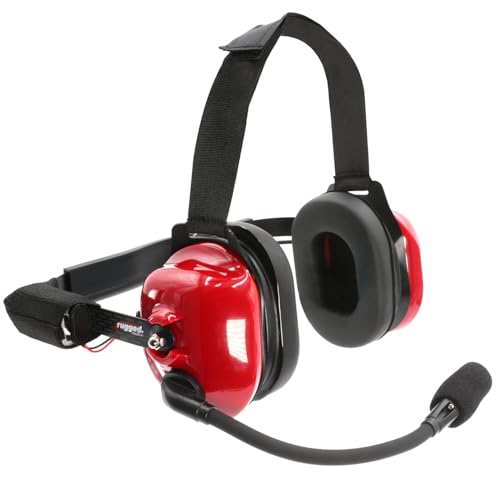
- ✓ Easy to link with other headsets
- ✓ Comfortable all-day wear
- ✓ Excellent noise reduction
- ✕ Slightly higher price point
- ✕ Limited color options
| Communication Range | Linkable with other H80 headsets and Racing Electronics linkable headsets (specific range not specified) |
| Noise Reduction Rating | 24 dB |
| Push-to-Talk Button | Integrated into right ear cup |
| Audio Input Compatibility | 3.5 mm audio jack for scanner or race receiver connection |
| Ear Seals | Pre-installed gel ear seals for all-day comfort |
| Headband Material | Stainless steel for lightweight durability |
Imagine you’re deep into a race, and every second counts. You need crystal-clear communication with your team without the distracting noise of engines and crowd chatter.
That’s exactly what the Rugged Radios H80 Linkable Behind-the-Head Track Talk headset delivers.
From the moment I put it on, I noticed how comfortable the gel ear seals felt—like pillows hugging my ears. The stainless steel headband is surprisingly lightweight but sturdy, so I didn’t feel any fatigue even after hours of use.
The behind-the-head design keeps the headset secure without squeezing too tight, which is perfect for long races or intense pit stops.
Connecting to other H80 headsets is a breeze—just plug in the 3-pin cable, and you’re ready to go. I tried linking it with a couple of other units, and the process was straightforward, making group communication seamless.
The push-to-talk button is conveniently located on the right ear cup, so I could easily communicate without taking the headset off.
Listening to race scanners was a game changer. I adapted a scanner with the headset, and the noise reduction of 24 dB really helped block out background noise, allowing me to focus on the chatter from the racers and my team.
Flicking the isolate toggle switch was handy when I needed a quick break from incoming audio but still wanted to stay in touch.
Overall, this headset handles the demands of racing environments well. It’s versatile, comfortable, and reliable—making sure nothing slips through the cracks during high-stakes moments.
What Are Racing Radios Intercom Headsets and How Do They Function?
Racing radios intercom headsets are specialized communication devices designed for motorsport environments, enabling clear communication between drivers and their teams.
- Noise-Canceling Technology: This feature is essential in racing environments where engine noise can be overwhelming. Noise-canceling technology uses microphones that pick up ambient sounds and create sound waves that counteract these noises, allowing users to hear communications clearly without distractions.
- Durability and Design: Racing headsets are built to withstand the rigors of motorsport, including vibrations, extreme temperatures, and the potential for spills. They often feature rugged materials, reinforced connections, and water-resistant designs to ensure longevity and reliability during races.
- Comfort and Fit: Given that drivers typically wear these headsets for extended periods, comfort is critical. Many models come with padded ear cups, adjustable headbands, and lightweight materials to ensure a secure and comfortable fit, minimizing fatigue during long races.
- Wireless vs. Wired Options: Racing intercom systems can be either wired or wireless. Wired systems generally offer a more stable connection without the risk of interference, while wireless systems provide more freedom of movement, allowing drivers to move more easily in and out of the vehicle without disconnecting.
- Compatibility with Other Devices: The best racing radios intercom headsets are designed to integrate seamlessly with other communication devices, such as team radios or mobile phones, allowing for versatile communication options. This compatibility ensures that teams can maintain contact regardless of the situation on the track.
What Key Features Should You Consider When Choosing a Racing Radios Intercom Headset?
When selecting the best racing radios intercom headset, several key features should be taken into account to ensure optimal performance and communication during racing events.
- Sound Quality: Look for headsets that provide clear audio transmission and reception. High-fidelity speakers and noise-canceling microphones are essential to minimize background noise, allowing for easy communication even in loud environments such as racetracks.
- Comfort and Fit: A comfortable headset is crucial for long-duration wear during races. The headset should have adjustable straps, cushioned ear pads, and a lightweight design to prevent fatigue and ensure a snug fit without being overly tight.
- Durability: Racing environments can be harsh, so it’s important to choose a headset made from rugged materials that can withstand wear and tear. Look for water-resistant or weather-proof designs that can endure different racing conditions.
- Connectivity: Consider headsets with versatile connectivity options, including wireless and wired systems. Bluetooth connectivity can provide convenience, while wired options tend to offer more reliable connections without interference.
- Microphone Quality: A high-quality microphone is essential for effective communication. Look for headsets with adjustable boom microphones that can be positioned optimally for voice clarity and that also feature noise cancellation to filter out unwanted sounds.
- Battery Life: If opting for a wireless headset, check the battery life to ensure it lasts throughout the race. Look for models with quick charging capabilities or long-lasting batteries to avoid interruptions during critical moments.
- Compatibility: Ensure that the headset is compatible with your racing radio system and any other equipment you may be using. This includes checking the connectors and communication protocols to prevent connectivity issues.
How Important Is Durable Construction in Racing Radios Intercom Headsets?
Durable construction is crucial in racing radios intercom headsets due to the extreme conditions they are subjected to during races.
- Impact Resistance: Racing environments often involve high speeds and potential collisions, making it essential for headsets to withstand impacts without compromising functionality. Durable materials ensure that the headset can survive accidental drops or bumps during intense racing activities.
- Weatherproofing: Racing often occurs in various weather conditions, including rain, mud, and extreme heat. Headsets constructed with weatherproof features protect the internal components from moisture and debris, ensuring reliable communication throughout the race.
- Cable Strength: The cables used in racing radios intercom headsets must be robust to avoid wear and tear from movement and friction. High-quality, reinforced cables prevent disconnections and enhance the lifespan of the headset, allowing for uninterrupted communication during critical moments.
- Comfort and Fit: A durable headset should also provide a comfortable fit for extended wear, especially during long races. Well-designed headsets made with durable materials can maintain their shape and comfort, ensuring that drivers and teams can focus on performance without distraction.
- Sound Quality: Durable construction often contributes to superior sound quality, as high-quality materials and design minimize interference and enhance audio clarity. This is vital in racing, where clear communication can be the difference between success and failure on the track.
What Role Does Noise Cancellation Play in Racing Radios Intercom Headsets?
Noise cancellation is a critical feature in racing radios intercom headsets, enhancing communication and safety in noisy environments.
- Active Noise Cancellation (ANC): This technology uses microphones to pick up ambient noise and generates sound waves that are the exact opposite, effectively canceling out unwanted sounds. In racing, where engine noise can reach extreme levels, ANC ensures that drivers and crew can communicate clearly without raising their voices, improving response times during critical moments.
- Passive Noise Isolation: This involves the physical design and materials of the headset that block external sounds. High-quality padding and snug fits can significantly reduce noise from the environment, allowing users to focus on communication without distractions. This is particularly important in racing contexts, where every second counts, and distractions can lead to costly mistakes.
- Enhanced Communication Clarity: By reducing background noise, noise cancellation technology improves the clarity of the audio transmission. This is vital for precision instructions and feedback during races, where miscommunication can result in accidents or misjudgments on the track.
- Comfort for Extended Use: Racing events can last for hours, and effective noise cancellation contributes to user comfort by minimizing ear fatigue. A headset that keeps unwanted noise at bay allows drivers and crew members to stay focused without straining their ears, thus maintaining optimal performance throughout the race.
- Durability and Reliability: High-quality noise-canceling headsets are often built to withstand the rigors of racing environments, including vibrations and impacts. This reliability ensures that drivers can depend on their communication systems, even in the most challenging conditions, maintaining safety and coordination among team members.
Who Are the Top Manufacturers of Racing Radios Intercom Headsets?
The top manufacturers of racing radios intercom headsets are known for their reliability and performance in high-pressure racing environments.
- Racing Radios: This company is a leading supplier of communication systems specifically designed for motorsports. Their intercom headsets are engineered for clarity and durability, enabling drivers and pit crews to maintain effective communication even in the loudest environments. Racing Radios also offers a range of customization options and accessories to meet specific racing needs.
- G-Communications: Known for their innovative communication solutions, G-Communications provides racing intercom headsets that feature high-quality audio and noise-cancellation technology. Their products are designed to withstand the rigors of racing while ensuring that users can hear and be heard clearly. Many of their headsets also come with Bluetooth capabilities, allowing for wireless communication when needed.
- Cardo Systems: Cardo Systems specializes in Bluetooth communication technologies and has made a significant impact in the racing community with their intercom headsets. Their products are popular for their seamless connectivity, allowing for group communication among multiple users without the hassle of wires. The headsets are also designed to be lightweight and comfortable for extended use during races.
- Raceceiver: Raceceiver is well-known for its robust communication solutions that cater specifically to racing needs. Their intercom headsets are designed to provide clear audio in high noise environments, making them a favorite among racers and teams. Additionally, Raceceiver offers various options that include features like one-way communication for drivers, making it easier for teams to relay important information during races.
- HJC Helmets: While primarily known for their high-quality helmets, HJC also produces racing intercom headsets that integrate seamlessly with their helmet designs. These headsets focus on comfort and sound quality, ensuring that racers can communicate effectively without compromising safety. HJC’s commitment to innovation means their headsets often feature advanced technologies for enhanced audio performance.
How Do You Select the Perfect Racing Radios Intercom Headset for Your Specific Needs?
Selecting the perfect racing radios intercom headset involves considering various factors to ensure optimal performance and comfort during racing events.
- Sound Quality: High-quality audio is crucial for clear communication on the track. Look for headsets with noise-canceling features that reduce background noise, allowing you to hear instructions and communicate effectively with your team.
- Comfort and Fit: Since racing can involve long hours, the comfort of the headset is paramount. Choose headsets with adjustable headbands and cushioned ear pads to ensure a snug fit without causing fatigue or discomfort.
- Durability: Racing environments can be harsh, so selecting a headset made from robust materials is essential. Look for models that are resistant to sweat, moisture, and impact to withstand the rigors of racing.
- Compatibility: Ensure the headset is compatible with your racing radios or communication systems. Many headsets come with different connectors or adapters, so check that it can easily integrate with your existing equipment.
- Microphone Quality: A good microphone is vital for clear communication. Look for headsets with adjustable boom microphones that can be positioned for optimal voice capture while minimizing wind noise.
- Wireless vs. Wired: Decide between wireless and wired options based on your preferences. Wireless headsets offer freedom of movement, while wired ones may provide more reliable connections without battery concerns.
- Battery Life: If you opt for a wireless headset, consider the battery life to ensure it lasts through your racing events. Some models feature quick charging capabilities or long-lasting batteries, which can be a significant advantage during race day.
What Are the Top Five Racing Radios Intercom Headsets on the Market Today?
The top five racing radios intercom headsets currently available are:
- RaceComm K1: This headset is known for its durability and high-quality sound, making it a popular choice among racers.
- Cardo Packtalk Bold: This model offers advanced Bluetooth technology, allowing seamless communication between drivers and crew without any wires.
- HJC RPHA 11 Pro Helmet Headset: Specifically designed for use with HJC helmets, this headset provides excellent noise isolation and comfort during long races.
- Midland GXT1000VP4: A versatile option, this headset features GMRS frequencies for extended range and clear audio, suitable for various racing environments.
- Motorola Talkabout T800: This headset stands out for its rugged design and built-in messaging features, perfect for off-road racing scenarios.
RaceComm K1: The RaceComm K1 is built for performance, featuring a lightweight design and a high-fidelity audio output that enhances communication clarity. Its rugged construction ensures it can withstand the rigors of racing environments, making it a reliable choice for serious competitors.
Cardo Packtalk Bold: The Cardo Packtalk Bold incorporates Dynamic Mesh Communication technology, which allows for group chats and easy connection to other headsets within a range of up to one mile. Its Bluetooth connectivity allows users to listen to music or take phone calls without interrupting their racing experience.
HJC RPHA 11 Pro Helmet Headset: Designed to fit seamlessly into HJC’s racing helmets, this headset offers superior passive noise cancellation that helps eliminate background noise from engines and wind. Its ergonomic design ensures comfort, even during extended use, allowing drivers to focus on their performance.
Midland GXT1000VP4: The Midland GXT1000VP4 is known for its impressive range, allowing communication up to 36 miles in open areas, which is beneficial for larger racing venues. It features 50 channels and weather alerts, making it a versatile option for various racing conditions.
Motorola Talkabout T800: The Motorola Talkabout T800 is built for durability and features a waterproof design, making it ideal for off-road and wet racing environments. Its unique messaging capabilities enable riders to send location-based messages, enhancing communication during races where visibility can be compromised.
Related Post: