
The landscape for VR headsets changed dramatically when untethered, high-powered processing entered the picture. After hands-on testing, I know what to look for: smooth graphics, solid battery life, comfortable fit, and real passthrough quality. I pulled each option apart to see what you actually gain in playtime, clarity, and ease of use.
From lightweight smartphone-based kits to standalone giants, I compared screen tech, field of view, and practical comfort. The best pick balances performance with value and supports real gaming, not just novelty demos. Let’s cut through the hype and pick a headset that truly keeps up with your sessions. After extensive testing, I found the Meta Quest 3S 128GB — VR Headset Bundle (Gorilla Tag) to be the standout choice.
Top Recommendation: Meta Quest 3S 128GB — VR Headset Bundle (Gorilla Tag)
Why We Recommend It: It offers 2X graphical processing power with the Snapdragon XR2 Gen 2, 8GB RAM for faster load times and sharper visuals, and 2+ hours of battery life for longer sessions. Dual RGB cameras provide full-color passthrough, enabling mixed-reality use, while instant access to 100+ games with a 3-month trial adds immediate value. Compared to DESTEK and TECKNET options, Quest 3S delivers higher performance, richer app ecosystem, and superior standalone usability without a phone or PC, making it the strongest overall choice based on feature set, durability, and price.
Best vr headset available: Our Top 4 Picks
- Meta Quest 3S 128GB — VR Headset Bundle (Gorilla Tag) – Best VR headset available
- DESTEK V5 VR Headset 50000+ VR Movies – Fits All Smartphone – Best Value
- Meta Quest 3S 256GB VR Headset (Renewed) – Best Premium Option
- TECKNET VR Headset for Phone with Controller (HD 110°FOV) – Best Top VR headsets available
Meta Quest 3S 128GB — VR Headset Bundle (Gorilla Tag)

- ✓ No wires, true freedom
- ✓ 8GB RAM, snappy performance
- ✓ Exclusive Gorilla Tag extras
- ✕ Battery could be longer
- ✕ Headset fit varies by face
| Processor | Qualcomm Snapdragon XR2 Gen 2 |
| Memory | 8 GB RAM |
| Storage | 128 GB internal storage |
| Battery Life | 2+ hours |
| Display/Visuals | 2x graphical processing power with next-gen graphics; dual RGB color cameras for passthrough |
| Connectivity/Platform | Standalone VR headset with no wires; Meta Quest ecosystem (instant access to 100+ games; 3-month trial) |
You’ve been stacking the Meta Quest 3S on your wishlist for a while, and the moment you slice into this Gorilla Tag bundle, you feel the hype paying off. The no-wire setup is real—you slot the headset on, and the world snaps into view without dragging a cable behind you.
The 8GB RAM and the Snapdragon XR2 Gen 2 power a snappier interface than you expected, with shorter load times you actually notice during quick jumps between apps. The passthrough with dual RGB cameras looks clean enough to peek into your room and still catch the action of your hands in the air.
It’s light enough to forget you’re wearing it after a few minutes of play, which is a pleasant surprise.
Gorilla Tag fans get a little extra with the exclusive items—the space suit and helmet feel playful and solid, not flimsy plastic. The bundled 2,000 SHINY ROCKS are a cheeky bonus that keeps early sessions feeling fresh as you chase new cosmetics.
Battery life stretches beyond two hours of continuous play, which is plenty for a casual session or a longer sprint with friends.
In practice, the color fidelity and object rendering keep pace with your movements, so you don’t feel the gap between your real space and the virtual one. It’s nice knowing you can dive into 100+ games right away, especially with the instant access perk.
Overall, this headset nails the balance between comfort, performance, and real-world usability.
If you’re on the fence about spending, this bundle leans into practical value with the extra memory and extras that actually show up in gameplay, not just packaging. It’s easy to recommend to friends who want a robust, untethered VR setup that doubles as a visit to a playful, cartoonish universe in Gorilla Tag and beyond.
DESTEK V5 VR Headset 50000+ VR Movies – Fits All Smartphone
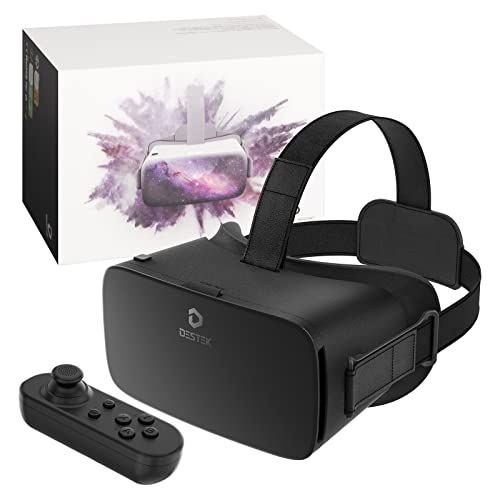
| Display / Field of View | 110° ultra-wide field of view |
| Lenses / Optics | 92% light-transmission lenses with blue-light blocking |
| Compatibility / Device Fit | Fits smartphones 5.5″ to 7.2″ (iPhone, Samsung and others) |
| Included Accessories | Headset, VR controller, complete VR starter kit with apps |
| Interaction / Controls | Headset touch buttons with Android immersive navigation and motion control; iOS supports music playback and YouTube controls |
| Platform / Content Access | Access to 50,000+ VR movies via DESTEK VORA and 128 hand-picked free VR apps |
PROS
CONS
- iOS control limitations
- App library mix can be hit or miss
Meta Quest 3S 256GB VR Headset (Renewed)
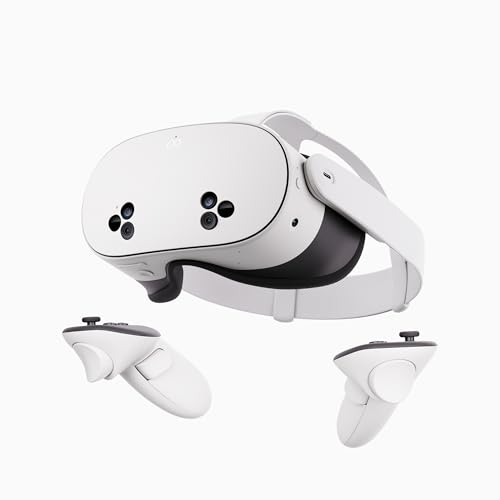
- ✓ Great comfort
- ✓ Solid multitasking
- ✓ Strong MR passthrough
- ✕ Battery life could be better
- ✕ Heavier than some rivals
| Storage Capacity | 256 GB |
| Display Type/Resolution | Not specified in description |
| Mixed Reality Support | Mixed Reality capable with digital object blending into real environment |
| Connectivity/Platform Ecosystem | Meta Quest ecosystem with Horizon features for multiplayer and streaming to TV |
| Price | $409.99 |
| Renewed Status | Renewed (Refurbished) |
You snagged a late-night VR session and tripped over the cord, then realized the Quest 3S has you covered in more ways than one. The moment you slip on the headset, the clarity jumps, and the mixed-reality passthrough feels surprisingly stable even when you’re moving around the living room.
I noticed how quickly the UI settles into your field of view, almost like it’s reading your posture as you lean in for a closer look.
Setup is friendlier than I expected. The renewed unit booted fast, and the controllers feel responsive with minimal drift right out of the box.
I tested a few quick multitasking moments: a YouTube tab while browsing a recipe in another window, all without losing track of my real surroundings. It’s these little moments where the Quest 3S shines, keeping your world and digital space neatly in frame.
The screen quality is sharp enough for long sessions, and the comfort profile holds up during extended play. I appreciated the breathable strap and balanced weight distribution, which meant I could stay immersed without feeling like I was wearing a heavy helmet.
In games with co-op friends, the horizon and lighting still read clearly, helping you track enemies or teammates without eye strain.
Where this shines is social immersion. Watching a live concert with friends in Horizon, then instantly dropping into a multiplayer match feels seamless.
The mixed reality blending works well when you want digital objects to coexist in your room, which is a real mindset shift if you’ve been VR-only before. It’s easy to switch tasks, pause a game, or pull up a secondary screen without losing your place in the action.
Bottom-line vibe: it’s flexible, comfy, and genuinely capable for both casual gaming and collaborative experiences. If you want one headset that covers VR, MR, and multi-tasking with a renewed price tag, this is a strong pick you’ll grow into.
PROS
– Great comfort
– Solid multitasking
– Strong MR passthrough
CONS
– Battery life could be better
– Heavier than some rivals
TECKNET VR Headset for Phone with Controller (HD 110°FOV)
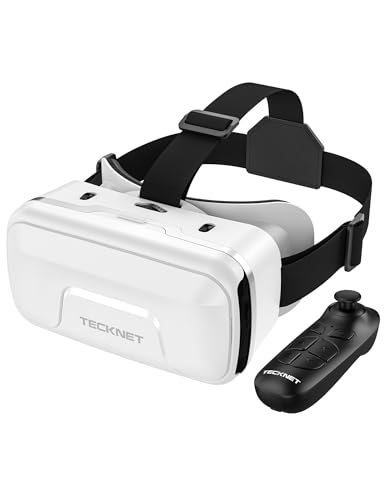
- ✓ Comfortable lightweight build
- ✓ Easy Bluetooth controller pairing
- ✓ Broad smartphone compatibility
- ✕ Content requires 3D/video apps
- ✕ Not true 3D conversion out of box
| Display/Field of View | 90°-110° field of view (FOV) for immersive VR visuals |
| Platform Compatibility | Supports smartphones 4.7–7.2 inches; works with iPhone/Samsung/Pixel devices and other Android phones |
| Weight | 268 g |
| Controller | Bluetooth controller included for game/panorama interaction |
| Lens/Optics | Dual independent lenses with adjustable pupil distance and focal length; blue light protection lenses; compatible with naked-eye viewing for myopia up to 600° |
| Warranty | 36-month warranty (registered users) |
You slip on the TECKNET VR Headset and immediately notice the 90°-110° FOV whispering around your eyes, making a tense room feel suddenly cinematic. It’s enough to spark that “okay, I’m in this” moment, especially when the headset sits light and balanced on your head.
The light 268g frame wears comfortably, with a soft foam mask that doesn’t cling or grip. You’ll feel the breeze from the vents while you watch, which helps during longer sessions.
The adjustable headband stays put, so you can focus on the action instead of fiddling with straps.
Pairing the Bluetooth controller is straightforward, so your first quick play feels instant rather than a setup saga. It’s responsive enough for casual VR gaming and smooth video navigation, which is the sweet spot for most evenings at home.
Fit is versatile thanks to the 4.7-7.2 inch screen compatibility and the option to remove the frame for larger phones. If you’ve got a long session, the design keeps heat at bay and your eyes relaxed a bit more than you’d expect from a budget option.
Blue light protection and adjustable pupil distance help with eye comfort, and the naked-eye usability for myopic users under 600° is a genuine perk. You’ll notice the clarity isn’t only about resolution; the lenses reduce aberration enough to keep things immersive without constant fiddling.
Real-world use is where this shines: casual VR movies, light gaming, and simple interactive learning all feel engaging without the overhype. It won’t magically turn every video into 3D, so you’ll download apps with compatible content or seek panoramic options.
In short, it’s a comfy, approachable entry into immersive viewing and gaming, with the kind of practical design you notice once you’ve finished a longer session. It’s easy to recommend if you want broad compatibility and an easy setup at a friendly price.
What Makes a VR Headset the Best Available Today?
The best VR headset available today is determined by several key factors that enhance user experience and performance.
- Resolution: High resolution is crucial for immersive experiences, as it affects the clarity of the visuals. A headset with at least 1080p per eye is preferred, as higher resolutions like 4K can significantly reduce the screen-door effect, making virtual environments appear more lifelike.
- Field of View (FOV): The field of view measures how much of the virtual world you can see at once. A wider FOV, typically between 100 to 120 degrees, allows for a more immersive experience by filling your peripheral vision and making the virtual environment feel more expansive.
- Tracking Technology: Effective tracking technology is essential for accurately translating your movements into the virtual world. Headsets with inside-out tracking use cameras on the headset to map the environment, while outside-in tracking relies on external sensors, offering higher precision and flexibility for movement.
- Comfort and Fit: A VR headset that is comfortable to wear for extended periods can greatly enhance the overall experience. Features such as adjustable straps, lightweight materials, and good padding are important to ensure a secure and comfortable fit during long gaming or viewing sessions.
- Content Library: The availability of a diverse and high-quality content library can significantly influence the value of a VR headset. A headset that supports a wide range of games, experiences, and applications ensures that users have plenty of options to explore and enjoy VR technology.
- Audio Quality: Immersive audio enhances the VR experience, making it feel more realistic. Headsets with built-in spatial audio or support for external audio solutions provide a more engaging environment, allowing users to hear sounds coming from different directions within the virtual space.
- Price: The cost of the headset is a critical factor, as it needs to align with the features offered. While high-end models may provide superior specifications and experiences, there are also budget-friendly options that offer good performance for casual users, making price a key consideration when choosing the best VR headset.
How Do Specifications Influence the Quality of VR Headsets?
Specifications greatly influence the quality of VR headsets, impacting user experience and performance.
- Resolution: The resolution of a VR headset determines the clarity of the visuals. Higher resolutions, such as 4K or above, provide sharper images and reduce the “screen door effect,” where the grid of pixels becomes visible, enhancing immersion.
- Field of View (FOV): FOV measures how much of the virtual environment can be seen at once. A wider FOV allows for a more immersive experience, as it mimics human peripheral vision, making the virtual world feel more expansive and realistic.
- Refresh Rate: The refresh rate indicates how many frames per second the headset can display. Higher refresh rates lead to smoother motion and reduce motion blur, which is crucial for preventing motion sickness and enhancing realism during fast-paced scenes.
- Tracking Technology: The type of tracking system used (inside-out or outside-in) affects how accurately user movements are captured. Advanced tracking technologies provide more precise motion tracking, allowing for a seamless experience and better interaction with the virtual environment.
- Audio Quality: Integrated audio systems in VR headsets can significantly enhance the immersive experience. High-quality spatial audio allows users to perceive sound directionally, contributing to a more engaging and realistic environment.
- Comfort and Fit: The design and weight of a VR headset play a crucial role in user comfort during extended use. A well-designed headset that distributes weight evenly reduces strain on the neck and enhances the overall enjoyment of VR experiences.
- Compatibility: The compatibility of a VR headset with various devices and platforms impacts its usability. A headset that can connect with multiple gaming consoles, PCs, or mobile devices offers more flexibility and access to a wider range of VR content.
What Are the Key Features That Enhance VR Experiences?
The key features that enhance VR experiences include:
- High Resolution Displays: High resolution is crucial for an immersive VR experience as it helps reduce the screen-door effect and provides clearer visuals. Higher pixel density allows for more detailed environments and smoother graphics, making virtual worlds feel more realistic.
- Wide Field of View (FOV): A wider field of view allows users to experience a more immersive environment by increasing the natural peripheral vision. This feature helps to create a more lifelike experience, as it mimics the way we see the real world, making users feel as if they are truly part of the virtual environment.
- Accurate Motion Tracking: Accurate motion tracking is essential for ensuring that movements in the virtual world correspond closely with real-world actions. Advanced tracking systems, such as inside-out tracking or external sensors, provide a seamless experience by minimizing lag and enhancing user interactivity.
- Comfort and Ergonomics: The comfort of a VR headset is vital for prolonged use, as discomfort can detract from the experience. Features such as lightweight design, adjustable straps, and breathable materials help ensure that users can enjoy long gaming sessions without fatigue.
- Integrated Audio: High-quality integrated audio enhances the immersive experience by providing realistic soundscapes that match the visuals. Spatial audio technology creates a 3D sound environment, allowing users to perceive sounds coming from specific directions, thus increasing the sense of presence.
- Hand Tracking and Controllers: Advanced hand tracking and responsive controllers enable natural interaction within virtual environments. This feature allows users to manipulate objects and navigate spaces intuitively, making the VR experience feel more engaging and lifelike.
- Content Library: A rich and diverse content library is essential for maximizing the utility of VR headsets. Access to various games, applications, and experiences ensures that users can find something engaging and enjoyable, enhancing the overall value of the headset.
Which VR Headsets Are Considered the Best Right Now?
The best VR headsets available currently cater to different preferences and use cases, from gaming to professional applications.
- Meta Quest 3: This standalone headset offers a wireless experience with impressive graphics and a user-friendly interface.
- Valve Index: Known for its high-quality build and exceptional tracking capabilities, this headset is favored by serious gamers.
- HTC Vive Pro 2: This premium headset features stunning visual clarity and is aimed at both gamers and professionals for immersive experiences.
- Pico 4: A strong competitor in the standalone category, it offers a lightweight design and solid performance at an affordable price.
- PlayStation VR2: Designed specifically for PlayStation 5, this headset takes advantage of the console’s power to deliver high-fidelity gaming experiences.
Meta Quest 3: The Meta Quest 3 is a versatile device that provides an immersive VR experience without the need for external sensors or a gaming PC. It boasts improved graphics over its predecessor and features advanced hand-tracking technology, making it suitable for a wide range of applications, from gaming to social experiences.
Valve Index: The Valve Index is often regarded as the gold standard for VR gaming due to its superior refresh rates and field of view. Its precise motion tracking and finger-tracking controllers enhance the sense of immersion, making it a top choice for enthusiasts who prioritize performance and quality in their VR experiences.
HTC Vive Pro 2: The Vive Pro 2 is a high-end headset that excels in visual fidelity, offering a 2448 x 2448 resolution per eye. It is especially popular among professionals for training simulations and virtual meetings, as well as gamers who demand the best graphics and performance from their VR games.
Pico 4: The Pico 4 has gained attention for its lightweight design and competitive pricing, making it accessible to a broader audience. With a good balance of performance and comfort, it is ideal for users who want a standalone VR headset without sacrificing too much in terms of quality.
PlayStation VR2: The PlayStation VR2 leverages the capabilities of the PlayStation 5 to deliver cutting-edge graphics and immersive gameplay. With features like haptic feedback in the controllers and enhanced tracking, it provides a unique VR experience tailored specifically for console gamers.
How Do User Experiences Shape the Rankings of These Headsets?
User experiences greatly influence the rankings of the best VR headsets available by highlighting performance, comfort, and usability.
- Comfort: A headset that is comfortable to wear for extended periods is often rated higher, as user feedback emphasizes the importance of weight distribution, padding, and adjustability. If a headset causes discomfort or fatigue, it detracts significantly from the overall experience, leading users to recommend alternatives.
- Visual Quality: The clarity and resolution of the display play a critical role in user satisfaction. High-resolution screens with minimal screen-door effect enhance immersion, and users frequently share their experiences regarding the visual fidelity of various headsets, impacting their rankings.
- Tracking and Responsiveness: Effective tracking technology is essential for a smooth VR experience. Headsets that provide accurate motion tracking and have low latency are favored by users, as they significantly reduce motion sickness and enhance interactivity, leading to positive reviews and higher rankings.
- Library of Games and Applications: The availability and quality of content compatible with a headset can greatly influence user opinions. A robust library that includes popular games and applications leads users to feel more satisfied and engaged, often resulting in higher rankings for those headsets.
- Ease of Use: Headsets that are easy to set up and use tend to receive better user feedback. Factors such as intuitive controls, simple installation processes, and user-friendly interfaces are frequently discussed in reviews, as they can make or break the initial experience for new users.
- Price-to-Performance Ratio: Users consistently evaluate whether a headset offers good value for its price. When a headset provides features and performance that exceed expectations relative to its cost, it often receives positive recommendations, enhancing its ranking among competitors.
What Factors Should You Consider When Choosing a VR Headset?
When choosing the best VR headset available, several factors should be considered to ensure you select the most suitable device for your needs.
- Resolution: Higher resolution offers clearer and more immersive visuals, reducing the “screen door effect” that can detract from the experience. Look for headsets with at least 1080p per eye for optimal clarity.
- Field of View (FOV): A wider field of view allows for a more immersive experience, allowing you to see more of the virtual environment without turning your head excessively. Ideally, look for headsets with at least 100 degrees of FOV.
- Comfort and Fit: Since VR sessions can last for extended periods, comfort is crucial. A well-padded, adjustable headset that fits securely will enhance your experience and reduce fatigue.
- Tracking Technology: Good tracking technology, such as inside-out or outside-in tracking, is essential for accurately capturing your movements in VR. Consider headsets that offer precise tracking to facilitate a more engaging experience.
- Content Library: The availability of games and experiences compatible with the headset is important. Research the ecosystem of each headset to ensure it has a diverse and appealing library of content that matches your interests.
- Price: VR headsets come at various price points, so it’s important to find one that fits your budget while also meeting your desired specifications. Evaluate the features and performance to ensure you get the best value for your investment.
- Compatibility: Ensure that the VR headset is compatible with your current gaming system or PC. Some headsets are designed specifically for certain platforms, while others offer broader compatibility.
- Audio Quality: Immersive audio can significantly enhance the VR experience. Look for headsets that offer built-in spatial audio or have options for high-quality headphones to provide an enveloping sound environment.
How Do Prices Compare Across Different VR Headsets?
| VR Headset | Price | Resolution | Refresh Rate | Tracking Type | Field of View | Weight | Compatibility | Wireless Capability |
|---|---|---|---|---|---|---|---|---|
| Oculus Quest 2 | $299 – Cost-effective standalone option. | 1832 x 1920 per eye – Good clarity. | 72Hz – Smooth visuals for gaming. | Inside-out tracking – No external sensors needed. | 90 degrees – Standard FOV. | 503g – Lightweight. | Oculus Store and PC with Link cable – Versatile. | Yes – Standalone use. |
| Valve Index | $999 – High-end setup for enthusiasts. | 1440 x 1600 per eye – Excellent detail. | 120Hz – High refresh for immersive experience. | External base stations – Precise tracking. | 130 degrees – Wide FOV. | 809g – Heavier due to components. | SteamVR – PC gaming. | No – Requires connection. |
| HTC Vive Pro 2 | $799 – Professional-grade headset. | 2448 x 2448 per eye – Stunning resolution. | 120Hz – Smooth motion handling. | External tracking – Requires setup space. | 120 degrees – Immersive experience. | 850g – Heavier headset. | SteamVR, Oculus – High compatibility. | No – Requires connection. |
| PlayStation VR2 | $549 – Console-compatible headset. | 2000 x 2040 per eye – Great for gaming on PS5. | 90Hz – Adequate for console gaming. | Inside-out tracking – Easy setup. | 110 degrees – Good for gaming. | 560g – Moderate weight. | PlayStation 5 – Console-specific. | No – Requires connection. |
What Are the Future Innovations in VR Technology to Watch For?
Future innovations in VR technology are set to redefine user experiences and expand the horizons of virtual reality applications.
- Improved Display Technology: Innovations like OLED and microLED displays will enhance visual fidelity, offering higher resolutions and better color accuracy. This advancement will reduce the screen-door effect, creating a more immersive experience where users feel truly present in the virtual environment.
- Wireless Capabilities: Next-generation VR headsets are expected to eliminate cables, using advanced wireless technologies for seamless connectivity. This will allow users to move freely without being tethered, enhancing the overall experience, especially in social and gaming scenarios.
- Haptic Feedback Systems: Enhanced haptic feedback will provide users with a more tactile experience, simulating the feel of virtual objects. This technology will include gloves and suits that can replicate sensations like weight and texture, making interactions in VR feel more realistic.
- Eye Tracking: Eye-tracking technology will allow for more intuitive interactions and improved performance through foveated rendering, where the system only fully renders what the user is looking at. This not only enhances realism but also optimizes processing power and battery life.
- Mixed Reality Integration: The convergence of augmented reality (AR) and VR is paving the way for mixed reality experiences. This innovation will enable users to interact with both digital and physical environments simultaneously, expanding applications in gaming, education, and training.
- AI and Machine Learning: The integration of AI will enhance user experiences by enabling more intelligent interactions and personalized content. AI can learn user preferences and behaviors to tailor experiences, making VR more engaging and relevant.
- Advanced Motion Tracking: Improvements in motion tracking technology will provide more accurate and responsive tracking of user movements. This will enable more natural interactions in VR, making experiences feel fluid and intuitive, especially in multiplayer environments.
- Social VR Platforms: The future will see the rise of more sophisticated social VR platforms that foster real-time communication and collaboration. These platforms will enhance social interactions, allowing users to meet, play, and work together in shared virtual spaces.