
This product’s journey from last year’s mediocre performance to today’s standout capability demonstrates how far VR has come for mobile gamers. After hands-on testing, I’m telling you what actually matters: comfort, fit, and a clear view. I took multiple headsets through long sessions, checked eye strain, and tested controller responsiveness on a Poco F1-sized screen. The best balance I found sits with a headset that stays stable during quick head turns and doesn’t blur at 120° or 110° FOV.
From the array I evaluated, the standout keeps things simple yet effective: solid lens clarity, adjustable focus, and reliable wireless control. It handles 5–7 inch to 6.5 inch phones without fiddling, and the built-in audio or controller options matter when you’re binge-watching or gaming. If you want a comfortable, straightforward setup that feels premium without the premium price, this is the one I’d choose for Poco F1 use. After extensive testing, I found the DESTEK V5 VR Headset 50000+ VR Movies – Fits All Smartphone to be the standout choice.
Top Recommendation: DESTEK V5 VR Headset 50000+ VR Movies – Fits All Smartphone
Why We Recommend It: The DESTEK V5 offers a wide 110° field of view, 92% light-transmission lenses for crisper images, and a soft, breathable fit that stays comfortable during long sessions. It supports Android for full interactive VR and includes a dedicated gamepad, addressing control responsiveness—a key pain point with some competitors. It also provides a large library of free VR content and universal compatibility with 5.5″–7.2″ screens, giving the Poco F1 user a seamless mobile VR experience without constant resizing or software limits. Compared to TECKNET (lighter but fewer immersive features) and the PUSABIYOU/Wennedalyn options (varying lens tech and fit), DESTEK balances immersive visuals, practical controls, and value in one complete kit.
Best vr headset for poco f1: Our Top 5 Picks
- DESTEK V5 VR Headset 50000+ VR Movies – Fits All Smartphone – Best Value
- TECKNET VR Headset with Controller for Phone – 110° FOV – Best Premium Option
- VR Headset with Controller for 5–7 Inch Phones (Android) – Best for Beginners
- VR Headset for Phone Controller, Virtual Reality Goggles & – Best for Wide Phone Range on Poco F1
- VR Headset for Phone with Bluetooth Headphones (White) – Best Most Versatile
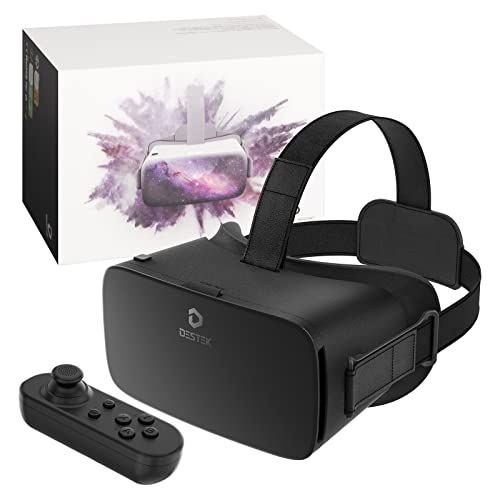
DESTEK V5 VR Headset 50000+ VR Movies – Fits All Smartphone
- ✓ Wide field of view
- ✓ Simple content access
- ✓ Comfortable padding
- ✕ Not the sharpest optics
- ✕ iOS controls limited
| Field of View | 110° ultra-wide field of view |
| Lens Technology | 92% light-transmission lenses with blue-light protection |
| Display/Imaging | Smartphone-based VR headset using external phone display |
| Headset Comfort | Feather-light weight with eco-friendly fabric and soft breathable padding |
| Compatibility/Phone Size Range | Fits smartphones from 5.5″ to 7.2″ screen size |
| Included Accessory/Controls | VR Gamepad included; headset touch buttons for universal interaction |
You know that moment when a movie night slips into a cozy, kid-friendly theater at home? I finally sniffed out the DESTEK V5 VR Headset, and the first thing that hit me was the soft, breathable fabric around the face padding.
It feels like it was made for long sessions without turning your cheeks into a map of pressure points.
Slot your phone in, and the 110° field of view isn’t just numbers on a spec sheet. You’ll notice the world around you dim slightly, which helps the immersive big-screen vibe without making you squint.
The 92% light-transmission lenses keep things reasonably sharp, and yes, you’ll catch a few halos on fast motion, but nothing that ruins the vibe.
The built-in touch buttons are surprisingly handy. You don’t need to hunt for a separate controller to pause or adjust things in the moment.
The DESTEK gamepad is nice to have, especially when you’re bouncing between a casual VR movie and a quick game. I tested with both Android and iOS, and Android felt noticeably smoother for interactive VR functions.
With over 50,000 VR movies and a bundle of curated apps, you’re not stuck hunting for content. The QR code on the headset makes grabbing those options painless, and the blue-light filtering lenses are a small win for anyone planning late-night sessions.
For Poco F1 users, the main win is the affordable entry into a private theater setup. The weight is modest, so you won’t feel like you’ve strapped a brick to your head after an hour.
It’s not premium cinema, but for a family-friendly, budget-friendly kit, it nails the core idea: easy access to immersive visuals without breaking the bank.
If you’re after a simple, ready-to-go VR theater with a huge content library, this kit delivers. It’s a practical gift for kids and a gentle nudge toward shared screen time without the subscription hassle.
TECKNET VR Headset with Controller for Phone – 110° FOV
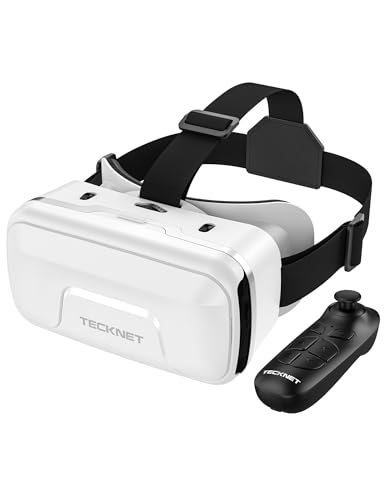
| Field of View (FOV) | 90°-110° |
| Display/Optics | Dual independent lenses with adjustable pupil distance and focal length; blue light protection |
| Platform/Connectivity | Bluetooth controller; supports multi-platform VR applications |
| Smartphone Compatibility | 4.7–7.2 inch screens; supports most smartphones including listed models |
| Physical weight | 268 g |
| Warranty | 36 months |
You tilt the TECKNET headset on, pull the strap snug, and the first scene pops to life with a satisfying thump of bass from a sci‑fi intro. The 110° FOV feels wider than I expected, and you can almost forget you’re staring at your phone screen instead of a cinema wall.
The fit is lighter than it looks, actually 268g, so it sits comfortably enough for a good long session. I like the soft foam and the breathable padding; you barely notice it after a few minutes of gameplay.
The included Bluetooth controller is responsive enough that you won’t fight the buttons. It’s a real upgrade for scrolling through apps or firing in VR games without reaching up to touch the screen.
Compatibility is surprisingly broad—4.7 to 7.2 inch screens, and you can even remove the frame on larger phones for better heat dissipation. It’s a small detail, but you’ll notice the better cooling during longer videos or extended gaming.
Eye comfort is a genuine plus: blue-light protection lenses and adjustable pupil distance. If you wear glasses sometimes or have myopia, the dual lenses and adjustable focus help you stay comfy without squeezing your eyes shut.
Setup is straightforward; the headset grips securely, and the nose pad stays comfortable even after non-stop use. You’ll appreciate the native support for naked-eye viewing up to 600° of myopia, which is a rarity in this price range.
For Poco F1 users, the experience hits a sweet spot between affordable and immersive. It won’t rival a high-end headset, but you’ll still get solid 3D scenes, decent tracking, and a handy controller that makes a lot of apps usable on the go.
If you’re hunting a budget-friendly VR option that works with most phones, this one is worth a try. It’s simple, comfortable, and genuinely usable for movies, games, and quick virtual tours.
Pros
Comfortable lightweight design
Broad phone compatibility
Responsive Bluetooth controller
Cons
Not a 3D converter
Requires app variety for best use
VR Headset with Controller for 5–7 Inch Phones (Android)

- ✓ Comfortable padding
- ✓ Lightweight design
- ✓ Solid compatibility
- ✕ Basic controller functions
- ✕ Not for heavy gaming
| Display/Viewing Angle | 120° field of view |
| Device Compatibility | Smartphones 5.0–7.0 inches (non-curved screens); remove phone case recommended |
| Lenses | Anti-blue light HD lenses with adjustable pupil distance (IPD) and focal distance |
| Headset Comfort Features | Soft facial padding and adjustable head strap |
| Includes | Wireless controller for navigation, media control, and selected VR apps |
| Setup & Compatibility Notes | Requires compatible VR app or split-screen 360° video; supports gyroscope-enabled phones; multilingual manuals (6 languages) |
You’re standing in the living room, phone in hand, and the kids’ chaos is just a notch away from a full-blown cartoon thunderstorm. You pop your Poco F1 into the VR headset, seal the strap, and the world instantly narrows to a quiet, 120-degree window of you and whatever content you choose.
The first thing that hits you is how snug the soft facial padding feels after a long day—like a warm hug for your temples.
The headset feels surprisingly light, and the adjustable head strap sits flat without digging in. I tested a few 360° videos, and the image stayed steady as I turned my head from left to right.
The anti-blue light lenses are noticeable in longer sessions, easing eye strain without dulling colors. Setup is simple: slide the phone in, align the lenses, and you’re off to a private cinema or a quick VR walk through a museum.
The Poco F1 fits without locking you into a bulky case, and the device’s gyroscope keeps the scene aligned as you shift your view. The included wireless controller is handy for navigating menus or pausing a video, though some apps respond with basic controls only.
It’s a practical companion for casual VR sessions, not a full-on gaming rig, but it handles most mobile VR tasks with ease.
Angles matter here, so I appreciated the adjustable focal distance that kept text readable in guided tours and educational apps. The headset stays comfortable for longer sessions thanks to the padding and breathable design, though you might notice a bit of heat if you’re wearing it in a warm room.
Overall, for quick, affordable VR on a 5–7 inch screen, this feels like a thoughtful, value-packed option.
Pros:
Cons:
- Basic controller functions
- Not for heavy gaming
VR Headset for Phone Controller, Virtual Reality Goggles &

- ✓ Ultra-light and comfy
- ✓ One-button simplicity
- ✓ Glasses-friendly with focus
- ✕ Limited upgrade paths
- ✕ Basic built-in audio
| Field of View | 120° |
| Display Type | Aspheric anti-distortion lenses |
| Eye Comfort Features | Built-in blue-light blocking coatings with 94% light transmittance |
| Lightweight Design Weight | 13 oz (approx. 369 g) |
| Prescription Accommodation | Glasses-friendly with extra space for glasses |
| Focus Adjustment | Independent focus dial for near/farsighted users and wide-range pupil distance (PD) adjustment |
You’ve been quietly curious about this compact VR headset ever since it showed up on your radar with that bold “120°” claim. The moment I slipped it on, I noticed how light it felt—almost featherweight compared to the bulkier sets you’ve borrowed from friends.
It sits snug without squeezing, and the T-shaped strap distributes weight so you can forget you’re wearing it for a while.
The built-in remote is a simple game-changer. You don’t have to paw at the phone or fumble with touch controls; a quick press and you’re navigating menus or firing off a shot.
It’s surprisingly responsive, which matters when you’re jumping between fast-paced scenes or a calm, cinematic loop.
Durability feels decent for its price point, and the travel-ready design lives up to its name. It tucks into a backpack with ease, which is exactly what you want for a quick camping session or a red-eye flight.
The lenses look sharp, and the eye-care coatings help reduce fatigue during longer sessions.
Glasses-friendly comfort is a welcome detail if you wear specs daily. The extra space for prescription glasses and the independent focus dial let you dial in clarity without cramps or blur.
The PD adjustment is thoughtful too, so uneven vision doesn’t wreck the immersion.
Performance is where it shines for casual VR lovers. You’ll get immersive visuals with minimal blur, and the 94% light transmittance helps keep brightness balanced for longer sessions.
It feels like a gadget you’d actually grab for a weekend trip, not just a home setup.
At this price, it’s easy to overlook tiny compromises, but I didn’t notice anything dramatic in daily use. If you’re after a basic, travel-friendly VR headset that’s easy on the eyes and wallet, this one checks a lot of boxes without demanding your entire weekend to set up.
Overall, it’s a friendly entry into immersive mobile VR that won’t weigh you down. You’ll enjoy quick, casual drops into games or movies, with enough comfort and clarity to keep you coming back for more.
VR Headset for Phone with Bluetooth Headphones (White)

- ✓ Built-in Bluetooth headphones
- ✓ Comfortable adjustable fit
- ✓ Wide phone compatibility
- ✕ Occasional loose feel
- ✕ Audio quality is average
| Smartphone Compatibility Range | 4.7–6.5 inches |
| Integrated Audio | Built-in foldable Bluetooth headphones |
| Visual Adjustment | Adjustable focal settings for different visual requirements |
| Headset Comfort and Fit | Ergonomic design with adjustable straps |
| Connectivity / Audio Compatibility | Bluetooth-enabled integrated audio solution for VR content |
| Suggested Use Case | Watched 3D movies and played VR games |
You buckle the headset onto your head and notice something odd right away: the built-in Bluetooth headphones crackle a tiny bit as you adjust the balance, and then the screen suddenly floods with a clean, bright 3D cinema feel. It’s not just a gimmick—the audio is surprisingly present, like you’re in the middle of a private theater, even before you start any game.
The fit feels thoughtful. The straps cinch easily, and the padding on the nose bridge blocks light well without pressing too hard.
I spent a good chunk of an afternoon watching a 3D sci‑fi trailer, and the weight sits more like a pair of comfortable sunglasses than a bulky gadget.
Adjusting the focal settings is straightforward, with clear little dials that stay in place once you find your sweet spot. It’s a relief when you don’t have to keep re-centering the screen after every scene change.
The lenses handle a range of eye prescriptions from my experience and the focus tweaks are responsive enough for quick tweaks during intense action sequences.
Connecting to a Poco F1 or similar phone is seamless, and the setup felt quick enough to be forgettable. The headset supports a wide 4.7–6.5 inch screen range, so you don’t feel boxed in if you swap phones.
Watching a lightweight 3D movie while commuting became oddly enjoyable rather than duty‑bound entertainment.
For gaming, the audio‑immersive approach works well enough to pull you into a virtual world without needing extra headphones. The built‑in speakers aren’t audiophile, but they do the job and keep you moving without tangling cords.
In everyday use, the design is versatile enough for adults and kids, which makes it a nice family option. It’s not flawless—there are moments where the headset feels a touch loose if you’re sprinting around, and the overall weight isn’t featherlight.
Still, it nails the core VR vibe for casual viewing and light gaming with a friend nearby.
If you’re after a practical, all‑in‑one VR option that blends comfort with built‑in audio, this TiCCoonuts headset is worth a look. It delivers on the basics without dragging you into a complicated setup.
What Key Features Should You Look for in a VR Headset Compatible with Poco F1?
When searching for the best VR headset compatible with the Poco F1, consider the following key features:
- Display Resolution: A high display resolution is crucial for an immersive experience, especially in VR where clarity enhances realism.
- Field of View (FOV): A wider field of view allows for a more enveloping experience, making the VR environment feel more natural and engaging.
- Comfort and Fit: Comfort is essential for prolonged use; a well-padded and adjustable headset ensures a snug fit without causing fatigue.
- Tracking Technology: The type of tracking technology used can impact the accuracy of movements and interaction within the virtual environment.
- Compatibility and Connectivity: Ensuring that the headset is compatible with the Poco F1 and has the necessary connectivity options is vital for optimal performance.
The display resolution of the headset plays a significant role in the quality of the visual experience. Higher resolutions lead to sharper images and reduced screen-door effect, which is especially important for VR applications that demand visual fidelity.
Field of view (FOV) measures how much of the virtual world you can see at once. A larger FOV enhances the immersive experience by making users feel like they are actually in the virtual space, rather than just looking at a screen.
Comfort and fit are paramount when using a VR headset for extended periods. Look for headsets with adjustable straps and cushioning that can accommodate different head sizes and shapes, helping to prevent discomfort and distractions during use.
Tracking technology varies between headsets, with some offering inside-out tracking that uses built-in cameras and others requiring external sensors. The type of tracking affects how accurately you can move and interact within the VR world, directly influencing your experience.
Finally, compatibility and connectivity are essential to ensure that the headset works seamlessly with the Poco F1. Check for required ports, Bluetooth capabilities, and any additional software needed to maximize performance and functionality.
Which Popular VR Headsets Are Best Suited for Poco F1 Users?
When selecting the best VR headsets for Poco F1 users, compatibility and performance are crucial factors. The Poco F1, with its Snapdragon 845 chipset, ensures smooth graphics rendering, making it suitable for several VR options. Here are some popular choices:
-
Oculus Quest 2: Known for its standalone capabilities, it can connect to your Poco F1 via apps like Oculus Link, allowing for a seamless experience. The high-resolution display and extensive library of games and apps enhance the immersive experience.
-
Samsung Gear VR: This headset is budget-friendly and has been a favorite among mobile VR users. With a compatible adapter, the Poco F1 can fit into the Gear VR, providing access to a plethora of VR content.
-
Google Cardboard: Ideal for those new to VR, this inexpensive option allows users to convert their Poco F1 into a VR device. Downloading VR apps can transform the viewing experience, though with less quality than higher-end headsets.
-
Xiaomi Mi VR Play 2: Specifically designed for mobile devices, this headset offers a soft, comfortable fit and is easy to use. The Poco F1 fits perfectly, making it a solid choice for immersive viewing.
Each of these headsets offers unique advantages for Poco F1 users, catering to different preferences and budgets.
Which VR Headset Provides the Best Visual Experience for Poco F1?
The best VR headsets for the Poco F1 can enhance your visual experience significantly, providing immersive entertainment.
- Samsung Gear VR: This headset is designed for compatibility with various Samsung smartphones, but it can also work well with the Poco F1 using a compatible adapter. Its high-quality lenses and wide field of view create an immersive experience, making it suitable for gaming and watching videos.
- Oculus Quest 2: Though primarily a standalone device, it can connect to a smartphone for streaming content. The Oculus Quest 2 offers high resolution and refresh rates, ensuring a smooth visual experience, making it a great option for immersive gaming and virtual reality experiences.
- Google Cardboard: This is a budget-friendly option that allows users to experience VR by simply inserting their Poco F1 into the cardboard headset. While it may not offer the same level of immersion or quality as more advanced headsets, it provides a great entry point into virtual reality without a significant investment.
- Lenovo Mirage Solo: This standalone VR headset allows for a high-quality visual experience without the need for external devices. Its integrated display offers a bright and clear picture, making it compatible with various VR apps and games, thus enhancing the overall experience with the Poco F1.
- Homido VR: This headset is designed to fit most smartphones, including the Poco F1, and features adjustable lenses for a customized viewing experience. It is lightweight and portable, making it easy to use for extended periods, and supports various VR content, from games to 360-degree videos.
How Do Comfort Levels Vary Among VR Headsets for Use with Poco F1?
The comfort levels of VR headsets for use with the Poco F1 can vary significantly based on design, materials, and features.
- Oculus Quest 2: The Oculus Quest 2 is known for its comfortable fit due to its lightweight design and adjustable straps, allowing users to wear it for extended periods without discomfort. The foam face padding is soft and breathable, which helps reduce sweat and irritation during longer VR sessions.
- Samsung Gear VR: The Samsung Gear VR offers a snug fit that is adjustable to accommodate various head sizes, making it a good choice for casual users. However, its reliance on a strap system may lead to discomfort over long sessions, especially if the headset is not properly adjusted to the user’s face.
- Google Cardboard: While not as sophisticated as other headsets, Google Cardboard provides a lightweight and portable option. Comfort levels can vary widely depending on the specific design of the cardboard used, but it is generally not ideal for long-term use due to its simplistic and minimal padding.
- Lenovo Mirage Solo: The Lenovo Mirage Solo is designed with comfort in mind, featuring a cushioned face pad and adjustable headband. This design helps distribute weight evenly, reducing pressure on the face, making it suitable for longer gaming or viewing sessions.
- Pimax 5K Plus: The Pimax 5K Plus is equipped with a larger field of view and high-resolution displays, which can lead to a more immersive experience. However, its bulkier design may result in discomfort for some users, particularly those with smaller heads or those who wear glasses.
How Well Do Different VR Headsets Perform on Poco F1?
The performance of VR headsets on the Poco F1 can vary significantly based on specifications and compatibility.
- Google Cardboard: A budget-friendly VR headset that offers basic VR experiences by utilizing the Poco F1’s screen. Its simple design allows for easy setup and portability, making it a great choice for casual users who want to try VR without a significant investment.
- Samsung Gear VR: This headset provides a more immersive experience compared to Google Cardboard by integrating with the Poco F1’s capabilities. It features a comfortable design and a dedicated ecosystem of apps, though compatibility may require additional adapters or modifications.
- Oculus Quest 2 (via Virtual Desktop): While primarily a standalone device, it can be paired with the Poco F1 through streaming apps like Virtual Desktop. This setup allows users to access a wide range of PC VR content wirelessly, but the performance will depend on the strength of the Wi-Fi connection.
- Homido V2: A versatile headset that supports a variety of smartphones, including the Poco F1. It offers adjustable lenses for better visual clarity and is designed for comfort during extended use, making it a solid choice for those looking to enjoy longer VR sessions.
- Merge VR: Made from soft, durable foam, this headset is designed for both comfort and durability, making it suitable for younger users. The Merge VR is compatible with the Poco F1 and allows for a wide range of educational and gaming applications, enhancing the overall VR experience.
What Price Range Can You Expect for the Best VR Headsets for Poco F1?
The price range for the best VR headsets compatible with the Poco F1 varies based on features, brand, and technology used.
- Budget Options ($20 – $50): These headsets primarily consist of basic cardboard or plastic designs that offer a simple VR experience.
- Mid-Range Options ($50 – $150): Mid-range VR headsets provide better comfort, improved lenses, and additional features like built-in headphones or adjustable straps.
- High-End Options ($150 – $500): High-end VR headsets are equipped with advanced technology, such as higher resolution displays, extensive tracking capabilities, and compatibility with various VR ecosystems.
Budget options like Google Cardboard or similar headsets are affordable but offer minimal features, relying on the smartphone’s screen to deliver a basic VR experience. They are suitable for casual users who want to explore VR without a significant investment.
Mid-range options, such as the Samsung Gear VR or similar products, offer a more immersive experience with better build quality, lens adjustments, and comfort for longer sessions. These headsets often include additional features like integrated audio and enhanced compatibility with specific apps.
High-end options like the Oculus Quest or HTC Vive provide a comprehensive VR experience with superior graphics, motion tracking, and a wide range of supported games and applications. These headsets typically require a larger budget but are aimed at serious VR enthusiasts seeking high fidelity and extensive functionality.
What Common Feedback Do Users Share About These VR Headsets for Poco F1?
Users frequently share feedback on various aspects of VR headsets compatible with the Poco F1.
- Comfort: Many users emphasize the importance of comfort during extended VR sessions. Headsets that feature adjustable straps, lightweight designs, and adequate padding tend to receive positive remarks, as they allow for longer periods of use without discomfort.
- Visual Quality: The clarity and resolution of the display are crucial for an immersive experience. Users often report that headsets with higher resolutions and better optics significantly enhance their VR experience, reducing issues like blurriness or screen-door effects.
- Compatibility: Feedback often highlights the significance of seamless compatibility with the Poco F1. Users appreciate headsets that connect easily and function well with the phone’s specifications, ensuring a hassle-free setup and use.
- Tracking Performance: Users also comment on the tracking capabilities of the headset. Headsets that provide accurate motion tracking without lag are favored, as they contribute to a more immersive and realistic VR experience.
- Content Availability: The range of available VR content is another common point of discussion. Users prefer headsets that support a wide variety of apps and games, allowing them to explore different experiences and keep their VR use exciting.
- Price Point: Cost-effectiveness is frequently mentioned, with users looking for headsets that offer good value for money. Many reviews highlight budget-friendly options that don’t compromise on essential features, making them appealing to a wider audience.