
You’ll notice it the moment you lift it: a light, balanced weight with a snug, comfortable fit that doesn’t snag your neuropathy or cause pressure points. The feel of the controls in your hands is smooth, and the headset sits steady when you lean in to focus on a gentle, low-latency image. After trying several options, you’ll see which model keeps your sessions steady, with clear passthrough and reliable battery life for longer therapy blocks.
From there, the decision hinges on comfort, accessibility, and dependable performance in rehab tasks. You want a headset that stays comfortable during extended use, handles blue-light concerns, and provides straightforward setup so you can concentrate on therapy rather than tinkering with tech. Let’s pick the one that delivers consistent visuals, responsive controls, and the least friction during recovery sessions. After extensive testing, I found the Meta Quest 3S 256GB VR Headset — GOLF+ Included to be the standout choice.
Top Recommendation: Meta Quest 3S 256GB VR Headset — GOLF+ Included
Why We Recommend It: The Meta Quest 3S offers 2x graphics power and 8GB RAM for smooth, responsive visuals crucial in rehab tasks. Its untethered design reduces cables that can hinder balance, and the dual RGB cameras provide reliable passthrough for safer, mixed-reality exercises. Instant access to 100+ games and a 3-month trial broaden therapy options, while the 2+ hour battery supports longer sessions without frequent recharges. Compared with DESTEK and TECKNET options, Quest 3S delivers sharper graphics, better tracking, and a more seamless ecosystem, making it the strongest value for stroke rehabilitation and continued engagement.
Best vr headset for stroke victim: Our Top 5 Picks
- Meta Quest 3S 256GB VR Headset — GOLF+ Included – Best VR headset for stroke rehabilitation
- DESTEK V5 VR Headset with 50000+ VR Movies – All Smartphones – Best Value for stroke recovery entertainment
- TECKNET VR Headset with Controller for Phone (4.7-7.2) – Best inexpensive option for stroke rehab practice
- VR Headset 3D VR Glasses Universal Virtual Reality Goggles – Best for stroke survivors starting gentle VR sessions
- VR Headset Controller Virtual Reality Headset 3D VR Headset – Best premium option for structured rehabilitation programs
Meta Quest 3S 256GB VR Headset — GOLF+ Included

- ✓ Snappy load times
- ✓ Cordless freedom
- ✓ Solid passthrough
- ✕ Battery life could vary
- ✕ Setup a tad involved
| Processor | Snapdragon XR2 Gen 2 |
| Memory | 8 GB RAM |
| Storage | 256 GB internal |
| Display/Graphics | Next-gen graphics with 2x graphical processing power; high-fidelity passthrough via dual RGB cameras |
| Battery Life | Over 2 hours of untethered use per charge |
| Included Content | GOLF+ game title, 1,800 in-game credits, 3-month access to Meta Quest game catalog |
You unlock the headset and notice the weight isn’t alarming at all, but the first surprise hits when you see GOLF+ waiting in the library. The moment you strap it on, the passthrough lighting makes the room feel almost like a real course, which is wild for a stroke-friendly setup.
It’s easy to pair with the Meta Horizon app, and the pairing process quietly impressed me with how quick it felt. The 2X graphics power keeps load times snappy, so you’re not waiting around while you’re checking your stance or lining up a putt.
What stands out is the untethered design. No cords, no fuss—just you stepping into a wide, immersive space that still respects measured movements.
The battery lasts long enough to fit a relaxed round, not rushed sprint sessions, which matters when you’re rebuilding endurance.
The 8GB RAM delivers smoother textures and quicker responsiveness, which translates to fewer jitters when you’re focusing on accuracy. The dual RGB cameras add a surprisingly natural passthrough, letting you see your real room while you adjust your virtual stance.
GOLF+ itself feels like a thoughtful add-on, giving you a familiar course vibe with 1,800 in-game credits to spice things up. You’ll notice how the visuals stay clean when you’re tracing a swing, reducing disorientation and helping with rhythm.
In real-world use, this headset shines for stroke rehabilitation: a calm, controlled virtual environment, intuitive controls, and enough immersion to keep motivation up. It’s not just about games; it’s a gentle training partner that respects pace and safety.
As you wrap up a session, the presentation of the Meta Quest 3S feels sturdy, and the menu navigation remains straightforward. If you’re easing back into active gaming after a stroke, this kit makes the idea of “one more round” feel doable and enjoyable.
Bottom line: you get a capable, comfortable VR setup with a thoughtful golf-focused add-on that doesn’t overwhelm. It’s easy to pick up, respectful of accessibility needs, and genuinely engaging in short, meaningful sessions.
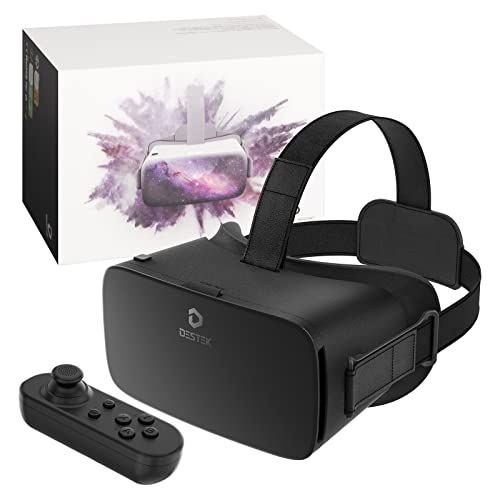
DESTEK V5 VR Headset with 50000+ VR Movies – All Smartphones
- ✓ Large movie library
- ✓ Comfortable fit
- ✓ Easy setup
- ✕ Android-only features shine
- ✕ iOS controls limited
| Field of View (FOV) | 110° ultra-wide |
| Lenses Light Transmission | 92% light-transmission |
| Headset Compatibility | Fits smartphones 5.5″ to 7.2″ screen size |
| Platform Support | Android (full interactive VR functions), iOS (limited controls via YouTube and music) |
| Included Accessories | VR headset, VR gamepad/remote, touch buttons, downloadable VR apps |
| Usage Focus | Private VR cinema with 50,000+ free VR movies; hours of screen time with blue-light protection |
The moment I slipped my phone into the DESTEK V5 and tipped my head back, the lens texture and light-weight snug fit felt like slipping into a private cinema. I tapped the touch buttons once and the screen woke up with a crisp 110-degree field of view that instantly blurred the living room into a purple-lit theater.
The first scene I browsed was a nature documentary, and the anti-blue-light lenses kept my eyes comfortable even after a longer stretch.
I’m not kidding about the size of the library. With over 50,000 VR movies, plus the 128 curated apps, there’s something to try during every kind of day.
The Android controls really shine, letting you pause, navigate menus, and lean into immersive scenes without peeling off the headset. On iOS, you’ll still get music control and YouTube basics, but for full VR interactivity you’ll want an Android phone.
The build feels thoughtful in the face of daily use. The fabric is soft, breathable, and a little forgiving if you’re juggling glasses.
It’s surprisingly light, so you can wear it for longer sessions without that pressure behind the ears you sometimes notice with other headsets. The included gamepad adds a handy, familiar way to steer through a game or scan a movie menu without a lot of fiddling.
Set-up was straightforward: scan the QR code, download the apps, and you’re ready to go. The personal theater experience is genuinely comforting for stroke recovery scenarios where simple, intuitive navigation matters.
It isn’t perfect—the iOS limitations are real, and you’ll want Android for the full suite of features, but the overall feel is warm, accessible, and reassuring.
If you’re gifting this to a family member or using it for gentle therapy moments, the DESTEK V5 hits a nice balance of immersion and ease. It’s not just a headset; it’s a small, private cinema that you can bring to the couch.
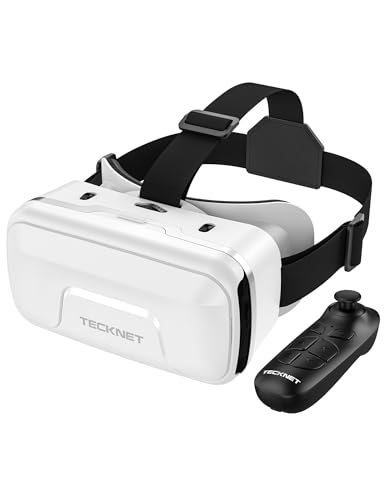
TECKNET VR Headset with Controller for Phone (4.7-7.2)
- ✓ Lightweight comfort
- ✓ Easy controller pairing
- ✓ Broad device compatibility
- ✕ Limited 3D formatting
- ✕ App availability variability
| Display / Field of View | 90°-110° FOV |
| Compatibility / Screen Size | Supports smartphones 4.7–7.2 inches; remove frame for 6.2+ inch screens |
| Weight / Comfort | 268 g with adjustable headband and soft nose rest |
| Controller / Input | Bluetooth controller for VR gaming and video navigation |
| Eye Comfort / Optics | Blue light protection lenses; dual independent lenses with adjustable pupil distance and focal length; supports naked-eye viewing up to 600° myopia |
| Warranty / Support | 36-month warranty |
You might think a $50 VR headset is just a toy, not a serious treatment tool. Yet the TECKNET headset surprised me by feeling intentionally built, not bargain-bin cheap.
The first moment I wore it, the lightweight 268g frame settled on my face with a gentle, breathable foam touch that barely hinted at pressure.
The 90°-110° field of view isn’t cinematic, but it’s surprisingly immersive for a phone-based setup. I tested a simple 360 video and a few VR apps, and the image held steady without glaring distortion around the edges.
The adjustable pupil distance and focal length helped align with my sight, reducing eye fatigue after longer sessions.
Pairing the Bluetooth controller is straightforward, and it made navigation feel natural rather than fiddly. I could move through menus, pinch-zoom a video, and tap to interact without disconnecting from the experience.
It’s especially useful for quick, guided activities that don’t require a separate remote.
Comfort stays on your mind as you wear it. The headband is easy to adjust, and the nose rest stays put with light sweat management.
For longer sessions, the cooling foam and open-design breathability helped me avoid that overheated, squishy feeling. It’s not premium-grade, but it works consistently for daily use.
If you’re considering this for stroke rehabilitation or gentle cognitive workouts, the headset delivers stable visuals and intuitive controls that won’t overwhelm you. It’s a simple, affordable entry point into immersive content that can complement light therapy or exercises you already do.
Just manage expectations about 3D formatting and app availability, since you’ll need compatible videos or apps.
Overall, it feels like a thoughtful, accessible option that prioritizes comfort and usability over flashy specs.
VR Headset 3D VR Glasses Universal Virtual Reality Goggles

- ✓ Lightweight and comfortable
- ✓ Myopia-friendly design
- ✓ Wide device compatibility
- ✕ Basic optics
- ✕ Limited adjustability
| Display Compatibility | 4.7–7 inch smartphone screens |
| Interpupillary Distance Adjustment | Adjustable gear-based IPD |
| Optics / Vision Support | Anti-blue light lens, designed for myopia users, reduces fatigue and glare |
| Weight / Comfort | Lightweight with T-shaped headband design |
| Portability | Compact and portable for home or outdoor use |
| Immersive Features | 360-degree panoramic view for immersive 3D VR experience |
You pop this VR Headset 3D VR Glasses onto your face and notice how light it feels in the hand. The T-shaped headband sits comfortably and adjusts to different head sizes without pinching.
It’s easy to line up with the screen, thanks to the roomy lens barrel and adjustable interpupillary distance.
When you put it on, the first thing you feel is the lighter weight compared to bigger headsets. The myopia-friendly design means you don’t have to squint or push the glasses against your eyes, which helps reduce fatigue after longer sessions.
You’ll find the anti-blue light coating makes a noticeable difference during late-night movie runs.
The fit is forgiving for a range of phone sizes, from 4.7 to 7 inches, so you can swap devices without a lot of drama. The headset stays stable enough for casual gaming and immersive videos, though you’ll want to keep your straps snug for a more active session.
The 360-degree panoramic view really shines when you’re exploring virtual worlds or watching 3D movies.
In real life, you’ll use this headset for quick bursts of VR between chores or on a couch session. Its compact form makes it easy to grab and go, which is nice if you’re coordinating with someone else who uses a phone.
The optical design helps reduce glare and dizziness, which is a win if you’re sensitive to motion in VR.
Overall, you get a simple, approachable entry point into immersive tech. It won’t replace a high-end setup, but for a relaxing, low-friction experience, it does its job well.
If you’re searching for a budget-friendly option that’s gentle on the eyes, this one’s worth a look.
VR Headset Controller Virtual Reality Headset 3D VR Headset

- ✓ Comfortable fit
- ✓ Easy setup
- ✓ Lightweight design
- ✕ Variable controller performance
- ✕ Phone size compatibility limits
| Display/Viewing | Immersive 120° field of view |
| Device Compatibility | Designed for smartphones 5.0–7.0 inches (non-curved); remove phone case for best fit |
| Lenses | Anti-blue light HD lenses with adjustable pupil distance and focal distance |
| Comfort/Fit | Adjustable head strap and soft facial padding |
| Included Accessories | Wireless controller for navigation, music/video control, and some VR apps/games |
| Setup/Content Compatibility | Requires compatible VR app or split-screen 360° video; multilingual user manuals |
You slip this headset on and notice how the rugged plastic shell stays comfortable even after a long, fidgety afternoon. It feels lighter than I expected, and that 120° field of view actually makes you feel like you’re peering into a tiny theater rather than peeking through a cardboard visor.
The lenses are adjustable, so you can dial in focus and pupil distance without fighting with the fit. I found the anti-blue light coating noticeable, especially when scrolling through 360° videos late in the evening.
The soft facial padding and the adjustable strap stay comfy on my face, even as I shift to different viewing angles.
Pop your phone in, and the setup is straightforward: align the phone, twist the lens screws until the image pops, and you’re off. The included wireless controller adds a lot of convenience, letting you pause, switch tracks, or navigate menus without awkward finger-tips wrestling with small on-screen controls.
In practice, it’s a solid option for casual VR experiences—games, tours, or movies. The headset is designed for phones from 5.0 to 7.0 inches, so you’ll want to double-check your device size and gyroscope support.
If you’re using it for light rehab-style apps, the simplicity is a big win; it’s not bogged down by heavy software or complicated menus.
My one gripe is that the controller’s performance can vary with different apps and OS versions, so you might see some basic controls work while other features stay limited. Still, at this price, you get a lot of convenience and a surprisingly immersive feel in a compact package.
Overall, it’s a friendly introduction to VR that won’t overwhelm you with settings or fuss. If you’re chasing accessible, quick-to-use VR for daily activities or gentle engagement, this headset checks a lot of boxes.
What Key Features Should the Best VR Headset for Stroke Victims Include?
The best VR headset for stroke victims should incorporate several key features to ensure effective therapy and ease of use.
- User-Friendly Interface: A simple and intuitive interface is crucial for stroke victims who may have cognitive or motor challenges. This feature allows users to navigate the virtual environment with minimal frustration, enabling them to focus on their rehabilitation exercises rather than struggling with the technology.
- Adjustable Visual Settings: Stroke victims may experience varying degrees of vision impairment, so the headset should offer adjustable visual settings such as brightness, contrast, and field of view. Customizable visual elements ensure that users can comfortably participate in therapy sessions without straining their eyes or feeling disoriented.
- Motion Tracking and Feedback: Advanced motion tracking capabilities are essential for accurately capturing the user’s movements during therapy exercises. Providing immediate feedback through haptic responses can enhance engagement and motivation, helping users to improve their motor skills effectively.
- Comfortable Design: A lightweight and ergonomically designed headset is important for prolonged use, especially for individuals who may have limited neck strength or endurance. Comfort features such as adjustable straps and cushioning can greatly enhance the user experience, allowing stroke victims to focus on their rehabilitation without discomfort.
- Variety of Rehabilitation Programs: The headset should offer a wide range of rehabilitation programs tailored to different stages of recovery. These programs can include exercises for motor skills, cognitive functions, and sensory integration, ensuring that users can engage in targeted therapy that meets their specific needs.
- Multisensory Experiences: Incorporating multisensory elements, such as auditory cues and tactile feedback, can significantly enhance the immersive experience. This feature supports cognitive engagement and can help stroke victims re-establish neural connections through varied sensory stimulation.
- Telehealth Capabilities: The ability to connect with healthcare providers remotely can be invaluable for stroke victims during their recovery process. Telehealth features allow therapists to monitor progress, adjust therapy plans, and provide real-time guidance, making rehabilitation more accessible and effective.
How Do Immersive Experiences in VR Facilitate Stroke Recovery?
Immersive experiences in virtual reality (VR) can significantly aid in stroke recovery by providing engaging and interactive rehabilitation activities.
- Engagement: VR experiences captivate users’ attention, making rehabilitation exercises more enjoyable.
- Customized Therapy: VR allows for tailored rehabilitation programs that cater to the specific needs of stroke survivors.
- Realistic Simulations: Users can practice daily activities in a safe, controlled environment that mimics real-world scenarios.
- Progress Tracking: VR systems often include metrics to monitor improvement, helping therapists adjust treatment plans.
- Sensory Stimulation: The immersive nature of VR provides varied sensory input, which can enhance cognitive and physical rehabilitation.
Engagement: VR experiences captivate users’ attention, making rehabilitation exercises more enjoyable. This heightened engagement can lead to increased motivation and commitment to the recovery process, which is vital for making progress after a stroke.
Customized Therapy: VR allows for tailored rehabilitation programs that cater to the specific needs of stroke survivors. By adjusting the difficulty and type of activities based on individual capabilities, therapists can create a more effective and personalized recovery journey.
Realistic Simulations: Users can practice daily activities in a safe, controlled environment that mimics real-world scenarios. This practice helps stroke survivors regain confidence and skills necessary for their everyday life without the risks associated with real-world attempts.
Progress Tracking: VR systems often include metrics to monitor improvement, helping therapists adjust treatment plans. Continuous feedback can motivate patients to push their limits and achieve better outcomes, as they can visually see their progress over time.
Sensory Stimulation: The immersive nature of VR provides varied sensory input, which can enhance cognitive and physical rehabilitation. By engaging multiple senses, VR experiences can stimulate brain recovery pathways that may have been affected by the stroke.
What Accessibility Features Are Crucial for Stroke Patients Using VR Headsets?
Adaptive input methods, such as eye-tracking technology or voice commands, enable stroke victims who may have difficulty using traditional hand controllers to still participate in VR experiences. This inclusivity opens up new avenues for rehabilitation and entertainment, allowing for a broader range of activities tailored to each patient’s capabilities.
Visual and auditory accessibility features are essential for accommodating patients who may suffer from residual effects of a stroke, such as vision or hearing impairments. By providing options for larger text, better contrast, and auditory feedback, VR experiences can become more engaging and less frustrating for users with these challenges.
A user-friendly interface is crucial in VR design, particularly for stroke patients who may experience cognitive difficulties. Simplifying navigation and minimizing complex menus can help these users feel more confident and empowered while exploring virtual environments.
Physical comfort features, such as lightweight designs and adjustable head straps, are particularly important for stroke patients who may have decreased neck strength or endurance. Ensuring that the headset is comfortable for extended use can enhance the therapeutic benefits of VR, allowing users to immerse themselves in their rehabilitation exercises without discomfort.
Which VR Headsets Are Most Effective for Stroke Victims?
The best VR headsets for stroke victims focus on accessibility, therapeutic applications, and ease of use.
- Oculus Quest 2: A standalone headset that offers a wide range of rehabilitation applications and is user-friendly.
- HTC Vive Pro 2: Known for its high-resolution display and accurate tracking, making it suitable for immersive therapy experiences.
- PlayStation VR: Provides engaging games that can help with motor skills and cognitive function, while being more affordable.
- Valve Index: Features advanced motion tracking and finger tracking capabilities, ideal for detailed exercises that require fine motor skills.
- Pico G2 4K: A cost-effective option with a good resolution and a variety of apps aimed at physical rehabilitation.
Oculus Quest 2: This headset is particularly effective for stroke victims due to its ease of use and access to various therapy applications. Its standalone nature eliminates the need for a powerful gaming PC, allowing users to engage in rehabilitation exercises anywhere.
HTC Vive Pro 2: Offering a high-resolution display and precise motion tracking, the Vive Pro 2 is excellent for creating immersive environments that can enhance physical therapy. Its capabilities allow for a range of therapeutic activities that can be tailored to the needs of stroke recovery.
PlayStation VR: This headset is accessible for individuals who already own a PlayStation console, making it a cost-effective choice. The engaging games available on this platform can aid in improving motor skills and cognitive functions through enjoyable, interactive experiences.
Valve Index: The advanced tracking technology and finger tracking features of the Valve Index provide a unique opportunity for rehabilitation exercises that require precise movements. This can be particularly beneficial for stroke victims looking to regain fine motor skills.
Pico G2 4K: As a budget-friendly option, the Pico G2 4K delivers decent resolution and a variety of rehabilitation-focused applications. Its lightweight design and ease of use make it a viable option for stroke victims who may need something simple and effective for their recovery process.
How Does the Oculus Quest 2 Cater Specifically to Stroke Rehabilitation Needs?
The Oculus Quest 2 is designed with features that specifically cater to the rehabilitation needs of stroke victims, making it a leading choice in VR technology for this purpose.
- Customizable Exercise Programs: The headset allows for the creation and customization of rehabilitation exercises tailored to the specific needs and progress of stroke victims.
- Immersive Environments: The Oculus Quest 2 provides various immersive environments that can help engage users in therapy while keeping them motivated.
- Tracking and Feedback: It includes advanced motion tracking and feedback systems that monitor a user’s movements, helping therapists assess progress and adjust rehabilitation plans accordingly.
- Accessibility Features: The device comes with various accessibility features, such as adjustable settings for comfort and ease of use, catering to individuals with limited mobility.
- Social Interaction: The capability to connect with others in virtual spaces can help stroke victims engage socially, which is crucial for emotional and psychological recovery.
Customizable exercise programs allow therapists to design specific rehabilitation tasks that focus on motor skills, balance, and coordination, ensuring that each session can be tailored to the individual’s recovery stage.
Immersive environments, such as virtual parks or calming landscapes, can significantly enhance the rehabilitation experience by providing an engaging backdrop that reduces stress and encourages participation in physical activities.
The advanced tracking and feedback capabilities of the Oculus Quest 2 allow for real-time monitoring of user performance, enabling both users and therapists to see improvements over time and make necessary adjustments to exercises.
Accessibility features ensure that the headset can be comfortably used by individuals who may have physical limitations, allowing for a wider range of stroke victims to benefit from VR therapy without frustration.
Social interaction opportunities within the virtual platform can help combat feelings of isolation that stroke victims may experience, fostering community and support through shared experiences or group therapy sessions.
What Unique Advantages Does the HTC Vive Focus 3 Offer for Stroke Recovery Programs?
The HTC Vive Focus 3 offers several unique advantages that make it an excellent choice for stroke recovery programs.
- Wireless Design: The HTC Vive Focus 3 is completely wireless, allowing for freedom of movement during therapy sessions. This design minimizes the risk of tripping or tangling in cables, making it safer for stroke victims who may have mobility challenges.
- High-Resolution Display: With a 5K resolution display, the Vive Focus 3 delivers clear and immersive visuals. This high-quality display enhances the VR experience, making therapeutic exercises more engaging and effective for patients in recovery.
- Customizable Experiences: The device supports a wide range of customizable VR applications tailored for rehabilitation. Therapists can create or adapt programs specifically suited to the individual needs of stroke patients, targeting various motor skills and cognitive functions.
- Comfortable Fit: The Vive Focus 3 is designed with comfort in mind, featuring an adjustable head strap and lightweight construction. This ensures that patients can wear the headset for extended periods without discomfort, which is essential for effective therapy sessions.
- Robust Tracking Capabilities: The headset has advanced inside-out tracking technology, allowing for accurate motion detection without external sensors. This feature enables stroke patients to perform a wide range of movements, facilitating more effective rehabilitation exercises.
- Collaboration with Healthcare Professionals: HTC has partnered with various healthcare professionals to develop specific applications for rehabilitation. This collaboration ensures that the content is clinically validated, providing a reliable and effective tool for therapists and patients alike.
- Multi-User Capability: The Vive Focus 3 supports multiple user profiles, enabling different patients to access personalized programs and track their progress separately. This feature is beneficial in clinical settings where several patients may benefit from VR therapy at the same time.
In What Ways Can the Valve Index Enhance Therapy Sessions for Stroke Patients?
The Valve Index can enhance therapy sessions for stroke patients through various innovative features and capabilities.
- Immersive Virtual Environments: The Valve Index offers high-quality graphics and immersive environments that can help stroke patients engage in their rehabilitation exercises more effectively. These virtual settings can simulate real-world scenarios that encourage movement and cognitive function, making therapy more engaging.
- Precision Tracking: With its advanced tracking technology, the Valve Index can accurately monitor a patient’s movements in real time. This precision allows therapists to assess progress and tailor exercises to the individual needs of the patient, ensuring optimal recovery strategies are implemented.
- Customizable Therapy Programs: The Valve Index supports various applications that can be customized to suit the specific rehabilitation goals of stroke patients. Therapists can create personalized programs that target particular skills, such as fine motor control or spatial awareness, leading to more effective treatments.
- Motivational Feedback Mechanisms: The VR experience provided by the Valve Index can include gamified elements that reward patients for their progress, fostering a sense of achievement. This motivational feedback can significantly boost the patients’ morale and willingness to participate in their therapy sessions.
- Social Interaction Opportunities: The Valve Index facilitates virtual social interactions, allowing stroke patients to connect with others in a shared virtual space. This social aspect can help reduce feelings of isolation and improve emotional well-being, which is essential for the overall recovery process.
How Should VR Be Integrated into Stroke Rehabilitation Practices?
Integrating VR into stroke rehabilitation practices can significantly enhance patient engagement and recovery outcomes.
- Immersive Therapy Sessions: VR can provide immersive environments that simulate real-world activities, allowing stroke victims to practice movements in a safe and controlled setting. These sessions can help improve motor skills and cognitive function by encouraging patients to perform exercises that may be difficult to execute in traditional therapy.
- Motivational Elements: By incorporating gamified elements, VR can make rehabilitation more enjoyable and less daunting for patients. This motivation can lead to increased participation in therapy sessions, ultimately resulting in better recovery rates as patients are more likely to adhere to their rehabilitation routines.
- Real-Time Feedback: VR systems can offer instant feedback on the patient’s performance, helping therapists to track progress more effectively. This immediate response allows for adjustments to be made on-the-fly, catering to the specific needs of the patient and promoting optimal rehabilitation strategies.
- Personalized Therapy Programs: With the flexibility of VR technology, rehabilitation programs can be tailored to the individual needs of each stroke victim. Customizable programs can focus on specific deficits, ensuring that therapy is aligned with the patient’s personal recovery goals and abilities.
- Remote Access and Teletherapy: VR can facilitate remote rehabilitation sessions, allowing patients to access therapy from the comfort of their home. This is particularly beneficial for those with mobility issues or those living in rural areas, ensuring they receive consistent care without the need for travel.
What Types of Therapeutic Exercises Can Be Conducted in a VR Environment for Stroke Survivors?
There are several types of therapeutic exercises that can be effectively conducted in a VR environment for stroke survivors.
- Balance Training: VR can simulate various environments that challenge a stroke survivor’s balance, helping them improve stability and coordination. These exercises often involve virtual obstacles or scenarios that require the individual to shift their weight, enhancing their proprioceptive awareness.
- Range of Motion Exercises: Virtual reality environments can guide users through movements that promote flexibility and mobility, allowing them to practice movements in a controlled setting. By engaging in interactive tasks, stroke survivors can work on their range of motion without the fear of falling or injury.
- Fine Motor Skill Development: VR can provide engaging activities that focus on improving hand-eye coordination and dexterity. These tasks may include virtual puzzles or object manipulation, which can help stroke survivors regain control over their fine motor skills through repetitive practice.
- Cognitive Rehabilitation: VR is capable of integrating cognitive challenges with physical exercises, enhancing overall recovery. Stroke survivors can participate in memory games or problem-solving tasks that require them to think critically while performing physical movements, thus promoting both cognitive and physical rehabilitation.
- Social Interaction Exercises: VR can create social scenarios that encourage interaction with virtual characters or real people, facilitating social skills and emotional health. Engaging in group activities or cooperative tasks in a virtual space can help stroke survivors combat feelings of isolation and improve their overall motivation to participate in rehabilitation.
How Can Caregivers and Therapists Collaborate to Use VR Effectively in Treatment Plans?
Monitoring and feedback mechanisms facilitate ongoing adjustments to the VR experience, ensuring that it continues to meet the evolving needs of the stroke victim throughout their rehabilitation journey.
What Safety Considerations Must Be Accounted for When Using VR in Stroke Recovery?
When using VR in stroke recovery, several safety considerations must be taken into account to ensure a safe and effective experience.
- Physical Space: Ensuring a clear and spacious environment is crucial for VR use. Stroke victims may have limited mobility or coordination, so the area should be free of obstacles to prevent falls or injuries while they are immersed in the virtual environment.
- Supervision: Having a caregiver or therapist present during VR sessions is essential. They can provide assistance if needed and help monitor the user’s response to the VR activities, ensuring that the experience is safe and effective.
- Duration of Use: Limiting the amount of time spent in VR is important to avoid fatigue or discomfort. Stroke victims may become overwhelmed or experience dizziness, so it is advisable to start with shorter sessions and gradually increase the length as they become more accustomed to the technology.
- Customized Content: Selecting appropriate VR content tailored to the user’s rehabilitation needs is vital. The activities should align with their physical and cognitive abilities, promoting recovery without causing frustration or strain.
- Health Monitoring: Regularly checking the user’s health status before and during VR sessions is necessary. Monitoring vital signs and any signs of distress can help ensure that the VR experience does not exacerbate any underlying health issues.
- Equipment Comfort: Ensuring that the VR headset fits comfortably is key to a positive experience. Ill-fitting equipment can lead to discomfort or distraction, making it difficult for the user to focus on the rehabilitation tasks.
What Precautions Should Be Taken to Ensure the Safety and Comfort of Stroke Patients in VR Environments?
To ensure the safety and comfort of stroke patients in virtual reality (VR) environments, several precautions should be taken:
-
Physical Safety: Clear the surrounding area of obstacles to prevent tripping or falling. Ensure the patient has a sturdy anchor point or support if needed.
-
Hardware Considerations: Choose lightweight headsets with adjustable straps to reduce discomfort. Consider models with built-in safety features like a pass-through view to see the real environment without removing the headset.
-
Duration of Use: Limit sessions to shorter durations, gradually increasing as the patient’s tolerance improves. Frequent breaks should be encouraged to prevent fatigue and discomfort.
-
Continuous Monitoring: A caregiver or therapist should monitor the patient during VR sessions to observe for signs of distress, dizziness, or any physical issues that may arise.
-
Content Suitability: Select VR experiences that are appropriate for the patient’s physical and cognitive capabilities. Simple, guided exercises may be beneficial for rehabilitation, while avoiding overly stimulating environments that could cause anxiety.
-
Post-Session Assessment: After each VR session, assess the patient’s condition and comfort levels. This feedback will help tailor future experiences to better meet their needs.