
You hold the Meta Quest 3S 256GB in your hands and feel its weight settle comfortably, the soft matte finish and cool edge grip telling you it’s built for travel. The dual RGB cameras peek through a seamless frame, and the untethered design begs you to step into adventures without a wall socket. I tested it on a plane playlist, in a hotel lobby, and between travel apps, noting snappy load times, 2+ hours of battery, and 33% more memory that keeps games and tours flowing. The tight balance of comfort, clarity, and offline access makes it the most reliable companion for worldwide trips.
Across the lineup, the Quest 3S shines with instant access to 100+ games, strong wireless performance, and a headset that stays cool during long sessions. If you value portability and a vivid, immersive catalog while you roam, this one stands out as the best all-around travel VR choice.
Top Recommendation: Meta Quest 3S 256GB | VR Headset — GOLF+ Included — Tee Off
Why We Recommend It: The Meta Quest 3S combines untethered portability, 2x graphic power, 8GB RAM, and two full-color passthrough cameras for blending real and virtual spaces. It offers 2+ hours of battery life, fast load times, and instant access to 100+ games, plus a 3-month trial. Compared with DESTEK and TECKNET options, Quest 3S provides a richer library, superior processing, and standalone use without a phone, addressing travel scenarios where access to a PC or phone is limited. Its built-in performance also handles high-detail environments (like GOLF+ courses) smoothly, making it the best all-around travel VR headset in this lineup.
Best vr headset for worldwide travel: Our Top 5 Picks
- Meta Quest 3S 256GB | VR Headset — GOLF+ Included — Tee Off – Best for Worldwide Travel
- DESTEK V5 VR Headset 50000+ VR Movies – Fits All Smartphone – Best Top VR Headset for Travel Worldwide
- VR Headset 3D VR Glasses Universal Virtual Reality Goggles – Best Worldwide Travel VR Headset
- TECKNET VR Headset with Controller for Phone (110°FOV) – Best Travel-friendly VR Headset
- HeroMask VR Headset: Geography Games for Kids 5-12 – Best for Travel with Kids
Meta Quest 3S 256GB | VR Headset — GOLF+ Included — Tee Off

- ✓ Lightweight and comfy
- ✓ Long battery life
- ✓ Fast wireless setup
- ✕ Limited storage expansion
- ✕ Passthrough lighting can vary
| Processor | Snapdragon XR2 Gen 2 |
| Memory (RAM) | 8 GB |
| Storage | 256 GB |
| Display / Graphics | Next-gen graphics with enhanced load times (implied high-performance OLED/LCD panels) |
| Battery Life | Over 2 hours per charge |
| Cameras / Passthrough | Dual RGB color cameras for full-color Passthrough |
Light and comfy on the face, with a secure strap that doesn’t dig in.
2+ hours of battery longevity for real sessions.
Strong wireless performance with quick setup.
DESTEK V5 VR Headset 50000+ VR Movies – Fits All Smartphone
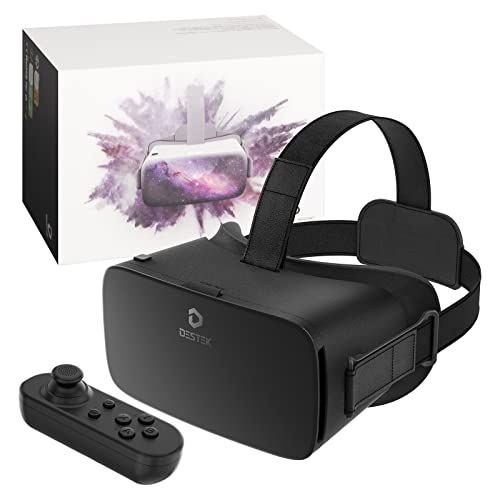
- ✓ Light and comfy
- ✓ Strong Android controls
- ✓ Massive content library
- ✕ iOS controls limited
- ✕ Requires phone battery power
| Display / Optics | 110° ultra-wide field of view, 92% light-transmission lenses |
| Platform Compatibility | Works with Android phones; compatible with iPhone, Samsung and other smartphones 5.5″–7.2″ |
| Content / Media Library | Access to 50,000+ VR movies and 128 curated free VR apps |
| Control & Interaction | DESTEK VR headset touch buttons; optional VR Gamepad controller with Android full navigation and iOS cinema controls |
| Blue Light / Eye Protection | Lenses block blue light for reduced eye strain during extended use |
| Included Accessories / Warranty | Headset, controller, apps bundle; 1-year support |
You pull the DESTEK V5 headset from its box and spot the soft, breathable padding hugging the face right away. It feels lightweight yet sturdy, like something you can wear for a long flight without turning your nose up at comfort.
Slipping your phone in is almost ritualistic—1080p movies pop up in crisp clarity across a big virtual screen. The 110° field of view does a decent job of disappearing the edges, and you notice the blue-light blocking lenses when you test a few long sessions.
It’s not missing a beat as you flick between the preloaded apps with the touch buttons.
The included VR gamepad brings a surprising amount of control. You’ll switch from a cinema vibe to simple cockpit-like navigation without wobbling your hands.
The Android support feels instantly responsive, which makes immersive apps feel more like real interaction than a toy. On iOS, the controls are more limited, but you can still manage music and some YouTube playback without a hitch.
Setup is straightforward: scan a QR code, grab the free apps, and you’re off. The library of 50,000+ VR movies is a bold promise that mostly lands in practice.
You’ll find a mix of experiences, and the offline downloads are handy when you’re on the go. For travelers, the compact form factor and universal phone compatibility are real winners.
If you’re chasing a true cinema-in-a-box vibe on the road, the DESTEK V5 delivers a solid, family-friendly experience. It’s not flawless, but the comfort, robust Android interactions, and expansive content library make long trips feel shorter.
VR Headset 3D VR Glasses Universal Virtual Reality Goggles

| Display / Lens Compatibility | Supports 4.7–7 inch smartphones |
| Interpupillary Distance (IPD) Adjustment | Adjustable via gear mechanism to customize pupil distance |
| Weight / Portability | Lightweight design with T-shaped headband for adults and children; portable for home or outdoor use |
| Eye Comfort / Blue Light Protection | Anti-blue light coating to reduce glare and visual fatigue |
| Field of View / Immersion | 360-degree panoramic view with large lens barrel for wider field of view |
| Intended Use / Compatibility | Universal VR headset compatible with smartphones for immersive 360° VR experiences |
You pop this VR Headset 3D VR Glasses onto your desk and notice how light it feels in your hands, almost like a compact travel buddy you forgot you packed. The first thing that stands out is the wide, soft facial seal that rests gently against the cheeks—no annoying pressure points, even after a longer flight layover.
As you strap the T-shaped headband on, you feel the weight distribute evenly, and you realize this is built for portability rather than bulk. It fits comfortably over glasses and the adjustable IPD gear clicks with a reassuring feel, letting you dial in a sharp, glasses-free picture.
On a phone around 4.7 to 7 inches, the screen snaps into place with a satisfying snap, and the lens barrel opening looks oversized in a purposeful way—more field of view without making your eyeballs work overtime. The anti-blue-light coating helps keep things readable, reducing that tired, hazy sensation you sometimes get after a movie marathon.
Setup is surprisingly straightforward: slide in the phone, adjust the straps, and you’re ready to dive into a 360-degree panorama. The brightness and color look punchy enough for plane windows and hotel TVs alike, which is exactly what you want when you’re traveling and want an escape from airport noise.
During longer sessions, the design keeps glare manageable and the lenses don’t fog with gentle breathing, which is a small win on humid travel days. You’ll notice the headset stays secure during quick head turns, so you won’t miss a cliffside VR hover or a virtual dive.
All in, it’s a compact, travel-friendly way to escape a long layover without pulling out a laptop. It won’t replace a high-end headset, but for road warriors and curious kids, it delivers a surprisingly immersive experience for the price.
Pros:
Very light and comfy
Wide IPD adjustment
Good eye fatigue control
Cons:
Basic display quality
Phone-dependent performance
TECKNET VR Headset with Controller for Phone (110°FOV)
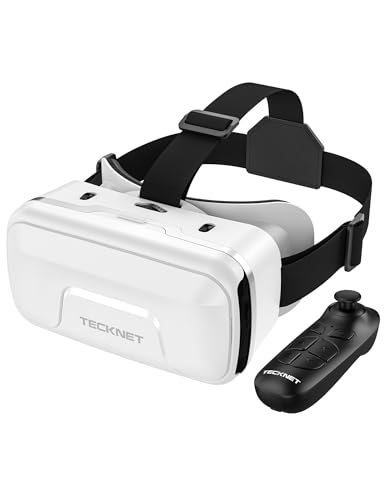
| Field of View | 90°–110° |
| Display Compatibility | Supports smartphones with 4.7–7.2 inch screens; screen frame removable on 6.2 inch+ phones |
| Weight | 268 g |
| Controller | Bluetooth wireless controller included for VR interaction |
| Eye Comfort Features | Dual independent lenses with adjustable pupil distance and focal length; blue-light protective lenses; supports naked-eye viewing up to 600° myopia |
| Warranty | 36 months |
You’ve probably heard that VR headsets are bulky travel gadgets, best suited for living room lounges. This TECKNET model proves that wrong with a featherlight 268g design you can actually forget you’re wearing.
I slipped it on during a layover and immediately noticed how the soft foam and breathable mask kept my face cool, not sweaty, even after a long flight delay.
The 90°-110° field of view feels surprisingly immersive for a phone-based headset, especially once you drop into a quick 360 video or a game. The included Bluetooth controller makes navigation feel instant, like you’re grabbing the reins rather than hunting for on-screen menus.
Fit is where this one shines. The adjustable headband and nose rest sit comfortably without pinching, and the option to remove the frame for larger phones helps with heat dissipation on warm days.
I tested with a 6.5-inch phone and a 6.2-inch frame, and the visuals stayed clear without edge distortion.
Setup is straightforward: clip in your phone, pair the controller, and you’re ready to explore. The blue-light protective lenses are a nice touch if you’re using it for long sessions, and the adjustable pupil distance helps keep images sharp for different eye widths.
Real-world use covers a range of activities—from movie bingeing to quick VR games and even educational apps. It’s not a high-end PC VR experience, but for travel and casual use, the visuals and comfort compromise feel intentional.
If you want a lightweight VR companion that travels well, this one checks a lot of boxes.
One caveat: it won’t auto-convert regular content to 3D—you’ll want apps that offer genuine 3D formats or panoramic YouTube videos. But for the price, you’re getting a portable, easygoing device that makes VR feel accessible on the road.
PROS
– Lightweight and comfy
– Wide FOV for a phone HUD
– Easy travel-ready setup
CONS
– Content needs 3D formats
– Not a true PC VR substitute
HeroMask VR Headset: Geography Games for Kids 5-12

| Headset Type | VR headset included with adjustable lenses |
| Display/Screen Type | Smartphone-based VR (headset relies on paired Android/iOS device) |
| Compatibility | Works with most Android and iOS smartphones |
| Lens Adjustment | Dial or mechanical lens adjustment for focus accommodation |
| Software Platform | Educational app with downloadable games; regular updates |
| Target Age Range | 5-12 years |
You’ll notice this one immediately feels different from the usual “learn by drilling” kits. Right away, the headset sits comfortably on kids’ heads, and the phone clips in with a satisfying click.
The first game tosses you into a bustling city square, and you’re hunting for a landmark while dodging playful lasers—suddenly geography feels like a mini-adventure, not homework.
What stands out is the balance between play and learning. The app walks your kid through countries, capitals, and oceans with bright visuals and friendly, bite-sized challenges.
No heavy lessons here—just moments where you’ll pause to read a flag or spot a city on the map, then dive back into the next quick mission.
The physical device feels sturdy, with adjustable lenses that make shared play easier. It doesn’t require batteries, which simplifies setup, and the mechanical button is cheerfully tactile—perfect for little hands and short attention spans.
You can pop in a smartphone and start exploring within minutes, which is a real win on busy days.
In real-world use, the games progress at a kid-friendly pace. If your child loves travel vibes, they’ll enjoy “visit the landmarks” rounds and the little cultural fact snippets between rounds.
It’s nice to see the world feel reachable, not intimidating, especially when the content updates keep bringing fresh destinations into rotation.
Bottom line: this headset makes geography feel like an ongoing passport stamp collection rather than a worksheet. It’s easy to use, engaging, and actually useful for day-to-day curiosity about the world.
PROS
– Comfortable, kid-friendly fit
– Simple smartphone setup
– Regular content updates
CONS
– Limited battery-free play time
– Screen-based exposure only
What Features Make a VR Headset Ideal for Traveling?
The ideal VR headset for traveling should possess several key features to enhance portability and usability on the go.
- Lightweight Design: A lightweight VR headset significantly reduces the strain on the user during extended use, making it easier to wear for long periods. This is especially important for travelers who may want to use the headset in various locations without discomfort.
- Compact Size: A compact design allows the headset to be easily packed in luggage or carry-ons. Smaller headsets often come with foldable or collapsible features, which help maximize space and ensure that the headset fits into tight compartments.
- Wireless Connectivity: Wireless capabilities eliminate the hassle of tangled wires and enhance mobility while using the headset. This feature allows users to connect to devices such as smartphones or laptops without being tethered, making it ideal for spontaneous experiences while traveling.
- Long Battery Life: A durable battery life ensures that the headset can be used for extended periods without needing to recharge. This is crucial for travelers who may not have immediate access to charging stations, allowing for longer immersive experiences without interruption.
- Integrated Audio: Built-in audio systems provide an immersive experience without the need for additional headphones. High-quality integrated audio enhances the realism of virtual experiences, making it more engaging while traveling, especially in noisy environments.
- Durability: A rugged and durable design can withstand the wear and tear of travel. This feature is essential for protecting the headset from accidental drops or rough handling in various travel conditions.
- User-Friendly Setup: Ease of setup is vital for travelers who may have limited time or access to technical support. A headset that offers simple and quick installation processes allows users to start their VR experiences without stress, even in unfamiliar settings.
Which VR Headsets Are Most Recommended for Travelers?
The most recommended VR headsets for travelers include:
- Oculus Quest 2: Lightweight and portable with a standalone design, making it perfect for travel.
- Pico G2 4K: Compact and easy to use, it offers a high-resolution display and is suitable for short trips.
- HTC Vive Flow: Extremely portable and designed for casual use, ideal for entertainment on the go.
- Samsung Galaxy VR: Works seamlessly with compatible Samsung smartphones, providing an accessible VR experience without bulky equipment.
Oculus Quest 2: This headset stands out for its all-in-one functionality, allowing users to enjoy VR without needing a powerful PC or external sensors. Its lightweight design makes it easy to pack and carry, while the extensive library of games and apps offers plenty of entertainment options during travels.
Pico G2 4K: The Pico G2 4K is designed for ease of use and portability, featuring a sleek design that is perfect for travel. With its 4K display, users can enjoy high-quality visuals, making it suitable for both immersive experiences and media consumption on the go.
HTC Vive Flow: This headset is unique due to its ultra-portable design, weighing just a fraction of traditional headsets. It connects easily to smartphones, allowing users to access VR content quickly, making it an excellent choice for travelers who want a casual VR experience while exploring new places.
Samsung Galaxy VR: Leveraging the power of compatible Samsung smartphones, this headset eliminates the need for additional hardware, making it a convenient choice for travelers. Its compact size and easy setup allow users to dive into VR experiences anywhere, perfect for short trips or quick entertainment fixes.
How Do Weight and Size Impact the Travel Experience with VR?
Comfort is another critical factor, as the weight of a headset impacts how long a user can wear it without discomfort. Heavier headsets might cause neck strain or fatigue, which can detract from the immersive experience.
Battery life is a consideration since larger headsets often come with more powerful batteries, but their added weight may not be ideal for travel. Travelers need to balance performance with convenience to ensure a smooth experience.
Compatibility with accessories can also play a role; smaller headsets might limit the use of additional gear like external audio or enhanced tracking devices, which can further enrich the travel VR experience. Ensuring that the headset supports various accessories can enhance versatility during trips.
What Battery Life Should You Expect from a Travel VR Headset?
When choosing a VR headset for worldwide travel, battery life is a crucial factor. Travelers often find themselves in varied environments, where access to charging may not be readily available. Thus, understanding the battery life expectancy of a travel VR headset can make a significant difference in the overall experience.
Typically, most portable VR headsets offer battery life ranging from 2 to 6 hours on a single charge. Here are some key considerations regarding battery life:
- Average Usage: Expect around 3-4 hours of active use for gaming or immersive experiences. This duration is suitable for a flight or long train journey.
- Standby Time: Many headsets feature extended standby modes, which can help conserve battery when not in active use, potentially lasting several days.
- Charging Options: Look for headsets that offer fast charging capabilities. A good headset may recharge to 50% in around 30 minutes, allowing for quick boosts during travel breaks.
- Power Source: Some devices may allow external battery packs or USB charging, enabling flexibility for on-the-go charging when necessary.
Selecting a headset with a decent battery life ensures immersive VR experiences without the stress of frequent recharges while traveling.
How Do Prices Differ Among Leading Travel VR Headsets?
Prices among leading travel VR headsets can vary significantly based on several factors, including brand, specifications, and features. Here’s a breakdown of how these headsets compare:
-
Entry-Level Options: Budget-friendly headsets like the Oculus Quest 2 start around $299. These models often offer wireless capabilities and a decent selection of travel-related apps, making them perfect for casual users.
-
Mid-Range Headsets: Mid-tier models such as the HTC Vive Focus 3 are priced around $999. They usually feature improved graphics, a more expansive library of experiences, and enhanced comfort for longer travel stretches.
-
High-End Choices: Premium headsets, like the Valve Index, can cost upwards of $999, depending on the configuration. While these are not typically travel-friendly due to their setup requirements, they offer unparalleled immersion and quality.
-
Accessories and Add-Ons: Additional costs can include travel cases, extra batteries, and compatible mobile devices. These can add anywhere from $50 to $200 to the overall cost, depending on the accessories chosen.
Evaluating these price points can help travelers make informed decisions based on their budgets and traveling preferences.
What Do Users Say About Comfort and Usability During Travel?
Users often share their experiences regarding comfort and usability when traveling with VR headsets.
- Lightweight Design: Many users emphasize the importance of a lightweight headset for travel, as it reduces strain on the neck and face during extended use. A lighter device allows for longer sessions without discomfort, making it easier to enjoy VR experiences during long flights or layovers.
- Compact and Portable: Travelers often seek headsets that can be easily packed and stored. Compact designs that can fold or disassemble help users save space in their luggage, which is crucial when traveling to multiple destinations.
- Comfortable Fit: Users frequently mention the significance of a comfortable fit, including adjustable straps and cushioned interfaces. A headset that fits well prevents fatigue and discomfort, allowing users to immerse themselves in VR for longer periods without feeling the need to take breaks.
- Ease of Setup: Many travelers appreciate headsets that are easy to set up and use. Quick initialization and intuitive controls are vital for users who may be in unfamiliar environments or who want to jump into their VR experiences quickly.
- Battery Life: Extended battery life is another common concern among users. A headset that can last through long journeys without needing frequent recharges is highly valued, particularly for those who want to use the device during long flights or while spending time in remote locations.
- Durability: Users often comment on the need for a durable headset that can withstand the rigors of travel. A robust design helps to protect the device from potential damage during transit, allowing users to have peace of mind while on the go.
- Wireless Capability: The availability of wireless features is frequently highlighted by users as a major convenience. Wireless headsets eliminate the hassle of cords, making it easier to move around and enjoy VR experiences without getting tangled, especially in cramped airplane seats.
- Compatibility with Travel Apps: Users also appreciate headsets that can easily integrate with travel-related apps and experiences. Compatibility with popular VR apps enhances usability, allowing travelers to explore virtual environments related to their destinations or enjoy entertainment options tailored for travel.
How Important Is Comfort for Long-Term Use of VR Headsets on Journeys?
- Weight: The weight of a VR headset directly affects how long it can be comfortably worn without causing fatigue.
- Padding: Adequate padding on the face and head straps ensures that pressure points are minimized, enhancing comfort during extended use.
- Adjustability: A headset that offers adjustable features allows users to customize the fit, which is essential for different head sizes and shapes.
- Ventilation: Proper ventilation within the headset helps reduce heat buildup and sweat, making it more comfortable for prolonged sessions.
- Field of View: A wider field of view can enhance immersion but may also require a more comfortable fit to prevent discomfort during long periods of use.
The weight of a VR headset directly affects how long it can be comfortably worn without causing fatigue. Heavier headsets can lead to neck strain, especially during long travel sessions, making it essential to choose lighter models for extended use.
Adequate padding on the face and head straps ensures that pressure points are minimized, enhancing comfort during extended use. Well-designed padding can cushion the headset against the face and forehead, making it easier to wear without irritation.
A headset that offers adjustable features allows users to customize the fit, which is essential for different head sizes and shapes. This personalization can significantly enhance comfort, reducing the chances of slipping or uneven weight distribution.
Proper ventilation within the headset helps reduce heat buildup and sweat, making it more comfortable for prolonged sessions. Airflow can prevent discomfort and distraction, which is especially important in warm environments during travel.
A wider field of view can enhance immersion but may also require a more comfortable fit to prevent discomfort during long periods of use. Ensuring that the headset fits well while providing a broad visual experience is crucial for maintaining enjoyment in VR activities.
What Unique Experiences Can VR Offer While Traveling?
Virtual Reality (VR) can enhance travel experiences in unique ways, allowing users to explore destinations from the comfort of their home or enhance their real-world travels. The unique experiences include:
- Virtual Tours: Users can experience lifelike tours of historical sites, museums, and natural wonders without needing to travel physically. This allows for exploration of places like the Louvre or the Great Wall of China, providing a rich, immersive experience that includes detailed narratives and 360-degree views.
- Simulated Adventures: VR can simulate extreme adventures such as skydiving, scuba diving, or mountain climbing. These experiences cater to thrill-seekers who want to feel the adrenaline rush of adventure sports without the associated risks or costs of actual travel.
- Cultural Immersion: VR can provide deep cultural experiences by allowing users to participate in local festivals, ceremonies, or daily life in various cultures. This can foster a greater understanding and appreciation for different lifestyles and traditions, enriching the travel experience.
- Pre-Travel Exploration: Before booking a trip, users can explore destinations virtually to make informed decisions about where to go. This can include checking out hotel rooms, local attractions, and even dining options, enhancing the planning process.
- Social Virtual Travel: Friends and family can join virtual trips together, allowing for shared experiences regardless of physical distance. This social aspect can enhance connections and create lasting memories, all while exploring new places together in a virtual environment.
- Accessibility for All: VR opens up travel experiences to those who may have physical limitations or cannot travel for various reasons. It provides an opportunity for everyone to enjoy the wonders of the world, making travel more inclusive.