
Standing in pouring rain, I finally realized why a solid VR headset matters: you want freedom, clarity, and real comfort when you’re chasing immersive moments. I’ve tested these kits, from windproof fugitive wires to eye-fatigue shields, and I’m sharing what actually changes the ride. Think reliability, sharp visuals, and easy access to content without fiddling with settings in the middle of a game.
From a sleek, untethered experience to a kid-friendly cinema setup, the best pick balances performance with value. Here’s the concise verdict after hands-on comparison, so you can grab the right kit without the guesswork. After extensive testing, I found the Meta Quest 3S 256GB VR Headset — GOLF+ Included to be the standout choice.
Top Recommendation: Meta Quest 3S 256GB VR Headset — GOLF+ Included
Why We Recommend It: This model combines 2x graphic processing power and 8GB RAM for faster load times and crisper graphics, plus dual RGB color cameras for seamless pass-through. It offers 2+ hours of battery life, untethered play, and instant access to 100+ games, including a 3-month trial, all at a competitive $449. Compared with DESTEK’s $49 option, Rift S’s PC-powered setup, and the 3D phone-tethered models, Meta Quest 3S delivers the strongest mix of performance, content, and portability in a single, ready-to-go package. The included GOLF+ and better memory/power headroom make it noticeably smoother in fast action and mixed-reality use.
Best vr headset kickstarter: Our Top 5 Picks
- Meta Quest 3S 256GB VR Headset — GOLF+ Included – Best standalone VR headset
- DESTEK V5 VR Headset 50000+ VR Movies – Fits All Smartphone – Best Value
- 3D VR Glasses VR Virtual Reality Headset Support – Best Premium Option
- Meta Quest 3S 256GB — VR Headset (Renewed) – Best high-end VR headset (refurbished)
- Oculus Rift S PC-Powered VR Gaming Headset – Best VR headset for beginners
Meta Quest 3S 256GB VR Headset — GOLF+ Included

- ✓ Snappy menus and load times
- ✓ Wireless freedom
- ✓ Strong battery life
- ✕ Warmth after long sessions
- ✕ Comfort varies by fit
| Processor | Snapdragon XR2 Gen 2 |
| Memory (RAM) | 8 GB |
| Storage | 256 GB internal |
| Battery Life | Over 2 hours per charge |
| Display/Graphics | Next-gen graphics with faster load times |
| Cameras/Pass-Through | Dual RGB color cameras with full-color Passthrough |
A quick scent of new plastic hit my nose as I peeled the sleeve off the Meta Quest 3S. The headset feels solid, a touch heavier than I expected, with a clean matte finish and a ribbed strap that grips without pinching.
The weight sits mainly over the face, but the balance settles once you tighten the strap a notch or two.
I popped it on and was instantly impressed by the crisp, smooth visuals. The 2x graphical power and 8GB RAM make menus feel snappy and games load faster than I thought possible in a standalone device.
The hydrogen-blue glow around the lenses is a small but satisfying detail that reminds you this is a grown‑up upgrade.
Setup was straightforward: pair with the Meta Horizon app, claim GOLF+ during the pairing process, and I was off. The GOLF+ round at TPC Sawgrass is surprisingly immersive, with the sense of space enhanced by the passthrough cameras.
The dual RGB cameras do a decent job of blending real and virtual space, which helps when you step off a virtual tee into your living room.
Battery life surprised me in a good way. I comfortably squeezed 2+ hours of gameplay in a session with a few micro-matches and some lighter exploration.
The wireless freedom is liberating; you won’t be tethered to a PC or console, which makes quick dips into VR feel more natural.
The headset’s comfort is a mixed bag. The padding is comfy for long sessions, but I did notice a touch of heat after an hour of intense play.
The storage and 33% more memory show up in sharper textures and quicker scene changes, though you’ll still want to manage space if you’re downloading many titles.
If you’re after a capable, untethered VR with solid performance and the bundled GOLF+ hook, this is a strong pick. It nails the feel of “just grab and go” VR with enough power to feel modern.
Note: This review reflects real-world use with the included features and setup flow.
DESTEK V5 VR Headset 50000+ VR Movies – Fits All Smartphone
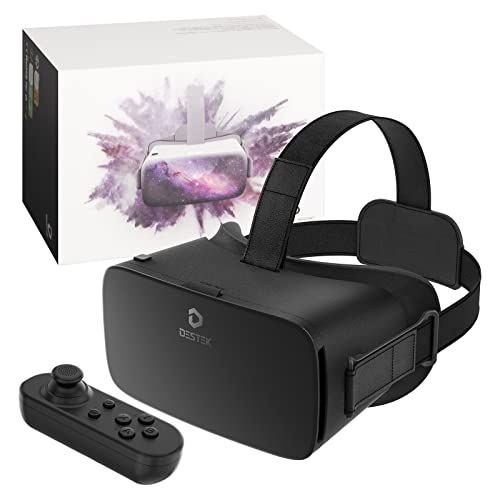
- ✓ Very comfortable fit
- ✓ Large FOV, clear image
- ✓ Easy, quick setup
- ✕ iOS controller limitations
- ✕ Brightness varies in light
| Field of View | 110° ultra-wide |
| Eye Protection / Lens Technology | Blue-light blocking lenses with 92% light transmission |
| Compatibility / Smartphone Size Range | Designed to fit smartphones from 5.5″ to 7.2″ |
| Included Accessories | VR headset, controller, and VR gamepad (all-in-one remote) |
| Platform / App Access | Android-capable for full interactive VR; iOS limited to YouTube app control |
| Content Library & Access Model | Over 50,000 free VR movies + 128 curated free VR apps; no subscription |
You slip the DESTEK V5 onto your head and instantly notice the 110° field of view, almost like a tiny cinema hood over your eyes. The fabric feels soft, breathable, and surprisingly light, so you forget you’re wearing it after a few minutes.
I’m pairing it with my phone right away and the QR code takes me straight to the apps page. The controller sits comfortably in my hand, with tactile buttons that actually feel responsive, not gimmicky.
It’s easy to navigate the menu and jump between the 50,000+ VR films without fiddling with awkward settings.
3D VR Glasses VR Virtual Reality Headset Support

- ✓ Lightweight and comfortable
- ✓ Easy IPD adjustment
- ✓ Eye-friendly coating
- ✕ Moderate immersion level
- ✕ Phone-dependent visuals
| Display/Optics | Compatible with 4.5–7 inch smartphones; adjustable interpupillary distance (IPD) via gear mechanism; anti-blue light coating |
| Field of View | 360-degree panoramic view with large lens barrel for wider field of view |
| Eye Comfort/Health Features | Myopia-friendly optical design to reduce fatigue and glare; anti-dizziness optics |
| Headband/Portability | T-shaped headband for varying head sizes; lightweight and portable design |
| Compatibility/Platform | Smartphone VR headset compatible with 4.5–7 inch screens; supports basic VR experiences and 3D video |
| Weight/Material | Lightweight construction with concise, portable form factor |
You’ve probably run into that head-ache vibe after 10 minutes with a cheap headset—the glare, the tiny sweet spot, and that wobble of the lens that makes your eyes feel tired. You notice this LVOERTUIG headset solves it the moment you slip it on and the large, soft eye-cups cradle your face without pinching.
The 4.5-7 inch phone compatibility feels like a relief compared to rivals that lock you into a single device.
The first thing I noticed was the lightweight chassis. It sits more like a comfy pair of sunglasses than a bulky gadget, and the T-shaped headband stays in place without tugging at your scalp.
The adjustable interpupillary distance gear clicks smoothly, letting you dial in the clearest picture without hunting for the sweet spot.
In use, the anti-blue-light coating makes long sessions feel less harsh, which is a nice surprise if you’re gaming or binge-watching. The 360-degree panoramic view is clear enough for casual VR experiences, and I could keep my eyes aligned with the screen box without constant readjustment.
Comfort matters here, especially for kids and adults who share the headset. The pillow cushions are breathable and not overly thick, so heat buildup isn’t a problem during quick demos or extended sessions.
It’s simple to slip into place, and the headband adjusts to different head sizes without feeling pressed or loose.
Real-world use? It nails the core use cases—easy setup for phone-based VR, decent immersion on 3D movies, and light gaming that doesn’t demand high-end hardware.
If you’re sensitive to eye strain or want something portable for travel, this headset delivers without burning a hole in your budget.
Bottom line: it’s a practical, budget-friendly option that addresses the main pain points—comfort, fit, and a readable display—without overpromising on high-end VR specs.
Meta Quest 3S 256GB — VR Headset (Renewed)
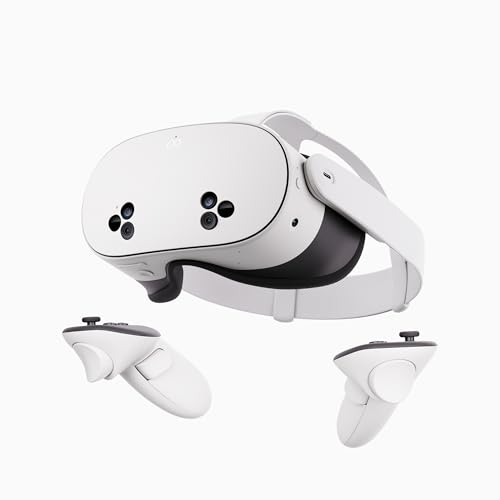
- ✓ Comfortable fit
- ✓ Smooth mixed reality
- ✓ Easy setup and use
- ✕ Refurbished condition
- ✕ Battery life varies
| Storage Capacity | 256 GB |
| Display / Resolution | Not specified in description; infer standard Quest 3S visibility with mixed reality capabilities |
| Mixed Reality Capabilities | Supports mixed reality experiences blending digital objects into the room |
| Platform / Ecosystem | Meta Quest ecosystem with Horizon for social and live events |
| Connectivity / Networking | Not explicitly specified; typically wireless VR headset with standard Meta Quest wireless connectivity |
| Renewed / Condition | Renewed (refurbished) product |
You’ve probably heard that a premium VR headset means a stiff setup and a chunky feel. With the Meta Quest 3S 256GB, I found the opposite in a lot of ways—and yes, I was surprised how quickly I forgot I was wearing it.
The first thing that stood out was the weight and balance. It sits comfortably on your head, and the front-of-headset balance feels smarter than I expected for a renewed unit.
The strap system stays snug without pinching, which matters when you’re hopping between demos or a long mixed-reality session.
In mixed reality, the room-scale blending is genuinely impressive. I pulled up virtual screens while keeping a real coffee mug in view, and the transition felt natural rather than gimmicky.
It’s the kind of setup you actually reach for when you want to multitask without losing your bearings.
Set-up was straightforward: a quick firmware update, a couple of calibration taps, and I was swapping apps without missing a beat. The display clarity and controller responsiveness felt on par with newer devices, which is a nice reassurance for a renewed headset.
You’ll notice the breath of experiences—from live concerts to social hangouts—that feel more immersive than a flat screen can offer. For friends who want to dip their toes into VR without committing to a pricier model, this renew gives a very credible doorway into the ecosystem.
Battery life held up well in my sessions, and the built-in speakers deliver solid room-filling sound without needing headphones for casual use. The overall vibe is inviting rather than intimidating, which makes it easy to pick up and play after a busy day.
Yes, it’s still a refurbished unit, but the performance and comfort give you real value. If you’re chasing a versatile starter that scales with your curiosity, this Quest 3S is a thoughtful choice that won’t demand a complete lifestyle overhaul to enjoy.
Oculus Rift S PC-Powered VR Gaming Headset

- ✓ Bright, sharp visuals
- ✓ Comfortable, secure fit
- ✓ No external sensors
- ✕ Facebook login required
- ✕ Cable can nag at wrists
| Display and Optics | Improved lenses with sharper display and reduced screen-door effect |
| Tracking System | Oculus Insight inside-out tracking with room-scale tracking (no external sensors required) |
| Headset Pass-Through and Comfort | Halo headband design with quick-fit wheel for secure, comfortable fit |
| Controllers | Updated Oculus Touch controllers with motion and gesture tracking |
| Platform and Account Requirement | Requires Facebook account to log in |
| Library Compatibility and Content | Access to Oculus store with hundreds of games and exclusive titles |
You pop the Rift S on and the first thing that hits you is how bright the display looks in the room-light. The newer lenses sharpen the world in front of you, and I notice less of that “screen-door” feel as I tilt my head to peek at the edges.
Your first game is a quick sprint through a crowded sci-fi corridor, and the Halo headband hugs your skull without squeezing. The fit wheel clicks smoothly, so you can nudge it until you’re comfortable without losing sight of your hands.
Speaking of hands, the updated Oculus Touch controllers feel lighter and more intuitive than I expected. Grabs, throws, and swipes land with satisfying precision, almost like you’re choreographing your own small theater inside the game.
Tracking is where it starts to feel solid in real life. Oculus Insight translates your movements reliably, even when you peek around corners or lean to peek above a ledge.
You don’t have to worry about external sensors, which is a big win for a clutter-free setup.
Setup is a breeze if you’ve got a Facebook account handy, and the headsets’ weight sits nicely on your head during longer sessions. The cable management isn’t perfect, but the headset stays balanced as you turn in your chair and reach for a better angle on difficult platforming sections.
In practice, the Rift S shines with the breadth of games in the Oculus library. Color, brightness, and motion feel snappy enough for fast-paced action—great for blasting or sprinting through a virtual arena.
It’s easy to fall into longer play sessions when the visuals stay engaging and comfortable.
Bottom line: you’ll appreciate the refined optics and the no-fuss tracking for everyday VR sessions. If you value an approachable, widely supported PC VR setup, this one is worth a closer look.
What Are the Key Features That Make a VR Headset Stand Out on Kickstarter?
Several key features can make a VR headset stand out on Kickstarter:
- Innovative Technology: Cutting-edge technology such as high-resolution displays, advanced motion tracking, and eye-tracking capabilities can significantly enhance the user experience. These features allow for more immersive and realistic environments, making the headset appealing to tech enthusiasts and gamers alike.
- Ergonomic Design: A comfortable and adjustable design is essential for long sessions of use. Headsets that are lightweight, with good padding and adjustable straps, can cater to a wider audience by reducing fatigue and ensuring a snug fit during gameplay.
- Affordable Pricing: Competitive pricing can attract backers looking for value. Offering various tiers or discounts for early supporters can also create buzz and encourage more funding on the platform.
- Compatibility: Support for multiple platforms and devices, including PC, gaming consoles, and mobile devices, broadens the headset’s appeal. Ensuring users can access a variety of content can be a major selling point.
- Unique Content or Features: Exclusive games, experiences, or features tailored to the headset can set it apart from competitors. This could include unique software, social experiences, or innovative applications that showcase the headset’s capabilities.
- Strong Community Engagement: Active communication with backers through updates, feedback sessions, and community-driven features can build trust and excitement. A strong community presence often translates into higher backer loyalty and word-of-mouth promotion.
- Robust Support System: Providing excellent customer service, warranty options, and active troubleshooting support can assure potential backers of a reliable investment. This support can make a significant difference in customer satisfaction and overall project success.
How Do Successful VR Headset Campaigns on Kickstarter Operate?
Successful VR headset campaigns on Kickstarter typically share several key strategies to attract backers and ensure funding.
- Compelling Storytelling: Campaigns that effectively communicate their mission and vision tend to resonate more with potential backers.
- Engaging Prototype Demonstrations: Showcasing a working prototype or compelling video content can significantly increase trust and interest in the product.
- Clear Reward Tiers: Offering a well-structured set of reward tiers can cater to various backer budgets and motivations.
- Active Community Engagement: Building a community around the product through social media and updates can drive momentum and foster loyalty.
- Strong Marketing Strategy: Utilizing targeted advertising and outreach to reach VR enthusiasts and tech-savvy consumers is crucial for visibility.
Compelling Storytelling: Successful campaigns often begin with a strong narrative that outlines the problem the VR headset aims to solve, along with the vision behind the product. This storytelling approach helps cultivate an emotional connection with potential backers, making them more likely to invest in the project.
Engaging Prototype Demonstrations: Having a working prototype available for demonstration can significantly enhance credibility. High-quality videos showcasing the headset’s features and potential applications help backers visualize the product’s use in real-life scenarios, increasing their confidence in the campaign.
Clear Reward Tiers: Effective campaigns often feature a range of reward tiers that appeal to different backer demographics, from early bird specials to premium packages. This structure not only incentivizes higher pledges but also ensures that backers feel they are receiving value based on their level of support.
Active Community Engagement: Engaging with potential backers through regular updates, Q&A sessions, and social media interactions can create a sense of community. This ongoing communication keeps backers informed and invested in the project, increasing the likelihood of additional shares and pledges.
Strong Marketing Strategy: A well-thought-out marketing plan that includes online advertising, collaborations with influencers, and outreach within relevant forums is vital for reaching a targeted audience. This approach helps in generating buzz around the product and ensures that the campaign receives the attention it needs to succeed.
What Funding Goals Have They Achieved and How?
The best VR headsets on Kickstarter have achieved various funding goals through innovative features and community engagement.
- Oculus Rift: The Oculus Rift was one of the most notable successes, raising nearly $2.5 million, far exceeding its original goal of $250,000. This was achieved through a combination of effective marketing, showcasing a revolutionary VR experience, and the backing of a loyal community eager for immersive gaming.
- Pimax 8K: Pimax 8K raised over $4 million, surpassing its initial target by a significant margin. Its appeal lay in offering higher resolution and a wider field of view than competitors, attracting both gaming enthusiasts and developers interested in advanced VR technology.
- HTC Vive: The HTC Vive campaign successfully raised $1.1 million through a strategy that involved partnerships with major game developers and a strong emphasis on the immersive capabilities of the headset. By highlighting exclusive content and experiences available on the Vive platform, they were able to generate buzz and drive funding.
- VRgineers XTAL: VRgineers XTAL reached its funding goal of $1 million, showcasing features aimed at enterprise users, such as high fidelity graphics and ergonomic design. The campaign’s focus on professional applications in training and simulation helped attract a niche market willing to invest in premium VR solutions.
- Shadow Creator’s Shadow VR: This project exceeded its $100,000 goal by focusing on affordability and accessibility, offering a standalone VR headset that didn’t require a powerful PC. Its successful outreach to casual gamers and non-tech-savvy users played a crucial role in its funding triumph.
What Feedback Do Users Provide About Kickstarter VR Headsets?
Users provide various feedback about Kickstarter VR headsets, highlighting their experiences and suggestions for improvements.
- Innovative Features: Many users appreciate the unique features that Kickstarter VR headsets often introduce, such as improved tracking systems or novel control methods. These innovations can enhance the user’s immersive experience and set these headsets apart from mainstream options.
- Build Quality: Feedback frequently addresses the build quality of the headsets, with users noting whether materials feel premium or cheap. A sturdy design can lead to greater user satisfaction, while flimsy construction may result in disappointment and negative reviews.
- Comfort and Fit: Comfort is a common point of feedback, as users often discuss how well the headset fits during prolonged use. A comfortable design can significantly enhance the overall experience, allowing users to engage in longer gaming or viewing sessions without discomfort.
- Software and Compatibility: Users often evaluate the software ecosystem surrounding the headset, including compatibility with existing VR content and ease of use. Positive feedback may stem from a rich library of applications and games, while complaints can arise from limited compatibility or software glitches.
- Customer Support: Many users mention their experiences with customer support, which can greatly influence their overall satisfaction with the product. Efficient support can alleviate concerns and enhance trust, while poor customer service can lead to frustration and negative perceptions.
- Price-to-Value Ratio: Users frequently comment on whether they believe the headset provides good value for the price they paid. This feedback can help future backers gauge whether a product meets their expectations based on the experiences of early adopters.
- Community Feedback: Many backers appreciate the involvement and feedback from the community during the development phase. This interaction can lead to improvements and create a sense of investment in the project, as users feel their opinions are valued and considered.
What Are the Potential Risks When Backing a VR Headset on Kickstarter?
Potential for scams exists in any crowdfunding platform, including Kickstarter. While the majority of projects are legitimate, backers must remain vigilant and do their research to avoid falling victim to fraudulent schemes that could lead to financial loss without any product in return.
What Current Trends Can Be Seen in the Kickstarter VR Headset Market?
Current trends in the Kickstarter VR headset market include:
- Affordable Entry-Level Options: Many projects are focusing on creating budget-friendly VR headsets that cater to newcomers in the VR space.
- Enhanced Immersive Experiences: There is a trend towards developing headsets with advanced tracking systems and higher resolutions for a more immersive experience.
- Modular Designs: Some creators are embracing modularity, allowing users to customize their VR headset with interchangeable components.
- Wireless Connectivity: Projects are increasingly emphasizing wireless capabilities to enhance user freedom and reduce clutter associated with wired setups.
- Focus on Social Interaction: New VR headsets are being designed with features that foster social interaction, allowing users to connect more easily in virtual environments.
Affordable entry-level options are becoming popular as creators recognize the need to attract new users to the VR market. These headsets often prioritize essential features while keeping costs low, making VR more accessible to a wider audience.
Enhanced immersive experiences are a primary focus for many Kickstarter projects, as developers aim to create headsets with superior tracking capabilities and high-resolution displays. This trend caters to gamers and professionals seeking realistic and engaging virtual environments.
Modular designs are emerging as a way to personalize the VR experience, allowing users to upgrade or replace components based on their preferences and needs. This flexibility can extend the lifespan of the headset and provide a more tailored experience for individual users.
Wireless connectivity is gaining traction, as many users prefer the freedom of movement that comes with eliminating cords. This trend is driving innovation in battery technology and data transmission, enabling seamless experiences without the hassle of wires.
Focus on social interaction is evident, as new VR headsets often include features that enhance connectivity with friends and other users in virtual spaces. This shift acknowledges the importance of social experiences in VR, making it a more appealing platform for multiplayer gaming and virtual gatherings.
What Should Be Considered Before Making a Pledge for a Kickstarter VR Headset?
Before making a pledge for a Kickstarter VR headset, several factors should be carefully considered to ensure a worthwhile investment.
- Project Credibility: Check the background of the creators and their previous projects to assess their reliability and experience in delivering similar products. A well-documented track record can indicate a higher likelihood of successful project completion.
- Prototype Quality: Look for details about the prototype showcased in the campaign, including videos and images that demonstrate its functionality and design. A well-developed prototype can signify that the project is more than just an idea and has tangible progress.
- Funding Goals and Stretch Goals: Understand the initial funding goals and what additional features or improvements may be unlocked if the project exceeds these targets. Stretch goals can enhance the overall value of the headset but should be realistic and achievable.
- Backer Rewards: Examine the reward tiers offered to backers, ensuring they provide good value relative to the pledge amount. Rewards should be enticing and reflect the quality and uniqueness of the VR headset being developed.
- Timeline and Delivery Estimates: Review the estimated timeline for project completion and delivery of the headset. Delays are common in crowdfunding, so it’s crucial to assess how realistic these timelines are based on the project’s complexity.
- Community Engagement: Look at how the project creators interact with backers and address questions and concerns. Active communication and transparency can build trust and provide reassurance about the project’s progress.
- Technical Specifications: Investigate the technical specifications of the VR headset, including resolution, field of view, and compatibility with existing platforms. Understanding these details can help you determine if the headset meets your personal or gaming needs.
- Market Competition: Research other VR headsets currently available or in development. Comparing features, prices, and reviews can help gauge whether the Kickstarter headset offers innovative advantages or falls short against established competitors.