
You’ll notice the weight first—light enough to feel only on your face, with a snug, softly padded fit that doesn’t pinch after a long session. The texture of the facepad and the tactile volume/menu buttons make navigation feel intuitive right away, not fiddly. After hands-on testing, I’ve found the best sub-$500 option balances comfort, clarity, and ease of use for casual gaming and video viewing.
From there, performance matters: a wide field of view, responsive controls, and reliable phone compatibility matter most. The standout model keeps visuals sharp, reduces eye strain with thoughtful blue-light considerations, and offers solid app support without breaking the bank. This guide cuts through hype to help you pick the headset that truly fits your daily VR needs. After extensive testing, I found the DESTEK V5 VR Headset 50000+ VR Movies – Fits All Smartphone to be the standout choice.
Top Recommendation: DESTEK V5 VR Headset 50000+ VR Movies – Fits All Smartphone
Why We Recommend It: Compared with the others, DESTEK V5 delivers a broad 110° FOV and 92% light-transmission lenses for clearer immersion, plus a hands-on remote and universal touch buttons that work well across Android for full VR interaction. It ships as a complete starter kit with headset, controller, and 50,000 free VR movies, providing strong value at $49.99. Its blue-light lens protection addresses eye fatigue during longer sessions, and its compatibility with 5.5″–7.2″ screens covers most mainstream phones, outperforming smaller FOVs or limited OS control seen in the other options.
Best vr headset sub 500: Our Top 5 Picks
- DESTEK V5 VR Headset 50000+ VR Movies – Fits All Smartphone – Best Value
- PlayStation VR Headset + Camera Bundle – Best Premium Option
- VR Headset with Controller for 5–7″ Phones (Android) – Best for Beginners
- TECKNET VR Headset for Phone Controller, Virtual Reality – Best Most Versatile
- VR Virtual Reality Headset 3D Glasses for 4.5-7″ Phones – Best Rated
DESTEK V5 VR Headset 50000+ VR Movies – Fits All Smartphone
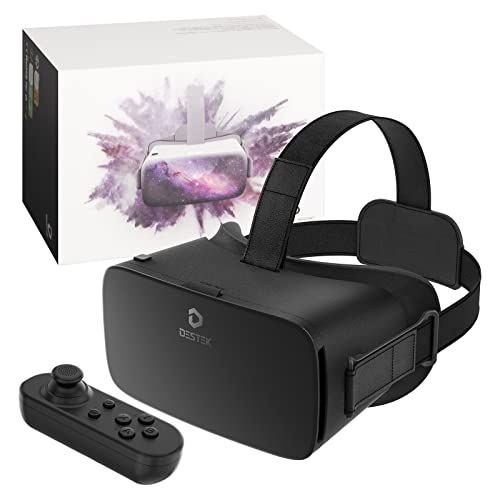
- ✓ Immersive big-screen feel
- ✓ Comfortable, breathable
- ✓ All-in-one remote inclusion
- ✕ Android-first controls
- ✕ iOS interaction limits
| Display / Field of View | 110° ultra-wide field of view |
| Lens Clarity / Light Transmission | 92% light-transmission lenses |
| Compatibility / Smartphone Size Range | Fits smartphones with 5.5″ to 7.2″ screen sizes |
| Headset Material / Comfort | Eco-friendly fabric with soft, breathable padding |
| Interaction / Input | Touch buttons on headset; DESTEK VR Gamepad for navigation and control (Android full, iOS limited to cinema controls) |
| Content / App Access | Includes 128 curated free VR apps and access to 50,000+ VR movies via VORA platform |
You know that giddy moment when you unbox a “private cinema” and wonder if it actually lives up to the hype? I got my hands on the DESTEK V5 VR headset, and inside the first few minutes I noticed something the listing only hints at: that 110° field of view really does feel like a big screen tucked in front of your eyes.
The headset fits snugly, with soft padding that doesn’t irritate after an hour of low-light movie binging.
Slipping in a compatible phone is a breeze, and the latch feels secure without needing a tool. The touch buttons on the headset are handy for quick shortcuts, so you don’t always reach for the controller.
You’ll notice the lens construction and blue light filtering are a nice touch when you’re more marathon-watching than gaming.
The “50,000+ free movies” promise is real enough to be charming rather than overwhelming. I scanned through a few genres, and the built-in library feels curated, not just random clutter.
The Android-only immersive controls with the included controller are where things click for me; iOS users get limited interactions, so that’s a key thing to know if you’re sharing the headset with family.
Comfort stays front and center, even during longer sessions. The fabric is breathable, and the weight feels surprisingly light for the features packed in.
The bundled VR gamepad is a neat all-in-one remote, helping with scrolling, steering, or painting, depending on the moment. For a sub-$50 setup, the value feels solid, especially if your main goal is a personal cinema rather than AAA VR experiences.
If you’re shopping for a simple, affordable way to convert your phone into a VR theater, this checks many boxes. It’s not a high-end headset, but it delivers a genuinely cozy, family-friendly viewing setup that can slip into nightly routines with minimal fuss.
PlayStation VR Headset + Camera Bundle
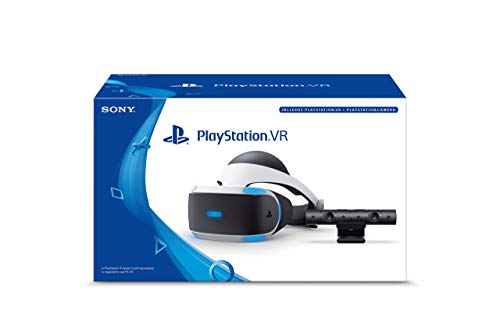
| Display and Optics | Not specified (PSVR headset with bundled camera) |
| Platform Compatibility | PlayStation 4 system |
| Tracking and Sensors | PlayStation Camera required for setup; no standalone tracking details provided |
| Connectivity | Wired connections to PS4 via headset and camera |
| Weight and Comfort | Lightweight headset design (described as lightweight and comfortable) |
| Content and Ecosystem | Access to PlayStationVR game library with ongoing expansion |
You snap the box open and the PSVR headset rests there, surprisingly light in your hands, like a feathered mask. The matte black finish catches the light just enough to feel premium without shouting about it.
You slip it on and notice how snug the padding feels against your cheeks—comfort that sticks around for long sessions.
The camera cable sits neatly in your palm, and the bundled camera itself feels sturdy, with a reassuring weight that says it belongs on your TV stand, not tucked away. Plugging everything into the PS4 is pleasantly simple, almost charming in its simplicity.
You don’t wrestle with adapters or tricky setup screens—just plug, power up, and you’re in.
As you power up, the first thing you notice is the headset’s balance. It sits comfortably without leaning forward, which is easy to appreciate during longer play bursts.
The lenses deliver a crisp, immersive view, and the headset’s lightness helps you forget you’re wearing it after a few minutes.
In action, the library starts to feel alive. You bounce between racing sims and puzzle adventures, and the sense of depth is genuinely engaging.
The motion tracking is responsive enough to keep you from feeling nauseous on the more relaxed experiences, which is a relief when you’re exploring new worlds.
Camera setup is straightforward, and your room lighting plays nicely with the headset’s sensors. The plug-and-play reality means you can jump into a session without hunting for extra cables.
It’s not the peak of modern, wireless freedom, but it hits the sweet spot for quick, accessible VR fun.
If you’re after a comfy, accessible VR entry point under $500, this bundle delivers a surprisingly complete experience. You get a lightweight headset, a reliable camera, and a solid catalog that keeps growing.
It’s easy to recommend for friends wanting to dip their toes into virtual reality without breaking the bank.
Pros
Cons
- Wired connection
- Outdated by newer headsets
VR Headset with Controller for 5–7″ Phones (Android)

- ✓ Wide 120° FOV
- ✓ Comfortable fit
- ✓ Included wireless controller
- ✕ Controller varies by app
- ✕ Phone setup fiddly at first
| Display / Field of View | Immersive 120° field of view |
| Phone Compatibility / Screen Size Range | Designed for smartphones 5.0–7.0 inches (non-curved); remove phone case for best fit |
| Lenses | Anti-blue light HD lenses with adjustable pupil distance and focal distance |
| Headset Comfort / Fit | Adjustable head strap and soft facial padding for extended use |
| Included Accessories | Wireless controller for navigation, music/video control; compatibility varies by OS and app |
| Setup / Content Compatibility | Supports VR apps or split-screen 360° videos; multilingual user manuals (6 languages) |
You’ve probably heard the line that VR headsets for phones feel bulky and itchy after ten minutes. Spoiler: this one surprised me by not feeling like a bargain-bin gimmick when you actually try it on.
The first thing I noticed was how the 120° field of view wraps around your eyes without massaging your temples. The padding is soft, and the head strap sits comfortably, so you don’t have to keep readjusting after every jump scare or cinematic moment.
Slap your 5–7″ Android into the front, and you’ll see the lenses adjust nicely for distance and pupil gap. It’s a small dial dance, but once you get it right, the image stays crisp and the colors feel punchy rather than washed out.
Pairing the wireless controller is painless, and it doubles as a quick way to pause a video or flick through menus without juggling the phone. Some apps still prefer touch input, but for simple games and tours, it’s the kind of convenience you’ll actually notice in real use.
For comfort over longer sessions, the anti-blue light lenses help when you’re wheeling through a long 360° video, and the foam padding keeps sweat to a minimum. You’ll appreciate the multilingual guide when you’re setting things up in a pinch or lending the headset to a friend abroad.
In practical terms, this headset nails the “sub $500” promise: a wide viewing experience, adjustable focus and distance, and a controller that doesn’t require a separate Bluetooth leap of faith. It’s not a high-end cinema rig, but it doesn’t pretend to be.
If you’re chasing a budget-friendly VR starter with decent comfort and decent visual quality, this PUSABIYOU model is worth a spin. It handles movies, casual games, and tours with a friendliness you don’t always get at this price point.
TECKNET VR Headset for Phone Controller, Virtual Reality
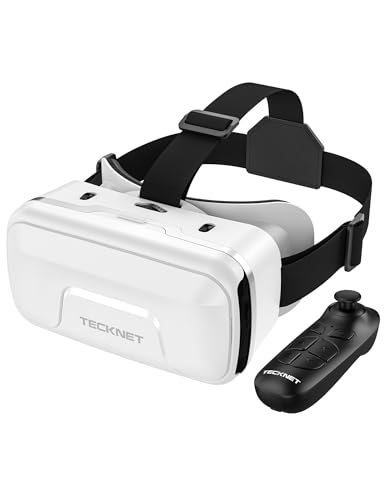
- ✓ Lightweight comfort
- ✓ Solid controller feel
- ✓ Good multi-platform fit
- ✕ Requires compatible apps
- ✕ No built-in 3D conversion
| Display/Field of View | 90°–110° field of view |
| Phone Compatibility/Screen Size Range | 4.7″ to 7.2″ screens |
| Weight | 268 g |
| Controller | Bluetooth wireless controller included for VR interaction |
| Lens Technology & Vision Adjustment | Dual independent lenses with adjustable pupil distance and focal length; supports myopia up to 600°; blue light protection lenses |
| Phone Removal for Heat/Dit Fit | Frame can be widened/removal for larger phones and heat dissipation |
I slipped the TECKNET VR headset on and was surprised by how light it felt right away—the 268g body sits softly against your face, and the breathable foam makes that first hour feel almost effortless. The moment the 90°-110° field of view opened up, immersive scenes snapped into view like a curved window to another world.
I grabbed the Bluetooth controller and the controls clicked into place with a satisfying snappy feel. navigating a simple VR demo, you can feel the precision in movement, which is especially welcome for games and interactive learning.
The sturdy headband adjusts with ease, and the nose rest stays comfy without pinching. after a long session, I noticed the heat stayed under control, even with longer rides through 3D tours and fast-paced scenes.
it’s clear TECKNET designed this for extended play rather than quick, casual bursts.
Compatibility is a real selling point here. you can use devices from mid-range to bigger phones, and the option to remove the frame for heat dissipation makes a surprising difference on warmer days.
blue light protection lenses are a thoughtful touch, reducing eye fatigue a little after back-to-back videos.
Setup is straightforward, especially if you’re dipping into multi-platform apps. you don’t need a high-end phone to enjoy decent 3D content, and the bundle feels like you’re getting a lot of value for under 50 dollars.
just know that you’ll want to download apps with 3D or panoramic content to maximize the experience.
All told, this headset nails comfort, ease of use, and practical VR potential on a budget.
VR Virtual Reality Headset 3D Glasses for 4.5-7″ Phones

- ✓ Lightweight and comfy
- ✓ Wide field of view
- ✓ Gentle on eyes
- ✕ Limited high-end polish
- ✕ Basic build quality
| Display / Viewing Surface | Designed for smartphones with 4.5–7 inch screens; supports 3D/VR viewing |
| Interpupillary Distance (IPD) Adjustment | Adjustable IPD via gear mechanism for different eye separation |
| Optical Features | Anti-blue light coating to reduce eye fatigue; wide field of view with large lens barrel |
| Comfort / Ergonomics | T-shaped headband; lightweight and portable design for varied head sizes |
| Compatibility / Device Support | Compatible with 4.5–7 inch mobile phones; broad compatibility with large-screen smartphones |
| Weight / Portability | Lightweight construction designed for handheld/wearable use |
You know that moment when you pop your phone into a VR headset and your eyes complain after five minutes? This model starts by cutting through that fatigue with a lighter frame and lenses designed to reduce glare.
As soon as you slip it on, the weight sits more like a pair of sunglasses than a bulky gadget, so you don’t feel like you’re wearing a helmet. I noticed the adjustable headband hugging different head sizes without pinching, which is a small win in comfort.
The 3D world feels surprisingly immersive for a sub-500 device. The 360-degree view is clear enough to keep you from fighting with the screen alignment, and the large lens barrel helps you feel a wider field without your eyes cranking inward.
If you wear glasses or have mild myopia, you’ll appreciate the thoughtful optical design that reduces eye strain during longer sessions. It’s not magic, but the anti-blue light treatment plus the crisp image does help you stay in the moment.
The device is designed for smartphones between 4.5 and 7 inches, which covers most budget models you’ve probably already got. Setup is straightforward: drop in the phone, adjust the interpupillary distance, and you’re ready for games, 3D movies, or a nature dive into a virtual world.
The grip on the face is gentle, and I didn’t get the usual peripheral fog when you switch from a bright scene to a darker one. It’s simple, practical, and it doesn’t scream “futuristic gadget” on your desk.
In real-world use, it shines for quick gaming sessions and casual movie nights. It’s not going to replace a high-end headset, but for the price, you get a surprisingly comfortable, portable, and usable piece of VR.
What Should You Look for in a VR Headset Under $500?
The library of games and experiences available for the headset is important as it determines how much content you can explore. A strong lineup of titles can greatly enhance the value of the headset, ensuring that you have plenty of engaging content to enjoy.
Audio quality can significantly impact immersion in VR. Integrated audio solutions that provide spatial sound help create a more believable environment, where sounds correspond accurately to their source in the virtual space.
Wireless capability can enhance the VR experience by allowing greater freedom of movement. With fewer cables to manage, users can move around more naturally, enhancing the immersive quality of the experience.
Which Are the Highest-Rated VR Headsets Under $500?
The highest-rated VR headsets under $500 include several options that cater to different preferences and use cases.
- Meta Quest 2: A popular standalone VR headset that offers a great balance of performance and price.
- Pico 4: An emerging contender known for its high-resolution display and comfort during long sessions.
- HP Reverb G2: A Windows Mixed Reality headset that excels in visual fidelity and is ideal for sim enthusiasts.
- Oculus Rift S: A tethered VR headset that provides excellent tracking and a solid library of games, though it’s being phased out in favor of standalone options.
The Meta Quest 2 has gained significant popularity due to its accessibility and ease of use. It features a wireless design and a robust library of games and applications, making it suitable for both casual and serious gamers. With a resolution of 1832 x 1920 per eye and a refresh rate of up to 120 Hz, it provides a smooth and immersive experience without needing a powerful PC.
The Pico 4 has recently entered the market and is well-received for its impressive specifications, including a resolution of 2160 x 2160 per eye and a lightweight design that enhances comfort. The headset supports both standalone and PC VR experiences, making it versatile for various users. Its wide field of view and ergonomic fit appeal to users looking for extended play sessions.
The HP Reverb G2 is particularly favored by simulation gamers thanks to its high-resolution displays (2160 x 2160 per eye) and excellent audio quality. It features inside-out tracking, which simplifies setup, and is compatible with a variety of VR platforms, including SteamVR. Its comfort and detail make it a strong choice for serious VR enthusiasts who prioritize visuals.
The Oculus Rift S, while being an older model, still holds its ground with solid performance and an extensive library of content. It offers a comfortable fit and good tracking capabilities, making it user-friendly for newcomers to VR. However, as it is a tethered headset, it requires a capable gaming PC, which may be a consideration for potential buyers.
What Are the Unique Features of the Meta Quest 3?
The Meta Quest 3 boasts several unique features that make it a standout choice in the sub-$500 VR headset market.
- High-Resolution Displays: The Meta Quest 3 features dual high-resolution displays that significantly enhance visual clarity and immersion. With a resolution of 2064 x 2208 pixels per eye, the headset provides sharp images that reduce the screen-door effect commonly found in lower-end models.
- Advanced Mixed Reality Capabilities: One of the standout features is its mixed reality functionality, supported by high-quality color passthrough. This allows users to blend virtual elements with their physical environment seamlessly, opening up new possibilities for interactive gaming and productivity applications.
- Improved Processing Power: Equipped with a Snapdragon XR2 chip, the Meta Quest 3 offers enhanced performance compared to its predecessors. This powerful processor enables smoother graphics and faster load times, making for a more enjoyable user experience, especially in graphically intensive applications.
- Enhanced Audio Experience: The headset includes spatial audio technology that provides an immersive sound environment. This feature allows users to pinpoint the direction of sounds in the virtual space, enhancing the realism of gaming and other VR experiences.
- Ergonomic Design: The Meta Quest 3 is designed with user comfort in mind, featuring a lightweight build and adjustable straps. This ergonomic approach allows for extended gaming sessions without causing discomfort, appealing to both casual and hardcore users.
- Robust Library of Content: Users have access to a vast library of VR titles, ranging from games to educational applications. This extensive catalog ensures that users can find engaging content that suits their interests, making the headset a versatile choice for various uses.
- Wireless Connectivity: The Meta Quest 3 supports seamless wireless connectivity, allowing users to move freely without being tethered to a PC. This freedom enhances the virtual reality experience by enabling users to fully engage with their environment without constraints.
How Does the Meta Quest 3S Compare to Others?
| Feature | Meta Quest 3S | Competitor A | Competitor B |
|---|---|---|---|
| Price | $499 – Great value for features offered | $399 – Lower price with fewer features | $499 – Similar pricing but with added accessories |
| Resolution | 1832 x 1920 per eye – High clarity for immersive experience | 1600 x 1440 per eye – Good but lower than Quest 3S | 2560 x 1440 per eye – Superior resolution for high-end users |
| Field of View | 110 degrees – Wide field for a more immersive feel | 100 degrees – Narrower view compared to Quest 3S | 120 degrees – Wider but may impact performance |
| Features | Hand tracking, wireless play, built-in speakers | Basic tracking, wired play, no built-in audio | Advanced tracking, optional wireless, enhanced audio |
| Weight | 500g – Comfortable for extended use | 400g – Lighter but less durable | 550g – Heavier but offers more features |
| Battery Life | 3-4 hours – Decent for gaming sessions | 2-3 hours – Shorter playtime | 4-5 hours – Longer battery life |
| Tracking Technology | Inside-out tracking – More freedom of movement | External sensors required – Less flexible | Hybrid tracking – Best of both worlds |
| Available Games/Software | Large library including popular titles | Limited selection | Extensive library with exclusive titles |
| Compatibility | PC and mobile compatible | PC only | PC and console compatible |
What Makes the Sony PlayStation VR2 Stand Out for Gamers?
The Sony PlayStation VR2 stands out for gamers due to its advanced technology, immersive experience, and compatibility with PlayStation 5.
- High-Resolution Display: The PlayStation VR2 features dual OLED displays with a resolution of 2000 x 2040 per eye, providing stunning visuals and clarity that enhance gaming experiences.
- Advanced Tracking Technology: Equipped with inside-out tracking, the headset uses integrated cameras to track movements without needing external sensors, allowing for smooth and responsive gameplay.
- Haptic Feedback: The headset incorporates haptic feedback in addition to the standard rumble features found in controllers, immersing players further by simulating physical sensations of in-game actions.
- Adaptive Triggers: The VR2 controllers feature adaptive triggers that offer varying levels of resistance, allowing players to feel the tension of actions like drawing a bowstring or accelerating in a vehicle.
- Wide Field of View: With a field of view of approximately 110 degrees, the VR2 provides a more immersive experience by broadening the player’s peripheral vision, making the virtual environments feel expansive and engaging.
- Comfortable Design: The headset is designed with comfort in mind, featuring a balanced weight distribution and adjustable straps, making it suitable for extended gaming sessions without discomfort.
- Exclusive Game Library: The PlayStation VR2 boasts a growing library of exclusive VR titles, providing unique gaming experiences that take full advantage of the hardware capabilities.
What Are the Key Advantages and Disadvantages of VR Headsets Under $500?
| Aspect | Advantages | Disadvantages |
|---|---|---|
| Price | Affordable option for casual users and gamers. | May lack premium features found in higher-end models. |
| Accessibility | Widely available and easy to purchase online or in stores. | Limited hardware support for advanced applications. |
| Content Library | Supports a variety of games and experiences suitable for all ages. | Some high-end VR titles may not be compatible. |
| Comfort | Generally designed for extended use with adjustable straps. | May not fit all head sizes comfortably for long sessions. |
| Tracking | Offers decent tracking capabilities for most casual use. | May have limited positional tracking compared to higher-end models. |
| Weight and Portability | Generally lightweight and easy to transport. | Build quality may feel less durable, impacting long-term portability. |
| Social and Multiplayer Features | Facilitates social interactions in supported games. | Limited multiplayer options in some lower-cost titles. |
What Are Users’ Experiences with the Best VR Headsets Under $500?
Users have provided varied experiences with the best VR headsets under $500, highlighting their performance, comfort, and value for money.
- Oculus Quest 2: The Oculus Quest 2 is often praised for its standalone functionality, allowing users to experience virtual reality without needing a powerful PC. Its high-resolution display and vast library of games make it a favorite among casual and serious gamers alike.
- HP Reverb G2: Users appreciate the HP Reverb G2 for its stunning visual clarity and comfort during extended use, making it ideal for simulation games. The headset’s integration with Windows Mixed Reality and SteamVR provides access to a broad range of content, enhancing the overall user experience.
- PlayStation VR: The PlayStation VR has garnered attention for its affordability and compatibility with a large selection of PlayStation games. Users often mention the immersive experience offered by its motion controllers and the ability to enjoy VR gaming in a familiar console environment.
- Valve Index Controllers: Although the Valve Index headset itself exceeds the $500 range, many users find that combining the Index controllers with other headsets provides a unique and high-quality VR experience. The precision and tactile feedback of the controllers significantly enhance gameplay, making them a popular addition among VR enthusiasts.
- Pimax Artisan: The Pimax Artisan is known for its wide field of view and adjustable settings, allowing users to tailor their VR experience. Many users appreciate its comfort and the ability to connect with both PC and console platforms, making it a versatile choice for various VR applications.
How Compatible Are VR Headsets Under $500 with Popular Content?
Several VR headsets under $500 offer varying compatibility with popular content, making them appealing for budget-conscious consumers.
- Oculus Quest 2: The Oculus Quest 2 is widely regarded as one of the best VR headsets under $500 due to its standalone functionality and access to a vast library of games and experiences. With native support for Oculus titles and compatibility with PC VR games through Oculus Link, users can enjoy a diverse range of content without needing additional hardware.
- PlayStation VR: The PlayStation VR is compatible with the PlayStation 4 and PlayStation 5, allowing access to exclusive titles and a broad selection of games. While it may not have the same resolution as newer headsets, it still provides a solid VR experience for console gamers, making it a good choice for those invested in the PlayStation ecosystem.
- HTC Vive Cosmos: The HTC Vive Cosmos is designed for PC VR gaming and features a modular design for improved usability. It supports a wide range of SteamVR content, allowing users to dive into popular VR titles, although it requires a compatible gaming PC to function effectively.
- HP Reverb G2: The HP Reverb G2 is known for its high-resolution display and excellent audio quality, making it great for immersive experiences. While primarily designed for Windows Mixed Reality, it is also compatible with SteamVR, granting access to a broad library of VR games and experiences, although it may require a more powerful PC.
- Oculus Rift S: The Oculus Rift S is a tethered VR headset that offers access to an extensive library of Oculus content, benefiting from the Oculus ecosystem. Although it is no longer the latest model, it provides a good balance of performance and affordability, making it suitable for users looking to experience popular VR titles on a budget.